
Stronger in the Water. Stronger in Life.
Deep-Water vs. Shallow-Water Aerobics: Benefits, Differences, and Which Is Right for You?
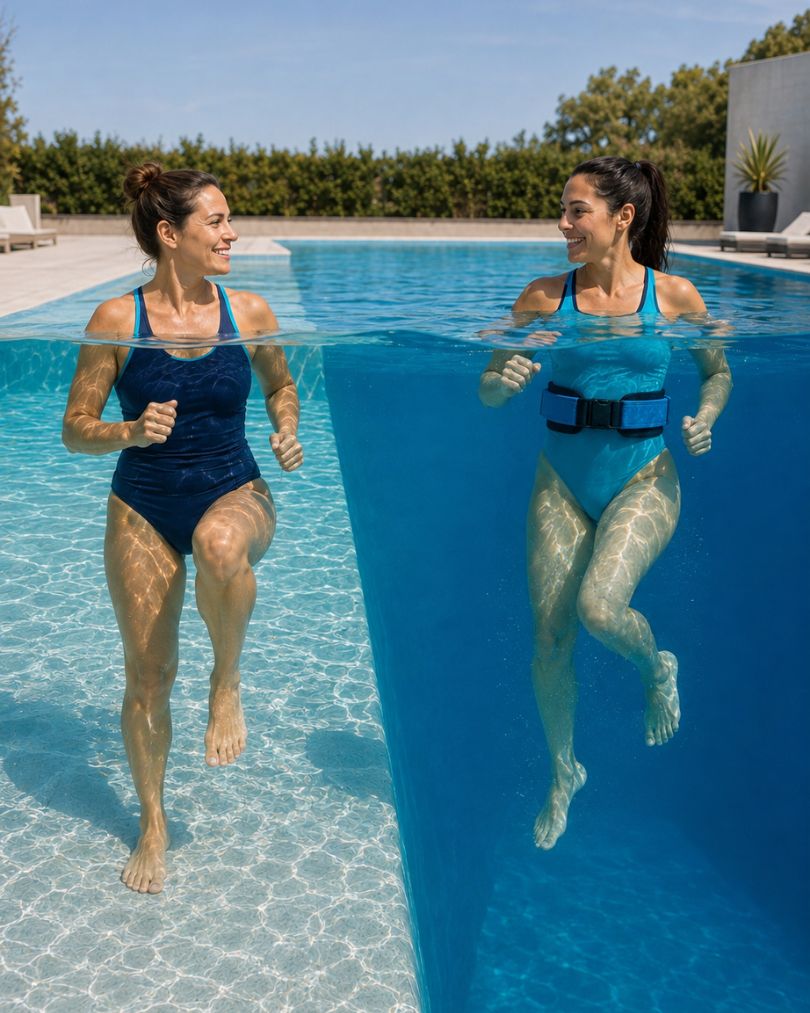
Water aerobics can be performed in shallow water with your feet touching the pool floor or in deeper water while supported by flotation equipment.
Both options use water’s natural resistance to challenge your muscles and cardiovascular system. However, they feel different and require different levels of balance, confidence, equipment, and body control.
Shallow-water aerobics provides the stability of the pool floor, making it easier to learn movements such as squats, lunges, and water walking. Deep-water aerobics removes contact with the floor, allowing you to perform suspended exercises such as deep-water jogging, bicycling, and cross-country skiing movements.
Neither option is automatically better. The right choice depends on your comfort in the water, current fitness level, exercise goals, and access to suitable equipment.
Related Reading: Why Water Exercise Feels Easier Than Land Exercise—But Still Builds Strength
Deep-Water vs. Shallow-Water Aerobics at a Glance
| Feature | Shallow-Water Aerobics | Deep-Water Aerobics |
|---|---|---|
| Position | Feet remain on the pool floor | Body remains suspended |
| Typical depth | Waist to chest level | Water above chest or too deep to stand |
| Equipment | Usually optional | Flotation belt or vest strongly recommended |
| Swimming confidence | Less swimming confidence may be needed | Greater water confidence is important |
| Weight bearing | Reduced but still present | Minimal floor impact because the feet do not touch |
| Balance | Pool floor provides stability | Core works continuously to control body position |
| Common movements | Walking, squats, lunges and jacks | Jogging, cycling, skiing and suspended kicks |
| Beginner accessibility | Often easier for beginners | Requires additional instruction and body awareness |
What Is Shallow-Water Aerobics?
Shallow-water aerobics is performed with your feet in contact with the pool floor. The water generally reaches somewhere between your waist and chest.
You can walk, step, squat, lunge, kick, and perform other movements while the pool floor provides stability.
According to the Mayo Clinic, buoyancy reduces the amount of body weight placed on the legs as water depth increases. This can make shallow-water exercise feel more comfortable than similar movements performed on land.
Because you are still standing, shallow-water aerobics also allows you to practice movements related to everyday activities, including:
- Walking in different directions
- Rising from a squat
- Stepping sideways
- Shifting weight from one leg to the other
- Maintaining balance on an uneven or moving surface
The American Physical Therapy Association includes water walking, jogging, lunges, squats, hip movements, and other standing exercises among its suggested ways to exercise in a pool.
Related Reading: Benefits of Pool Walking: Why Water Walking Is Great for Your Health
What Is Deep-Water Aerobics?
Deep-water aerobics is performed without standing on the pool floor. A flotation belt or vest helps keep your head above water while your arms, legs, and core control your position.
Common deep-water exercises include:
- Suspended jogging
- Bicycle movements
- Cross-country skiing movements
- Flutter kicks
- Knee tucks
- Pendulum leg movements
- Suspended jumping jacks
- Arm presses and sweeps
The Mayo Clinic’s aquatic-exercise guidance recommends using a flotation vest or belt in deep water, especially for people who do not know how to swim. It also identifies deep-water jogging as one way to increase the challenge of an aquatic workout.
Deep water removes the stability of the pool floor. This means your core and postural muscles must continually help control your body’s alignment.
Movements that seem familiar on land can feel very different while suspended. For example, moving your legs too far behind your body while jogging may cause you to tip forward. Learning to remain upright is an important part of deep-water exercise.
Related Reading: Why Water Exercises Challenge Your Core Differently
Benefits of Shallow-Water Aerobics
Easier Introduction to Aquatic Fitness
Shallow water is often the most approachable place to begin. Your feet remain on the floor, and you can move closer to the wall whenever you need additional support.
This allows you to learn how water resistance changes familiar exercises without also managing flotation and suspended body position.
Greater Stability
The pool floor provides a base of support during squats, lunges, kicks, and balance exercises. Beginners can also use the pool wall when learning a new movement.
Functional Movement Practice
Many shallow-water exercises resemble movements performed in daily life. Water walking, stepping, squatting, and shifting your weight may help you practice coordination in a supportive environment.
Adjustable Impact
You can choose how energetic your movements are. Stepping movements keep one foot on the floor, while jumping movements introduce a more athletic challenge.
Minimal Equipment
Most shallow-water exercises can be completed using the resistance of the water alone. Water shoes may help with traction, but flotation equipment is not normally required when you can stand comfortably.
Related Reading: How Water Exercises Improve Stability, Coordination & Everyday Movement
Benefits of Deep-Water Aerobics
No Repeated Contact With the Pool Floor
Because your feet remain suspended, deep-water exercise avoids the repeated floor contact involved in walking, jogging, and jumping.
This may appeal to people who want cardiovascular exercise without repeatedly landing on their feet. However, deep-water exercise is not appropriate for everyone and should not replace individualized medical or rehabilitation guidance.
Continuous Core Engagement
Your abdominal, back, and hip muscles help keep your body upright while your arms and legs move through the water.
Even a basic deep-water jog requires control because there is no solid surface beneath you.
Larger Range of Movement
Without the pool floor limiting your legs, you can move them forward, backward, sideways, and underneath your body. This makes suspended cycling, skiing, and knee-tuck movements possible.
Cardiovascular Challenge
Continuous deep-water jogging or skiing movements can raise your heart rate while working multiple muscle groups.
Aquatic exercise has been associated with improvements in muscular strength, endurance, and cardiovascular fitness. A study published in the journal PLOS ONE found that a 12-week water-aerobics program was associated with improvements in several physical-fitness measurements among participating adults. The complete study is available through the National Library of Medicine.
Variety for Experienced Participants
Deep water offers a new challenge for people who have become comfortable with shallow-water exercise and want to explore suspended movement.
Shallow-Water Exercises to Try
1. Water Walking
Walk forward through waist- or chest-deep water while keeping your torso upright. Allow your arms to move naturally.
You can also walk backward or sideways to change which muscles are emphasized.
2. Hydro Squats
Stand with your feet approximately shoulder-width apart. Push your hips backward, bend your knees comfortably, and return to standing.
Use the pool wall if you need additional balance.
3. Hydro Lunges
Step one foot forward and bend both knees slightly. Press through the front foot to return to standing.
Use a smaller step while learning the movement.
4. Side Leg Raises
Hold the pool wall and lift one leg to the side. Keep both feet pointing forward and avoid leaning your torso.
5. Low-Impact Aqua Jacks
Instead of jumping, step one foot to the side while raising your arms. Return to the center and repeat on the opposite side.
This provides a lower-impact version of a jumping jack.
Deep-Water Exercises to Try
Use an appropriate flotation belt or vest and remain near the pool wall while learning these exercises.
1. Deep-Water Jogging
Maintain an upright position and move your arms and legs as though jogging. Keep your legs underneath your body instead of allowing them to drift too far backward.
2. Suspended Bicycle
Move your legs as though pedaling a bicycle. Keep your torso tall and use your arms to help stabilize your position.
3. Cross-Country Ski
Extend one leg forward and the other backward while moving the opposite arms. Switch sides in a smooth, controlled rhythm.
4. Deep-Water Jacks
Move your arms and legs outward, then draw them back toward the center. Avoid rushing the movement or allowing the flotation belt to shift upward.
5. Suspended Knee Tucks
Draw both knees toward your torso while maintaining an upright position. Extend your legs downward again with control.
Avoid forcefully rounding your back or pulling your knees higher than you can comfortably manage.
Related Reading: Low-Impact Water Aerobics: Boost Fitness With Aquatic Exercises
Is Deep-Water Aerobics Harder Than Shallow-Water Aerobics?
Deep-water aerobics is not always harder, but it often requires more coordination and body awareness.
In shallow water, the pool floor helps stabilize your body. In deep water, you must manage:
- Flotation
- Upright alignment
- Arm and leg coordination
- Movement in multiple directions
- Your position relative to the pool wall and other participants
A beginner may therefore find deep water more technically challenging even when the exercise intensity is moderate.
Shallow water can also provide a demanding workout. Faster water walking, larger movements, squats, lunges, and controlled power exercises can substantially increase the effort required.
The difficulty depends more on the exercise selection, speed, resistance, duration, and technique than on water depth alone.
Which Option Is Better for Beginners?
Shallow-water aerobics is usually the better starting point for someone who is:
- New to water exercise
- Uncertain about using flotation equipment
- Uncomfortable in deep water
- Still developing balance and coordination
- Learning basic aquatic movements
Deep-water aerobics may be appropriate for a beginner when the participant:
- Feels calm and confident in deep water
- Has a properly fitted flotation belt or vest
- Receives instruction from a qualified professional
- Remains near the pool wall
- Understands how to return to the wall safely
Knowing how to swim does not eliminate the need for flotation equipment during a structured deep-water workout. Fatigue can affect even confident swimmers.
Choosing the Right Water Depth for Your Goals
Choose Shallow Water If You Want To:
- Practice walking and standing movements
- Learn basic water-aerobics techniques
- Keep access to the pool floor
- Use little or no equipment
- Work on balance with a stable base
- Adjust easily between stepping and jumping exercises
Choose Deep Water If You Want To:
- Exercise without repeated floor contact
- Explore suspended jogging or cycling
- Challenge your core and coordination
- Add variety to an established aquatic routine
- Perform larger leg movements
- Develop greater control while floating
Combine Both If You Want To:
- Add variety to your weekly routine
- Develop different movement skills
- Alternate between supported and suspended exercise
- Progress gradually from basic to more challenging movements
You do not have to select one depth permanently. Many people benefit from using shallow and deep water on different days or during different parts of a workout.
Related Reading: Swimming vs. Aqua Fitness: Benefits and Key Differences
Equipment for Deep- and Shallow-Water Aerobics
Shallow-Water Equipment
Optional shallow-water equipment includes:
- Water shoes
- Aquatic dumbbells
- Resistance gloves
- Pool noodles
- Kickboards
- Aquatic cuffs
Deep-Water Equipment
Deep-water exercise generally requires:
- A properly fitted flotation belt or vest
- Access to the pool wall
- A pool deep enough to prevent floor contact
- Supervision or instruction when learning
Optional equipment may include resistance gloves or aquatic dumbbells, but these should be added only after you can control your position without them.
A flotation belt should help you maintain an upright position without riding excessively upward around your torso.
Related Reading: Best Water Workout Equipment for a Stronger Pool Workout
Important Deep-Water Safety Guidelines
Deep water requires additional precautions.
- Never exercise alone in an unsupervised pool.
- Use a flotation belt or vest designed for aquatic exercise.
- Confirm that a lifeguard or other responsible supervisor is present.
- Begin close enough to the wall that you can reach it comfortably.
- Make sure the flotation equipment fits securely.
- Learn how to return to the wall before starting the workout.
- Do not depend on a pool noodle as your only support unless it is appropriate for the activity and your ability.
- Stop if you feel dizzy, unusually short of breath, disoriented, or unable to control your position.
- Do not enter deep water if you are not comfortable there.
- Follow all posted pool rules.
People with injuries, medical conditions, balance concerns, or recent surgery should speak with a qualified healthcare professional before starting a new aquatic program.
General Water-Aerobics Safety Tips
Regardless of water depth:
- Begin with a gradual warm-up.
- Focus on posture and controlled movement.
- Drink water before, during, and after your workout.
- Avoid forcing any movement that causes pain.
- Increase intensity gradually.
- Allow enough space between yourself and other participants.
- Use the pool steps or ladder carefully.
- Finish with slower movements and gentle stretches.
The CDC notes that water-based exercise can offer physical and mental benefits, but safe pool behavior remains important.
Related Reading: Protect Your Joints While Building Strength in the Water
Frequently Asked Questions
Do I need to know how to swim for shallow-water aerobics?
Not necessarily. Many shallow-water exercises are performed while standing. However, you should remain in a depth where you feel secure and follow the pool’s safety requirements.
Do I need to know how to swim for deep-water aerobics?
Deep-water exercise requires greater water confidence. A flotation belt or vest should still be used, and beginners should receive proper instruction and remain near the wall. If you are uncomfortable in deep water, start in the shallow end.
Is deep-water aerobics completely impact-free?
Deep-water aerobics avoids repeated contact with the pool floor, but “impact-free” can be misleading. Your muscles and joints still experience forces as you move against the water. “Non-floor-contact exercise” is a more precise description.
Is shallow-water aerobics still low-impact?
It can be. Water’s buoyancy reduces weight-bearing stress, but the amount depends on the water depth and the movements performed. Stepping exercises generally create less impact than repeated jumps.
Which one burns more calories?
There is no single answer. Energy use depends on workout intensity, duration, exercise selection, technique, body size, and individual fitness. Either shallow- or deep-water aerobics can provide a challenging cardiovascular workout.
Is deep-water jogging the same as swimming?
No. Deep-water jogging generally uses an upright body position with a flotation belt. Swimming uses a more horizontal body position and specific stroke techniques.
Can I use a pool noodle instead of a flotation belt?
A pool noodle can provide support for certain exercises, but it may not offer the same stability as a properly fitted flotation belt or vest. Choose equipment appropriate for your ability and the activity being performed.
Can I alternate between deep and shallow water?
Yes, provided you can move safely between the two areas. Alternating water depths can add variety and allow you to practice different movement skills.
Final Thoughts
Shallow- and deep-water aerobics both offer valuable ways to exercise in the pool.
Shallow water provides greater stability and is often the more comfortable starting point for beginners. It supports familiar movements such as walking, squats, lunges, and standing kicks.
Deep water removes contact with the floor and introduces suspended movements such as jogging, cycling, and cross-country skiing. It can provide an engaging challenge for people who are comfortable in deep water and know how to use flotation equipment properly.
The best option is the one that matches your current ability, keeps you safe, and encourages you to move consistently.
Ready to begin with a guided shallow-water routine? Try the free 15-minute aqua fitness workout.
References
Share:
More Posts
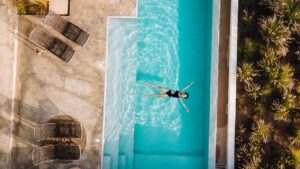

Start Training in the Water
Free Resources
Improve your swimming, build strength, or move with less impact using the water as your training space.
Choose a free resource below to get started.
Recommended Equipment
These aquatic fitness tools help increase water resistance, improve stability, and create a more effective low-impact workout experience in the pool.
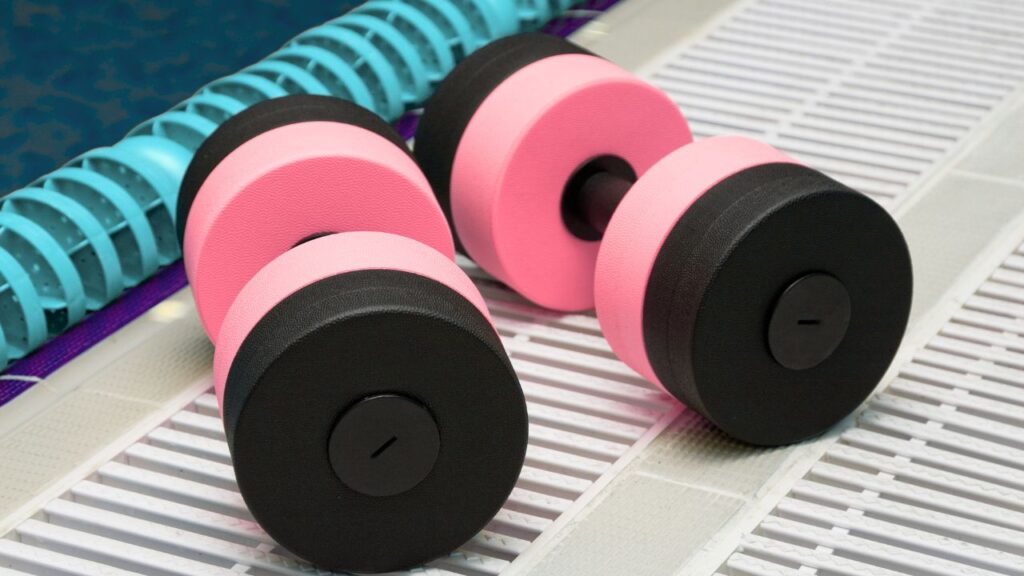
Aqua Dumbbells
Adds upper-body resistance to help improve strength, endurance, and overall workout intensity during aquatic fitness sessions.

Resistance Gloves
Creates additional water resistance for the arms and shoulders while helping improve movement control and muscle engagement.
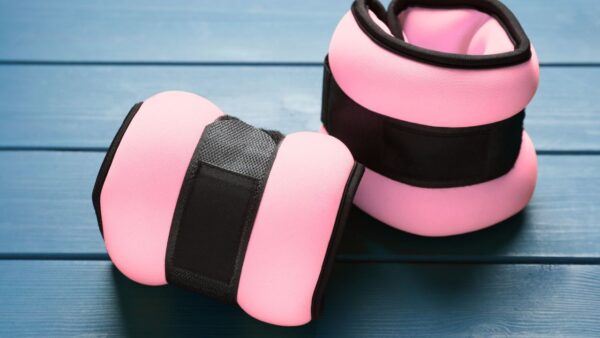
Aquatic Cuffs
Designed to increase resistance on both the arms and legs, helping create more advanced aquatic strength and conditioning workouts.

Flotation Belt
Supports deep-water exercises and helps maintain balance during suspended aquatic workouts without placing stress on the joints.
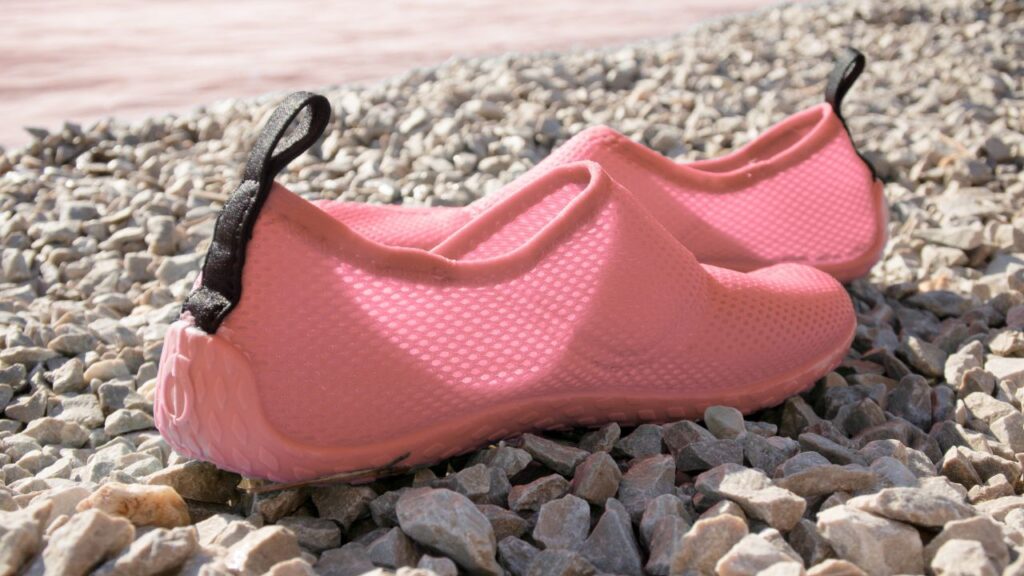
Water Shoes
Provides grip, stability, and foot protection for aquatic fitness classes, pool walking, and water-based exercise routines.
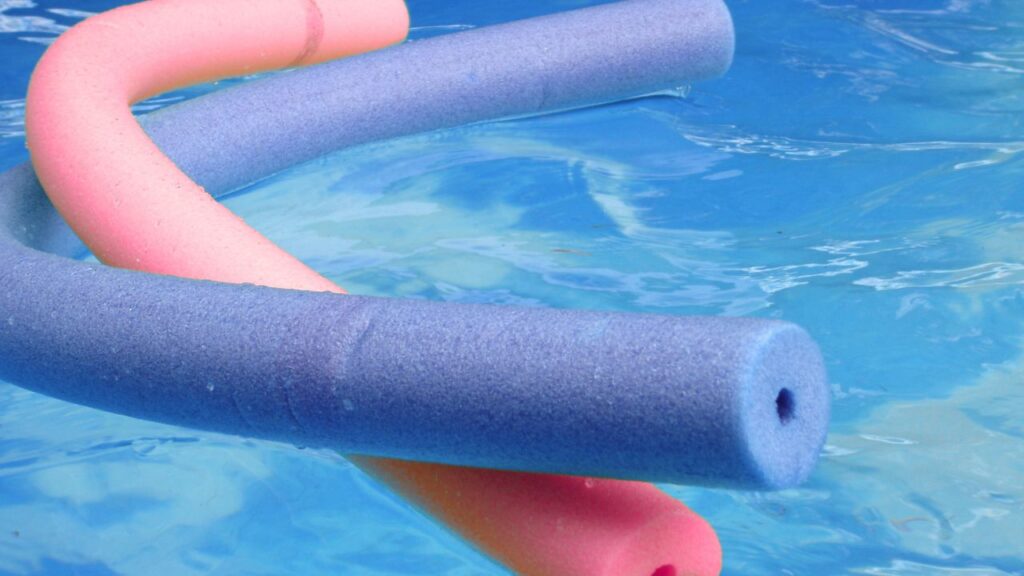
Pool Noodle
Provides flotation support for balance, core training, and low-impact aquatic exercises while helping improve comfort and stability in the water.
Disclosure: Links above are affiliate links, meaning Legendary Swimmers may earn a small commission at no additional cost to you.
Choose How You Prefer to Train in Water
Whether you are here to improve your swimming, build strength, or move with less impact, Legendary Swimmers gives you simple ways to use the water as your training space.
Start with one of our free resources below and choose the path that fits how you want to move in the water.