
Stronger in the Water. Stronger in Life.
How Water Exercises Improve Stability, Coordination & Everyday Movement
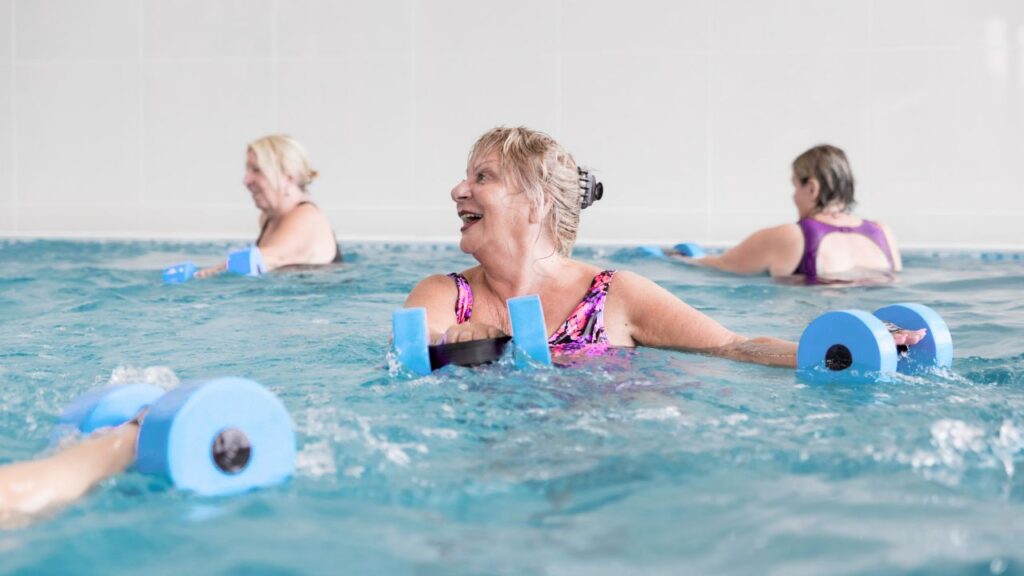
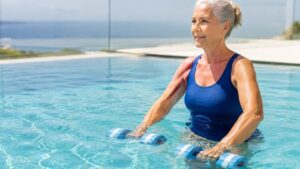
Water exercises improve stability and coordination by challenging the body to balance, stabilize, and move against natural water resistance. Unlike many land-based workouts, aquatic movement creates low-impact resistance in every direction while supporting the joints.
Unlike exercising on solid ground, water constantly shifts around the body. Every movement creates resistance, turbulence, and instability that the body must adapt to in real time. This forces muscles, joints, and the nervous system to work together more efficiently.
For adults looking to improve movement quality, reduce joint stress, maintain independence with aging, or simply move more confidently, water training offers an incredibly effective and joint-friendly solution.
If you are interested in how aquatic movement supports long-term health and strength, check out our post on Why Low-Impact Water Workouts Support Strength & Longevity.
How Water Improves Stability
When standing or moving in water, the body is continuously responding to changes in pressure and resistance. Even simple movements require muscular adjustments to maintain alignment and control.
This creates:
- dynamic stabilization
- neuromuscular coordination
- proprioceptive awareness
In simple terms, your body becomes better at sensing movement, posture, and balance.
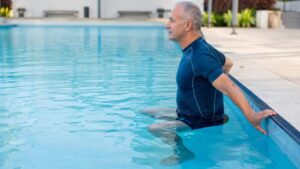
One of the simplest ways to begin improving stability in the water is through water walking and controlled pool movement. If you are interested in beginner-friendly aquatic movement, check out our post on Benefits of Pool Walking: Why Water Walking is Great for Your Health.
Unlike land-based workouts where instability can sometimes increase injury risk, water provides support through buoyancy while still challenging the body to stabilize.
This makes aquatic exercise especially beneficial for:
- older adults
- beginners
- people recovering from injury
- individuals with joint discomfort
- swimmers improving body control
- those looking for low-impact movement
Why Coordination Improves in Water
Coordination is the ability for different parts of the body to work together efficiently.
Water naturally improves this because movements often involve:
- opposite arm and leg patterns
- rhythm and timing
- rotational movement
- posture control
- simultaneous upper- and lower-body engagement
Exercises like:
- aqua jacks
- hydro lunges
- cross-body arm sweeps
- floating core movements
- resistance roll variations
all challenge the body to coordinate movement while resisting water from multiple directions.
Many low-impact aquatic exercises naturally improve rhythm, timing, posture, and movement control. If you would like to explore more beginner-friendly aquatic movements, check out our post on Low-Impact Water Aerobics: Boost Fitness with Aquatic Exercises.
Water also slightly slows movement compared to land, giving the nervous system more time to process and refine movement patterns.
The Role of Water Resistance
Water resistance training is unique because resistance occurs in every direction.
Unlike traditional strength training where resistance mainly comes from gravity, water resists:
- forward movement
- backward movement
- side-to-side movement
- rotational movement
This means muscles stay engaged throughout the exercise.
Research commonly notes that water creates approximately 12–14 times more resistance than movement through air.
The faster you move, the greater the resistance becomes.
This makes aquatic training adaptable for:
- beginners
- older adults
- swimmers
- athletes
- rehabilitation settings
- low-impact fitness programs
without always requiring heavy equipment.
If you would like to learn more about how water naturally creates multidirectional resistance during exercise, explore our post on The Science Behind Water Resistance Training: Why It Works.
Why Water Exercise Is Joint-Friendly
One of the biggest benefits of water exercise is buoyancy.
Water helps support body weight, reducing impact placed on:
- knees
- hips
- ankles
- lower back
At the same time, water still provides resistance, allowing people to build strength and improve movement quality without excessive stress on the joints.
This combination of:
- support
- resistance
- mobility
- stabilization
is what makes aquatic exercise different from many land-based workouts.
For people looking for sustainable movement long term, water often becomes a smarter and more comfortable way to stay active.
Everyday Benefits of Stability & Coordination Training
Improved stability and coordination can support everyday movement by helping with:
- walking confidently
- climbing stairs
- posture control
- carrying objects
- reducing fall risk
- getting up from seated positions
- reacting to uneven surfaces
Many people focus only on cardio or strength, but movement quality is equally important for long-term health and independence.
Water training improves:
- controlled movement
- functional strength
- body awareness
- mobility
- confidence in motion
all while minimizing excessive impact on the body.
Swimming itself also supports many of these same benefits by improving body awareness, coordination, endurance, and movement efficiency through controlled movement in the water. If you would like to learn more, explore our post on Physical and Mental Health Benefits of Swimming – 2026.
Best Water Exercises for Stability & Coordination
Aqua Jacks
Help improve rhythm, timing, lower-body coordination, and cardiovascular endurance.
Hydro Lunges
Challenge balance, hip control, and unilateral stabilization.
Cross-Body Arm Sweeps
Encourage rotational coordination and core activation.
Floating Core Exercises
Improve postural control and stabilization.
Resistance Rolls
Develop controlled shoulder movement and upper-body coordination.
Water Walking or Jogging
Excellent for gait mechanics, posture, and foundational movement patterns.
Final Thoughts
Water exercise is much more than just a low-impact workout.
It is a powerful way to improve:
- stability
- coordination
- balance
- movement quality
- functional strength
- long-term mobility
As we age, the ability to move efficiently becomes increasingly important. Stability, coordination, posture, and balance all play a major role in maintaining independence and confidence in everyday life.
Water creates an environment where people can safely challenge these systems while reducing unnecessary stress on the body.
Whether through swimming, aquatic fitness, pool walking, or structured water workouts, movement in water offers a sustainable and highly effective approach to long-term wellness.
Q&A
Q: Does water exercise improve balance?
A: Yes. Water creates constant instability that forces the body to make small adjustments during movement, helping improve stabilization and balance control over time.
Q: Why does water improve coordination?
A: Water workouts often involve synchronized upper- and lower-body movement patterns while resisting water in multiple directions. This helps improve timing, posture, rhythm, and movement efficiency.
Q: Is aquatic exercise good for older adults?
A: Absolutely. Water exercise is especially beneficial for older adults because it reduces joint stress while improving movement confidence, strength, coordination, and stability.
Q: Why is water exercise considered low-impact?
A: Buoyancy supports part of the body weight, reducing impact on the joints while still allowing muscles to work against resistance.
Q: Can water workouts build strength?
A: Yes. Water resistance continuously activates muscles throughout movement, helping improve muscular endurance, stabilization, and functional strength.
Q: Do you need equipment for aquatic stability training?
A: No. Many aquatic exercises rely entirely on the natural resistance of the water itself, although equipment like aquatic dumbbells, pool noodles, or resistance gloves can increase difficulty.
Q: Is swimming considered coordination training?
A: Yes. Swimming requires coordinated movement between breathing, posture, arm patterns, kicking, and body rotation, making it a highly effective full-body coordination activity.
References
CDC — Water-Based Exercise & Physical Activity
https://www.cdc.gov/physicalactivity/basics/adding-pa/activities.html
National Institutes of Health (NIH) — Aquatic Exercise Research
https://pmc.ncbi.nlm.nih.gov/articles/PMC6188611/
Hydrostatic & Resistance Properties of Water
https://www.ncbi.nlm.nih.gov/books/NBK518995/
Arthritis Foundation — Benefits of Water Exercise
https://www.arthritis.org/health-wellness/healthy-living/physical-activity/walking/water-workouts
Harvard Health — Exercise & Healthy Aging
https://www.health.harvard.edu/exercise-and-fitness/exercise-can-boost-your-memory-and-thinking-skills
Cleveland Clinic — Low-Impact Exercise Benefits
https://health.clevelandclinic.org/low-impact-workouts/
Share:
More Posts
Start Training in the Water
Free Resources
Improve your swimming, build strength, or move with less impact using the water as your training space.
Choose a free resource below to get started.
Recommended Equipment
These aquatic fitness tools help increase water resistance, improve stability, and create a more effective low-impact workout experience in the pool.
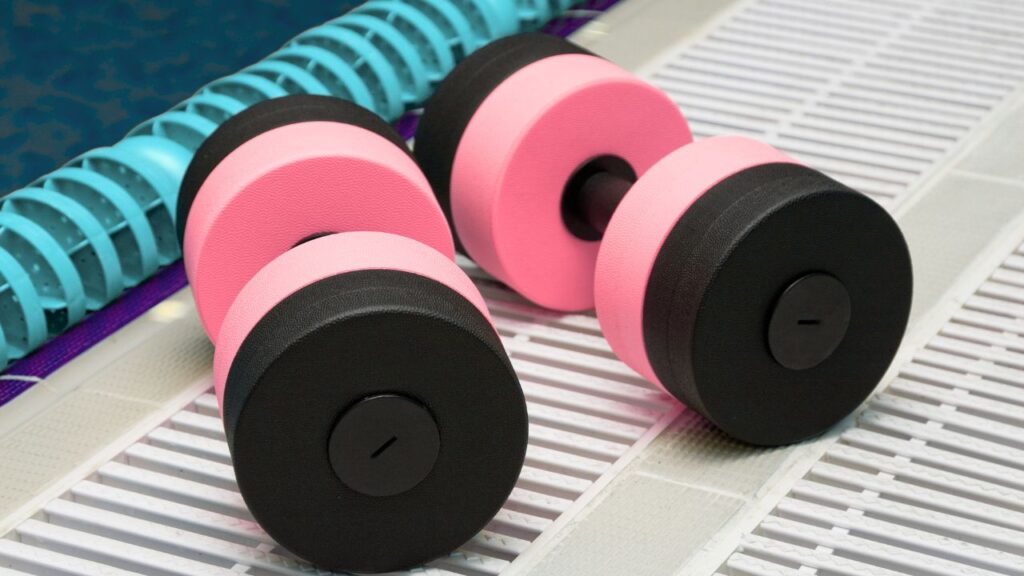
Aqua Dumbbells
Adds upper-body resistance to help improve strength, endurance, and overall workout intensity during aquatic fitness sessions.

Resistance Gloves
Creates additional water resistance for the arms and shoulders while helping improve movement control and muscle engagement.
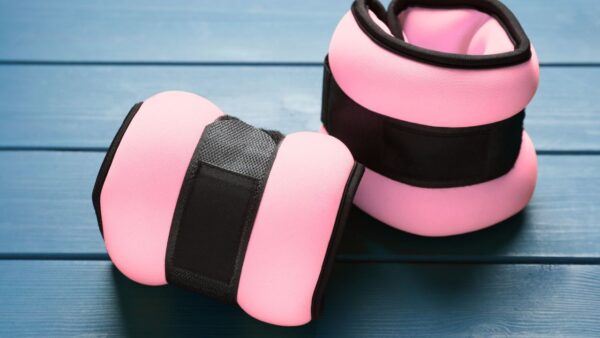
Aquatic Cuffs
Designed to increase resistance on both the arms and legs, helping create more advanced aquatic strength and conditioning workouts.

Flotation Belt
Supports deep-water exercises and helps maintain balance during suspended aquatic workouts without placing stress on the joints.
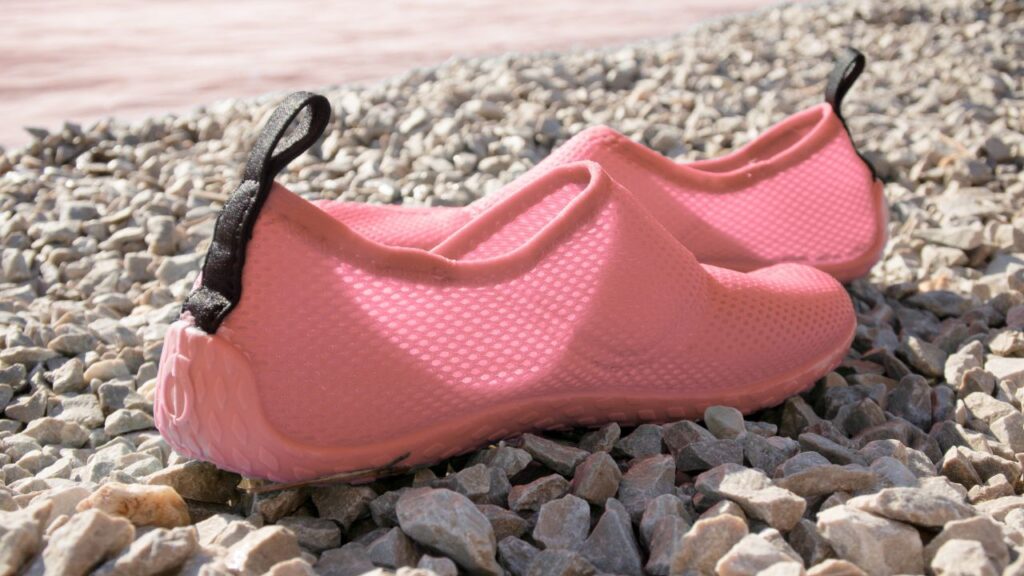
Water Shoes
Provides grip, stability, and foot protection for aquatic fitness classes, pool walking, and water-based exercise routines.
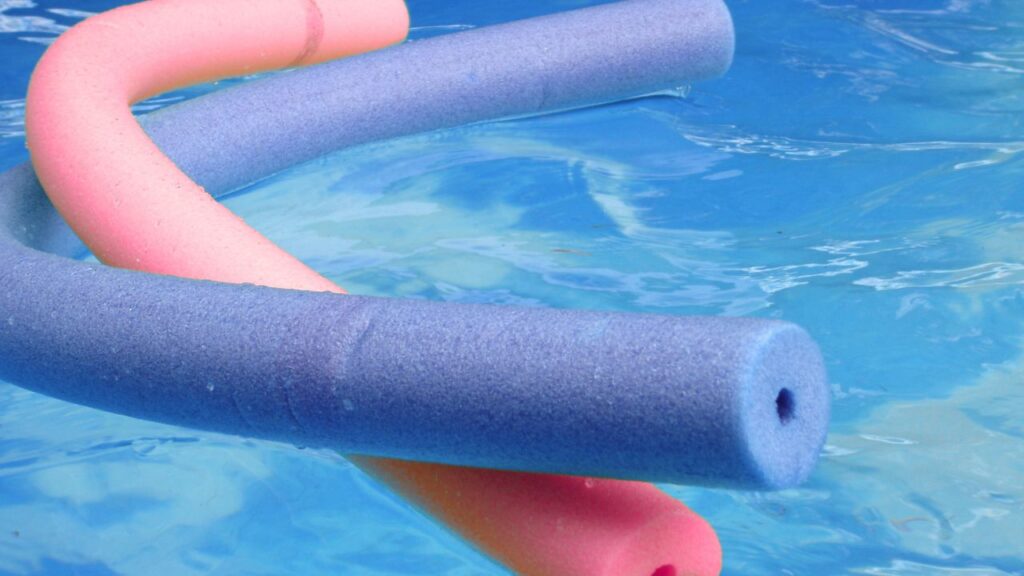
Pool Noodle
Provides flotation support for balance, core training, and low-impact aquatic exercises while helping improve comfort and stability in the water.
Disclosure: Links above are affiliate links, meaning Legendary Swimmers may earn a small commission at no additional cost to you.
Choose How You Prefer to Train in Water
Whether you are here to improve your swimming, build strength, or move with less impact, Legendary Swimmers gives you simple ways to use the water as your training space.
Start with one of our free resources below and choose the path that fits how you want to move in the water.