
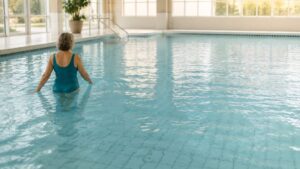
Stronger in the Water. Stronger in Life.
Aquatic Exercise for Osteoarthritis: What the Research Says
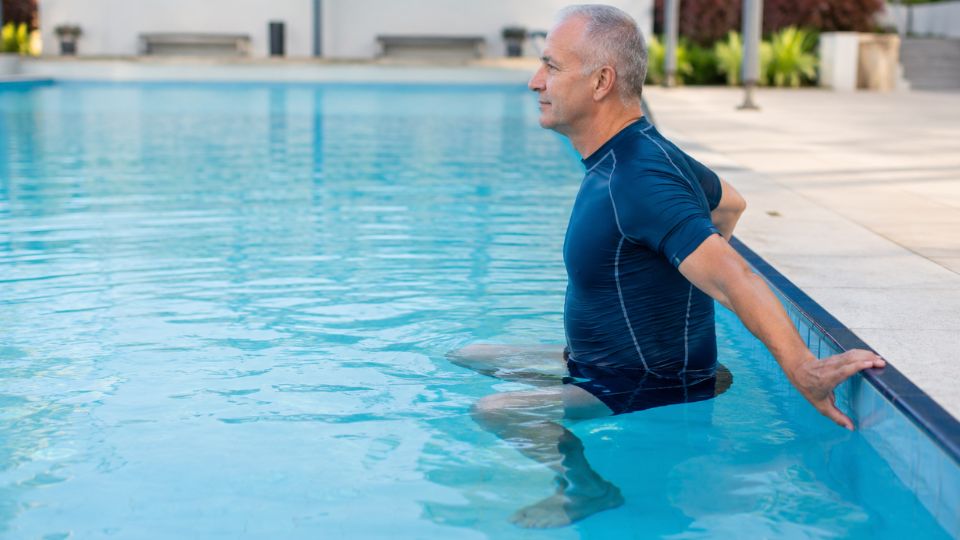
Aquatic exercise for osteoarthritis may offer a lower-impact way to stay active while working on strength, mobility, balance, and everyday movement.
Osteoarthritis commonly affects weight-bearing joints such as the knees and hips. It can involve pain, stiffness, reduced mobility, and changes in how comfortable daily activities feel.
For many people, movement is still an important part of maintaining function and quality of life. But the type of movement, intensity, range of motion, and pace need to be appropriate for the individual.
This is one reason water exercise is often explored. The water can support part of the body’s weight while still providing resistance for controlled movement.
Why Water Can Be a Supportive Exercise Environment
On land, walking, squatting, stepping, and balance exercises require the body to manage its full weight against gravity.
In the water, buoyancy can reduce weight-bearing load on the lower body. At the same time, the resistance of the water provides a challenge when you walk, move your legs, press your arms, or change direction.
This may allow some people to practice movement with less joint impact while still working on important fitness qualities, including:
- Lower-body strength
- Balance and coordination
- Mobility
- Cardiovascular fitness
- Confidence in everyday movement
Water exercise is not automatically easy. A controlled movement can still be challenging, especially when speed, range of motion, surface area, or resistance equipment are increased.
The difference is that water offers another way to adjust the challenge.
Related Reading: Protect Your Joints While Building Strength in the Water
What Does Research Say About Aquatic Exercise for Osteoarthritis?
A 2022 systematic review and meta-analysis examined 20 studies on aquatic exercise for people with osteoarthritis.
The review found that aquatic exercise was associated with improvements in pain, joint dysfunction, and quality of life when compared with control groups. Many of the studies focused on people with knee and hip osteoarthritis.
A second systematic review and meta-analysis focused on knee osteoarthritis. It found that aquatic physical therapy had positive effects on pain, physical function, knee-extension strength, and walking ability across the studies included.
These findings are encouraging, but they should be interpreted carefully.
Research programs vary. Participants, pool temperature, exercise selection, session length, supervision, and comparison groups were not identical across the studies. Not every outcome improved consistently, and water exercise is not a cure for osteoarthritis.
Still, the evidence supports aquatic exercise as one possible movement option for people who want a more joint-friendly way to stay active.
Research links:
- Effects of Aquatic Exercises for Patients with Osteoarthritis: Systematic Review with Meta-Analysis
- Overall Treatment Effects of Aquatic Physical Therapy in Knee Osteoarthritis: Systematic Review and Meta-Analysis
Building Strength Around the Joints
When someone has osteoarthritis, it can feel tempting to avoid movement completely. But avoiding all movement can make it harder to maintain strength, mobility, and confidence over time.
Appropriate strengthening does not mean forcing a painful or overly difficult workout. It means choosing movements that are manageable and progressing gradually.
In the pool, lower-body movements may include:
- Water walking
- Supported knee bends
- Controlled squats within a comfortable range
- Side steps
- Gentle leg lifts
- Heel raises
- Slow marching
- Supported balance practice
The best starting point depends on the person, their symptoms, joint location, mobility, and medical guidance.
Smaller, controlled movements are often more useful than large, rushed movements.
Related Reading: Benefits of Pool Walking: Why Water Walking Is Great for Your Health
Pacing Matters
With osteoarthritis, some discomfort may be part of daily life, but a workout should not leave you feeling as though you need to push through sharp pain, significant swelling, instability, or symptoms that continue to worsen.
Pacing can help make movement more sustainable.
That may mean:
- Starting with a shorter session
- Choosing a comfortable water depth
- Taking rest breaks
- Reducing range of motion
- Using the pool wall for support
- Moving more slowly
- Avoiding exercises that cause symptoms to worsen
- Building gradually over time
Your body’s response during and after movement matters. What feels appropriate on one day may not feel appropriate on another.
A healthcare professional can help you understand what is suitable for your condition and health history.
Aquatic Exercise Is One Option—Not the Only Option
Water exercise does not need to replace every other form of movement.
Land-based exercise can also be valuable for many people with osteoarthritis. The best approach depends on what you enjoy, what feels manageable, what is accessible to you, and what your healthcare team recommends.
For some people, the pool may be the place where they can begin moving with more confidence. For others, it may complement walking, strength training, physical therapy, or other forms of activity.
The most meaningful routine is often the one you can safely continue.
Related Reading: How to Progress in Water Aerobics: From Beginner Movements to More Challenging Workouts
Begin With Controlled, Joint-Friendly Movement
If you have been cleared for exercise and would like to try a guided, low-impact pool workout, explore our free 15-minute aqua fitness workout.
Choose movements, speed, and range of motion that feel appropriate for your body. Pause, reduce the movement, or choose an alternative whenever needed.
Try the Free 15-Minute Aqua Fitness Workout
This article is for general educational purposes only and is not medical advice, diagnosis, or treatment. It does not replace guidance from your physician, physical therapist, or other qualified healthcare professional. Consult a healthcare professional before beginning or changing an exercise routine, especially if you have osteoarthritis, another medical condition, an injury, or concerns about exercising safely.
References
Song J-A, Oh JW. Effects of Aquatic Exercises for Patients with Osteoarthritis: Systematic Review with Meta-Analysis.Healthcare. 2022;10(3):560.
Read the full study
Dong R, Wu Y, Xu S, et al. Overall Treatment Effects of Aquatic Physical Therapy in Knee Osteoarthritis: A Systematic Review and Meta-Analysis. BMC Musculoskeletal Disorders. 2022.
Read the full study
The broad osteoarthritis review included 20 studies and reported improvements in pain, joint dysfunction, and quality of life relative to control groups; the knee-focused review found improvements in pain and physical function but not every measured outcome.
Share:
More Posts
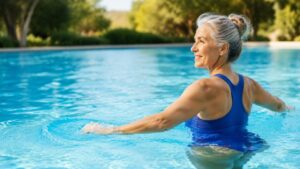
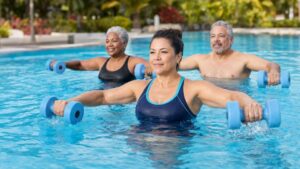
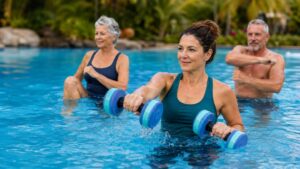
Start Training in the Water
Free Resources
Improve your swimming, build strength, or move with less impact using the water as your training space.
Choose a free resource below to get started.
Recommended Equipment
These wellness-focused aquatic tools help support recovery, mobility, balance, and overall comfort while creating a more sustainable movement experience in and around the water.
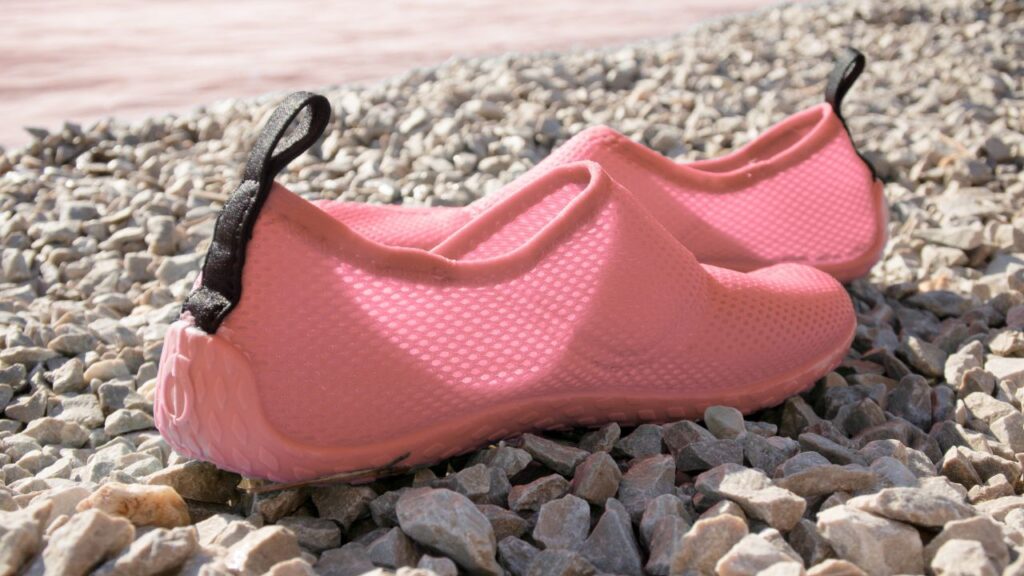
Water Shoes
Provides grip, stability, and foot protection for pool walking, aquatic recovery sessions, and low-impact water exercise routines.
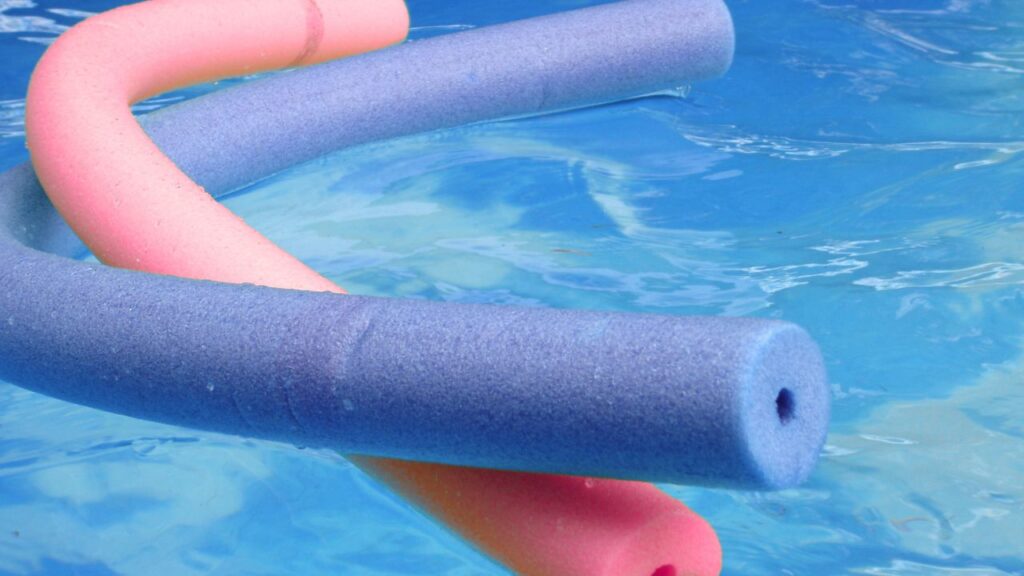
Pool Noodle / Flotation Aid
Offers flotation support for balance, gentle movement, stretching, and relaxation during aquatic wellness and recovery exercises.
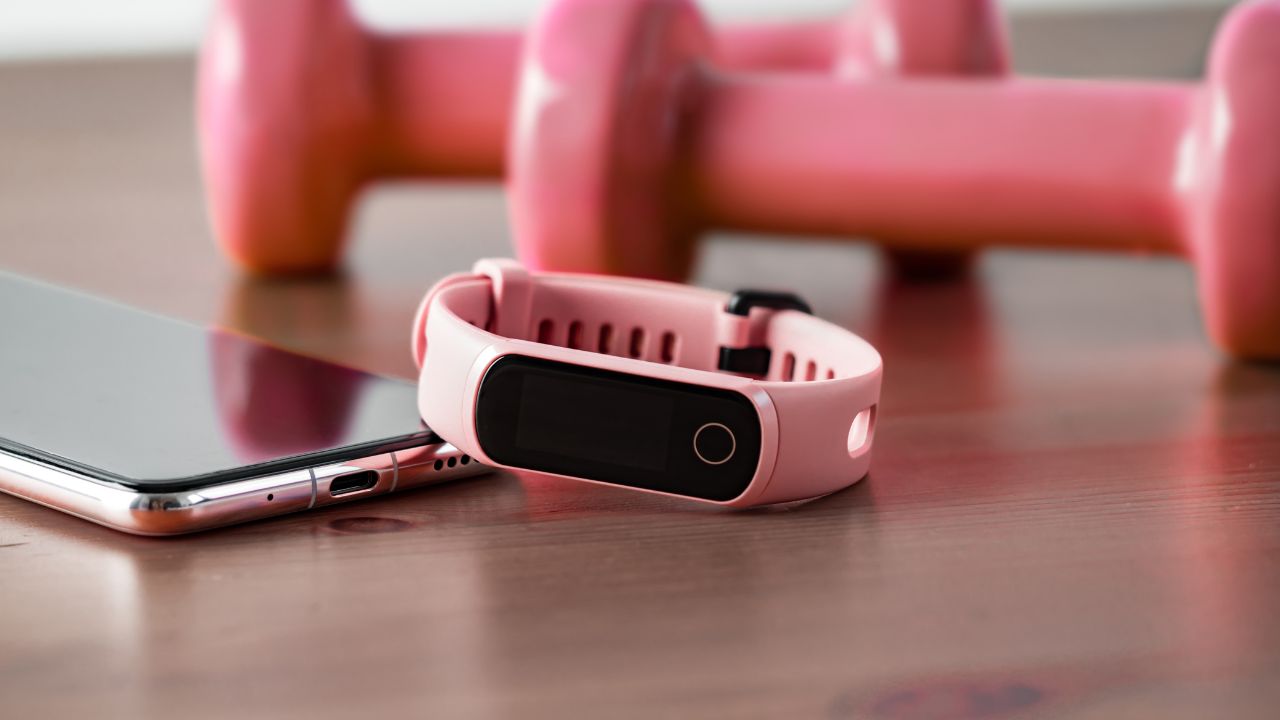
Waterproof Fitness Tracker
Tracks movement, activity, heart rate, and consistency during swimming, pool walking, and aquatic wellness routines.

Aqua Fitness Swim Bar with Padded Grip
Supports aquatic therapy, recovery sessions, and low-impact water exercise by improving grip comfort, stability, and controlled movement in the water.
Disclosure: Links above are affiliate links, meaning Legendary Swimmers may earn a small commission at no additional cost to you.
Choose How You Prefer to Train in Water
Whether you are here to improve your swimming, build strength, or move with less impact, Legendary Swimmers gives you simple ways to use the water as your training space.
Start with one of our free resources below and choose the path that fits how you want to move in the water.