
Stronger in the Water. Stronger in Life.
Aqua HIIT for Beginners: A Low-Impact Interval Workout in the Pool
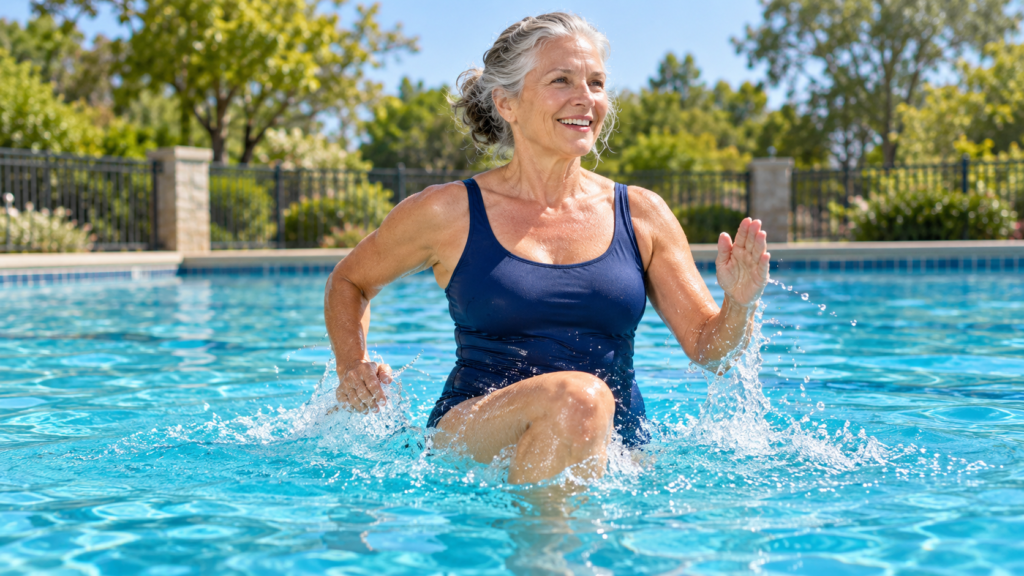
HIIT does not have to mean jumping, pounding your joints, or leaving a workout feeling wiped out.
In the pool, you can use short bursts of purposeful movement and easy recovery periods to create an Aqua HIIT workout that feels challenging, energizing, and much more joint-friendly than many land-based interval workouts.
That is what makes Aqua HIIT such a useful option for people who want more structure in the water. You can raise your effort, move your whole body, and still let the water support you as you exercise.
If you are new to water fitness, the goal is not to make every interval as hard as possible. The goal is to learn how to change your pace with control.
What Is Aqua HIIT?
Aqua HIIT is a pool workout that alternates short intervals of more purposeful movement with easier movement or recovery.
For example, you might spend 30 seconds doing a strong water walk or power march, then spend 30 seconds returning to a gentle walk. You repeat that pattern with different movements to create a full-body workout.
In the water, intensity can come from:
- Moving with more purpose through the water
- Making your movements larger while staying controlled
- Using your arms and legs together
- Increasing the time you work before you recover
- Changing direction or tempo
It does not have to come from jumping higher, rushing, or losing control of your form.
That distinction matters. The best Aqua HIIT workout is the one you can perform with steady posture, comfortable breathing, and enough control to repeat it again next week.
Why Beginners Often Enjoy Aqua HIIT
The water creates resistance as you move, while buoyancy can make many movements feel more comfortable than they do on land. That combination gives beginners room to explore intervals without needing a complicated routine or a room full of equipment.
You may enjoy Aqua HIIT if you want:
- A more structured alternative to simply swimming laps
- A full-body workout without high-impact land exercises
- Short exercise blocks that feel easier to manage mentally
- A routine that can be adjusted for your energy and fitness level
- A way to make use of a home pool or community pool
You do not need to be an advanced swimmer. Many Aqua HIIT movements can be performed in shallow water where you feel secure standing.
How Hard Should a Beginner Aqua HIIT Workout Feel?
Think of the stronger intervals as “purposeful,” not all-out.
During a work interval, you should feel your breathing and heart rate increase. During the easy interval, you should feel able to regain control of your breath before the next movement begins.
A simple check: you should be able to say a short sentence during the stronger part of the workout. If you feel dizzy, unsteady, or unable to recover comfortably, slow down, make the movement smaller, or take a longer recovery.
The pool is not a place to prove how hard you can push. It is a place to build consistency.
A Simple 20-Minute Aqua HIIT Template
Choose a water depth where you can stand comfortably. Keep the pool wall nearby if you would like extra support.
Warm up — 4 minutes
Spend one minute on each movement:
- Gentle water walking
- Side steps with relaxed arm sweeps
- Easy marching with alternating knee lifts
- Controlled mini-squats or sit-to-stand-style movements
The goal is simply to get comfortable moving through the water before you increase your effort.
Main workout — 3 rounds
For each movement, work for 30 seconds and recover with an easy water walk for 30 seconds.
- Power march
Lift your knees only as high as feels comfortable and use your arms to push water backward. - Step-out Aqua Jacks
Step one foot out at a time while sweeping your arms out and in. There is no need to jump. - Alternating Side Steps With Water Punches
Step to the right while pushing your left hand forward through the water. Step to the left while pushing your right hand forward. Keep both feet on the pool floor and move at a controlled pace. - Squat to water press
Perform a comfortable partial squat. As you stand, press both hands forward through the water.
After all four movements, walk gently for one minute. Then repeat the circuit two more times.
Cool down — 2 minutes
Finish with gentle water walking, relaxed arm circles, and slow breathing.
If three rounds feel like too much, complete one or two rounds. If they begin to feel easy after several sessions, add a fourth round before making the movements faster.
How to Progress Without Losing Control
The easiest way to progress Aqua HIIT is to change one thing at a time.
You could:
- Add 5 to 10 seconds to your work interval
- Reduce your recovery interval slightly
- Add one extra round
- Use a larger range of motion
- Add a coordinated arm movement
- Move from a gentle walk to a stronger march
Avoid changing everything in one workout. A slower, more controlled movement can be more effective than a rushed one.
For a deeper explanation of how to progress safely, check out our post on How to Progress in Water Aerobics: From Beginner Movements to More Challenging Workout.
Common Beginner Mistakes to Avoid
Treating “high intensity” as “move as fast as possible”
Speed is only useful when you can maintain posture and control. Start with intentional movement, then build your pace gradually.
Skipping recovery
Recovery is part of interval training. It gives you a chance to reset your breathing and keep the next work interval productive.
Choosing movements that feel unsafe
If a movement makes you feel unsteady, use the pool wall, reduce your range of motion, or choose a stepping version. A good workout should leave you feeling capable, not nervous.
Starting with too much volume
One well-controlled circuit is a successful first session. Consistency is more valuable than a single exhausting workout.
Try a Guided 30-Minute Aqua Fitness Workout
If you would rather follow a structured workout than build your own intervals, try our new and improved free 30-minute aqua fitness workout.
It is designed to help you move through a full, low-impact pool workout at your own pace, without needing to figure out every exercise on your own.
Sign up here:
https://legendaryswimmers.com/free-30-minute-aqua-fitness-workout-sign-up/
Frequently Asked Questions
Do I need to know how to swim to do Aqua HIIT?
Not necessarily. Many movements can be done in shallow water where you can stand securely. Choose a depth and exercises that feel safe for you.
Is Aqua HIIT only for advanced exercisers?
No. The intervals can be adjusted by changing the pace, range of motion, work time, and recovery time. Beginners can start with gentle stepping patterns and shorter rounds.
How often should I do an Aqua HIIT workout?
Start with one session per week and notice how your body feels. As you become more comfortable, you can build toward a routine that includes a mix of strength, mobility, and interval-focused pool workouts.
What should I do if a movement causes pain?
Stop the movement. Use a smaller range of motion or choose a different exercise. Speak with a qualified healthcare professional or physical therapist if you have an injury, medical condition, recent surgery, or questions about what is appropriate for you.
Recommended Reads:
- 30-Minute Pool HIIT Workout for Strength, Fat Loss & Endurance
https://legendaryswimmers.com/30-min-pool-hiit-workout-fit-strong-for-busy-women/ - How to Progress in Water Aerobics: From Beginner Movements to More Challenging Workout
https://legendaryswimmers.com/how-to-progress-in-water-aerobics/ - Free 30-Minute Aqua Fitness Demo
https://legendaryswimmers.com/free-30-minute-aqua-fitness-workout-sign-up/
References
- Centers for Disease Control and Prevention — Adult Activity: An Overview
https://www.cdc.gov/physical-activity-basics/guidelines/adults.html - ChoosePT (American Physical Therapy Association) — 10 Exercises To Do in the Pool
https://www.choosept.com/health-tips/10-exercises-in-pool
Share:
More Posts
Start Training in the Water
Free Resources
Improve your swimming, build strength, or move with less impact using the water as your training space.
Choose a free resource below to get started.
Recommended Equipment
These aquatic fitness tools help increase water resistance, improve stability, and create a more effective low-impact workout experience in the pool.
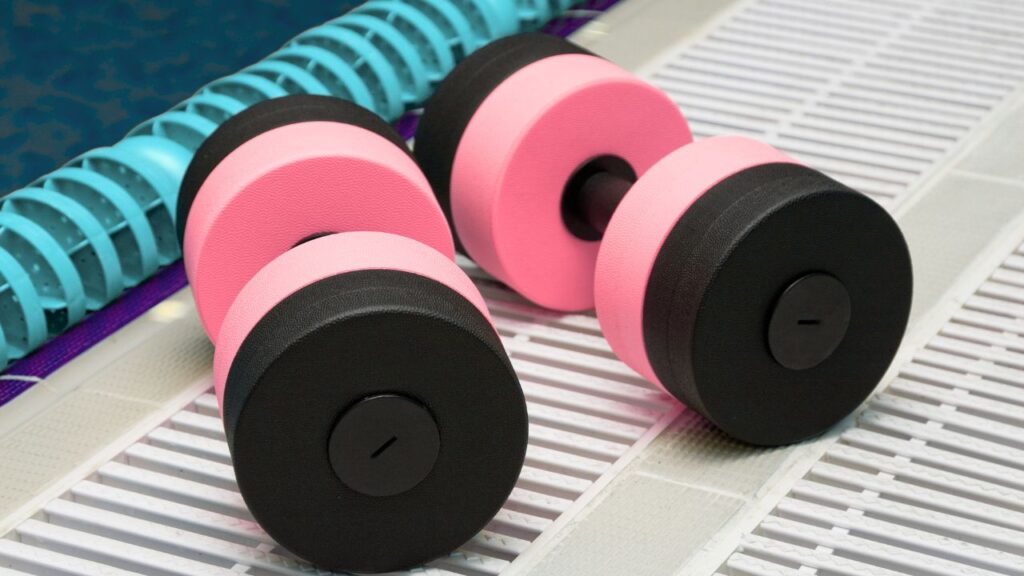
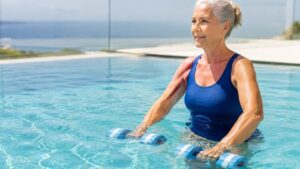
Aqua Dumbbells
Adds upper-body resistance to help improve strength, endurance, and overall workout intensity during aquatic fitness sessions.

Resistance Gloves
Creates additional water resistance for the arms and shoulders while helping improve movement control and muscle engagement.
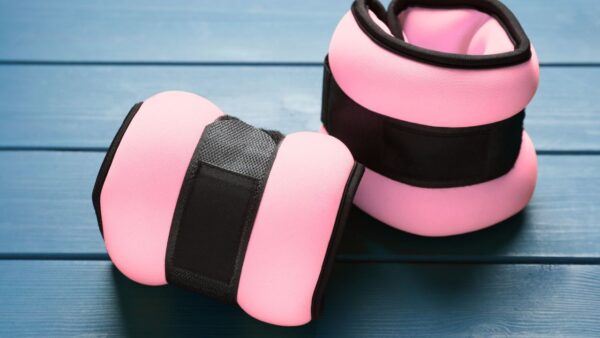
Aquatic Cuffs
Designed to increase resistance on both the arms and legs, helping create more advanced aquatic strength and conditioning workouts.

Flotation Belt
Supports deep-water exercises and helps maintain balance during suspended aquatic workouts without placing stress on the joints.
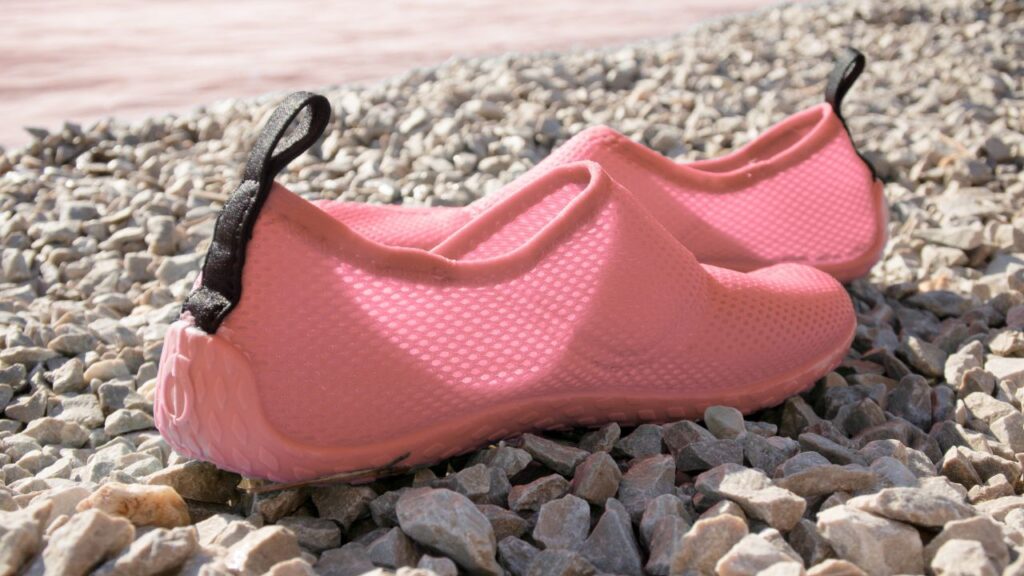
Water Shoes
Provides grip, stability, and foot protection for aquatic fitness classes, pool walking, and water-based exercise routines.
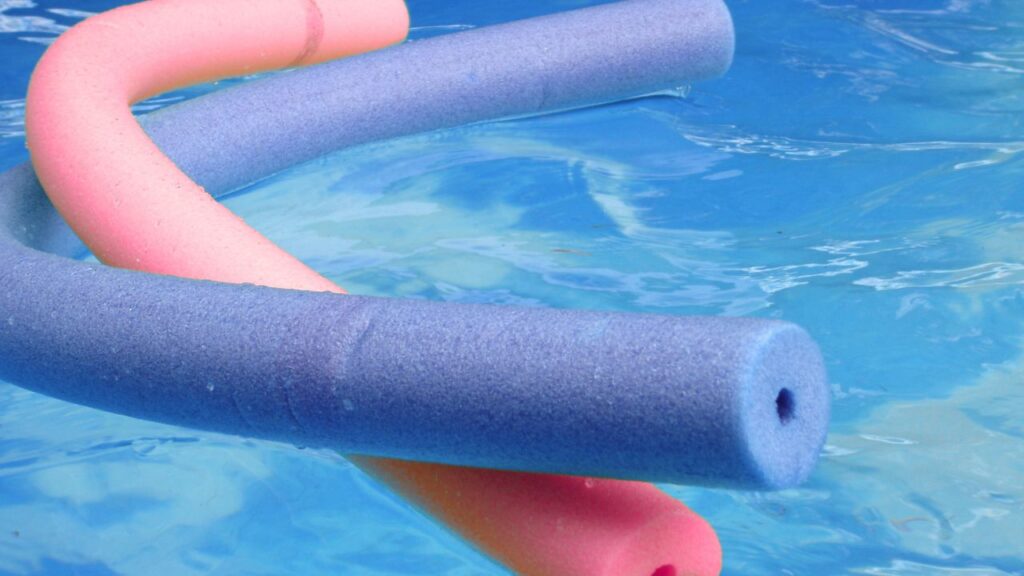
Pool Noodle
Provides flotation support for balance, core training, and low-impact aquatic exercises while helping improve comfort and stability in the water.
Disclosure: Links above are affiliate links, meaning Legendary Swimmers may earn a small commission at no additional cost to you.
Choose How You Prefer to Train in Water
Whether you are here to improve your swimming, build strength, or move with less impact, Legendary Swimmers gives you simple ways to use the water as your training space.
Start with one of our free resources below and choose the path that fits how you want to move in the water.