Staying active is one of the best things you can do for your body, but not every workout feels good on your joints. For many people, especially those dealing with aging joints, past injuries, stiffness, or discomfort, traditional land workouts can feel too harsh.
That is where water movement can make a powerful difference.
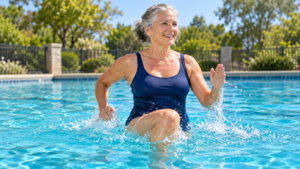
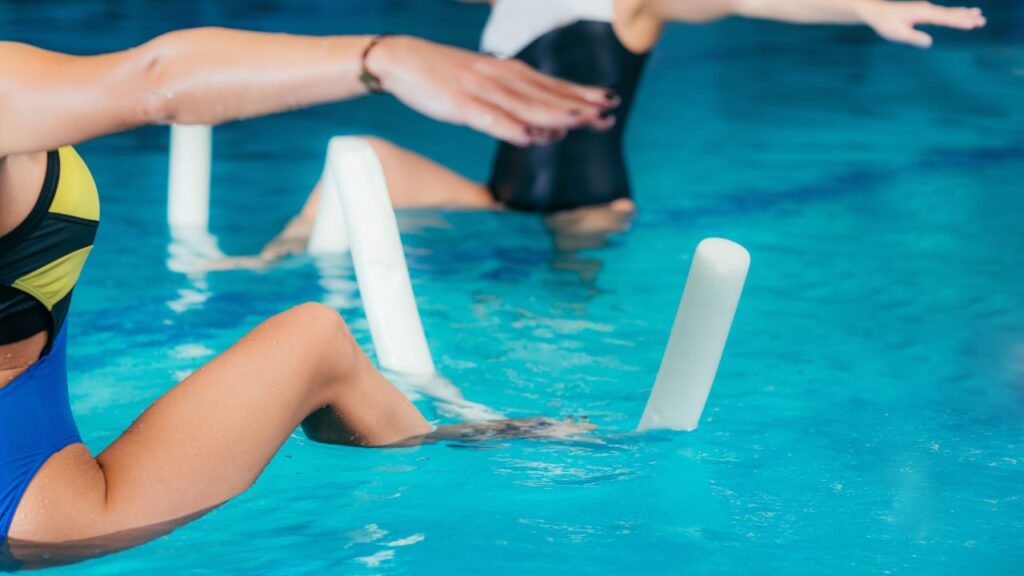
One of the best ways you can protect your joints while building strength in the water is with Aquatic fitness. This form of exercise gives your body a way to build strength, improve mobility, and stay consistent while reducing the impact placed on your joints. Instead of forcing your body through high-impact movement, the water supports you while still challenging your muscles.
This is why water workouts are often a great option for people who want to move smarter, feel stronger, and protect their joints for the long term.
Why Joint-Friendly Movement Matters
Your joints are involved in almost everything you do — walking, bending, climbing stairs, lifting, reaching, and even maintaining balance.
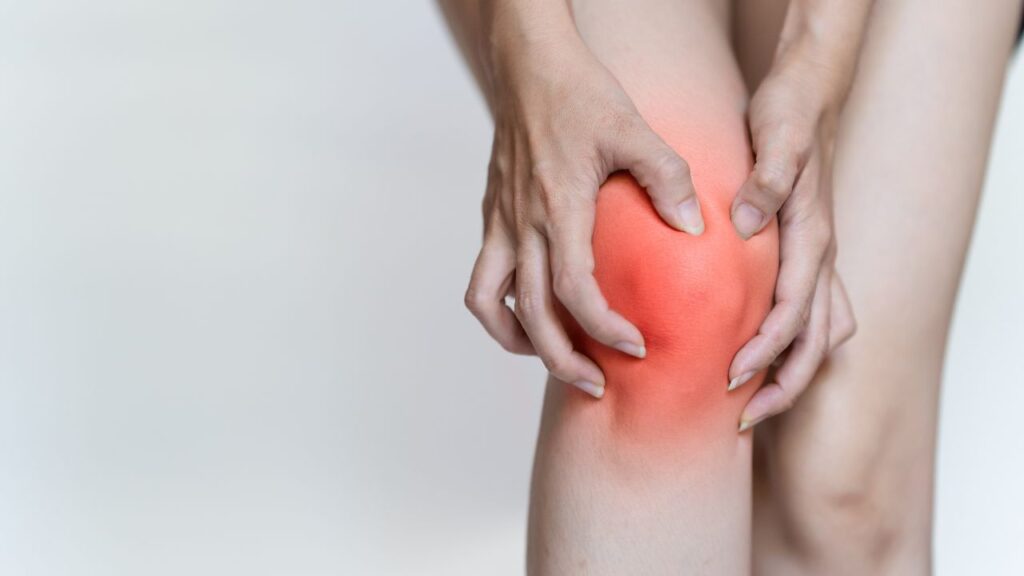
When exercise places too much stress on the joints, it can make movement feel uncomfortable or discouraging. This is especially true for people who are returning to exercise, managing old injuries, or trying to stay active as they age.
Choosing joint-friendly exercise does not mean avoiding challenge. It means finding movement that supports your body while still helping you build strength, confidence, and consistency.
That is one of the biggest benefits of exercising in the water.
Related Reads:
Protect Your Joints: How Water Supports Your Body
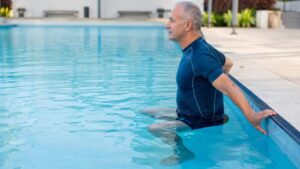
When you exercise in the pool, the water helps support part of your body weight. This can make movement feel lighter and reduce the pressure placed on areas like the knees, hips, ankles, and lower back.
This support can be especially helpful during exercises that may feel uncomfortable on land, such as squats, lunges, jumping movements, or balance work.
In the water, your body still moves, works, and strengthens — but with less pounding and strain.
That makes aqua fitness a smart choice for people who want to keep moving without feeling like they are constantly fighting against their body.
Related Reads:
Water Still Builds Strength
One of the biggest myths about aqua fitness is that it is only gentle or easy.
The truth is that water creates natural resistance. Every time you push, pull, sweep, kick, or press through the water, your muscles have to work against that resistance.
This means you can build strength using movements such as:
- Arm presses
- Leg lifts
- Water squats
- Core rotations
- Aqua jacks
- Kicks
- Resistance sweeps
- Balance exercises
The harder and faster you move through the water, the more resistance you create. This allows you to adjust the intensity based on your fitness level, comfort, and goals.
Related Reads:
Why Aqua Fitness Is Great for Low-Impact Strength Training
Low-impact does not mean low-results.
Aqua fitness can help improve strength, endurance, balance, coordination, and mobility while keeping movement supportive on the joints.
This is especially helpful for people who want to:
- Stay active without high-impact exercise
- Protect their knees, hips, ankles, or back
- Build strength in a more supportive environment
- Improve mobility and flexibility
- Return to movement after time away from exercise
- Feel more confident exercising again
- Add variety to their fitness routine
Because the water supports your body, many people find that they can move more freely in the pool than they can on land.
That freedom can make exercise feel less intimidating and more enjoyable.
Related Reads:
- How Water Exercises Improve Stability, Coordination & Everyday Movement
- Benefits of Pool Walking: Why Water Walking is Great for Your Health
Moving Smarter, Not Harder
Many people think that the only way to get stronger is to push harder, jump higher, lift heavier, or sweat more.
But smart movement is about choosing exercises that support your body while still helping you progress.
In the water, you can focus on controlled movement, posture, balance, and muscle engagement. You can slow things down when needed or increase intensity when you are ready.
That flexibility makes water workouts a great option for beginners, active adults, swimmers, and anyone looking for a more joint-friendly way to exercise.
Related Reads:
Start with Simple Water Movements
You do not need a complicated routine to begin. A few simple water exercises can help you feel the benefits of low-impact movement right away.
Try movements like:
- Marching in place
- Gentle arm sweeps
- Side steps
- Standing leg lifts
- Controlled kicks
- Water squats
- Core rotations
Focus on moving with control and paying attention to how your body feels. The goal is not to force movement. The goal is to build confidence, strength, and consistency over time.
Related Reads:
- Water Aerobics Exercises for Your Upper Body: 10 Effective Moves
- Pool Stretching Exercises for Back Pain and Flexibility
A Stronger Way to Move in the Water
Protecting your joints does not mean giving up on strength.
It means finding a form of movement that supports your body while still helping you feel stronger, more mobile, and more capable.
Aqua fitness offers a unique combination of support and resistance, making it one of the best options for low-impact strength training.
Whether you are new to water workouts, returning to exercise, or simply looking for a smarter way to move, the pool can be a powerful place to begin.
If you are ready to experience it for yourself, start with our free 15-minute aqua fitness workout and feel how strong low-impact movement can be.
Related Reads:
Try a Free 15-Minute Aqua Fitness Workout
Inside Legendary Swimmers, we believe movement in the water should feel supportive, effective, and empowering.
Our free 15-minute aqua fitness workout is a simple way to experience how water can help you build strength while protecting your joints.
Start in the pool, move at your level, and discover how powerful low-impact movement can feel.
Conclusion: Strength Does Not Have to Come at the Expense of Your Joints
Protecting your joints does not mean you have to stop building strength. It simply means choosing movement that supports your body while still helping you stay active, strong, and confident.
Water workouts offer a unique combination of support and resistance. The water helps reduce impact on the joints while still challenging your muscles through every push, pull, kick, and sweep. That is what makes aqua fitness such a powerful option for people who want to move smarter, protect their body, and build strength in a more sustainable way.
Whether you are new to exercise, returning after time away, managing old aches, or simply looking for a lower-impact way to stay consistent, the pool can be a supportive place to begin.
At Legendary Swimmers, our goal is to help you experience movement in the water in a way that feels effective, approachable, and empowering.
Ready to feel the difference?
Start with our free 15-minute aqua fitness workout and discover how strong low-impact movement can be.
Frequently Asked Questions About Joint-Friendly Water Workouts
1. Is aqua fitness good for your joints?
Yes, aqua fitness can be a great option for people looking for joint-friendly exercise. The water helps support part of your body weight, which may reduce pressure on areas like the knees, hips, ankles, and lower back. At the same time, the water provides resistance, so your muscles still have to work as you move.
2. Can you build strength with water workouts?
Yes. Water workouts can help build strength because water naturally resists movement. Every time you push, pull, kick, sweep, or press through the water, your muscles are working against resistance. You can also adjust the intensity by changing your speed, range of motion, or using water fitness equipment.
3. Are water workouts only for beginners or older adults?
No. Water workouts can be modified for many fitness levels. Beginners may use the water for support and confidence, while more advanced participants can increase intensity with faster movements, larger ranges of motion, intervals, or resistance tools. Aqua fitness can be gentle when needed, but it can also be challenging.
4.What makes water workouts low-impact?
Water workouts are considered low-impact because the buoyancy of the water helps reduce the amount of force placed on the body during movement. This can make exercises like squats, kicks, marches, and jumping-style movements feel more supportive than they may feel on land.
5.Can aqua fitness help if I have old injuries?
Aqua fitness may be helpful for people with past injuries because the water can provide a more supportive environment for movement. However, if you have an injury, pain, surgery history, or a medical condition, it is always best to check with a healthcare professional before starting a new exercise routine.
6.How often should I do water workouts?
This depends on your fitness level, goals, and how your body feels. Many people start with 1–3 water workouts per week and build from there. Consistency matters more than doing too much too soon. Starting with shorter, controlled workouts can help you build strength and confidence over time.
7.Do I need equipment for aqua fitness?
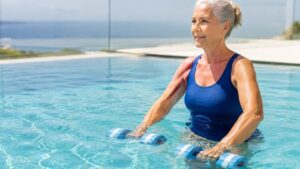
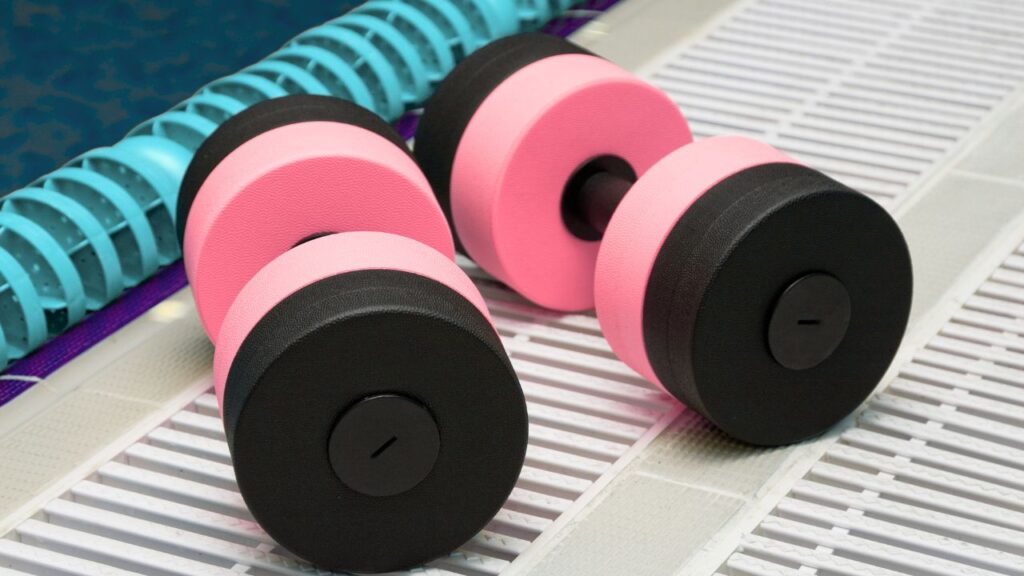
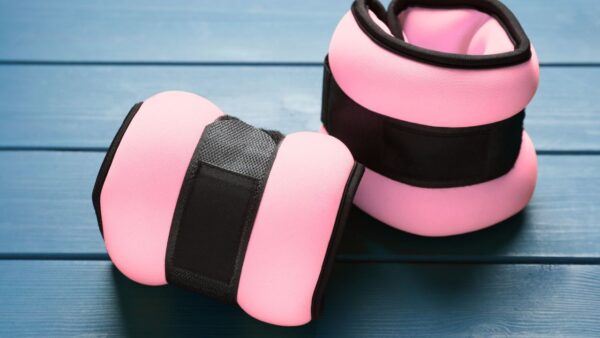
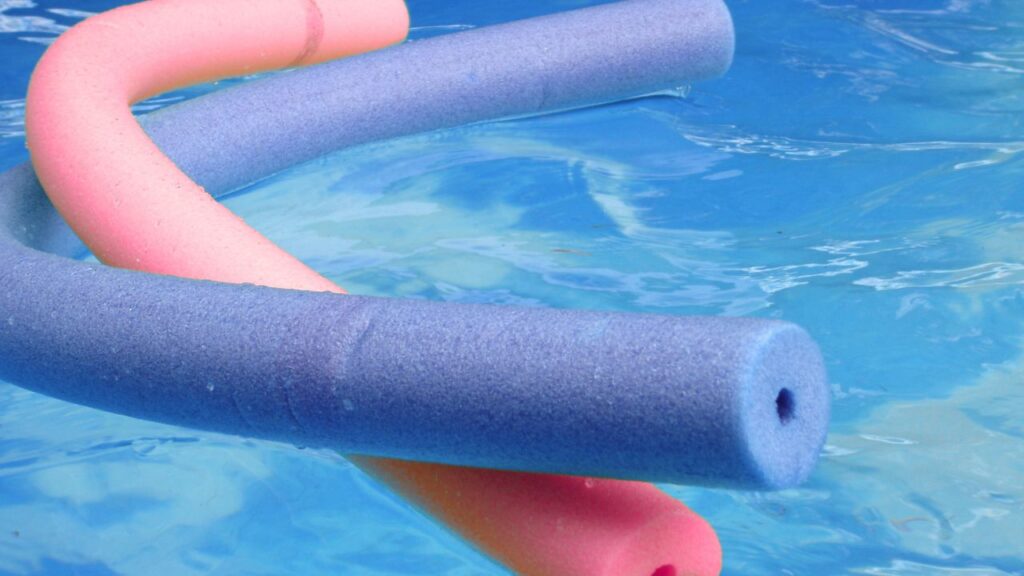
No, you can begin with bodyweight-style movements in the water, such as marching, arm sweeps, kicks, squats, and core rotations. Equipment like aqua dumbbells, resistance gloves, noodles, or flotation belts can add variety and intensity, but they are not required to start.
For more on the type of tools you can use, check out our guide on Top Water Weights for Pool & Resistance Workouts (2026)
8.Is aqua fitness a good option for healthy aging?
Yes. Aqua fitness can support strength, mobility, balance, coordination, and endurance in a low-impact environment. For many people, it offers a sustainable way to stay active while being kinder to the joints.
For more on the benefits of aquatic fitness as we age, check out our guide on Can Swimming Help Improve Balance as You Age?
References:
1. Mayo Clinic — Aquatic exercises
https://www.mayoclinic.org/healthy-lifestyle/fitness/in-depth/aquatic-exercise/art-20546802
This supports: water exercise is low-impact, takes pressure off joints and muscles, and water provides natural resistance.
2. Cleveland Clinic — Just Keep Swimming: 9 Health Benefits of Water Workouts
https://health.clevelandclinic.org/swimming-joint-friendly-and-good-for-the-heart
This supports: water provides buoyancy and resistance, making swimming/water workouts easier on the body than many land exercises.
3. Harvard Health — What makes water workouts so worthwhile?
https://www.health.harvard.edu/heart-health/what-makes-water-workouts-so-worthwhile
This supports: swimming and water aerobics are joint-friendly and can strengthen the cardiovascular system and muscles.
4. Harvard Health — Great exercise that’s easier on the joints
https://www.health.harvard.edu/pain/great-exercise-thats-easier-on-the-joints
This supports: exercising in water allows many similar movements to land exercise without applying the same force on the joints.
5. Arthritis Foundation — Hit the Pool to Relieve Joint Pain
https://www.arthritis.org/health-wellness/healthy-living/physical-activity/other-activities/hit-the-pool
This supports: pool movement, water walking, balance, and joint-friendly activity for people dealing with joint pain.
6. Mayo Clinic News Network — Water fitness: why aqua exercise works wonders
https://newsnetwork.mayoclinic.org/discussion/readymayo-clinic-q-and-a-water-fitness-why-aqua-exercise-works-wonders/
This supports: water viscosity creates resistance, and aquatic exercise can reduce joint stress while still offering a resistance-training workout.
7. Cleveland Clinic Newsroom — Health Benefits of Water Exercise
https://newsroom.clevelandclinic.org/2024/07/09/health-benefits-of-water-exercise
This supports: water movement can help people move joints without the same impact, which may make exercise more comfortable.
8. Research Review — Effects of Aquatic Exercises for Patients with Osteoarthritis
https://pmc.ncbi.nlm.nih.gov/articles/PMC8955208/
This supports: aquatic exercise-based interventions may help reduce pain and joint dysfunction and improve quality of life for people with osteoarthritis.