
Stronger in the Water. Stronger in Life.
Can Swimming Help Improve Balance as You Age?
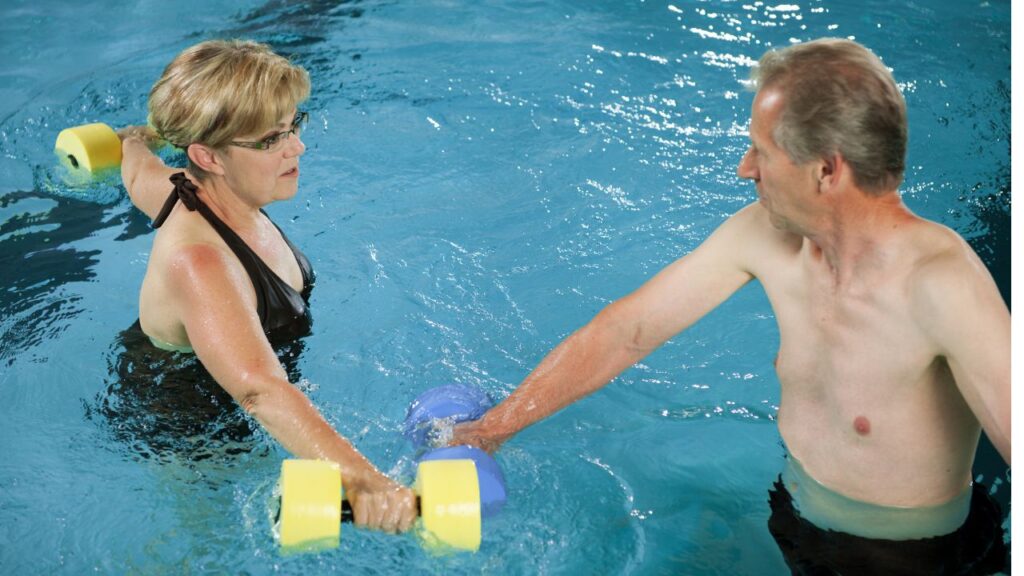
Can Swimming Help Improve Balance as You Age? Maintaining balance becomes increasingly important as we get older. Good balance supports everyday activities, helps reduce the risk of falls, and allows people to remain active and independent for longer.
While many people think of balance training as standing on one foot or performing specialized exercises, swimming and water-based exercise may also play a valuable role in supporting stability and coordination.
The unique properties of water create an environment that challenges balance differently than land-based exercise while reducing impact on the joints.
In this article, we’ll explore how swimming and aquatic movement can help support balance, mobility, and confidence as part of a healthy aging lifestyle.
Can Swimming Help Improve Balance as You Age?
As we age, several natural changes can affect balance:
- Reduced muscle strength
- Slower reaction times
- Changes in vision
- Reduced joint mobility
- Decreased coordination
These changes can make everyday activities more challenging and may increase the risk of falls.
The good news is that regular physical activity can help maintain many of the systems involved in balance and movement.
Related Reads:
How Water Creates a Unique Balance Challenge
Water constantly moves around the body.
Unlike standing on solid ground, the body must continuously make small adjustments to maintain position and control movement.
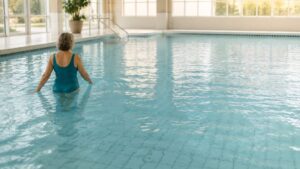
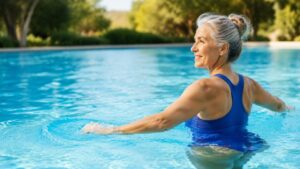
Whether swimming, walking in the pool, or performing aquatic fitness exercises, muscles throughout the body work together to stabilize posture and movement.
This ongoing feedback helps challenge:
- Core stability
- Body awareness
- Coordination
- Postural control
Related Reads:
Swimming Encourages Whole-Body Coordination
Swimming is not simply an arm exercise or a leg exercise.
Every stroke requires the body to coordinate:
- Breathing
- Arm movements
- Leg movements
- Body position
This coordination helps improve communication between muscles and the nervous system.
Over time, these movement patterns may help support overall body awareness and movement efficiency.
Water Resistance Helps Strengthen Stabilizing Muscles
Strong muscles play an important role in balance.
One advantage of water exercise is that water provides resistance in every direction.
Simple movements such as:
- Walking in water
- Aqua jogging
- Arm sweeps
- Leg raises
- Flutter kicks
all require muscles to work against resistance while maintaining control.
This can help strengthen many of the smaller stabilizing muscles that support posture and balance.
Related Reads:
How Water Exercises Improve Stability, Coordination & Everyday Movement
Water Can Build Confidence in Movement
Fear of falling can sometimes lead people to become less active.
Unfortunately, reduced activity often leads to further declines in strength and mobility.
The pool offers a supportive environment because buoyancy helps reduce the effects of gravity.
Many people find they can move more comfortably in the water than on land.
This increased confidence often encourages individuals to stay active and continue challenging their bodies safely.
Related Reads:
Swimming vs. Water Exercise for Balance
Both swimming and aquatic fitness can support balance in different ways.
Swimming
- Promotes coordination
- Improves body awareness
- Encourages rhythmic movement
- Develops full-body control
Aquatic Fitness
- Allows upright balance training
- Improves stability during standing movements
- Challenges weight shifting
- Mimics everyday movement patterns
Combining both approaches may provide the greatest overall benefit.
Additional Ways to Improve Balance
Swimming can be part of a larger balance-support plan that includes:
- Walking
- Strength training
- Stretching
- Mobility work
- Balance-specific exercises
Consistency is often more important than intensity.
Even a few sessions each week can contribute to long-term movement health.
Related Reads:
Can Swimming Prevent Falls?
Swimming alone cannot guarantee fall prevention.
However, swimming and aquatic exercise can help support many factors that contribute to balance, including:
- Strength
- Mobility
- Coordination
- Confidence
- Body awareness
These benefits may help individuals remain active and independent as they age.
Conclusion
So, can swimming help improve balance as you age?
While swimming is not a replacement for dedicated balance training, it can support many of the physical qualities that contribute to stability and movement confidence.
Combined with aquatic fitness, strength training, and regular movement, swimming can be an excellent addition to a healthy aging routine.
The pool provides a unique environment where people can challenge coordination, build strength, and maintain mobility while keeping exercise low-impact and joint-friendly.
Looking for a Simple Way to Practice Balance in the Water?
Our Swim & Sculpt approach combines swimming-inspired movement with low-impact aquatic exercises designed to improve strength, coordination, mobility, and confidence in the water.
If you’re curious about water-based training, try our free 15-minute workout and experience how the pool can challenge balance while remaining supportive on the joints.
FAQ
1.Does swimming help balance in older adults?
Swimming may help support balance by improving coordination, strength, body awareness, and overall movement confidence.
2.Is swimming better than walking for balance?
Both activities offer benefits. Swimming provides resistance and coordination challenges, while walking helps reinforce everyday movement patterns.
3.What is the best water exercise for balance?
Water walking, aqua jogging, leg raises, balance drills, and controlled aquatic fitness movements can all help challenge stability.
4.Can seniors improve balance through aquatic exercise?
Many older adults use aquatic exercise as part of a balanced fitness routine because water provides support while allowing movement in multiple directions.
5.Is swimming good for fall prevention?
Swimming may help improve strength, mobility, and coordination, which are all factors related to maintaining balance and reducing fall risk.
References
Centers for Disease Control and Prevention (CDC). Falls and Older Adults.
https://www.cdc.gov/falls/index.html
National Institute on Aging (NIA). Exercise and Physical Activity: Balance Exercises.
https://www.nia.nih.gov/health/exercise-and-physical-activity
National Institutes of Health (NIH). Aquatic Exercise and Physical Function in Older Adults.
https://pubmed.ncbi.nlm.nih.gov
Harvard Health Publishing. The Benefits of Swimming for Health and Fitness.
https://www.health.harvard.edu/exercise-and-fitness/swimming-is-great-exercise
Mayo Clinic. Exercise and Aging: How to Build Strength and Improve Balance.
https://www.mayoclinic.org/healthy-lifestyle/fitness
Arthritis Foundation. Benefits of Water Exercise for Joint Health and Mobility.
https://www.arthritis.org/health-wellness/healthy-living/physical-activity
American Council on Exercise (ACE). Water Fitness Training Principles and Benefits.
https://www.acefitness.org
World Health Organization (WHO). Physical Activity and Healthy Ageing.
https://www.who.int/news-room/fact-sheets/detail/physical-activity
Share:
More Posts
Start Training in the Water
Free Resources
Improve your swimming, build strength, or move with less impact using the water as your training space.
Choose a free resource below to get started.
Recommended Equipment
These are some of the swim training tools and aquatic fitness essentials commonly used to improve technique, build strength, and create a more effective experience in the water.
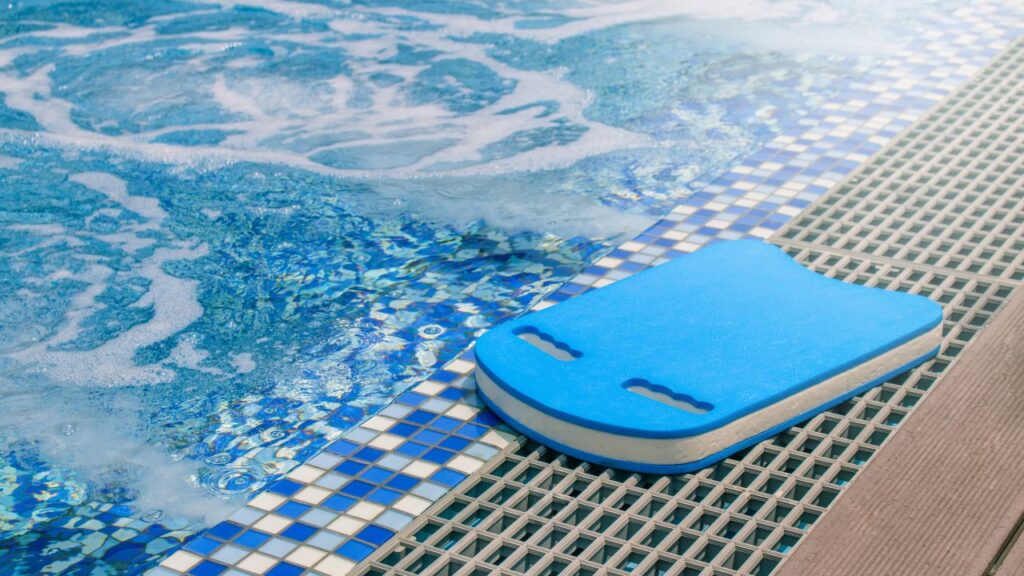
Kickboard Training
Helps improve kicking strength, body position, and lower-body endurance during swim practice.
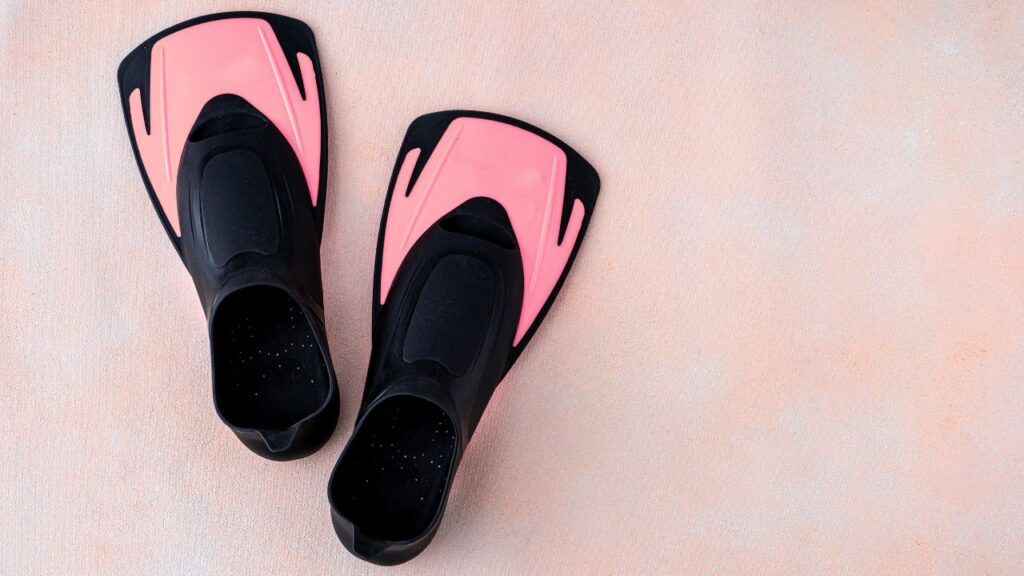
Swim Training Fins
Builds leg power, improves kick technique, and creating smoother movement through the water.
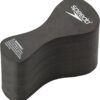
Pull Buoy Float
Supports upper-body focused swim training by helping stabilize the legs during drills and technique work.
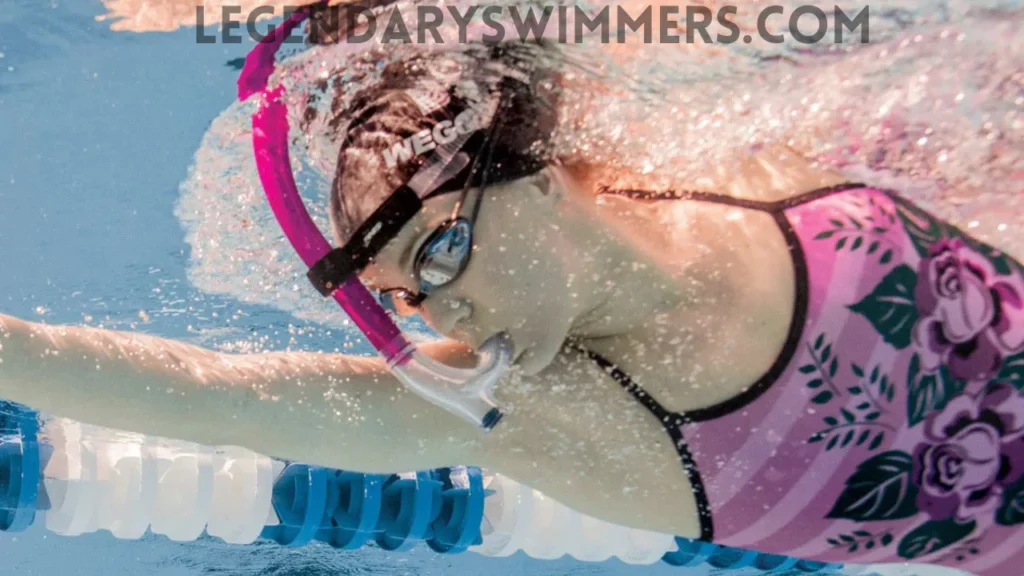
Front-Mount Swim Snorkel
Allows swimmers to focus on body position and stroke technique without turning to breathe.

Swim Goggles
Designed to improve underwater visibility and comfort during training, lap swimming, and aquatic workouts.

Swim Cap
Helps reduce drag, improve comfort, and keep hair more secure during swim training and aquatic workouts.
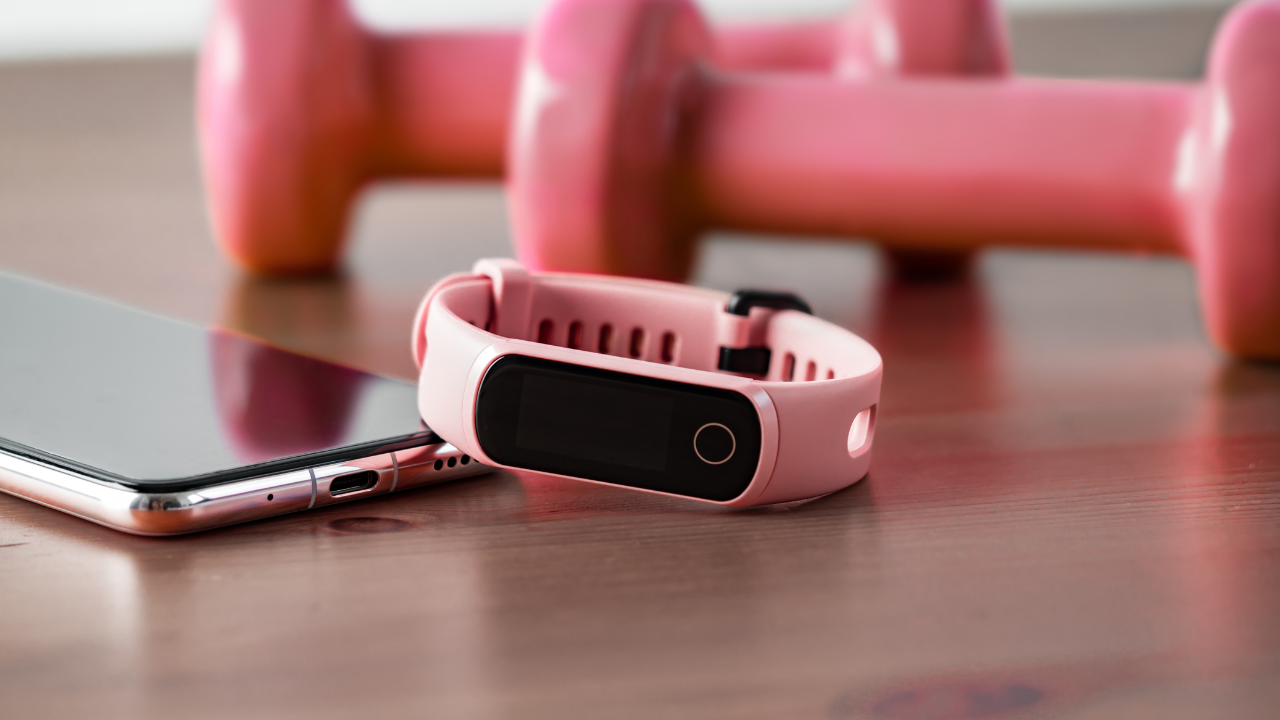
Waterproof Fitness Tracker
Tracks movement, activity, heart rate, and consistency during swimming, pool walking, and aquatic wellness routines.
Disclosure: Links above are affiliate links, meaning Legendary Swimmers may earn a small commission at no additional cost to you.
Choose How You Prefer to Train in Water
Whether you are here to improve your swimming, build strength, or move with less impact, Legendary Swimmers gives you simple ways to use the water as your training space.
Start with one of our free resources below and choose the path that fits how you want to move in the water.