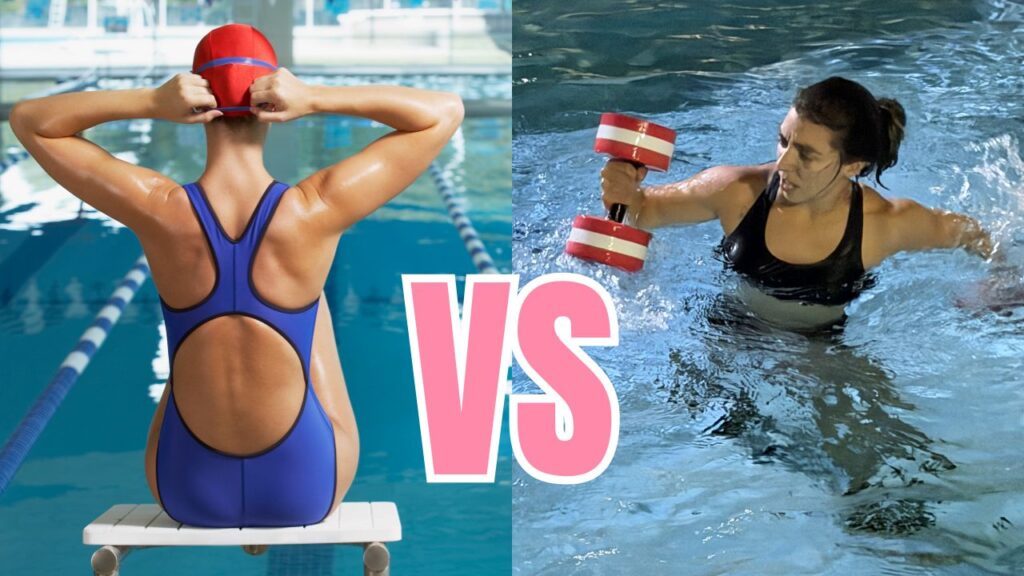
Swimming vs Aqua Fitness is a common comparison among people looking for an effective way to exercise in the water.
While both take place in the water and provide excellent health benefits, they are actually two very different forms of exercise.
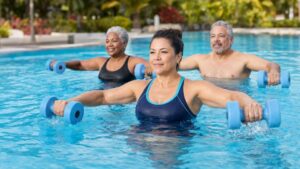
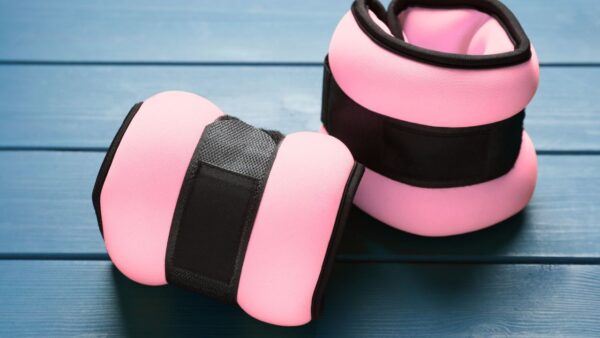
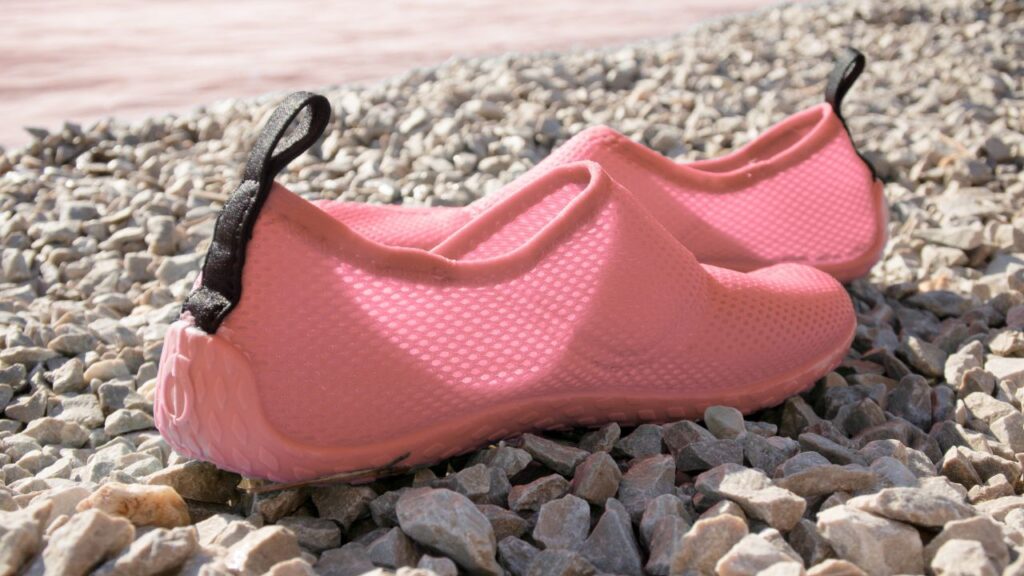
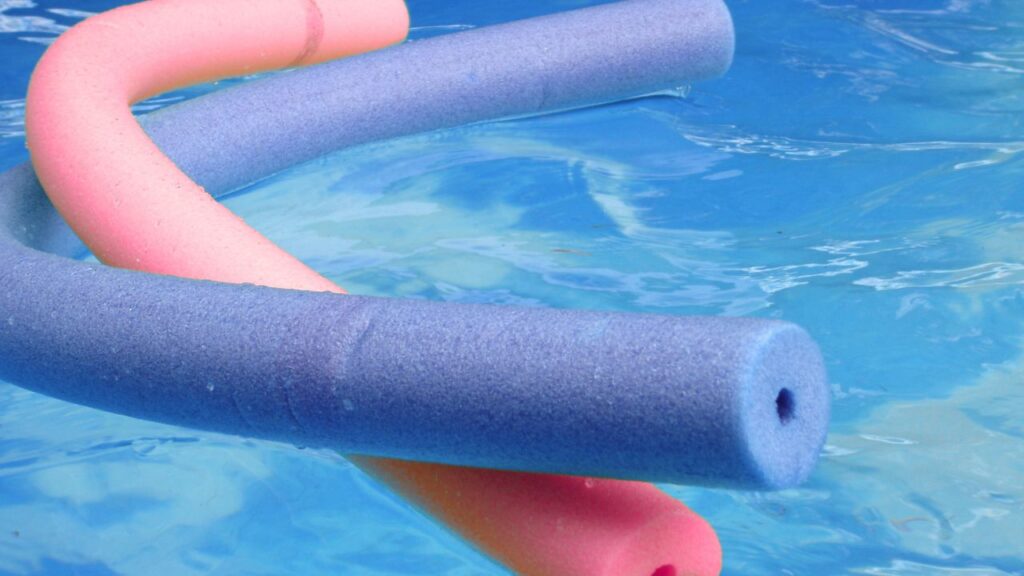
Swimming focuses on moving efficiently through the water using specific strokes such as freestyle, backstroke, breaststroke, and butterfly. Aqua fitness focuses on using the water as a resistance tool to build strength, improve mobility, support cardiovascular health, and create low-impact exercise opportunities for people of all fitness levels. It often takes familiar movements you may already know from the gym, such as presses, curls, squats, lunges, kicks, and core exercises, and adapts them into an aquatic version using the natural resistance of the water.
The good news is that you do not have to choose one over the other.
Both swimming and aqua fitness can play an important role in helping people stay active, build strength, improve endurance, and enjoy the many benefits of exercising in water.
In this guide, we will explore the differences between swimming and aqua fitness, the benefits of each, and how they can work together to support a healthier lifestyle.
What Is Swimming?
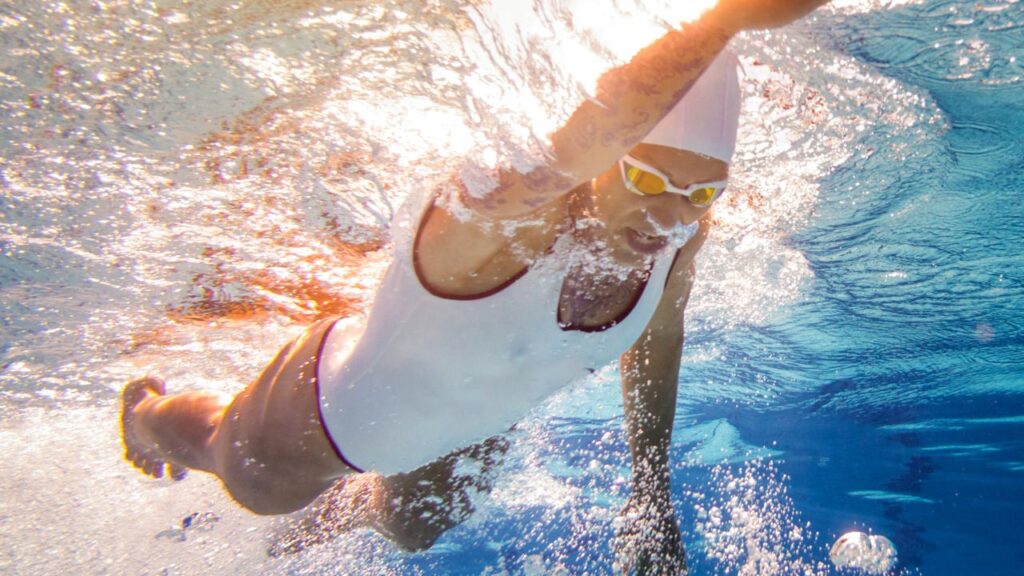
Swimming is a skill-based form of exercise that involves moving through the water using coordinated arm movements, kicking patterns, breathing techniques, and body positioning.
Many swimmers train to improve:
• Technique and efficiency
• Endurance
• Speed
• Cardiovascular fitness
• Water confidence
Swimming can range from recreational lap swimming to competitive training, making it suitable for people of all ages and ability levels.
Because swimming requires the entire body to work together, it is often considered one of the most complete forms of exercise available.
Related Reads:
- Essential Swimming Techniques for Beginners: Complete Guide
- Swimming for Bone Health: Combat Osteoporosis with Water Exercise
What Is Aqua Fitness?
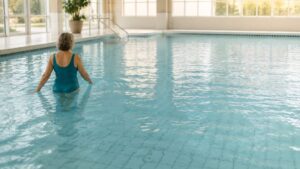
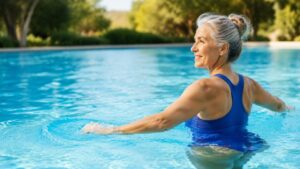
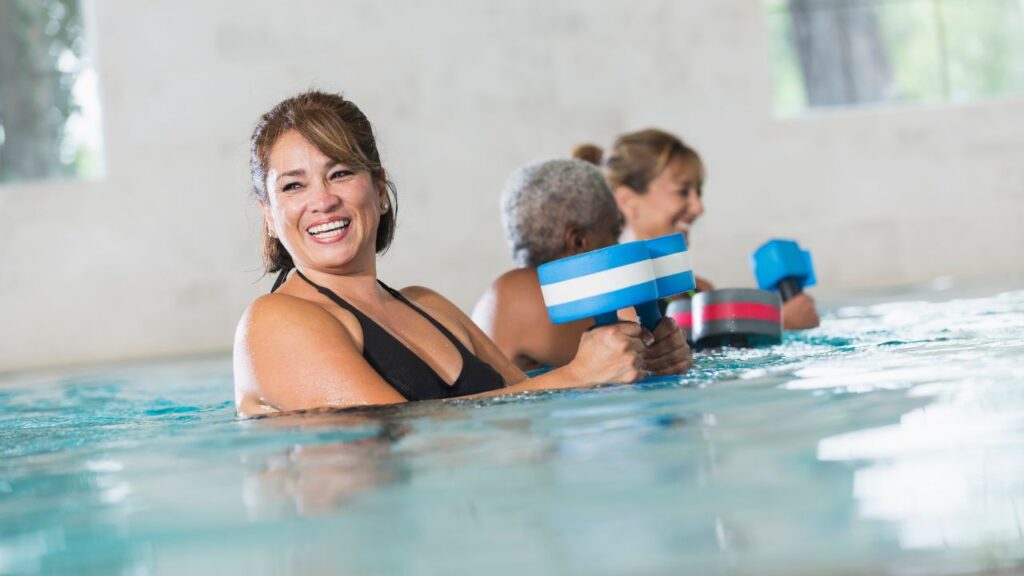
Aqua fitness uses the natural properties of water to create resistance-based exercise without requiring traditional swimming skills.
Instead of swimming laps, participants perform movements such as:
• Water walking
• Aqua jogging
• Resistance pressing
• Kicking drills
• Core exercises
• Balance exercises
• Mobility movements
The goal is not necessarily to travel across the pool but to use water resistance to challenge the muscles and cardiovascular system while reducing impact on the joints.
This makes aqua fitness especially appealing for beginners, older adults, individuals recovering from injury, and anyone looking for a low-impact way to stay active.
Related Reads:
- Why Low-Impact Water Workouts Support Strength & Longevity
- How Aquatic Exercises Boost Blood Circulation Naturally
- How Water Exercises Improve Stability, Coordination & Everyday Movement
Key Differences Between Swimming and Aqua Fitness
| Swimming | Aqua Fitness |
|---|---|
| Focuses on moving through water | Focuses on exercising in water |
| Technique-driven | Movement-driven |
| Often includes laps and stroke training | Often includes stationary exercises |
| Builds endurance and skill | Builds strength, balance, and mobility |
| Requires swimming ability | Often suitable for non-swimmers |
Benefits of Swimming
- Improves cardiovascular endurance
- Builds full-body coordination
- Enhances breathing control
- Develops stroke efficiency and skill
- Can improve athletic performance
Related Reads:
Breathing Techniques Tips for Efficient Swimming
Benefits of Aqua Fitness
- Joint-friendly exercise option
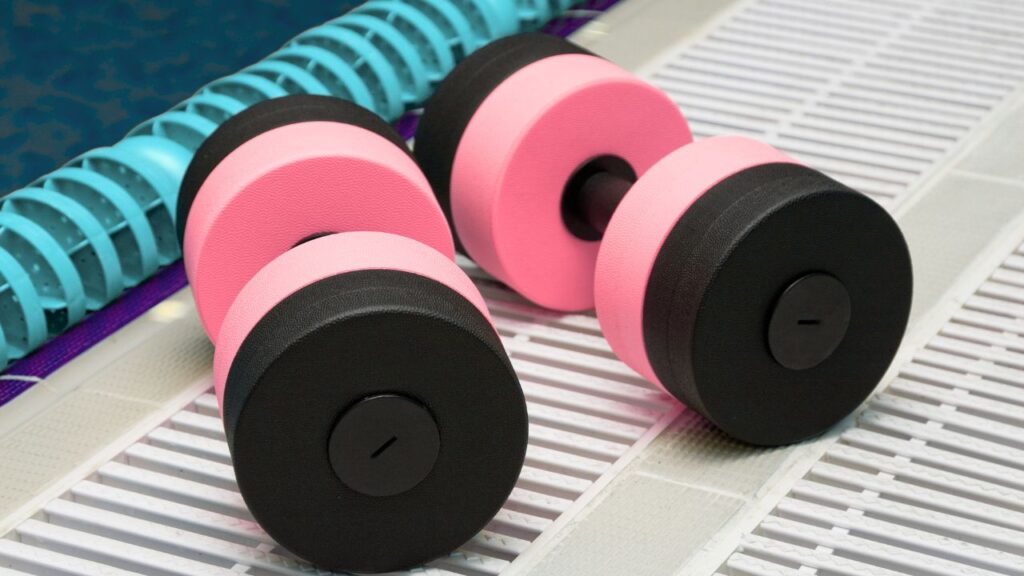
- Full-body resistance without heavy weights
- Supports balance and stability
- Can improve strength and muscular endurance
- Accessible for many fitness levels
Related Reads:
- How Water Exercises Improve Stability, Coordination & Everyday Movement
- Physical and Mental Health Benefits of Swimming – 2026
Many people think they must choose between swimming and aqua fitness.
In reality, combining both can create a well-rounded aquatic fitness routine.
Swimming helps improve technique, cardiovascular conditioning, and movement efficiency.
Aqua fitness helps build strength, stability, mobility, and muscular endurance.
Together, they create a balanced approach to water-based exercise that supports both performance and long-term health.
This combination is one of the reasons Swim & Sculpt was created—to blend swimming-inspired movement with strength-focused aquatic exercises that help people move with confidence in the water.
Not Interested in Swimming Laps? Try Aqua Fitness Instead
While swimming is an excellent form of exercise, it is not the only way to stay active in the water.
Many people enjoy the benefits of water-based exercise but do not necessarily enjoy swimming laps or learning swimming techniques. Aqua fitness offers an alternative approach by using familiar movements such as walking, jogging, squats, lunges, arm presses, and core exercises while taking advantage of the natural resistance and support provided by the water.
Whether your goal is to improve strength, build endurance, support joint health, or simply find a new way to stay active, aqua fitness can be an effective and enjoyable option.
If you would like to experience it for yourself, explore our Free 15-Minute Aqua Fitness Workout Demo and discover how the water can become your full-body training environment—without swimming a single lap.
Final Thoughts
Whether you enjoy swimming laps, participating in aqua fitness classes, or simply looking for a new way to stay active, the water offers incredible opportunities for movement and wellness.
Swimming develops skill, endurance, and efficiency.
Aqua fitness develops strength, stability, and low-impact conditioning.
Together, they can help create a sustainable approach to fitness that supports people at every stage of life.
Ready to experience both sides of aquatic training?
Download the free Swim & Sculpt Starter Series and discover how swimming-inspired drills and water resistance exercises can work together to build strength, control, and confidence in the water.
Frequently Asked Questions About Swimming and Aqua Fitness
1. Is swimming better than aqua fitness?
Neither is necessarily better. They simply have different goals.
Swimming focuses on stroke technique, endurance, breathing control, and moving efficiently through the water. Aqua fitness focuses on using water resistance to build strength, improve balance, support cardiovascular health, and create low-impact exercise opportunities.
Many people benefit from combining both.
2.Do you need to know how to swim to do aqua fitness?
In many cases, no.
Many aqua fitness exercises are performed in shallow water where participants can comfortably stand. Water walking, aqua jogging, resistance exercises, and balance drills can often be performed without swimming laps.
However, participants should always feel comfortable and safe in the water environment they are using.
3.Can aqua fitness help build strength?
Yes.
Water creates natural resistance in every direction. This means movements such as pressing, pulling, kicking, twisting, and walking through water can challenge muscles throughout the body while remaining gentle on the joints.
4.Is swimming or aqua fitness better for weight loss?
Both can support weight management when combined with healthy nutrition and consistent activity.
Swimming often emphasizes continuous cardiovascular exercise, while aqua fitness combines cardiovascular training with resistance-based movement. The best choice is usually the one you enjoy and can perform consistently.
5.Which is better for joint pain?
Many people find aqua fitness particularly beneficial because water helps support body weight and reduce impact on the joints.
This allows individuals to remain active while placing less stress on areas such as the knees, hips, ankles, and lower back.
6.Can older adults benefit from swimming and aqua fitness?
Absolutely.
Both activities can help support cardiovascular health, mobility, balance, strength, and overall physical function. Because water provides support and resistance simultaneously, aquatic exercise is often a popular option for adults looking for joint-friendly movement.
What is Swim & Sculpt?
Swim & Sculpt combines swimming-inspired drills with water resistance exercises to help improve strength, control, coordination, and confidence in the water.
It was designed to bring together the benefits of both swimming and aquatic fitness within one structured training approach.
Interested in trying it?
Download our free 3-Day Swim & Sculpt Starter Guide, complete with step-by-step video demonstrations you can follow at your own pace.
References
- Centers for Disease Control and Prevention (CDC) – Benefits of Physical Activity
- Harvard Health Publishing – Swimming: What It Can Do for Your Health
- National Institutes of Health (NIH) – Aquatic Exercise Research Database
- American Council on Exercise (ACE) – Aquatic Exercise Benefits and Training Principles
- Mayo Clinic – Exercise and Physical Activity for Healthy Aging
- Arthritis Foundation – Benefits of Water Exercise
- National Institute on Aging – Exercise and Physical Activity Guide