
Stronger in the Water. Stronger in Life.
Burn Calories Swimming in 30 Minutes: Top Fitness Tips
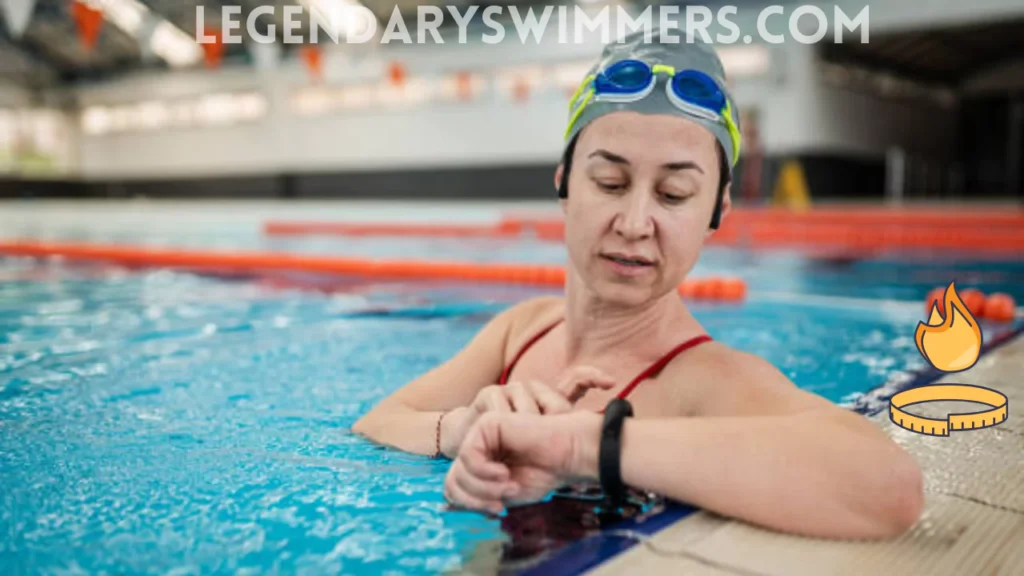
Did you know that swimming for 30 minutes can burn a significant number of calories, around 250 for an average session? Swimming activates nearly all major muscle groups and offers a refreshing way to stay fit, especially in warmer weather. It’s also an effective full-body workout. It combines cardio fitness, strength training, and calorie burn. Swimming laps or practicing strokes can burn calories with great efficiency. Knowing the factors that affect calorie burn helps you improve your swim workouts. This post explores the benefits, factors, and strategies for calorie expenditure in swimming. Finally, find ways to enhance your swim training for better fitness results.
Benefits of Swimming for Calorie Burn
Swimming isn’t just a summer activity—it’s an effective, low-impact full-body workout. It helps burn calories and boosts fitness.
- Full-Body Engagement: Swimming works almost all muscle groups, like your arms, shoulders, core, and legs. It’s a great full-body exercise.
- Low-Impact Exercise: The buoyant nature of water reduces pressure on your joints and muscles, making movement gentler and more comfortable. It’s perfect for anyone recovering from injuries or seeking low-impact workouts.
- Cardiovascular Workout: Swimming increases your heart rate and improves lung function. It improves cardiovascular health while burning calories.
- Consistent Calorie Burn: When you tread water or swim laps, the resistance of the water causes a continuous calorie burn.
Factors Affecting Calorie Burn in Swimming
Many variables play a role when it comes to calorie burn during swimming. Understanding these factors permits you to tailor your exercise for the quality consequences.
Body Weight
Your body weight plays a major role in determining how many calories you burn while swimming. A heavier person usually burns more calories than a lighter one. This is because their body needs more energy to float and move in the water. Harvard Medical School estimates a 155-pound person burns about 216 calories in a 30-minute swim. In contrast, a 185-pound person can burn around 252 calories.
Swimming Conditions
- Water temperature: Swimming in cooler water may require greater energy as your body works to maintain its core temperature.
- Water Resistance: When water is deeper or rougher, it adds resistance. This makes your muscles work harder and helps burn more calories.
Stroke Type
Different swimming strokes vary in their calorie expenditure. The intensity and efficiency of each swimming stroke can significantly influence calorie burn.
Calorie Burn by Swimming Stroke (30 Minutes)
| Swimming Stroke | Calories Burned (Approx.) |
| Freestyle | 300 calories |
| Breaststroke | 200 calories |
| Backstroke | 250-300 calories |
| Butterfly | 400+ calories |
Freestyle
One of the quickest and best strokes for burning energy is the freestyle. Its continuous arm and leg movements can burn around 300 calories in 30 minutes for a 155-pound swimmer.
Breaststroke
Breaststroke is a bit slower, but it’s great for burning calories. It’s also perfect for beginners. Swimming breaststroke for 30 minutes can burn approximately 200 calories.
Backstroke
The backstroke provides a great balance between calorie burn and relaxation, engaging your core and back muscles. Anticipate to burn between 250 and three hundred calories in half an hour.
Butterfly
Butterfly is the most demanding stroke, and also the one that burns the most calories. Intense and energy-demanding, it can burn over 400 calories in a 30-minute session for a 155-pound swimmer.
Utilizing the MET Formula for Calorie Estimation
The MET (Metabolic Equivalent of Task) formula estimates how many calories you burn during various activities. A MET score indicates how much energy an activity requires compared to resting.
How to Use MET for Swimming
Here’s how to estimate calorie burn for swimming using the MET formula:
- Find the MET value for your swimming stroke. For instance, freestyle swimming at a moderate pace is usually rated at 6 METs.
- Calculate the calories burned using this formula:
Calories Burned = MET × Body Weight (kg) × Time (hours)
Example:
- Body weight = 70 kg
- MET = 6 (Moderate Freestyle Swimming)
- Time = 0.5 hours (30 minutes)
Calories Burned = 6 × 70 × 0.5 = 210 calories
Enhancing Calorie Burn Through Technique
Interval Training in Swimming
HIIT, or high-intensity interval training, alternates fast and slower swimming laps or treading water. It endures calorie burns because the metabolic process rates increase and supports cardiovascular fitness.
Importance of Stroke Variation
Switching between swimming strokes in a workout helps you use different muscle groups. This prevents fatigue and burns more calories.
Comparing Swimming to Other Exercises
Swimming vs. Running
It can also be kinder on the joints, as swimming is a low-impact workout that works the whole body. Also, running uses fewer muscle groups than swimming because of the nature of the sport.
Swimming vs. Cycling
Both swimming and cycling help in improving heart wellbeing. Yet, swimming has an edge. Thanks to the water resistance, this creates muscle groups even stronger than bicycle ones.
Benefits of Swimming Beyond Calorie Burn
Cardiovascular Health
Swimming often boosts heart health. It helps reduce the risk of heart disease and other cardiovascular problems.
Muscle Strength
Pushing and pulling against water resistance builds your muscles. This improves your body shape.
Joint and Muscle Stress Reduction
The buoyancy of water reduces pressure on your joints, making swimming a perfect rehabilitation workout.
Tools for Tracking Swimming Success
Calorie Calculators
Apps like the Calorie Burn Rate Calculator and the Physical Activity Calorie Counter can help estimate calorie expenditure during swim workouts.
Fitness Trackers
Wearables like Fitbit or Garmin feature swim-tracking modes to measure laps, calories burned, and heart rate.
Ready to Make a Splash in Your Fitness Journey?
Swimming offers a unique mix of benefits. It provides easy access to calories while being low-impact. The gentle, rhythmic movements boost cardiovascular fitness too. But mix it up, sprinkle in some intervals, and log your training. That is how you will get more profit out of it, and global chances for swimming will become a great weapon for weight loss.
FAQs
- How many calories can you burn swimming for 30 minutes?
Swimming for 30 minutes can burn between 200 and 400+ calories, depending on weight, stroke, and intensity. Heavier swimmers generally burn more calories, with strokes like butterfly burning the most.
- What swimming stroke burns the most calories?
The butterfly stroke burns the most calories in a 30-minute session, with an estimated 400 calories burned for a 155-pound swimmer. Its high intensity and energy demand make it the most effective stroke for calorie expenditure.
- Does swimming help with weight loss?
That would be true; swimming is the best full-body workout. This speeds up metabolism and calorie burning and assists with weight loss. Different strokes and styles can improve the calorie-burning potential of your swim.
- How does water temperature affect calorie burn in swimming?
Swimming in cooler water requires more energy to maintain body temperature, resulting in a higher calorie burn. The body works harder in cold water, increasing the effort needed for each movement.
- Can swimming improve cardiovascular health?
Regular swimming boosts heart rate and lung capacity, improving cardiovascular health. The resistance from water enhances circulation, making swimming a powerful, low-impact cardiovascular workout.
References:
Share:
More Posts
Start Training in the Water
Free Resources
Improve your swimming, build strength, or move with less impact using the water as your training space.
Choose a free resource below to get started.
Recommended Equipment
These are some of the swim training tools and aquatic fitness essentials commonly used to improve technique, build strength, and create a more effective experience in the water.
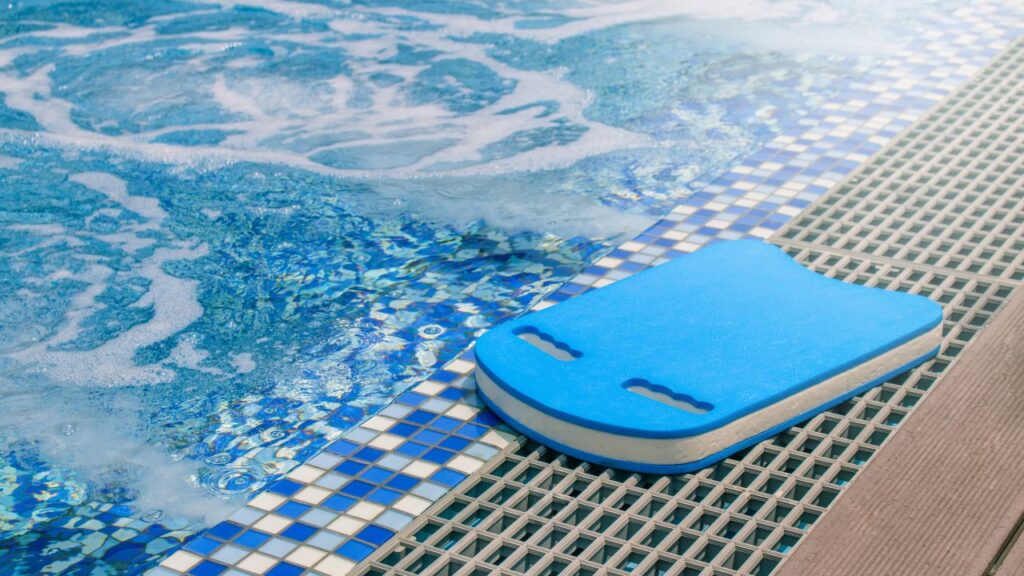
Kickboard Training
Helps improve kicking strength, body position, and lower-body endurance during swim practice.
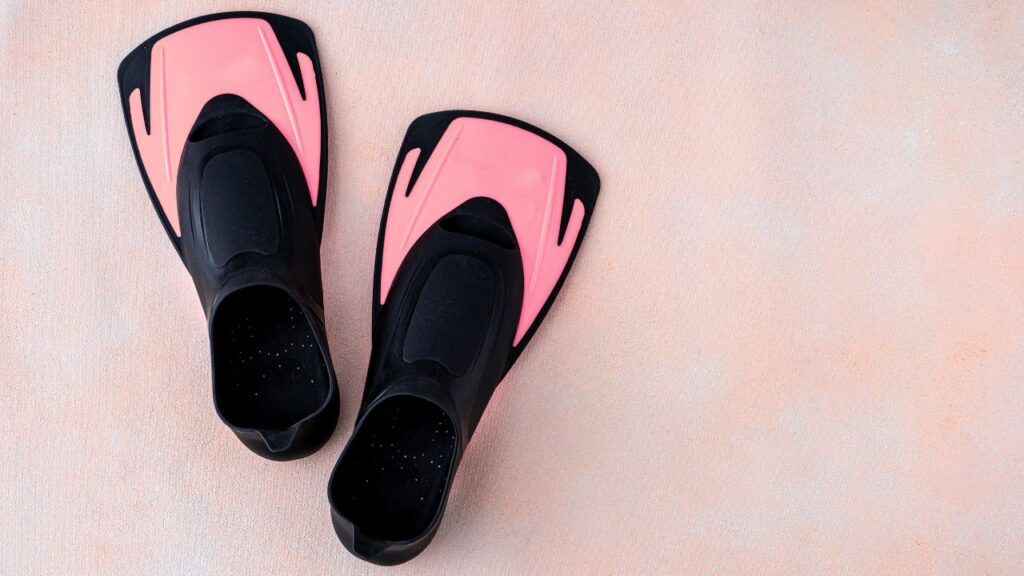
Swim Training Fins
Builds leg power, improves kick technique, and creating smoother movement through the water.
Pull Buoy Float
Supports upper-body focused swim training by helping stabilize the legs during drills and technique work.
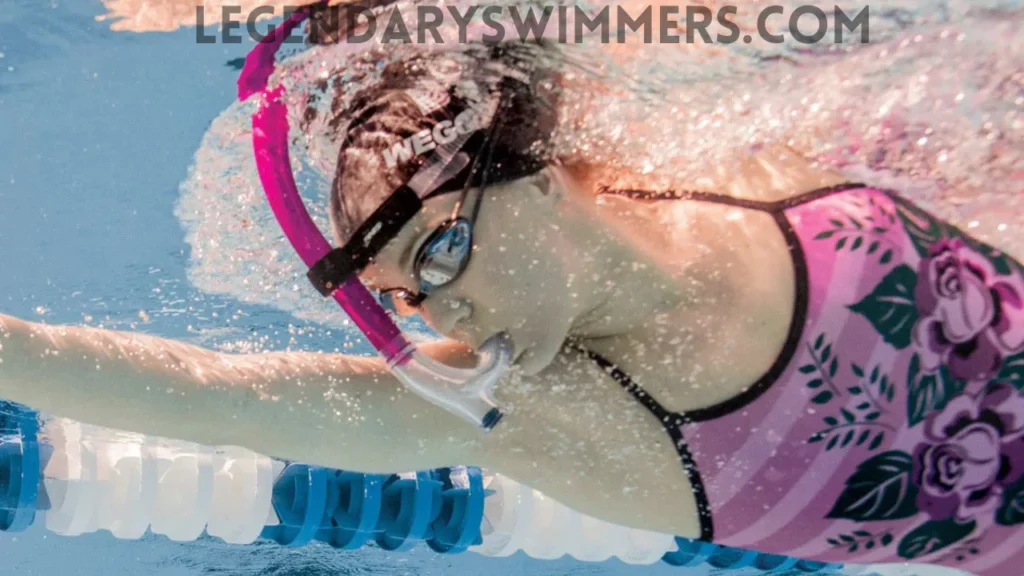
Front-Mount Swim Snorkel
Allows swimmers to focus on body position and stroke technique without turning to breathe.

Swim Goggles
Designed to improve underwater visibility and comfort during training, lap swimming, and aquatic workouts.

Swim Cap
Helps reduce drag, improve comfort, and keep hair more secure during swim training and aquatic workouts.
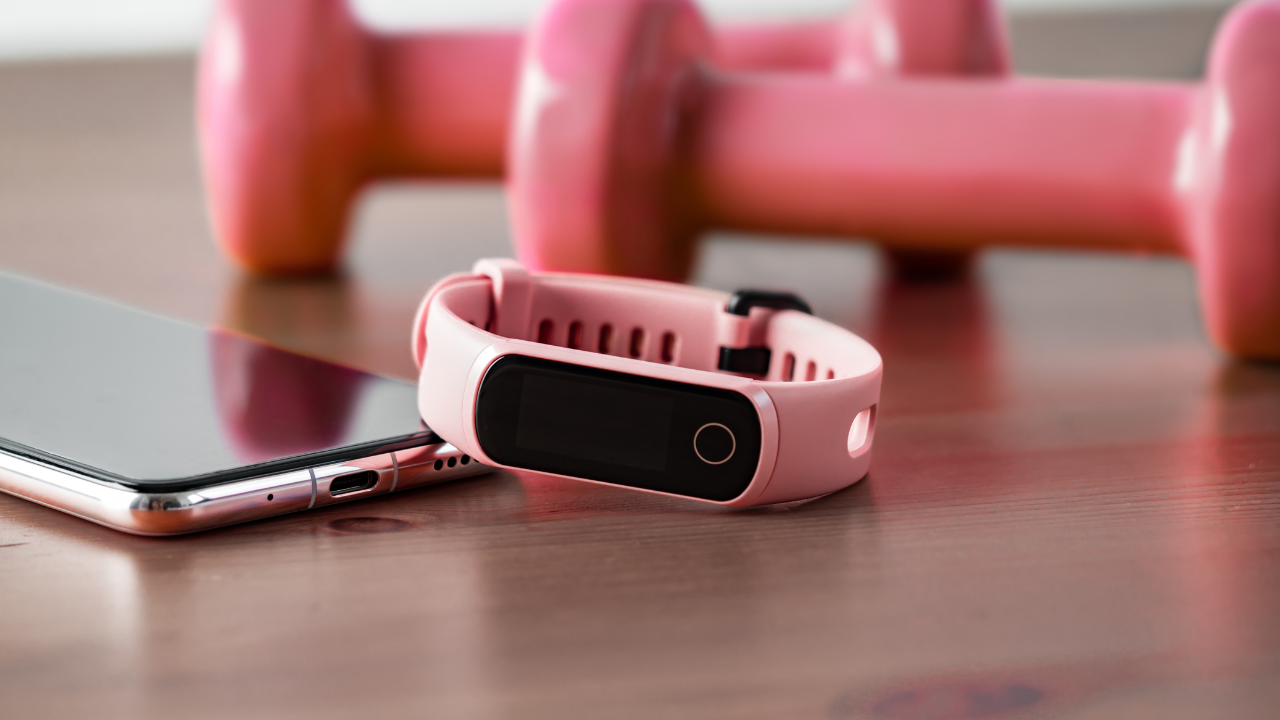
Waterproof Fitness Tracker
Tracks movement, activity, heart rate, and consistency during swimming, pool walking, and aquatic wellness routines.
Disclosure: Links above are affiliate links, meaning Legendary Swimmers may earn a small commission at no additional cost to you.
Choose How You Prefer to Train in Water
Whether you are here to improve your swimming, build strength, or move with less impact, Legendary Swimmers gives you simple ways to use the water as your training space.
Start with one of our free resources below and choose the path that fits how you want to move in the water.