
Stronger in the Water. Stronger in Life.
Why Do Elite Swimmers Have Long Torsos? Genetics, Training & Performance

Why do swimmers have long torsos? If you’ve ever watched Olympic swimming or spent time around competitive swimmers, you’ve probably noticed that many elite swimmers seem to have longer torsos, broad shoulders, and relatively shorter legs.
This isn’t just an illusion. Many successful swimmers do share body proportions that can provide advantages in the water. But does swimming actually make your torso longer, or are elite swimmers simply born with these traits?
The answer is a combination of genetics, body structure, and biomechanics. In this article, we’ll explore why long torsos are common among swimmers, how body proportions affect swimming performance, and what this means for swimmers of all levels.
The Biomechanics of the Swimmers Body
The Long Torso Advantage: Physics in the Water
The physics of swimming explains why a long torso provides a competitive edge in the water. Water creates approximately 800 times more resistance than air, making hydrodynamics a crucial factor in swimming performance. Here’s why torso length matters:
Reduced Drag Profile
A longer torso with proportionally shorter legs creates a more streamlined shape in the water. Dr. Stager has extensively discussed the impact of body morphology on swimming performance. For instance, in the Handbook of Sports Medicine and Science: Swimming, he explores how a swimmer’s body shape and size influence hydrodynamics and drag.
Research Gate indicates that swimmers with longer torsos experience up to 5-7% less drag than those with shorter torsos of the same height, a significant advantage over race distances.
Improved Buoyancy Distribution
Longer torsos distribute buoyancy more effectively across the body’s length. The human torso naturally contains the lungs and a higher percentage of body fat compared to limbs, making it more buoyant than legs. A longer torso essentially provides a larger “float” in the water, helping to keep the body horizontal and reducing the energy needed to maintain proper position.
For instance, in the Swimming Science Bulletin, it’s noted that a streamlined, horizontal body position minimizes form resistance and energy cost, aligning with the principles discussed in Dr. Cappaert’s research.
Greater Surface Area for Propulsion
The torso serves as the core connection between the upper and lower body propulsive forces. A longer torso provides:
- Extended reach in strokes like freestyle and backstroke
- Increased surface area for the underwater pull phase
- More effective power transfer between arm and leg movements
- Enhanced ability to generate undulating movements in butterfly and breaststroke
Studies show that for every 1% increase in torso length relative to total height, swimmers generate approximately 0.8% more propulsive force during the pull phase of strokes. [Research Gate]
Resistance training in the pool can also improve stroke power and muscular endurance.
Looking to build swimming-specific strength? Explore our Swim & Sculpt training approach, which combines swim technique and water resistance exercises to improve strength, endurance, and movement efficiency in the pool.
Nature vs. Nurture: Are Long Torsos Genetic or Developed?
The question of whether swimmers have long torsos because they’re naturally selected for the sport or whether swimming helps develop this characteristic has fascinated sports scientists for decades.
The Genetic Component
Research strongly suggests that the primary factor is genetic selection—individuals with naturally longer torsos tend to excel at swimming and therefore progress to elite levels. A comprehensive study of Olympic swimmers found that:
- Elite swimmers typically have torso-to-leg ratios approximately 5-10% higher than the general population
- This characteristic is typically present before intensive training begins
- Similar body types often appear within swimming families, suggesting genetic inheritance
The Training Effect
While the primary factor appears to be genetic selection, there is evidence that early, intensive swimming training may influence body development to some degree:
- Swimming during developmental years may encourage somewhat greater trunk development relative to limbs
- The horizontal position and reduced impact of swimming allows for different growth patterns compared to weight-bearing sports
- Core muscle development from swimming can enhance posture, creating the appearance of a longer torso
Dr. Joyner has discussed the relationship between body morphology and athletic performance. In his blog post “Size Makes a Difference: Gymnastics and Swimming,” he notes that swimmers tend to be taller, suggesting that body size and proportions can influence performance in different sports
Comparative Body Types Across Swimming Strokes
Interestingly, the ideal body proportions vary somewhat across different swimming disciplines:
Freestyle and Backstroke Specialists
These swimmers typically display the most pronounced long-torso advantage, with proportions that include:
- Longer arms relative to height (greater “wingspan”)
- Slim hips and shoulders broader than hips
- Torso length approximately 52-54% of total height (compared to average 48-50%)
Strong body position and core control also play a major role in freestyle efficiency, regardless of natural body proportions. Many swimmers also combine swim training with water resistance exercises to improve strength, balance, and movement efficiency in the pool.
Related Reads:
Breaststroke Specialists
Breaststroke swimmers often show slight variations from the classic “long torso” model:
- Still benefit from longer torsos but may have proportionally stronger legs
- Often have exceptional ankle flexibility (external rotation capability)
- Typically possess greater hip flexibility for the whip kick
Related Reads: Breaststroke Speed and Efficiency Techniques for Faster Swimming
Butterfly Specialists
Butterfly swimmers commonly display:
- Long torsos with well-developed core musculature
- Powerful shoulders with exceptional flexibility
- Strong, flexible lower back to facilitate the undulating motion
The relatively stronger core development in butterfly specialists sometimes creates the appearance of a slightly shorter torso, though the underlying proportional advantage remains.
Related Reads: Best Swimming Stroke for Abs | Expert Tips
Beyond the Torso: Other Physical Traits of Elite Swimmers
While torso length is significant, several other physical characteristics commonly appear in elite swimmers:
Hand and Foot Size
Larger hands and feet serve as natural paddles and fins, increasing the surface area available for propulsion through water. Olympic swimmers typically have hand and foot sizes in the 75th percentile or higher for their height.
Joint Flexibility
Exceptional joint flexibility, particularly in the shoulders, ankles, and knees, allows swimmers to:
- Achieve greater range of motion during strokes
- Create more effective pulling and kicking angles
- Reduce drag during recovery phases
- Generate more powerful propulsion
A study in Frontiers in Sports and Active Living highlighted the impact of ankle joint flexibility on swimming velocity and kick efficiency, emphasizing its importance in performance.
Shoulder mobility and flexibility are essential for efficient swimming mechanics. Learn more on how swimming improves posture.
Body Composition
Successful swimmers typically have:
- Lower body fat percentages than the general population (but higher than runners)
- Lean muscle mass distributed for swimming efficiency
- Natural buoyancy levels that support horizontal body position
The optimal body fat percentage for elite male swimmers ranges from 5-10%, while female elite swimmers typically maintain 14-19%—slightly higher than other endurance athletes but providing important buoyancy benefits.
Looking to build strength in the water? Explore our guide on water aerobic exercises.
Many swimmers also use water resistance workouts to improve balance, core stability, and overall strength while reducing impact on the joints. This is where Swim & Sculpt can help, by pairing swim-focused movement with water resistance exercises that build strength, balance, and better control in the pool.
Implications for Swimming Development and Training
Understanding the relationship between body proportions and swimming performance has important implications:
Talent Identification
Many national swimming programs now include anthropometric measurements (body proportions) in their talent identification protocols. While controversial due to concerns about discouraging potential late bloomers, these programs often look for:
- Above-average torso-to-leg ratios
- Greater than average arm spans
- Hand and foot size relative to height
- Natural flexibility, particularly in shoulders and ankles
Training Adaptations
Coaches increasingly tailor training approaches based on body proportions:
- Swimmers with ideal proportions may focus more on technical refinement
- Those with less ideal proportions often compensate through specific strength training
- Stroke modifications sometimes accommodate different body types
Psychological Considerations
Understanding the role of body proportions helps swimmers and coaches set realistic expectations:
- Athletes without the “classic swimmer’s build” may need to work harder on technique
- Recognizing physical advantages and limitations allows for more targeted training
- Appropriate goal-setting based on physical potential improves motivation
Swimming Success Beyond Body Type
While the long-torso advantage is significant, swimming history is filled with champions who succeeded despite less-than-ideal proportions:
- Janet Evans, multiple Olympic gold medalist, stood just 5’5″ with relatively average proportions
- Kosuke Kitajima, breaststroke world record holder, succeeded with a more compact build through exceptional technique and power
These examples demonstrate that technique, mental toughness, and training dedication can sometimes overcome biomechanical disadvantages.
The Future: Swimming Biomechanics and Body Types
The understanding of how body proportions affect swimming performance continues to evolve:
- Advanced computational fluid dynamics now model how specific body shapes move through water
- 3D motion capture systems analyze how different proportions affect stroke mechanics
- Genetic research explores the heritability of the physical traits that benefit swimmers
These advancements may eventually lead to even more personalized approaches to technique and training based on individual body proportions.
Swimming Performance Starts With Efficient Movement
While body proportions can influence swimming performance, efficient movement in the water matters far more for most recreational swimmers. Developing core strength, balance, body position, and water confidence can help swimmers of all body types move more efficiently.
Common Myths About the Swimmer’s Body
Myth:
Swimming physically lengthens your torso
Reality:
Swimming does not literally stretch bones or increase torso length. Elite swimmers are often genetically predisposed to longer body proportions.
Myth:
You need the perfect body to become a good swimmer
Reality:
Technique, consistency, conditioning, and confidence matter enormously.
FAQ:
Does swimming make your torso longer?
No, swimming does not physically lengthen bones, but it can improve posture and emphasize natural body proportions.
Why do Olympic swimmers look taller?
Elite swimmers often have naturally long torsos, wide shoulders, and lean muscle distribution that create a taller appearance.
Can you become a good swimmer without the ideal body type?
Absolutely. Technique, conditioning, and training consistency play major roles in swimming performance.
Which swimming stroke benefits most from a long torso?
Freestyle and backstroke typically benefit the most due to streamlined positioning and rotational mechanics.
Conclusion
Having a long torso can give swimmers a hydrodynamic edge—but it’s just one piece of the puzzle. Great swimming also depends on technique, mindset, smart training, and strong support.
Whatever your body type, learning how to move efficiently in the water is what really counts. The best swimmers play to their strengths and work around their limits.
Swimming and aquatic fitness both rely heavily on posture, core engagement, and efficient body positioning in the water. Structured water workouts can help swimmers and beginners improve strength, mobility, and overall confidence in the pool.
Want to dive deeper? Check out our articles on breaststroke efficiency, freestyle technique, and top training gear—only at Legendary Swimmers.
References
Share:
More Posts
Start Training in the Water
Free Resources
Improve your swimming, build strength, or move with less impact using the water as your training space.
Choose a free resource below to get started.
Recommended Equipment
These are some of the swim training tools and aquatic fitness essentials commonly used to improve technique, build strength, and create a more effective experience in the water.
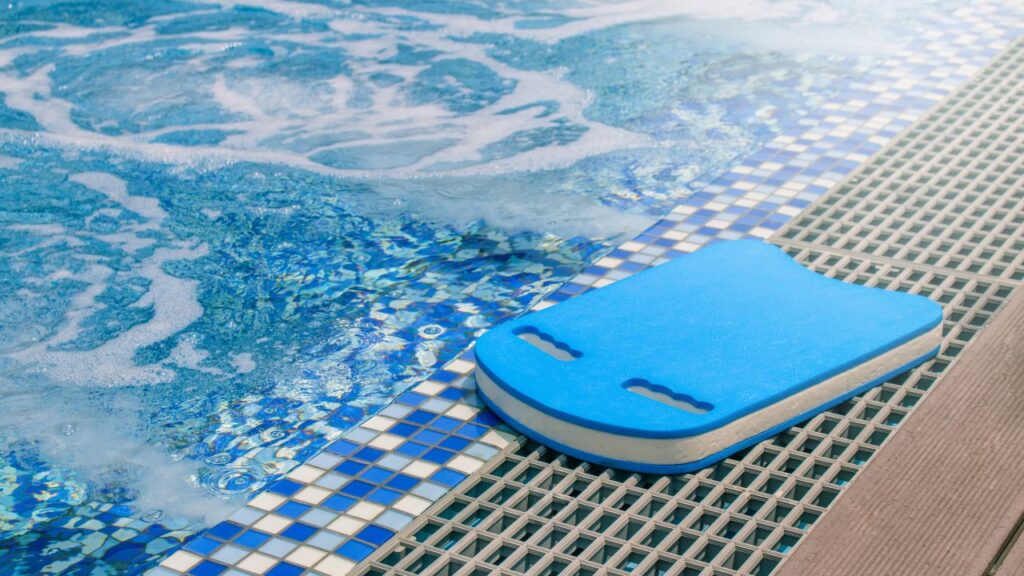
Kickboard Training
Helps improve kicking strength, body position, and lower-body endurance during swim practice.
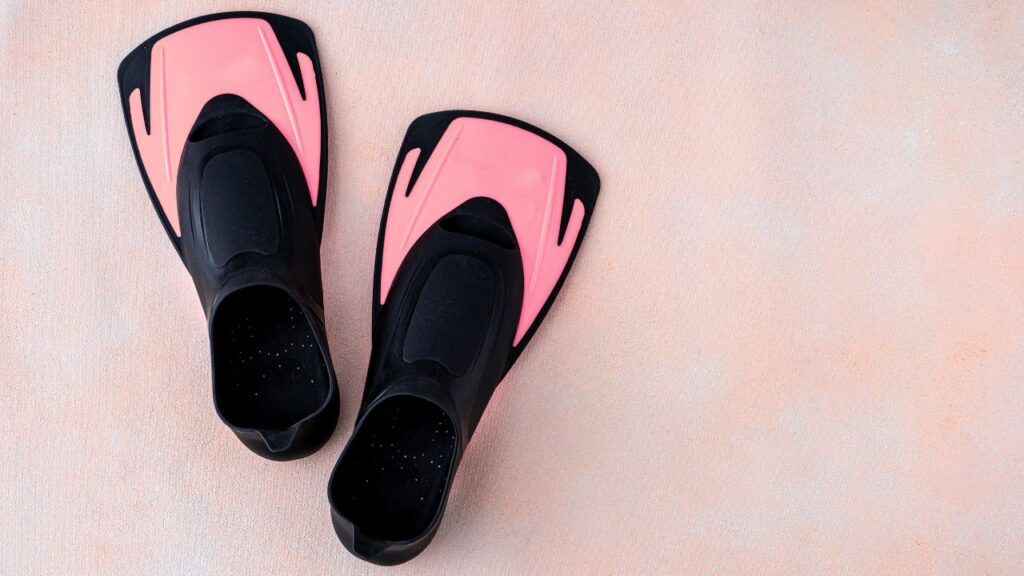
Swim Training Fins
Builds leg power, improves kick technique, and creating smoother movement through the water.
Pull Buoy Float
Supports upper-body focused swim training by helping stabilize the legs during drills and technique work.
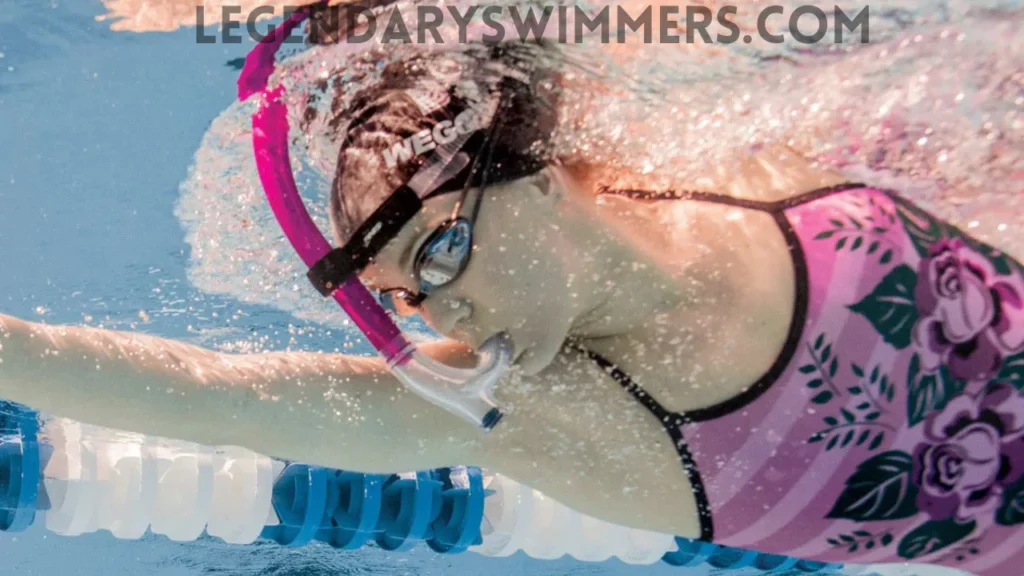
Front-Mount Swim Snorkel
Allows swimmers to focus on body position and stroke technique without turning to breathe.

Swim Goggles
Designed to improve underwater visibility and comfort during training, lap swimming, and aquatic workouts.

Swim Cap
Helps reduce drag, improve comfort, and keep hair more secure during swim training and aquatic workouts.
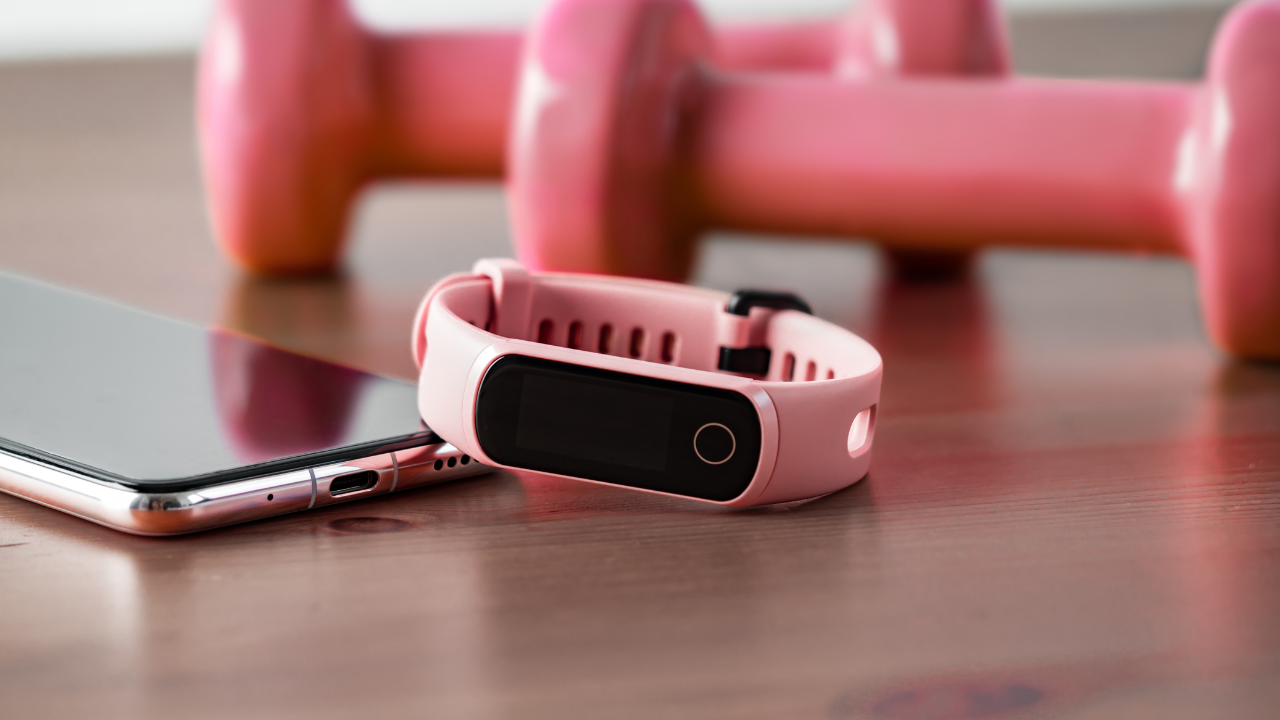
Waterproof Fitness Tracker
Tracks movement, activity, heart rate, and consistency during swimming, pool walking, and aquatic wellness routines.
Disclosure: Links above are affiliate links, meaning Legendary Swimmers may earn a small commission at no additional cost to you.
Choose How You Prefer to Train in Water
Whether you are here to improve your swimming, build strength, or move with less impact, Legendary Swimmers gives you simple ways to use the water as your training space.
Start with one of our free resources below and choose the path that fits how you want to move in the water.