Legendary Swimmers

Pool stretching exercises for back pain and flexibility

Pool Stretching Exercises for Back Pain and Flexibility

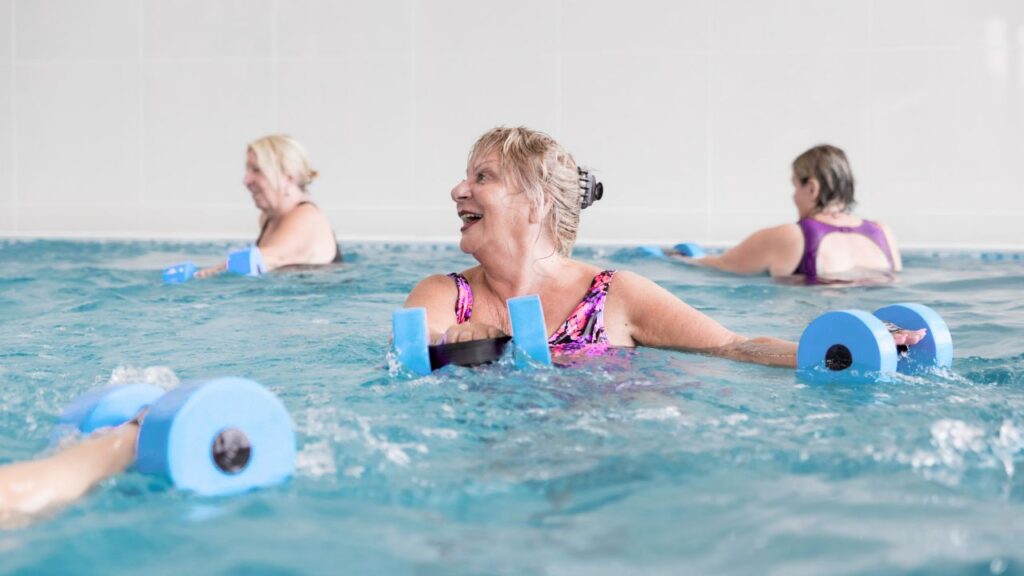
Pool stretching exercises use buoyancy and warm water to relieve pain, improve flexibility, and support gentle movement. Perfect for arthritis, back pain, and mobility rehab.. Chronic back pain impacts millions globally. Many people seek gentle and effective ways to find relief. Water exercises provide a special way to heal. They use hydrostatic pressure and allow for gentle movement. The swimming pool is your therapy centre. Buoyancy eases joint stress, and water resistance builds muscle. Pool exercises are safe for people with: Lower back pain Rheumatoid arthritis Knee osteoarthritis The American Physical Therapy Association endorses aquatic exercise as a superb rehabilitation method. Water can support 90% of body weight. This helps joints move easily with less stress than when on land. This guide walks you through water-based exercises that physical therapists highly recommend. Find specific stretches, key safety tips, and ways to create a routine just for you. Exploring the Benefits of Stretching in the Water Water workouts give healing benefits that regular gym exercises cannot provide. Hydrostatic pressure in water works like a compression garment. It helps reduce swelling and boosts circulation. This natural pressure helps diminish inflammation around aching joints and muscles. Water’s buoyancy makes these exercises easy. People with different muscle and bone conditions can do them. People with hip osteoarthritis or chronic joint pain can move in water more easily than on land. Water supports your body weight. It also lets you do exercises with a full range of motion. Temperature is a key factor in how well water exercise works. Soaking in warm water, between 83 and 88°F, can relax tight muscles. It also helps improve flexibility. This warm feeling can help ease tension. It makes muscles stretch and relax more easily. Many people find relief from back pain and muscle stiffness after one session in a heated pool or hot tub. The soothing heat helps you feel good and prepares your body for better stretching. This makes it an essential part of any water workout. Preparing for Pool Exercises: Safety and Tips Putting safety first is key when starting any water exercise plan. If you have a heart ailment, joint issues, or recent accidents, see a physical therapist first. They can tailor modifications to suit your specific needs. Utilising the right equipment can greatly enhance both safety and performance. Water shoes grip slippery surfaces well. A flotation vest or device helps those who feel unsure in deeper water. Using pool noodles and foam dumbbells adds resistance. They keep buoyancy. Check the water depth before you start. Chest-deep water is best for most exercises. It keeps your feet grounded and provides good buoyancy. Above-ground pools often supply the perfect depth for therapeutic workouts. Stretching Basics: Understanding Resistance in Water Water naturally pushes back against your movements. As you move faster, this resistance grows. This lets you easily change how hard you exercise. Sluggish and controlled moves help you stretch lightly. Faster actions build functional strength. Unlike land exercises that rely on gravity, water resistance works in all directions. This engages stabilising muscle groups that often get overlooked. Working to balance against resistance helps improve your core strength. Water temperature is key to muscle flexibility. It also helps comfort while exercising. Cooler water, under 80°F, can make muscles stiff. In contrast, water above 90°F can lead to overheating. Superman Stretch: Strengthening Spine and Core The Superman stretch works your lower back muscles. It also improves core stability. Doing this exercise in water reduces spinal stress more than the floor method. This makes it a popular choice among physical therapists for back injury recovery. Stand in chest-deep water near the pool wall or stairs for support. Hold the pool edge with both hands. Lift one leg back while reaching forward with the opposite arm. Preserve this position for 5-10 seconds before switching aspects. Water’s buoyancy supports your lifted limbs. This reduces strain on your spine and helps you focus on proper form and muscle engagement. Try to do 8-12 reps on each side. As you get stronger, slowly increase the hold time. Water Walking: Enhancing Flexibility and Range of Motion Water walking is a great way to improve heart health and increase joint flexibility. This gentle workout is suitable for human beings with knee osteoarthritis. It’s also great for anyone getting back into fitness. The American Council on Exercise says water walking is key to aquatic workouts. Walk forward in the shallow end of the pool. Keep your posture straight and move your arms together. Water resistance makes your muscles work harder than regular walking. It also cushions your joints. To mix it up, walk backwards, do side steps, or try high-knee marches. These changes boost hip mobility and work different muscle groups. Use the water treadmill at your facility for a steady walking routine. Aqua Jogging: Cardiovascular Boost and Stress Relief Aqua jogging provides a great cardio workout while being gentle on the joints. It mimics land running but takes advantage of water’s resistance. Athletes often use it for injury rehab; many choose it as their main cardio exercise. For the best results, go to the deeper parts of the pool where your feet don’t touch the bottom. You might want to wear a flotation vest for extra support. Stand tall and move your arms and legs like you’re running. Lift your knees and pump your hands in sync. Start with sessions of 10 to 15 minutes, then increase the time as you get stronger. Water resistance makes this workout effective. It boosts your fitness without the harsh impact of normal jogging. Plus, most people feel it puts less strain on the lower back than running on land. Leg Lifts: Joint-Friendly Muscle Strengthening Water leg lifts are great for strengthening hip and thigh muscles. They help support your body weight and improve balance. This exercise is often used in physical therapy, especially for hip rehab. Stand with your back against the pool wall to support yourself while exercising. Gradually lift one leg to the facet, maintaining

Pool Stretching Exercises for Back Pain and Flexibility Read More »

Water Aerobics Exercises for Your Upper Body: 10 Effective Moves

Water Aerobics Exercises for Your Upper Body: 10 Effective Moves

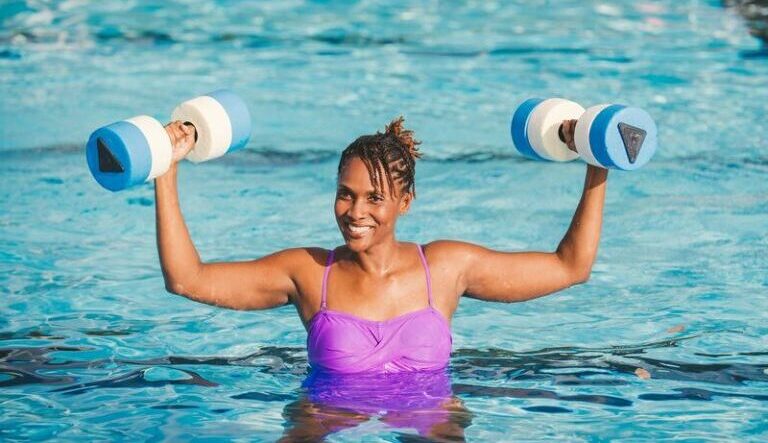
Water aerobics gives special upper body benefits that land exercises often do not. The water’s natural resistance gives a good muscle workout. Its buoyancy lowers the stress of bearing weight. This dual benefit reduces the strain on joints and connective tissue. Aquatic exercises build muscle endurance faster than regular workouts. This guide explores 10 effective upper-body water workouts that build strength, improve mobility, and reduce joint strain. Ideal for seniors, beginners, and anyone seeking a low-impact way to tone arms, chest, and shoulders in the pool. The CDC states that water fitness classes can help build muscle. They also improve heart health and keep joints lubricated. Exercising in chest-deep water creates hydrostatic pressure. This pressure improves blood flow and lowers inflammation. It is good for people with rheumatoid arthritis or chronic health problems. In 2025, upper-body water workouts became a top rehab method for adults over 40. For those interested in a guided Aquatic Fitness Workout structured by levels such as Basic, Intermediate and Advanced, check out our Free 15 minute Aquatic Fitness Workout. Aquatic Equipment Essentials: Dumbbells, Kickboards, and Resistance Tubing Choosing the right gear can turn simple pool exercises into full resistance workouts. These workouts target your upper body well. To maximize your pool time, consider these essential pieces of gear: Core Equipment: Aquatic dumbbells: foam weights that provide buoyancy resistance Kickboards: Essential for chest presses and support exercises Resistance tubing: Elastic bands designed for underwater use Pool noodles: Versatile tools for stability and resistance Water shoes: Provide grip on the pool floor for safety Optional Additions: Ankle weights: Add intensity to arm movements Resistance gloves: Increase water resistance during pulls and pushes Flotation device: Helpful for deep water exercises Hand paddles: Amplify resistance during swimming motions For those interested in more information on the most recommended gear, check out our guide on Top Water Weights for Pool & Resistance Workouts (2026). Related Reading: Aqua Aerobics for Women Over 50 Bicep Curls: Building Arm Strength Performing bicep curls in chest-deep water provides two significant benefits. It effectively targets the forearm muscles. This strengthens them and boosts their endurance and power. At the same time, it engages the core muscles, promoting better balance and stability as you execute the curls. This combined effect makes the exercise very useful for building functional strength. Functional strength helps you do daily tasks more easily and efficiently. Adding this exercise to your routine improves arm strength and core stability. This leads to better overall physical function. Step-by-Step Technique: Stand with feet shoulder-width apart, holding aquatic dumbbells. Maintain your elbows close to your face throughout the movement. Slowly curl weights upward, fighting the water’s buoyancy. Pause at the top, then control the descent. Complete 12-15 repetitions for 2-3 sets. Water resistance makes lifting and lowering tough. It offers a full workout that regular weights cannot match. I’ve always done bicep curls in my swim strength training. Recently, I wondered if they might shorten the muscle and affect my streamlining. Some swimmers think curls aren’t needed. They help on pull days, especially when done lightly as an accessory. – User on r/Swimming Tricep Extensions: Enhancing Muscle Tone Tricep extensions in water work your arm’s back. They improve your upper body shape. Great for trimming arm flab and building strong, toned arms, this exercise gives quick results. Grab an aquatic dumbbell with both hands and raise it overhead in chest-deep water. Bend your elbows to decrease the burden behind your head. Then, extend your arms to return to the start. The water’s resistance makes the exercise better for building muscle strength. Pro Tip: Keep your upper arms still during the movement. This helps activate your triceps and avoids shoulder strain. Single Arm Row: Boosting Endurance Single-arm rows strengthen your back muscles and enhance posture while boosting muscular endurance. This exercise mirrors everyday actions like pulling open heavy doors or lifting items. Position yourself facing the pool wall, gripping the edge with one hand for stability. With your free hand, pull against the water, drawing your arm back towards your ribcage while engaging your shoulder blade. The water’s natural resistance causes constant tension during exercise. Muscles Targeted: The latissimus dorsi, rhomboids, rear deltoids, and biceps all work together. This exercise strengthens the entire upper body. Punch-Pulls: Power and Precision Punch-pulls combine cardio exercise and upper-body strength training. This active movement raises your heart rate, giving good cardio benefits. It also builds explosive power and strength in your arms and shoulders. Execution Technique: Start with arms extended forward at shoulder height unexpectedly punch one arm ahead at the same time as pulling the opposite back alternate arm in a rhythmic sample for 30-60 seconds Focus on generating maximum water displacement with each movement This exercise burns significant calories while improving coordination and full-body workout efficiency. Kickboard Chest Press: Engaging the Chest Muscles The kickboard chest press works your chest muscles and improves stability training. This exercise builds functional chest strength. It’s important for pushing actions. Hold a kickboard against your chest with both hands. Then, push it out through the water. The buoyancy will provide a special form of resistance. This action engages your chest muscles throughout the motion. Go back to the starting position. Manage your motion and withstand the kickboard’s upward push. Protection word: preserve your shoulders, lower back, and middle tight.allows preventing a decrease in stress at the same time as being urgent. Lateral Arm Raises: Toning the Shoulders Lateral raises in water are great for building shoulder strength. They also lower the risk of impingement that often comes with regular weights. This exercise builds well-rounded shoulder muscles. It also improves joint stability. Proper Form: Stand in chest-deep water with your fingers at your sides. Hold aquatic dumbbells or use water resistance alone. Raise arms out to the sides until they reach the water’s surface. Control the descent, fighting the water’s buoyancy. Complete 10-12 repetitions with perfect form. The water’s natural resistance keeps tension steady. This makes the exercise great for building shoulder strength

Water Aerobics Exercises for Your Upper Body: 10 Effective Moves Read More »

Top Water Weights for Pool & Resistance Workouts

Best Water Workout Equipment for a Stronger Pool Workout in 2026

Water workouts are already one of the most joint-friendly ways to build strength, improve endurance, and stay active. But the right equipment can completely change the quality of your workout. Instead of simply moving through the water, tools like aquatic dumbbells, resistance gloves, pool noodles, kickboards, and flotation belts help you create more resistance, better control, and a more complete full-body workout. Whether you are new to aquatic fitness, returning to movement after joint discomfort, or looking for a smarter way to build strength in the pool, choosing the right water workout equipment can help you get more from every session. If Interested in the Benefits of Water Workouts and Aquatic Resistance Training, check out our guides on: How Water Exercises Improve Stability, Coordination & Everyday Movement How Aquatic Exercises Boost Blood Circulation Naturally  Why Water Workout Equipment Matters Water naturally creates resistance. Every time you push, pull, sweep, kick, or rotate in the pool, your body has to work against the viscosity of the water. This is one of the reasons aquatic exercise can support strength and endurance while staying low impact. Mayo Clinic notes that water’s resistance can turn aquatic exercise into an effective resistance-training workout, while reducing stress on the joints. That means you do not always need heavy equipment to make a pool workout effective. In fact, many aquatic tools are lightweight on land but challenging in the water because they increase drag, buoyancy, or surface area. The right equipment can help you: Improve upper-body strengthBuild lower-body enduranceChallenge your core stabilitySupport balance and postureMake low-impact workouts more effectiveAdd variety to your pool routineProgress from beginner to advanced movements This is especially important for people who want a workout that feels strong without the pounding of land-based exercise. For those interested in learning more on how water resistance training works, view our guide on The Science Behind Water Resistance Training: Why It Works The Best Water Workout Equipment to Use in 2026 1. Aquatic Dumbbells Aquatic dumbbells are one of the most recognizable pieces of water workout equipment. Unlike regular weights, they are usually made from buoyant foam and are designed to create resistance as you push them down, pull them through the water, or move them in different directions. They are especially useful for upper-body and core exercises. Aquatic dumbbells can be used for movements like: Hydro arm pressesChest flysBicep curlsTricep pressesCore rotationsCross-body arm swingsResistance rolls The key is control. In the water, faster is not always better. Moving with intention helps you use the resistance more effectively and avoid relying only on momentum. Best for: upper-body strength, core control, resistance training, beginner-to-advanced progressions. 2. Resistance Gloves Resistance gloves are a simple but powerful tool for improving water workouts. They usually have webbed fingers, which increase the surface area of your hands. This makes every push, pull, sweep, and press more challenging. These are a great option for people who want resistance without holding equipment. Resistance gloves are helpful for: Arm sweepsWater joggingTreading movementsPulling motionsCore twistsBalance exercises They also work well for people who have difficulty gripping dumbbells for a full workout. Best for: upper-body endurance, shoulder control, cardio-based aqua fitness, grip-free resistance. 3. Pool Noodles Pool noodles may look simple, but they are one of the most versatile aquatic fitness tools. They can be used for support, balance, resistance, floating core work, and beginner-friendly movement. Because noodles float, they can help support the body during certain exercises. But when you press them underwater, they also create resistance. Pool noodles can be used for: Floating core crunchesSupported squatsBalance drillsNoodle pressesSeated kicksCore twistsAssisted stretching For beginners, a pool noodle can provide confidence and stability. For more advanced participants, it can become a serious resistance tool when pushed, pulled, or held underwater. Best for: balance, core work, beginner support, low-impact full-body movement. 4. Kickboards Kickboards are often used for swim training, but they are also excellent for aquatic fitness. They can support lower-body exercises, improve body position, and add resistance when pushed vertically through the water. Kickboards are especially helpful when combining swim-inspired drills with sculpting movements, which makes them a great bridge between swimming and aqua fitness. Kickboards can be used for: Flutter kicksLeg extensionsStanding core pressesKickboard pushesBalance drillsLower-body endurance workCardio intervals They are also useful for people who want to improve lower-body stamina without needing to swim full laps. Best for: lower-body endurance, swim-inspired fitness, balance, cardio conditioning. For more on how to apply kickboards in your swim training, check out our guide on Replacing Gym Workouts With Kickboard Swiming: Is It Effective? 5. Flotation Belts A flotation belt helps keep the body upright and supported in deeper water. This makes it especially useful for deep-water jogging, core work, and low-impact cardio. For people who want to exercise without touching the pool floor, a flotation belt can create a safer and more controlled deep-water experience. Flotation belts can support: Deep-water joggingCore stabilizationSuspended leg movementsLow-impact cardioPosture trainingBalance and coordination They are also helpful for reducing impact while still allowing the body to work hard. Best for: deep-water workouts, cardio, posture, joint-friendly conditioning. 6. Aquatic Resistance Bands or Loops Aquatic resistance bands and loops can be used in the pool to create additional challenge for the arms, legs, hips, and core. They are not always necessary for beginners, but they can be useful as someone becomes stronger and wants more variety. They can support: Lateral leg workArm pullsCore rotationsHip strengtheningBalance drillsFunctional movement patterns Because bands create elastic resistance, it is important to move slowly and stay in control. Best for: strength progressions, hip work, controlled resistance, intermediate-to-advanced workouts. 7. Water Shoes Water shoes are not usually thought of as “fitness equipment,” but they can make a big difference. They help with traction, comfort, and confidence, especially in shallow-water workouts. They may be useful for: Water walkingAqua aerobicsSquatsLungesBalance exercisesPool deck safety For people who feel unstable on the pool floor, water shoes can provide added grip and support. Best for: stability, water walking, shallow-water workouts, safety and comfort.

Best Water Workout Equipment for a Stronger Pool Workout in 2026 Read More »

Low-Impact Water Aerobics: Boost Fitness with Aquatic Exercises

Low-Impact Water Aerobics: Boost Fitness with Aquatic Exercises

Searching for a mild health routine for your joints that packs a punch when it comes to consequences? Water aerobics might be the perfect solution. This aquatic exercise combines cardiovascular fitness with strength training while being low-impact. Water exercises can help anyone. They are great for recovering from injuries, managing joint pain, or staying fit.  This blog highlights the benefits of water aerobics. It includes popular moves, safety tips, and essential gear. By the end, you’ll have everything you need to get started and make a splash with your workout routine.  Benefits of Water Aerobic Exercises Low Impact on Joints One of the standout advantages of water aerobics is its minimal impact on joints. Water’s buoyancy eases stress on the body. This makes it great for people with arthritis or joint problems.  Supports joint pain relief.  Eases mobility in people with chronic conditions.  Provides an environment for safe rehabilitation.  Enhances muscle strength and endurance. Water resistance forces your muscles to work harder, even with easy actions. This helps target many muscle groups at the same time and boosts endurance.  Build lean muscle.  Improves balance and coordination.  Improves cardiovascular health. Looking for a low-impact cardio workout? Water aerobics enhances heart rate in a safe, controlled manner. They strengthen the heart and improve circulation.  Contributes to a lower risk of heart disease.  Aids in maintaining a healthy cardiovascular system.  Mental Well-Being and Mood Enhancement Research shows that exercising in water reduces stress and improves mental health. Water has a calming effect. Exercise releases endorphins, which can lift your mood and improve your well-being.  Pro Tip: Enhance the mood benefits of water aerobics. Try adding mindfulness exercises. Be aware of your breath or sense the water. This helps reduce stress and improve relaxation. 5. Social and Fun Exercise Environment Group aquatic activities help you stay active and connect with others. These activities make workouts fun and motivating since you connect with others. Joining a class makes it easier to stick to your fitness routine. It can turn exercise into a fun habit. It’s also a great chance to make lasting connections with like-minded people. Pro Tip: Team up with a friend or family for aquatic activities to make it fun and stay motivated. This also helps with accountability and consistency. Popular Water Aerobics Moves 1. Walking and Jogging in Water These basic water-based exercises are great for building strength and improving mobility. Water walking is a great full-body workout. It’s ideal for beginners, seniors, or anyone wanting a low-impact routine. It’s an easy and effective way to stay active in a gentle, supportive environment. Start with shallow water.  Increase speed over time to elevate intensity.  2. Water Jumping Jacks Water-based jumping jacks use resistance to work your muscles better. They also lower stress on your joints. They improve flexibility, endurance, and strength, making them perfect for all fitness levels. Tip: Keep your movements controlled to maximize resistance.  3. Flutter Kicks Flutter kicks are a great way to build core strength while working your lower body muscles. This exercise is perfect for improving stamina and toning your legs. Use the pool wall or a flotation device to maintain proper form and balance for added support. Arm Exercises with Water Weights Using water weights is a fun way to tone your arms and upper body in the water. They create resistance as you move, helping to build muscle and endurance. For variety, add resistance bands to target different muscles and increase intensity.  Using pool noodles for resistance. Pool noodles are perfect for water resistance exercises. You can use them for leg lifts and arm stretches. Protecting the noodle makes your muscle mass work harder. It also supports you in a safe workout. Lightweight and easy to use, they’re perfect for beginners and advanced users. Safety Tips for Water Aerobics Stay Hydrated: Water workouts may not feel as sweaty as land exercises, but you still lose fluids. Keep a water bottle close. Sip water often during breaks. This helps you stay energized and avoid dehydration.  Wear Proper Footwear: Use good water shoes to protect your feet. They raise traction, prevent slips, and defend against difficult pool flooring and sharp edges. Good footwear provides support and cuts down fatigue. This makes your exercise more secure and extra comfortable. Check pool conditions: Look for cracks or hazards on the pool wall and floor before you start. Ensure the water temperature is comfortable—extremes can cause overheating, cramps, or discomfort. A safe pool permits you to concentrate on your workout without distractions. Equipment for Effective Water Aerobics Pool Noodles: These basic tools provide significant buoyancy and resistance. Perfect for beginners and advanced workouts alike.  Water Weights: Light aquatic dumbbells provide great resistance for your arms. They help build strength without placing strain on your joints. Kickboards: Focus on your lower body by incorporating kickboards into leg-specific exercises.  Aqua Gloves: Aqua gloves improve water resistance. They boost upper-body movement and help refine swimming skills. Modifications for Specific Needs 1. Exercises for Knee Pain Relief Low-impact exercises like water walking and leg lifts help reduce knee pain. They improve muscle tissues whilst being gentle on the joints. They improve muscle tissue while being mild on the joints. Water resistance builds strength over time. Hold the pool’s edge and try knee extensions. This can help with stability and reduce discomfort.  Pro tip: Begin with 10-15 minutes of walking in waist-deep water. As your knees get more potent, increase the intensity. Add light ankle weights for extra muscle engagement. 2. Water Aerobics for Rehabilitation Recovering from surgery or injury? Water aerobics helps rebuild strength and flexibility safely. The water’s buoyancy eases stress, making movements less complicated than on land. Flutter kicks or arm circles improve mobility without strain.  Pro tip: Use pool noodles or resistance gloves for more of a challenge as you progress. Seek advice from your physical therapist to ensure sports fit your recuperation plan. 3. Adaptations for Seniors Water aerobics improves mobility, balance, and fitness for older adults. The water’s

Low-Impact Water Aerobics: Boost Fitness with Aquatic Exercises Read More »

How to do Backstroke Flip Turn: Step-by-Step Guide for Swimmers

How to do Backstroke Flip Turn: Step-by-Step Guide for Swimmers

For competitive swimmers, mastering the backstroke flip turn is key to better performance. This guide details the steps for a smooth, effective turn. It will help you save time, boost momentum, and conserve energy. This guide gives you expert tips to master backstroke flip turns. It’s key to doing great on race day. To swim backstroke well, you need to master all parts of the stroke. The flip turn is significant. Whether you’re a pro swimmer or want to improve, learning the flip turn can save you time and energy in a race. Understanding the Importance of Efficient Flip Turns A good flip turn does more than make you look smooth in the water. It boosts your backstroke speed and helps improve your race time. A sluggish or sloppy flip turn-in backstroke can cost you a lead. But a quick, smooth turn can give you an advantage. Here are a few benefits of mastering your backstroke flip turn: Save time: A flip turn helps you keep moving forward. It reduces pauses and makes the most of the underwater phase. Build momentum: A strong push-off from the wall guarantees you go out of the flip with velocity. Save energy: When done right, a flip turn uses little energy and boosts your efficiency. To master your flip turn in backstroke or switch to breaststroke, you need to focus and practice. Preparing for the Flip Turn Approaching the Wall: Timing and Stroke Counting A consistent backstroke turn begins with a well-timed approach to the wall. Count your strokes between the backstroke flags and the wall during practice. This will help you figure out how many strokes you need when racing. It will also reduce mistakes, like touching the lane line or misjudging the distance. Identifying the Flags Cue for Distance Calculation When you’re close to the wall, search for the backstroke flags. This is your cue to start the backstroke turn. The flags and the wall are typically five yards or meters apart. Use this marker to practice your rotation technique. Regulate your stroke timing for an easy flip. Technique for Initiating the Flip Turn Slight Body Rotation To begin the backstroke flip turn, execute a slight body rotation onto your side. This shift in position helps you control your body. It makes your turn smoother. Swimmers often misjudge this rotation phase. This leads to a loss of momentum or misaligned positioning. A 2023 study in ResearchGate found that a streamlined push-off with a 10° body angle reduces drag by 18%, improving underwater glide efficiency Executing the Tuck and Somersault After you roll to your side, tuck your chin and knees to start the somersault. This movement is the core of a well-executed flip turn for backstroke. Stay tight to your body for a quick and controlled rotation. This helps you get ready for the next part of the turn. Using Both Arms for Greatest Momentum During the flip turn, keep your arms by your head in a streamlined position. This keeps your speed up and reduces drag as you move from the wall to the glide. Swim experts suggest using both arms at the same time. This creates a smooth push-off. Proper chin tucking and knee positioning. Position your head and knees on point to achieve a successful backstroke turn. Tuck your chin to your chest. Keep your knees close together for a strong and smooth rotation.   The Push-off: A Powerful Start Correct Foot Placement and Body Alignment Successful push-off positioning begins with your feet. Place your feet against the wall. Keep them shoulder-width apart and point your toes up. This position helps you generate the best force as you push off the wall. Engaging in an Explosive Push-off and Glide To boost your power, extend your legs to their most excellent length. Also, engage your core muscles as you push off. Move into a streamlined position. Keep your body flat to reduce drag. The force of your push affects your speed as you move into the underwater part of the swim. Streamlining and Transitioning Performing Compact and Rhythmic Dolphin Kicks Your underwater phase is essential for regaining momentum after the backstroke flip turn. Deliver compact, rhythmic dolphin kicks to maintain both velocity and performance. Avoid wide or uneven kicks, as they create turbulence and slow you down. Advanced swimmers work on this sequence in lessons or camps to stay consistent. Executing a Controlled First Stroke The shift from dolphin kicks to backstroke starts with a careful first stroke. This helps you keep a steady rhythm and stay aligned. You won’t lose your momentum. Some professional swimmers, like Hayley Church, emphasise practicing this phase for flawless results. Mastering Alternate Methods Understanding the Bucket Turn Technique If you’re looking for alternatives, try the bucket turn. It uses a circular motion to pull your body over the top and off the wall. Though not as common as the standard flip turn, it works well in certain training situations. Strategies for a Clean Finish Without Hitting the Wall Hitting the wall or fixing your position too late can ruin a good backstroke flip turn. To avoid this, sharpen your stroke counting and rhythm awareness during practice. Maintaining body control enables cleaner execution and reduces the likelihood of mistakes.   FAQs Q: How do I prepare for a backstroke flip turn? Preparation involves counting strokes between the backstroke flags and the wall. This ensures a smooth transition and reduces errors, such as touching the lane line. Q: What is the key to executing a successful backstroke flip turn? Begin by turning a bit onto your side. Tuck your chin and knees. Then, do a managed somersault to keep your speed during the flip. Q: How does a flip turn improve my backstroke performance? A good flip turn saves energy and builds momentum. It also helps you push off with strength and shortens the duration of the transition. Q: What is the importance of the push-off in backstroke turns? Good foot placement and body alignment

How to do Backstroke Flip Turn: Step-by-Step Guide for Swimmers Read More »

Backstroke Swimming Tips: Improve Form and Speed

Backstroke Swimming Tips: Improve Form and Speed

Backstroke swimming demands precision, balance, and rhythm. This guide simplifies body position, arm movement, kicking, and breathing. Swimmers at any level can improve their backstroke. They can try drills like the cup challenge or learn advanced flip-turn techniques. These methods help improve efficiency and build confidence. Backstroke swimming is a graceful stroke. However, it comes with technical challenges. Mastering this stroke boosts your confidence in the water. It also improves your swimming performance. Whether you’re a beginner, intermediate, or advanced swimmer, refining your backstroke is key. It helps you swim with greater efficiency, speed, and smoothness. Understanding Backstroke Fundamentals To master backstroke swimming, it’s crucial to get the basics right. Great backstroke starts with a good body position, strong arm movements, and a steady flutter kick. Here’s how to get started: Importance of Body Position Your body position is the backbone of your backstroke technique. To maximize efficiency: Keep a flat, horizontal posture on the water’s floor. Your frame should flow under or underneath the water level. Interact your center muscle tissues to hold your frame streamlined. A strong core not only improves posture but also prevents unnecessary movements that slow you down. Avoid sinking hips or legs, as this increases drag. Practice floating drills to achieve an aligned position. According to a study, a streamlined body position with a 10–15° head tilt reduces drag by 15%, enhancing forward propulsion in backstroke.  Streamlining Your Motion A streamlined motion reduces drag and conserves energy. Keep your head nonetheless and slightly tilted back, making sure your face stays above the water’s floor. Your body rotation should be smooth, with your shoulders and hips working together to propel you forward. This rotation permits extra powerful strokes and reduces stress in your palms. Key Drills for Beginners To master the backstroke, practice is key. Drills help build your basic skills. Body Balance Drill To improve your body position, try this drill: Float on your back with your arms relaxed at your sides. Engage your core muscles to stay balanced while keeping your hips high. Focus on maintaining a straight line from your head to your toes. Perform this for 25 yards, alternating with full strokes to incorporate your balance into your regular swimming. Cup Challenge Drill for Head Position This playful drill requires a plastic cup (or any small, lightweight object). Place the plastic cup on your forehead. Swim backstroke while trying not to knock the cup over. This helps you focus on keeping your head steady and aligned. The result? A fixed head position contributes to smoother motion and better speed. Improving Arm Action An efficient arm movement is a core aspect of the backstroke. It not only propels you forward but also maintains your rhythm and balance.   Common Mistakes: Avoiding the Straight Arm One of the most frequent technique errors is swimming with straight arms, which increases drag. Instead: Focus on a slight bend in the elbow during the pull phase to increase efficiency. Finish the stroke near your hips before starting the recovery. Mastering the Half Keyhole Drill This drill helps to refine arm mechanics: Perform a shortened stroke, where your hand traces a “keyhole” shape underwater. Awareness of pushing water toward your feet to maximize propulsion. This drill emphasizes a powerful pull to enhance your arm recovery and overall speed. Perfecting Kicking Techniques Your kick plays a significant role in keeping your body aligned and propelling you forward in the backstroke. Here’s how to improve it: Basics of Backstroke Kicking The flutter kick is essential for steady motion. Preserve your legs instantly but comfortably, generating movement from your hips instead of from your knees. Make quick, small kicks that create splashes. Make sure your feet remain pointed, as flexed feet can disrupt your momentum. Olympic backstroke champion Kaylee McKeown uses a 6-beat flutter kick and a precise flip-turn technique, contributing to her world-record 200m backstroke time of 2:03.14 (2023 World Championships) Exercises to Strengthen Kick Efficiency Using tools like drag socks can help build core strength for a more decisive, more effective kick. Try incorporating vertical kicking exercises in deep water to target hip flexors and thighs. Breathing Techniques for Backstroke A strong respiratory system is key for endurance in backstroke swimming. Maintaining a rhythm Stay consistent by developing a steady breathing pattern. Since your face is above water, you can inhale and exhale at regular intervals. Avoid erratic breaths, as they can disrupt your stroke rhythm and body balance. Drills to Improve Breathing Control To refine your breathing technique: Practice taking deep, controlled breaths between strokes. Time your breathing with your body’s natural rotation. This helps you stay calm and improves your endurance during longer swims. Advanced Tips for Skilled Swimmers If you’re looking to take your backstroke to the next level, these tips will improve your speed and transitions. Enhancing Turning Technique Master your backstroke flip turn. Count strokes as you approach the lane ropes to estimate when to execute the turn. Use a smooth dolphin kick off the wall to regain momentum. Perfecting this transition can shave off valuable seconds in competitive races. Improving Transition Speed Focus on your stroke rate during transitions. Shorten the glide phase between strokes as you approach a change, maintaining momentum throughout. Common Challenges and Solutions Every swimmer faces hurdles when learning or improving their backstroke. Here are practical solutions to common issues: Overcoming Chin Tuck Issues Many swimmers instinctively tuck their chin, causing an uneven body position. Keep your neck relaxed, and visualize your chin in line with your chest while looking at the ceiling. Addressing Balance Difficulties Struggling with balance? Revisit the floating drills mentioned above. Engaging your core and practicing steady kicks will help stabilize your posture. Build Confidence in Your Backstroke Technique Backstroke swimming is as much about confidence as it is about technique. Focus on basic mechanics, improve your arm and leg movements, and practice useful drills. You’ll notice significant gains in your speed, efficiency, and comfort in the water. The next time you’re in the pool, try incorporating these backstroke swimming tips into your training. Swimming

Backstroke Swimming Tips: Improve Form and Speed Read More »

Backstroke Start Techniques: Improve Race Performance

Backstroke Start Techniques: Improve Race Performance

Mastering the backstroke start can significantly improve your race performance from the very first move. It’s all about hitting key points: wall position, explosive push-offs, smooth entries, and easy transitions. This guide will walk you through every phase, offering swimming drills, safety tips, and advice to avoid common mistakes. Whether you’re aiming for better speed, power, or control, refining your backstroke start is the first step to dominating your race. Overview of the Backstroke Start Technique The backstroke start begins with the swimmer gripping the starting block or wall while facing away from the pool. Not at all like traditional forward dealing with a start, competitors perform it from a position within the water. To master this technique, focus on your wall position. Launch with a pop, then transition with grace into the backstroke. Every part of your start is essential. It allows you to enhance your pace, momentum, and efficiency. Positioning on the Wall Positioning yourself on point on the wall is critical for a strong and effective backstroke to begin. Importance of Proper Foot Placement Roll your toes shoulder-width apart, along with your feet gripping the threshold of the wall or starting block. To build propulsion, angle your legs mildly to create a solid base that allows for a powerful push. Don’t let your feet get too low on the wall. This can lessen your launching power. Also, avoid placing them too high, as this may limit your body positioning. Gripping the wall firmly Your hands should grip the starting block with a firm grip while your arms remain extended. This grip acts as your anchor, allowing you to leverage the most incredible power during the explosive start. Avoid a loose grip, as it can compromise your momentum and stability as you start the motion. Achieving Balance with a Slight Lean Back Maintain a balanced posture with a slight lean back, keeping your core engaged and strong. This head role sets an appropriate attitude for launching backward. It helps you stay in control of your movements. Preparing for the Largest Power A powerful backstroke start sets the tone for your race from the first move. Here’s how to prepare in a way that achieves good results. Curling Your Knees Draw your knees toward your chest while maintaining a compact position. This curling motion tightens your quadriceps. It also boosts the energy needed for a strong push-off. Lowering Your Hips Lowering your hips below the waterline will help generate an efficient starting position. A lower hip placement stores potential energy, allowing you to convert it into kinetic energy during push-off. Head Position: Slight Tilt Back Your head position is crucial to ensure a streamlined entry. Tilt your head back at a slight angle to maintain alignment with your spine, which helps you achieve a streamlined position as you leave the wall. Executing an Explosive Push-Off The push-off phase is where all your preparation comes together. It’s the key transition from the start to your swim, and nailing it can set the tone for your entire race. Generating power with leg propulsion. Push off the starting block with the most significant force, using your leg muscles to drive energy through the platform. Engage your quads and calves to push off with power. This momentum helps you enter the water faster. Position your feet on the block, ensuring your toes align to maximize power transfer. Coordinating Arm Motion for Balance Release your grip on the wall and sweep your palms right into a streamlined function over your head. The motion should be smooth and intentional to keep your body balanced as you launch. Proper arm coordination not only stabilizes you but also reduces drag. Keep your hands close together, with fingers pointed forward, to improve aerodynamics. Achieving a streamlined entry A clean, streamlined entry into the water is crucial for a strong backstroke start. Tuck your chin, align your head with your body, and extend your legs straight as you enter the water at an angle that minimizes drag. The entry should be splash-free to reduce resistance and maintain momentum. Visualize slicing into the water like an arrow, aiming for a smooth glide that will set up your underwater phase effectively. Drills to Improve Backstroke Starts Drills are key to refining your backstroke start by improving power, positioning, and entry angle. Regular practice can help swimmers develop a stronger, more efficient start that sets the tone for the race. According to a April 2011 study published in The Journal of Strength and Conditioning Research 25(4):950-5, An optimal backstroke start entry angle of 30–45 degrees reduces drag by up to 20% compared to steeper or flatter entries, allowing swimmers to maintain 10–15% more momentum into their first strokes. Explosive Push-Off Drill This drill focuses on building energy in the course of the rush-off. Start in your position and practice explosive push-offs from the wall, driving through your legs with the most significant force. Keep your body tight and streamlined as you push off, and repeat several times. Over time, this will strengthen your legs, increase propulsion, and boost your confidence in achieving a strong start. Elite swimmer Caeleb Dressel uses a 6-beat flutter kick during his backstroke transitions, maintaining a consistent rhythm that boosts speed by 10%, according to a 2024 FINA analysis Backstroke Start Drill with a Pool Noodle This drill improves entry technique and streamlines position. Place a pool noodle across the water as a visual and physical cue. Practice your backstroke starts, aiming for a clean entry and maintaining a streamlined position as you pass under the noodle. Focus on your entry angle, body alignment, and minimizing splash. This drill helps perfect your entry and ensures a smooth transition into your stroke. Transition Techniques into Backstroke Strokes Smooth transitions in your backstroke are key. They help you keep momentum, speed, and a fluid glide through the water. A strong transition sets the tone for your stroke, so focus on technique from the start. Olympic gold medalist Ryan Murphy emphasizes a compact knee curl and a 40-degree entry angle for his backstroke starts, which has contributed to his world-record-setting 100m backstroke time of 51.85 seconds (2016

Backstroke Start Techniques: Improve Race Performance Read More »

Backstroke Training Program – Improve Backstroke Performance

Backstroke Training Program – Improve Your Backstroke Performance

To perform at your best when swimming, you must learn the backstroke. This manual includes the basics, advanced techniques, training drills, and mistake correction. It aims to help swimmers of any skill level improve their backstroke technique. Do you swim to compete or for fun? Enhance your backstroke performance and speed with these beneficial tips. Understanding Backstroke Fundamentals The backstroke is unique. It’s the best backstroke used in aggressive swimming. Maintaining appropriate body alignment, rhythm, and coordination is crucial to its effectiveness. Master the backstroke with this all-in-one guide, covering fundamentals, drills, technique fixes, speed training, and breathing. Whether you’re a beginner or a competitor, use tailored workouts, elite tips, and pacing strategies to swim smarter, faster, and with better endurance. Key Principles of Backstroke Technique Body Alignment: To reduce water resistance, maintain a horizontal and streamlined posture. Maintain a neutral head position. Lift your gaze. Check your body’s symmetry. Head Position: You can save energy by keeping your head in a steady position and avoiding needless movement. By serving as a “rudder,” your head keeps your entire body balanced. dawaArm Movement: The backstroke requires continuous arm motion. During the arm recovery phase, your arm should move above the water in a relaxed way with a high elbow. Then, in the underwater pull phase, you generate power and propulsion. Body Rotation: Small, controlled rotations of your core help improve arm strokes and cut down drag. Engage your core muscles during the rotation to avoid over-reliance on your arms. Essential Backstroke Drills Drills are critical for honing specific aspects of your backstroke technique. Single-Arm Variations Focus on one arm at a time to refine your arm movement. This helps achieve accurate strokes. It also improves the connection between body rotation and arm recovery. Drill Tip: Keep your non-working arm at your side. This focuses on your active arm and boosts your pulling strength. Double-Arm Variations Practice moving your arms all at once. This helps improve your stroke technique and arm coordination. Also, focus on strong kicks to keep your momentum going. Drill Tip: Add a pull buoy to stabilize your lower body as you refine arm mechanics. Kick Refinement Techniques Enhancing your dolphin kick and flutter kick ensures propulsion from your decreased body. Vertical kicking, for example, helps build endurance and strengthens your legs. Tip: Use a swim parachute or light resistance gear. This helps you swim with the most significant effort during kick sets. Correcting Common Backstroke Mistakes Identifying and addressing flaws is essential for consistent progress. Identifying Common Flaws Dropping your hips too low. Inefficient arm recovery with broad strokes. Over-rotating your body disrupts balance. Stroke Modification Techniques Pull in your tummy. Keep your head and hips in line to maintain your streamlined position. Video analysis can help identify flaws in stroke count, arm recovery, or rotation. Building Backstroke Endurance and Speed To improve as a swimmer, you need to customize your training. Include exercises that boost both endurance and speed. Beginner Backstroke Workouts 4 x 25 meters, focusing on streamlined drills with rest between laps. Incorporate vertical kicking to strengthen your lower body. Intermediate Endurance Programs 6 x 50 meters using a controlled stroke count and breathing pattern. Add a kick set part for leg stamina. Advanced Speed Enhancement Sessions Race-pace workouts include the largest effort sprints and timed laps to build speed. Focus on maintaining split times during longer races for consistent performance. Insights from top swimmers Champion swimmers’ hints and techniques to enhance your backstroke. Their advice will be of use to swimmers of all levels, helping them fine-tune their skills. Training Tips from Lenny Krayzelburg Olympic medalist Lenny Krayzelburg emphasizes heavy body roll as a key technique. He insists on keeping an even tempo. These elements improve stroke technique. This results in smoother motion, less drag, and greater efficiency. His educational videos raise awareness about the healing power of underwater environments. Swimmers use a staccato kick for better propulsion. He highlights how strong core muscles help support the body and create power. Backstroke Tips from Pros Athletes like Katie Ledecky and Matt Grevers need skill, endurance, and speed to excel in their sports. Grevers kicks hard and maintains arm stability. Ledecky modifies her approach to be as powerful as possible. Ledecky stresses the value of goal-setting and mental preparation. She maintains her motivation and focus by using visualization and well-defined goals. Take a cue from these champions to improve your backstroke. You can build a strong foundation for success in the water by doing this. Timing and Pacing Strategies Your timing and pace can make or break your race performance. You can maintain consistency and finish strong by controlling your speed and energy. The Role of Swimming Flags You can time your strokes and get ready for turns with the help of swimming flags. It helps you save time and prevent errors. This position facilitates alignment and flips. You can improve your accuracy and efficiency by practicing with the flags. It enables you to save time and avoid mistakes. Improving Time Management in Races One helpful tool for managing time in races is a pace clock. It replicates race conditions when used in training. This helps reach target split times, maintain a steady pace, and know when to push harder. When under pressure, this technique enables you to make better use of your time. It enhances your performance as well. Breathing Techniques for Optimal Performance Backstroke swimming allows for easy breathing. But a better technique can improve your efficiency and performance. Precise breathing helps build endurance and maintain a smooth, rhythmic stroke. Effective Breathing Patterns Inhale in rhythm with your arm recovery. It’ll also come out faster, and you’ll be able to pull with less effort than if you thrash about and chase your feet. Try not to overexert, as this will only create tension and disrupt your flow. Instead, focus on coordinating even, controlled breaths with your movements. Tips for Better Breath Control Engage your core muscles when exhaling to stabilize your body

Backstroke Training Program – Improve Your Backstroke Performance Read More »

Backstroke Swimming Drills: Training Exercises for Backstroke Swimmers

Backstroke Swimming Drills: Training Exercises for Backstroke Swimmers

Are you looking to improve your backstroke technique? Backstroke drills can boost your performance. This tip applies if you’re a swimmer, a coach, or working on your skills. This blog will help you improve your backstroke. Discover drills and exercises to enhance your stroke technique and develop your strength. Together, these tips will make your backstroke faster, more efficient, and effortless. Understanding the Basics of Backstroke Before honing your backstroke prowess, you have to master the principles. Backstroke Technique The key to an effective backstroke lies in proper stroke technique. Hold your body flat on the water’s surface to live stream-lined. Your arm movement should be smooth. One arm recovers above water even as the other pulls underwater. Keep your head in a gentle position. Look up at the ceiling with a relaxed face. This helps to align your body and avoid neck strain. For both beginners and seasoned swimmers, attention to body rotation is crucial. Rotating your torso with each stroke helps reduce drag and increase efficiency. Optimal Breathing Techniques A herbal respiration pattern is as important as critical in backstroke. Unlike other strokes, your face remains above water, making breathing easier. Enhance your efficiency by timing your inhales and exhales to match your strokes. Common Mistakes Beginners Make Improper Body Positioning: Floating too low in the water increases drag. Aim for a higher, streamlined position. Incorrect Arm Recovery: Avoid sweeping too wide or too close. Maintain a rhythmic arm recovery for optimal propulsion. Use backstroke flags to check your distance from the wall. This enables you to transition into turns with grace. Building Endurance and Speed Unlock your potential by training harder and smarter. Studies have shown that 12-week SAQ training led to significant improvements in backstroke speed, stroke rate, and coordination compared to standard swimming practice. Endurance-Focused Drills Long Streamline & Flutter Kick Sets: Push off the wall in a long streamline. Then, practice a steady flutter kick to build leg stamina. IM Order Practice: Use backstroke in your IM events. It adds variety and builds endurance. Increasing Stroke Rate Perform stroke count drills to focus on increasing efficiency while maintaining proper form. Evenly reduce the number of strokes consistent with the lap to end up more streamlined. Interval Training for Speed Integrate a structured main set into your practice: Swim 10 x 50 yards backstroke with a 30-second rest between sets. Alternate between smooth strides and a maximum-speed sprint to simulate race conditions. Enhancing Stroke Efficiency Minor changes can lead to enormous upgrades in swimming performance and overall universal performance. You should adjust your strokes to enhance your performance. To swim at your best, focus on perfecting each phase of your stroke. Start by improving your pull. Using a high elbow catch during the pull phase ensures you maximize propulsion through the water. This technique enables you to engage larger muscle groups, such as your lats and shoulders, resulting in more power with less effort. Practicing this regularly will help you swim faster while conserving energy during long sets or races. Using Backstroke Flags for Navigation Backstroke flags aren’t just for decoration—they’re an essential tool for navigation. Use the flags to avoid collisions and time your turns accurately during practice and races. By counting your strokes from the flags to the wall, you can ensure a perfectly timed turn every time. Building this habit boosts your confidence and precision in races. It helps you stay on track and keep your speed when it counts. Analyzing Personal Times Against Records Tracking your progress is key to staying motivated and improving over time. Keep a record of your total yards or meters during each training session, noting your times for specific sets or distances. Then, compare these times against your personal goals, team averages, or competitive benchmarks. Spot where you’re doing well and where you can improve. This helps you set realistic goals and celebrate your progress. This habit not only keeps you motivated but also helps you stay focused on reaching your full potential. Core Strengthening Workouts Core strength affects your stability in the water. Try exercises like: Glute bridges improve hip alignment and activation. Engage in Russian twists to enhance your rotational range of motion. Hollow holds to maintain a streamlined position mid-swim. Lower Body Conditioning Exercises Leg power matters! Incorporate: Dryland flutter kick exercises mimic the propulsion needed in the water. Box jumps focus on explosive movements to build stamina and strength. Upper Body Conditioning Exercises Strong shoulders and arms ensure optimal strokes. Dryland upper body exercises, such as pull-ups and shoulder presses, target key muscle groups. They help with arm recovery and propulsion. Weighted vs. Non-Weighted Exercises Mix weight training with bodyweight exercises. This helps to build functional strength and prevents overdevelopment. Importance of Body Positioning and Strength To master the backstroke, you need more than practice. You must also understand body alignment and build physical strength. The way your body moves through the water impacts your speed, control, and energy use. By focusing on proper positioning and muscular balance, you can unlock smoother and more efficient strokes. Body Alignment Tips Keeping your lower back close to the water’s surface is essential for reducing resistance. When your hips and legs drop, drag will increase, slowing you down. A high body position helps you stay streamlined and glide faster with less effort. Core engagement is as vital as other factors in maintaining alignment. Activating your core muscles helps you maintain better posture and body control. It also helps stabilize your midsection, preventing unnecessary movement and maintaining stroke efficiency. Routines for Stability and Strength Adding stability exercises to your routine can lead to significant improvements in your control in the water. One great drill is the dead bug exercise with resistance bands. It boosts your coordination and strengthens your core. This improves stability and mimics the control wished for during the backstroke. These exercises activate smaller stabilizer muscles that swimmers often overlook. Including them in your training boosts good body mechanics. This also leads to smoother

Backstroke Swimming Drills: Training Exercises for Backstroke Swimmers Read More »