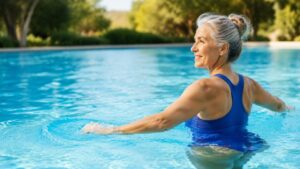

Pool stretching exercises use buoyancy and warm water to relieve pain, improve flexibility, and support gentle movement. Perfect for arthritis, back pain, and mobility rehab..
Chronic back pain impacts millions globally. Many people seek gentle and effective ways to find relief. Water exercises provide a special way to heal. They use hydrostatic pressure and allow for gentle movement. The swimming pool is your therapy centre. Buoyancy eases joint stress, and water resistance builds muscle.
Pool exercises are safe for people with:
- Lower back pain
- Rheumatoid arthritis
- Knee osteoarthritis
The American Physical Therapy Association endorses aquatic exercise as a superb rehabilitation method. Water can support 90% of body weight. This helps joints move easily with less stress than when on land. This guide walks you through water-based exercises that physical therapists highly recommend. Find specific stretches, key safety tips, and ways to create a routine just for you.
Exploring the Benefits of Stretching in the Water
Water workouts give healing benefits that regular gym exercises cannot provide. Hydrostatic pressure in water works like a compression garment. It helps reduce swelling and boosts circulation. This natural pressure helps diminish inflammation around aching joints and muscles. Water’s buoyancy makes these exercises easy. People with different muscle and bone conditions can do them. People with hip osteoarthritis or chronic joint pain can move in water more easily than on land. Water supports your body weight. It also lets you do exercises with a full range of motion.

Temperature is a key factor in how well water exercise works. Soaking in warm water, between 83 and 88°F, can relax tight muscles. It also helps improve flexibility. This warm feeling can help ease tension. It makes muscles stretch and relax more easily. Many people find relief from back pain and muscle stiffness after one session in a heated pool or hot tub. The soothing heat helps you feel good and prepares your body for better stretching. This makes it an essential part of any water workout.
Preparing for Pool Exercises: Safety and Tips
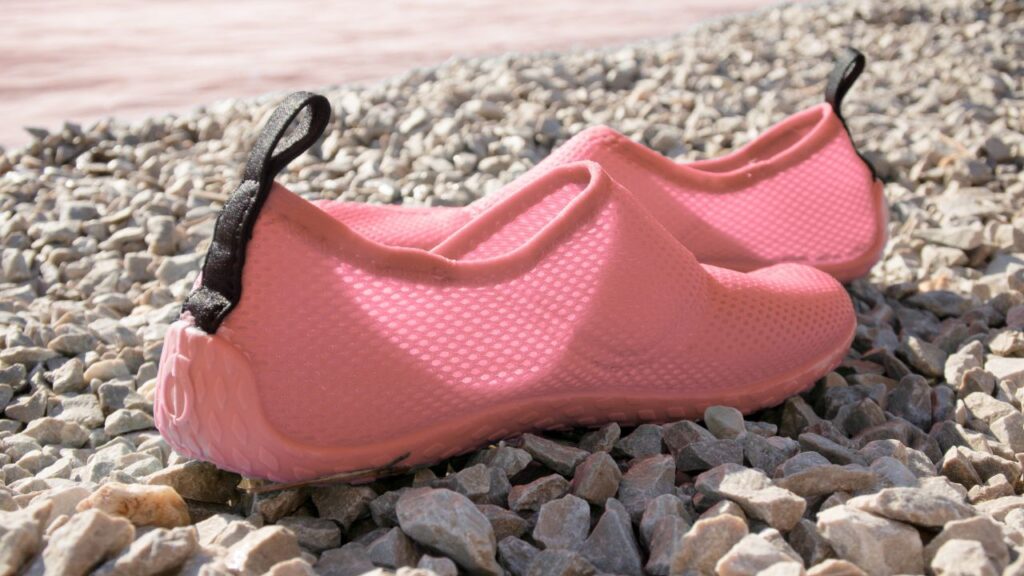
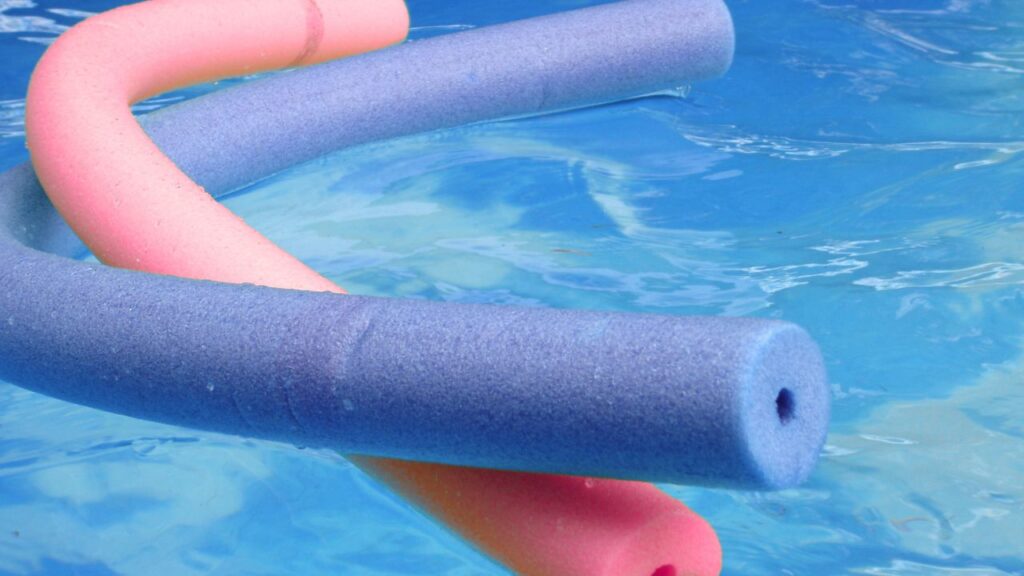
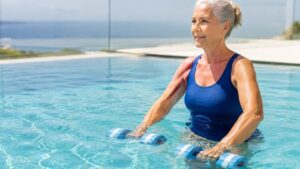
Putting safety first is key when starting any water exercise plan. If you have a heart ailment, joint issues, or recent accidents, see a physical therapist first. They can tailor modifications to suit your specific needs. Utilising the right equipment can greatly enhance both safety and performance. Water shoes grip slippery surfaces well. A flotation vest or device helps those who feel unsure in deeper water. Using pool noodles and foam dumbbells adds resistance. They keep buoyancy. Check the water depth before you start. Chest-deep water is best for most exercises. It keeps your feet grounded and provides good buoyancy. Above-ground pools often supply the perfect depth for therapeutic workouts.
Stretching Basics: Understanding Resistance in Water
Water naturally pushes back against your movements. As you move faster, this resistance grows. This lets you easily change how hard you exercise. Sluggish and controlled moves help you stretch lightly. Faster actions build functional strength. Unlike land exercises that rely on gravity, water resistance works in all directions. This engages stabilising muscle groups that often get overlooked. Working to balance against resistance helps improve your core strength. Water temperature is key to muscle flexibility. It also helps comfort while exercising. Cooler water, under 80°F, can make muscles stiff. In contrast, water above 90°F can lead to overheating.
Superman Stretch: Strengthening Spine and Core
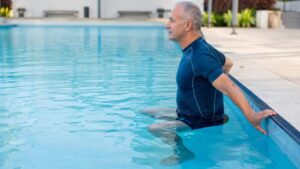
The Superman stretch works your lower back muscles. It also improves core stability. Doing this exercise in water reduces spinal stress more than the floor method. This makes it a popular choice among physical therapists for back injury recovery. Stand in chest-deep water near the pool wall or stairs for support. Hold the pool edge with both hands. Lift one leg back while reaching forward with the opposite arm. Preserve this position for 5-10 seconds before switching aspects. Water’s buoyancy supports your lifted limbs. This reduces strain on your spine and helps you focus on proper form and muscle engagement. Try to do 8-12 reps on each side. As you get stronger, slowly increase the hold time.
Water Walking: Enhancing Flexibility and Range of Motion
Water walking is a great way to improve heart health and increase joint flexibility. This gentle workout is suitable for human beings with knee osteoarthritis. It’s also great for anyone getting back into fitness. The American Council on Exercise says water walking is key to aquatic workouts. Walk forward in the shallow end of the pool. Keep your posture straight and move your arms together. Water resistance makes your muscles work harder than regular walking. It also cushions your joints. To mix it up, walk backwards, do side steps, or try high-knee marches. These changes boost hip mobility and work different muscle groups. Use the water treadmill at your facility for a steady walking routine.
Aqua Jogging: Cardiovascular Boost and Stress Relief
Aqua jogging provides a great cardio workout while being gentle on the joints. It mimics land running but takes advantage of water’s resistance. Athletes often use it for injury rehab; many choose it as their main cardio exercise.
For the best results, go to the deeper parts of the pool where your feet don’t touch the bottom. You might want to wear a flotation vest for extra support. Stand tall and move your arms and legs like you’re running. Lift your knees and pump your hands in sync. Start with sessions of 10 to 15 minutes, then increase the time as you get stronger. Water resistance makes this workout effective. It boosts your fitness without the harsh impact of normal jogging. Plus, most people feel it puts less strain on the lower back than running on land.
Leg Lifts: Joint-Friendly Muscle Strengthening
Water leg lifts are great for strengthening hip and thigh muscles. They help support your body weight and improve balance. This exercise is often used in physical therapy, especially for hip rehab.
Stand with your back against the pool wall to support yourself while exercising. Gradually lift one leg to the facet, maintaining your knee directly.
You can also try front lifts by raising your leg forward or back lifts by extending your leg behind you. The water’s gentle push works many muscles. Its buoyancy also eases pressure on joints. Aim for 10-15 repetitions in each direction for both legs to get the most out of this exercise.
Backstroke and Breaststroke: Improving Flexibility
Swimming strokes come up with a complete-frame exercise and mild stretching. The backstroke opens the chest and shoulders while stretching the front of the body. The breaststroke targets the inner thighs and improves shoulder motion. It’s key to focus on form instead of speed for stretching. Hold extended positions briefly during each stroke cycle to boost shoulder flexibility. Lap swimming with these strokes also improves cardiovascular health and flexibility. Even beginner-friendly versions have healing benefits. If you’re new to swimming, consider taking classes to learn the right method.
Latissimus Dorsi Stretch: Unlocking Upper Body Strength
The latissimus dorsi muscles run along your back. They can get tight from poor posture or sitting at a desk too long. Water stretching offers a deeper relaxation of these muscles compared to land-based methods. It enhances shoulder mobility and alleviates upper back tension. Stand in chest-deep water, dealing with the pool wall. Reach your hands to the wall at the top of your shoulder. Step back till your arms are fully extended. Then, lean forward gently.

Let the water support your weight while you stretch your lats and shoulders. Hold this stretch for 20-30 seconds. Focus on deep breathing. The warm water helps your muscles relax better than stretching in the air. This works important upper body muscles well.
Upper Trapezius Stretch: Easing Neck and Shoulder Tension
The upper trapezius muscles can get tight due to stress and bad posture. This tension may additionally cause neck aches and headaches. Stretching in water is a gentle way to reduce the risk of losing balance. Chiropractors often suggest similar stretches. These help ease neck pain. Stand in water that feels relaxed, with your feet shoulder-width apart. Slowly tilt your head to one side, moving your ear closer to your shoulder. If necessary, use your hand to apply gentle pressure. Keep the stretch for 15-20 seconds on every side.
Hydrostatic pressure from the water helps reduce muscle tension while you stretch. This creates a supportive environment that loosens tight neck muscles. Doing these stretches and gentle neck rotations relaxes your upper body and boosts flexibility. This mix helps ease tension well.
Pectoral Stretches: Opening the Chest for Better Posture
Tight chest muscles often lead to rounded shoulders and upper back discomfort. Pectoral stretches in water can balance out long hours spent hunched over desks or phones. These exercises help people with forward head posture. Stand together with your decreased return toward the pool wall in chest-deep water. Extend your arms along the wall at shoulder height to form a “T” shape. Step forward. Let the water support you as you stretch your chest muscles.
Hold this position for 20 to 30 seconds. Experience the stretch on your chest and the front of your shoulders. Water acts as a natural stabiliser. It removes worries about balance. This lets you focus on enjoying the stretch. You can adjust this exercise to fit your comfort level. Choose a static hold or a gentle dynamic motion.
Hot Tub Exercises for Enhanced Relaxation
Hot tubs provide an ideal environment for gentle stretching and muscle tension relief. Warmth and pressure work together to create a healing environment that improves flexibility. Many people find hot tub exercises very helpful for evening routines. You can start with simple neck stretches, shoulder rolls, and ankle circles. The heat boosts circulation as the water supports your joints. Add hip swings and hamstring stretches while sitting to enhance your routine. Restrict hot bathtub classes to fifteen-20 mins to save you from overheating. The warm water makes these exercises more effective. This is especially true for people with rheumatoid arthritis or chronic joint pain.
Advanced Pool Exercise Equipment and Techniques
Add special equipment to improve strength and flexibility as you continue your routine. A styrofoam noodle helps with tougher stretches and adds resistance to your workouts. Resistance gloves boost the intensity of your upper body workouts. They add extra drag in the water. Try underwater squats using a kickboard for balance. This helps build leg endurance and strengthens your core. Pool planks work your whole core. The water’s instability makes the workout tougher.
Adding water, gloves, and foam noodles introduces variety into your resistance exercises. Add aqua cycling and bicycle kick moves. They work different muscle groups well. These gears help develop a comprehensive full-body exercise routine.
For those interested in more information on the right kind of equipment, check out our guide on Top Water Weights for Pool & Resistance Workouts (2026).
Developing Your Aquatic Therapeutic Routine
Creating a good aquatic exercise plan includes different movements based on your needs. Start with a gentle 5-10 minute water walk to warm up. First, stretch the areas where you feel tension. Then, move on to strengthening exercises. To create a well-rounded habit, include cardio, flexibility, and resistance training factors. Aim for 20-30 minute sessions three times a week. Year-round access to swim spas allows for ongoing therapeutic workouts. Track your progress by watching pain levels, flexibility, and endurance changes. Experience the stretch for your chest and the front of your shoulders.
Importance of Professional Guidance for Water-Based Workouts
Aquatic therapy experts create personalised exercise plans. NJ Spine and Orthopaedic and McLaren Health Management Group offer specialised rehab programs. These programs blend clinical skills with the healing power of water. Research from the American Journal of Physical Medicine and Rehabilitation and the Cochrane Review shows that water exercises help with different health problems.
Lauren Shroyer and the Ridgeway Health & Wellness team promote water exercises. These activities help manage chronic pain. Always talk to your healthcare provider first. This is important if you have heart issues, high blood pressure, or recent surgeries like the Discseel Procedure. Professional oversight helps ensure a safe and effective workout tailored to your needs.
Embracing Your Water-Based Wellness Journey
Water exercise provides an awesome way to move and manage pain. It uses mild and effective methods for therapy. Buoyancy, resistance, and hydrostatic pressure create a perfect healing space. They also boost strength and flexibility. Aquatic exercise is a fantastic way to improve health. It helps with lower back pain, arthritis, and injury recovery. Start with simple movements. Then, gradually increase as your body adapts to this refreshing environment. Your local pool or aquatic centre has everything you need for this journey. Step into the water. Pool stretching exercises can ease tension and refresh your life.
Explore more tips at LegendarySwimmers.com
FAQs
What stretches are best for swimming and mobility?
Water shoulder rolls, leg swings, and wall-assisted hip flexor stretches are satisfactory. They improve mobility and reduce tightness before or after swimming or aquatic workouts.
How do pool stretches help with belly fat loss?
Pool stretches don’t burn belly fat directly. However, they help improve posture and engage your core. This is true, especially when combined with dynamic movements or resistance walking.
Can you lose weight by walking in the pool?
Yes. Walking in water burns calories while reducing impact on joints. It strengthens core and leg muscles, making it an ideal weight-loss-friendly aquatic activity.
How many times should I do pool stretches weekly?
Aim for two to three weekly sessions, each lasting 20 to 30 minutes. This frequency helps your body adapt. It improves flexibility, relieves pain, and aids recovery.
What is a good warm-up before water exercises?
March in place, perform shoulder circles, and gently swing arms and legs in shallow water. This warms muscles, increases blood flow, and prevents injury during aquatic stretches.
References
Read Also: Water Aerobics Exercises for Your Upper Body: 10 Effective Moves