
Stronger in the Water. Stronger in Life.
Backstroke Stroke Mechanics: Mastering Arm and Leg Movements

Learn how to swim backstroke with the right arm movements, flutter kicks, breathing, and body position. Perfect your strokes with these expert swimming tips!
Swimmers appreciate the grace of backstroke swimming. But they must use precise techniques for it to be effective. To set a personal record in a competition or improve your backstroke for fun, you need to know the basics. Each movement, from body position to arm strokes and leg kicks, plays a vital role.
The Benefits of Backstroke Swimming
Backstroke isn’t a pretty swimming style. It also provides many health and performance benefits. Here’s why it’s worth your time in the water.
Cardiovascular Advantages
Backstroke is excellent for improving cardiovascular endurance. This stroke allows for easy respiration, considering that your face remains above the water. This enhances your heart and lung function over time with consistent practice.
Muscle Development
This exercise targets multiple muscle groups, including your shoulders, core, and legs. The arm movement strengthens the upper body. It focuses on essential muscles, such as the lats, traps, and shoulders. The flutter kick targets the lower body. It works the quadriceps, hamstrings, and calves.
Swim Efficiency
Mastering stroke mechanics in backstroke means spending less energy while covering longer distances. A smooth backstroke helps improve efficiency in distance swimming. This allows swimmers to maintain their effort without getting too tired.
Body Positioning in Backstroke
Proper frame positioning is the foundation for a powerful backstroke swimming technique. Staying in a flat, streamlined position reduces drag. This helps you go faster and use less energy. Good positioning not only boosts performance but also saves energy during longer swims.
The Importance of Horizontal Alignment
Maintaining your body at water level is crucial for optimal buoyancy. Keep your head relaxed. Look up, and tuck your chin ever so slightly to maintain your alignment. Aim to keep your hips and legs high to avoid sinking and extra resistance. Engaging your core gives you more stability. Adjusting your posture slightly can reduce drag and enhance your movement in the water.
Role of Head Position
Your head position plays a critical role in maintaining balance. Keep it relaxed and steady, with your eyes focused upward toward the ceiling or sky. Avoid tilting your chin too far forward or backward. This will reduce the rubble of your alignment and cause more drag.
Arm Movement Mechanics
The arm stroke in backstroke is key to propulsion, significantly impacting your speed and efficiency.
Arm Entry and Initial Pull
The arm pull begins with a clean hand entry into the water. Lift one arm straight up next to your body. To hit the water first, rotate your pinky. This helps reduce splash and resistance. Once submerged, pull downward to grip the water using your forearm and hand for a strong catch.
Underwater Arm Motion
Your arm moves in a curved underwater path to generate power. This motion has an S-shape. Your hand sweeps down, out, and then back to your hip. This action maximizes propulsion. Keep your elbow high to stay efficient and engage stronger muscles.
Arm Recovery Process
As you improve, your arm glides smoothly out of the water. Lead along with your thumb to keep your method proper. Allow your arm to rotate comfortably overhead to reduce shoulder tension. A smooth recovery keeps your rhythm steady. It reduces strain and helps you maintain a comfortable stroke over long distances.
Breathing Techniques
Proper breathing is essential for improving your backstroke, increasing speed, and maximizing efficiency. Breathing might seem simple, but it can enhance your swimming skills.
Establishing a Rhythmic Breathing
Pattern: A rhythmic breathing habit stops oxygen debt while swimming. Time your breaths together with your strokes to keep oxygen flowing. This is key for endurance. Don’t hold your breath; exhale underwater like a fish and inhale while you stroke. With practice, this rhythm will feel natural.
Enhancing Speed Through Effective Breathing
Effective breathing improves both speed and endurance. A proper rhythm conserves energy, helping you perform better in long swims or sprints. Maintain a streamlined head movement to reduce drag. Align your body to build steady momentum. This helps reduce energy use as you breathe.
Role of Body Rotation
Body rotation is key in backstroke swimming. It cuts down drag and boosts propulsion. Proper rotation keeps swimmers streamlined, boosting efficiency.
Minimizing Drag
Roll your shoulders and hips together. Rotate in a controlled manner to ensure smooth movement. This keeps you aligned and balanced, making each stroke smoother and more powerful. Less drag saves energy, which is key for long swims or races. It also allows for a smoother glide.
Incorporating Rotation into Strokes
Moving your hips with your arms boosts your reach in both the recovery and power phases of the swing. This enables the cowl to move a greater distance with each stroke. Proper rotation helps your breathing and body alignment. This makes your technique more efficient. Training that emphasizes rotation can enhance speed and endurance.
Common Mistakes and How to Avoid Them
Even experienced swimmers face challenges with backstroke. Fixing common mistakes can improve your skills and help you progress in the water.
Over-Rotation and Its Impact
Excessive rotation of your shoulders and hips can disrupt your stability. This leads to zigzagging instead of moving in the right straight line. Line: This wastes power and reduces stroke performance. Keep your body aligned by making a slight rotation. This helps you move with ease. Think of your body as a straight line with enough rotation for efficient arm movement.
Misalignment in Arm Entry
The wrong-hand entry adds resistance and slows propulsion. This makes it more challenging to keep up with the speed. Sloppy entries cause splashing and disrupt rhythm. Aim for a clean, pinky-first entry into the water to create a smooth, efficient stroke.
Inefficient Leg Kicking
Evil kicks, like scissoring or bending the knees too much, cause drag. This slows you down. They also strain your upper body, causing fatigue. Preserve kicks are small, short, and rhythmic, with a moderate bend at the inside of the knee. Engage your core for steady, powerful kicks that enhance your stroke.
Refining these details can boost your backstroke. It helps you glide through the water with greater ease and assurance.
Take Your Backstroke to the Next Level
Mastering the backstroke is all about precision and consistency. Every part matters for your performance in the water. This means you need to find a balanced body position. You should additionally improve your arm pull and master your flutter kick. Drills for Improvement
Drills help improve your backstroke technique and boost your performance. By breaking down each part of the stroke, you can focus on specific areas and see real progress.
Arm-Focused Drills
Single-arm backstroke drills refine your arm stroke technique. Swim with one arm while the other stays at your side, focusing on smooth, controlled water entries. Keep your fingers first to cut the splash. Focus on strong, efficient underwater movements for better propulsion. This drill also improves balance and coordination. Alternate arms on time to ensure balanced practice.
Leg-Focused Drills
Kickboard drills help you improve your flutter kick. They also build strength, patience, and rhythm. Hold the kickboard with your arms out. Focus on steady kicks. Keep your knees in a relaxed position and use your hips to generate power. Aim for steady kicks with a minimal splash to increase strength and propulsion. Add underwater dolphin kicks for an extra challenge.
Full Stroke Integration
Combine the parts with patience and precision, then smooth them out. This helps you practice your full backstroke. Focus on good technique: keep your head neutral, rotate your torso ly, and sync your arms and legs. Prioritise technique over speed to build strong mechanics.
FAQs
- What muscles does the backstroke work?
Backstroke activates the shoulders, lats, traps, core, and legs. Arm strokes build upper body strength. The flutter kick works the quadriceps, hamstrings, and calves.
- Why is body position important in backstroke?
Lying flat in the water cuts drag and boosts buoyancy. This position leads to a smoother, quicker swim and less fatigue.
- How should arms move during the backstroke?
Begin with a pinky-first entry. Next, pull in an S-shape underwater. Then, recover above water with a thumb-first movement. This relaxed approach helps to reduce shoulder strain.
- What is a common backstroke kicking mistake?
Kicking from the knees or using large scissors kicks reduces efficiency. Instead, kick from the hips with a slight knee flex for consistent propulsion.
- How does body rotation help in backstroke?
Body rotation reduces drag and increases reach. Rolling the hips and shoulders together enhances stroke power and swim rhythm.
References
Share:
More Posts


Start Training in the Water
Free Resources
Improve your swimming, build strength, or move with less impact using the water as your training space.
Choose a free resource below to get started.
Recommended Equipment
These are some of the swim training tools and aquatic fitness essentials commonly used to improve technique, build strength, and create a more effective experience in the water.
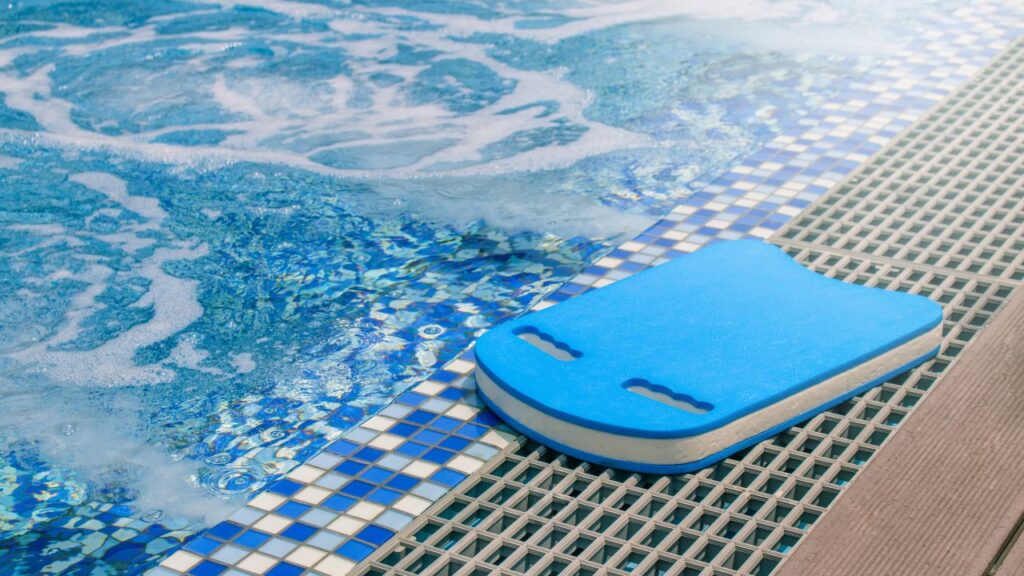
Kickboard Training
Helps improve kicking strength, body position, and lower-body endurance during swim practice.
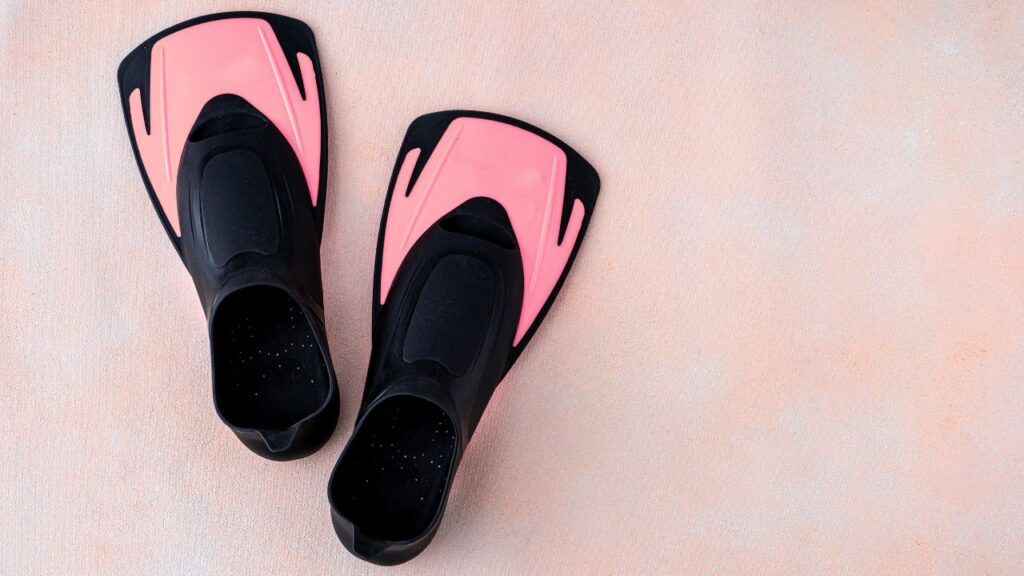
Swim Training Fins
Builds leg power, improves kick technique, and creating smoother movement through the water.
Pull Buoy Float
Supports upper-body focused swim training by helping stabilize the legs during drills and technique work.
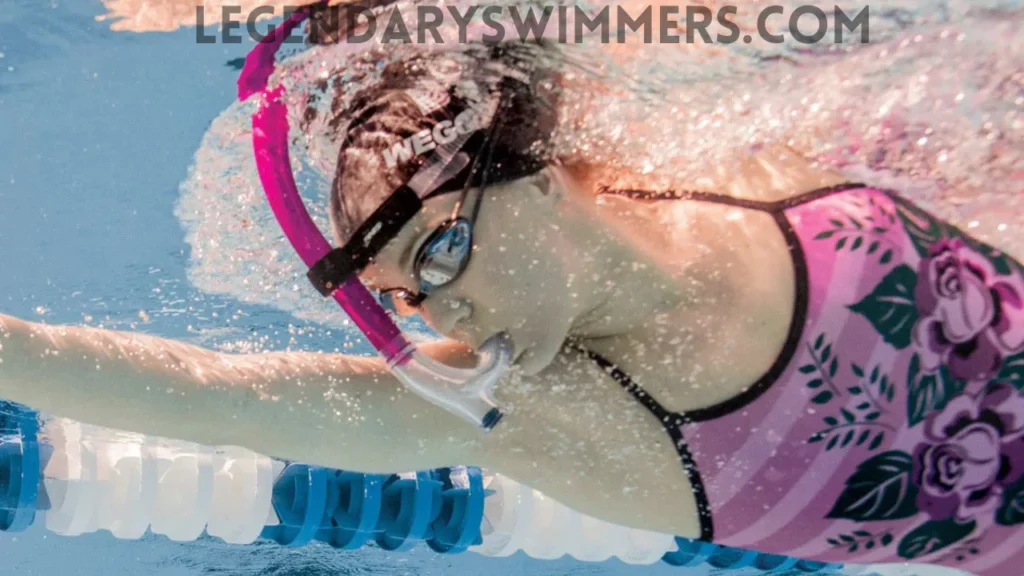
Front-Mount Swim Snorkel
Allows swimmers to focus on body position and stroke technique without turning to breathe.

Swim Goggles
Designed to improve underwater visibility and comfort during training, lap swimming, and aquatic workouts.

Swim Cap
Helps reduce drag, improve comfort, and keep hair more secure during swim training and aquatic workouts.
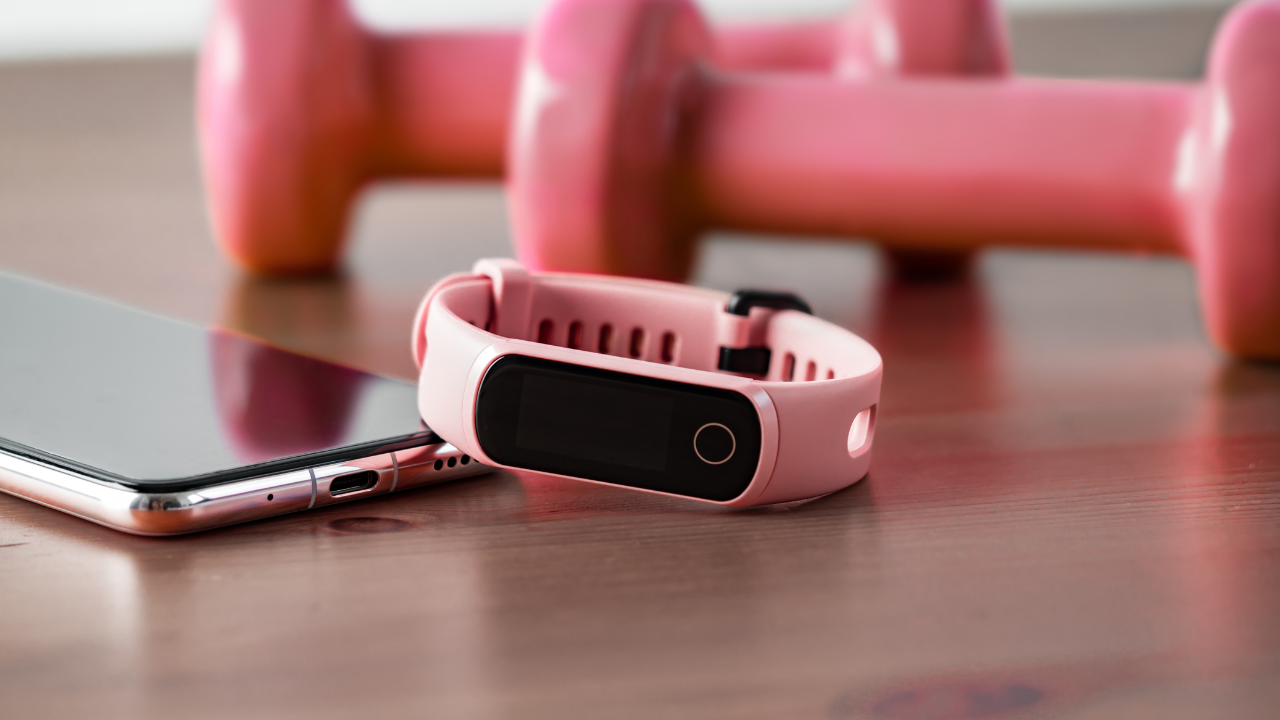
Waterproof Fitness Tracker
Tracks movement, activity, heart rate, and consistency during swimming, pool walking, and aquatic wellness routines.
Disclosure: Links above are affiliate links, meaning Legendary Swimmers may earn a small commission at no additional cost to you.
Choose How You Prefer to Train in Water
Whether you are here to improve your swimming, build strength, or move with less impact, Legendary Swimmers gives you simple ways to use the water as your training space.
Start with one of our free resources below and choose the path that fits how you want to move in the water.