
Stronger in the Water. Stronger in Life.
30-Minute Pool HIIT Workout for Strength, Fat Loss & Endurance

Time is a luxury for many people balancing work, family, and personal health. Traditional gym workouts can be time-consuming, but swimming provides a full-body workout in half the time. Interval training in the pool maximizes calorie burn, builds endurance, and tones muscles without stressing the joints. Unlike other cardio workouts, water resistance engages multiple muscle groups simultaneously, making each movement more effective. For beginner swimmers looking to improve technique while staying fit here is a Complete Guide.
Key Benefits of 30-Minute Pool HIIT Workouts
1. Efficient Calorie Burning
Swimming interval training combines aerobic and anaerobic exercises, which increase metabolic rate. Studies indicate that HIIT workouts, including pool sessions, can result in an afterburn effect, where the body continues burning calories even after the workout. As an example: A 155-pound woman can burn approximately 500–700 calories per hour with high-intensity swimming intervals, depending on effort and stroke type.
In one study with sedentary young adults, five weeks of aquatic calisthenic HIIT resulted in significant improvements in cardiorespiratory fitness and a reduction in body fat percentage (on the order of 2–3% reduction), reflecting the high energy cost of the exercise. Although the study did not report a specific “calories per hour” number, these body composition changes are consistent with an effective calorie-burning stimulus in water.
[Source: McDaniel et al., 2020 (NCBI PMC)]
2. Strengthens Core and Full Body Muscles
Water provides 12–14% more resistance than air, engaging muscles in all directions and making movements more challenging than land-based exercises. Every kick, stroke, and movement engages the core, legs, arms, and back muscles, creating a balanced toning effect.
3. Joint-Friendly & Injury Prevention
For people recovering from injuries or managing conditions like arthritis, pool workouts offer a low-impact alternative to running or weightlifting. The buoyancy of water supports body weight, reducing strain on knees and hips. According to NIH research buoyancy of water supports up to 90% of body weight, reducing joint stress by 50% compared to land-based workouts.
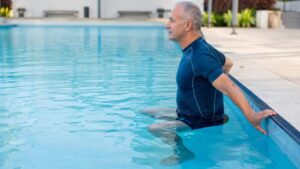
Swimming and aquatic exercise may also help adults maintain mobility and stay active while supporting long-term bone and joint health, especially for those managing conditions like osteoporosis. Many people recovering from injuries also combine swimming with water aerobic exercises to improve blood circulation, mobility and confidence in the pool. For beginners or older adults, pool walking can also provide a gentle introduction to aquatic fitness.
4. Enhances Cardiovascular Health
Swimming is an excellent way to improve heart and lung function. Women also had a 36% reduced risk for a fatal heart attack, stroke, or other cardiovascular event, while men had a 14% reduced risk.
According to The American Heart Association, 30 minutes of swimming a day can reduce coronary heart disease in women by 30 to 40%. That’s because swimming raises HDL levels, also known as “good” cholesterol, so for every 1% increase in HDL, the risk of dying from heart disease drops by 3.5%.
Low-impact pool workouts can help people stay active while reducing stress on the knees, hips, and lower back.
5. Boosts Mental Well-being
Swimming is linked to reducing stress and improving mood by releasing endorphins. The rhythmic breathing and movements can be meditative, helping busy people clear their minds and relieve anxiety.
30-Minute Interval Training Pool Workouts
Each session consists of a warm-up, main set, and cooldown. The main set is divided into short bursts of high-intensity swimming, followed by active recovery. For swimmers looking to improve technique while staying fit, developing strong freestyle mechanics can also improve endurance and overall efficiency in the water.
Workout 1: Fat-Burning HIIT Swim (Best for Weight Loss)
| Phase | Duration | Description |
|---|---|---|
| Warm-Up | 5 minutes | Easy freestyle swim combined with 2–3 minutes of dynamic stretches (e.g., arm circles, leg swings). |
| Main Set | 20 minutes | – 50m fast sprint (or 30 seconds of maximum effort) – 45–60 seconds of rest (tread water or hold pool edge) – 50m slow recovery swim (or 30 seconds at an easy pace) Repeat 6–8 times (adjust based on fitness level) |
| Cooldown | 5 minutes | Easy backstroke and breaststroke mix with a low-intensity focus (e.g., easy backstroke emphasizing slow, controlled breathing). |
Workout 2: Full-Body Endurance Session (Best for Strength & Stamina)
| Phase | Duration | Description |
|---|---|---|
| Warm-Up | 5 minutes | 200m easy swim (mixed strokes) combined with 2–3 minutes of dynamic stretches (e.g., arm swings, leg kicks). |
| Main Set | 20 minutes | Set 1: – 100m freestyle at a fast pace (≥80% effort) – 50m flutter kick with a kickboard (25m sprint kick followed by 25m steady pace) – 100m breaststroke at a moderate pace with focus on glide – 50m backstroke at an easy recovery pace Rest: 20–30 seconds after each set Repeat: 3–4 times (adjust based on fitness level) |
| Cooldown | 5 minutes | Light sculling and stretching in the water. |
Workout 3: Speed & Power Focus (Best for Building Speed & Core Strength)
| Phase | Duration | Description |
|---|---|---|
| Warm-Up | 5–7 minutes | Mix strokes with a focus on loosening shoulders and hips. |
| Main Set (Advanced Option) | 20 minutes | – 25m Butterfly Sprint (or 15m for shorter pools) – Rest 45–60 seconds (recover fully to maintain power) – 50m Freestyle Sprint (add hand paddles for resistance) – Rest 45–60 seconds – 25m Dolphin Kick (underwater or with a kickboard) Repeat: 4–6 times (adjust based on skill level) |
| Main Set (Beginner Option) | 20 minutes | – Replace butterfly with 25m Freestyle Sprint – Use 15m Dolphin Kick (with kickboard) instead of 25m – Repeat: 3–4 sets (reduce repeats for a beginner-friendly session) – Rest 45–60 seconds between each segment |
| Cooldown | 5 minutes | Slow breaststroke and floating relaxation. |
How to Make the Most of Your Pool Sessions
1. Use a Variety of Strokes
Freestyle is the fastest, but incorporating breaststroke, backstroke, and butterfly engages different muscle groups for a balanced workout. Breaststroke can be especially useful for swimmers looking for a lower-impact way to build endurance and full-body strength.
2. Focus on Breathing Techniques
Controlled breathing is essential for efficiency. Exhale underwater and inhale quickly during the stroke turn to avoid breaking the rhythm. Developing proper breathing rhythm can significantly improve swimming efficiency, endurance, and overall comfort in the water. Explore our guide on breathing techniques tips for efficient swimming to improve breath control and stroke timing.
3. Add Equipment for Resistance Training
- Kickboard: Isolates lower body muscles
- Pull buoy: Focuses on upper body strength
- Hand paddles: Increases arm resistance
4. Stay Hydrated
Many swimmers underestimate fluid loss in water. Drink at least 500ml of water before and after the session to stay hydrated. Even during pool workouts, the body can still lose fluids through sweat and breathing. If you are wondering whether you can sweat while swimming or how dehydration affects aquatic fitness performance, explore our complete guide on hydration during swimming and aqua aerobics.
5. Monitor Progress
Track swim times, stroke counts, and endurance improvements using a waterproof fitness tracker like Garmin Swim 2 or Fitbit Versa 4.
FAQs
1. Is swimming effective for weight loss?
Yes, swimming burns calories efficiently.
2. How often should I do interval training in the pool?
For best results, 3-4 times a week is recommended, depending on fitness goals and recovery time.
3. Can I build muscle with swimming?
Yes, swimming provides resistance-based muscle toning, especially when incorporating strokes that engage the upper body and core.
4. What’s the best stroke for burning fat?
Butterfly burns the most calories, followed by freestyle, due to their high energy demands and full-body engagement. Butterfly sprints are advanced—beginners should modify with freestyle or breaststroke.
5. Do I need to know all four strokes to do interval training?
No, freestyle is enough, but adding variety can improve endurance and work different muscle groups. Beginners may also benefit from learning foundational swimming techniques before progressing into higher-intensity interval workouts.
Conclusion
For busy women looking for an effective, time-efficient way to stay fit, 30-minute interval pool workouts offer the perfect balance of cardio, strength, and endurance. Whether the goal is weight loss, muscle toning, or cardiovascular health, structured pool sessions can deliver powerful results without the wear and tear of land workouts.
Key Takeaways:
- Interval training in the pool burns up to 500 calories per hour. (depending on weight, intensity, and swimming strokes)
- Water resistance naturally tones muscles while reducing joint strain.
- Short, intense workouts maximize results in minimal time.
- Breathing control and stroke techniques enhance efficiency.
- Women can achieve fitness goals with just 3-4 sessions per week.
Start incorporating these structured workouts into your routine and experience the benefits of swimming for fitness, strength, and overall well-being.
References
Share:
More Posts
Start Training in the Water
Free Resources
Improve your swimming, build strength, or move with less impact using the water as your training space.
Choose a free resource below to get started.
Recommended Equipment
These are some of the swim training tools and aquatic fitness essentials commonly used to improve technique, build strength, and create a more effective experience in the water.
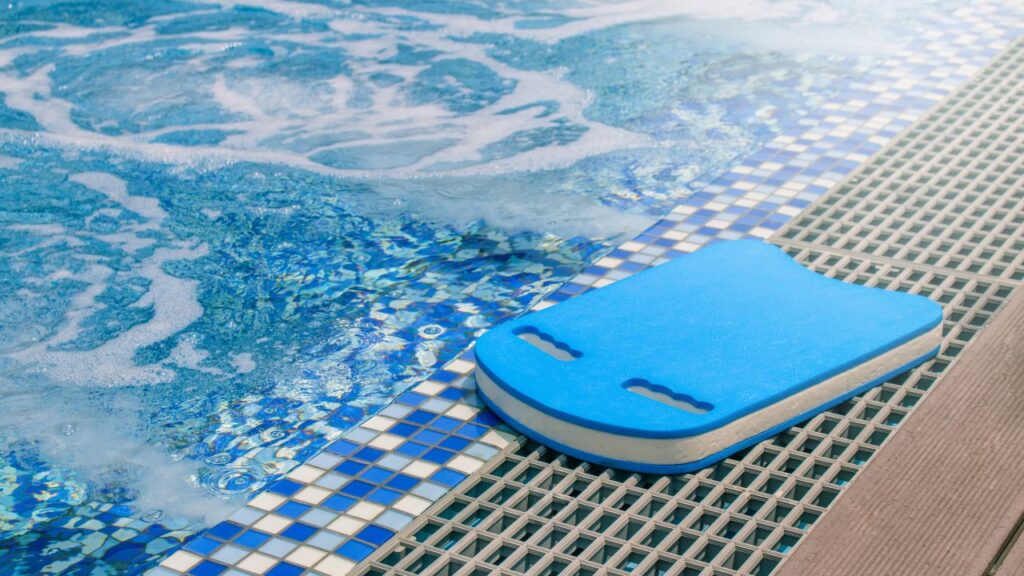
Kickboard Training
Helps improve kicking strength, body position, and lower-body endurance during swim practice.
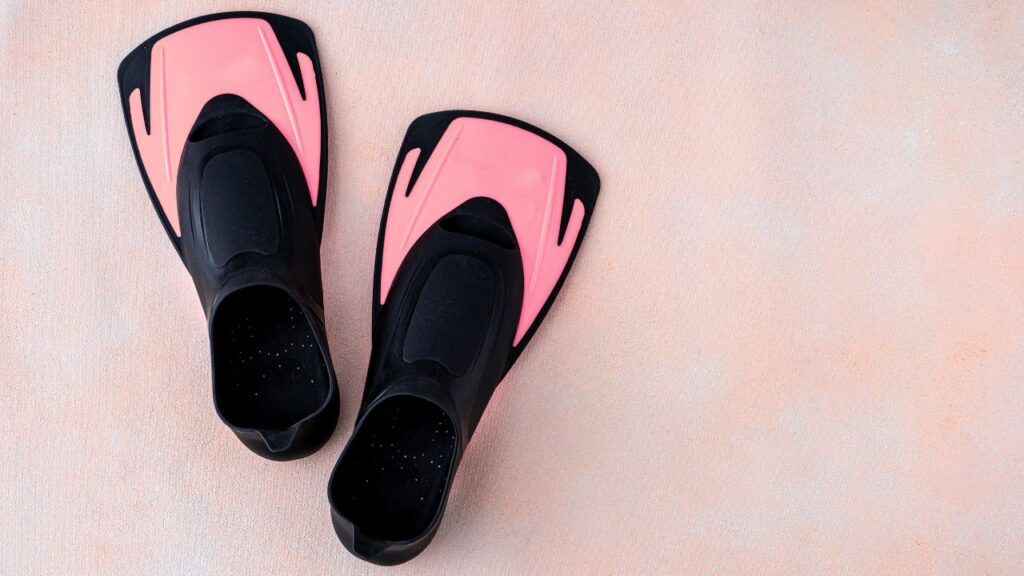
Swim Training Fins
Builds leg power, improves kick technique, and creating smoother movement through the water.
Pull Buoy Float
Supports upper-body focused swim training by helping stabilize the legs during drills and technique work.
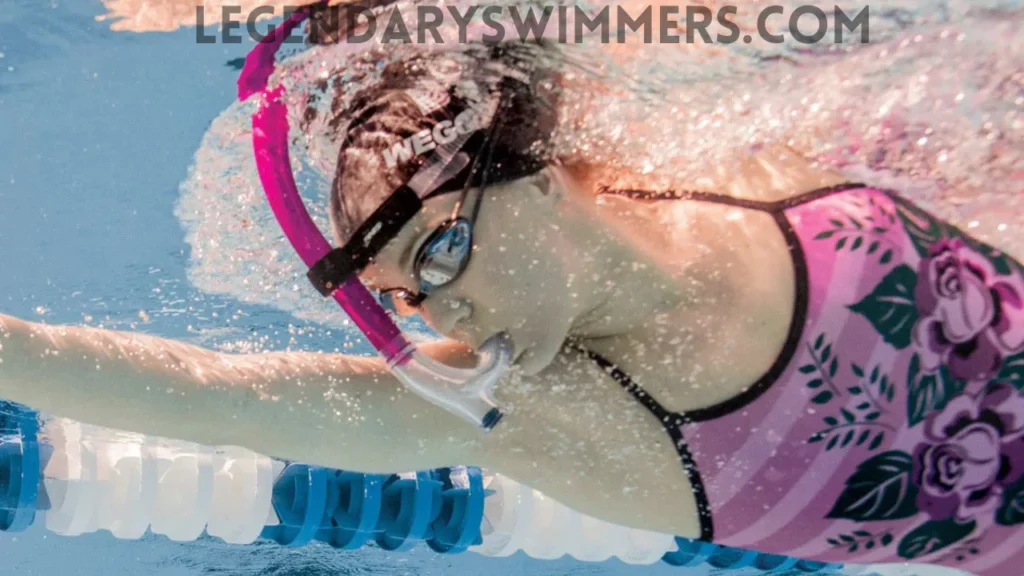
Front-Mount Swim Snorkel
Allows swimmers to focus on body position and stroke technique without turning to breathe.

Swim Goggles
Designed to improve underwater visibility and comfort during training, lap swimming, and aquatic workouts.

Swim Cap
Helps reduce drag, improve comfort, and keep hair more secure during swim training and aquatic workouts.
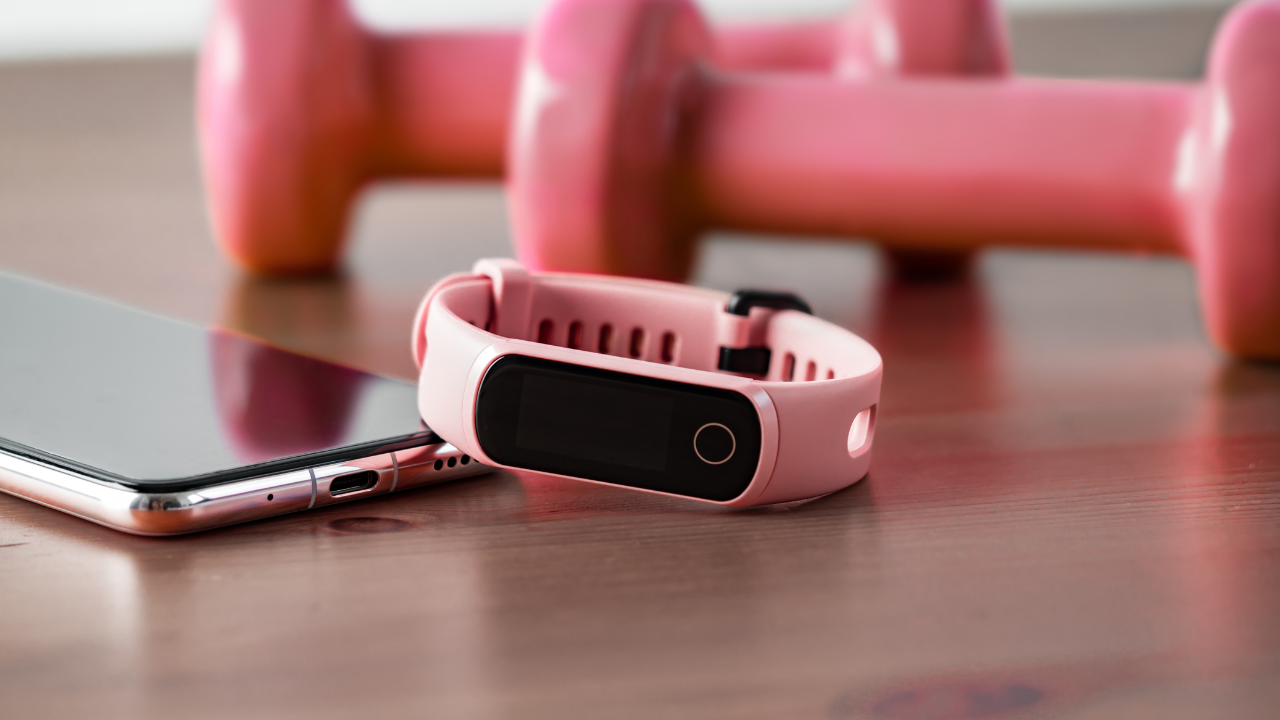
Waterproof Fitness Tracker
Tracks movement, activity, heart rate, and consistency during swimming, pool walking, and aquatic wellness routines.
Disclosure: Links above are affiliate links, meaning Legendary Swimmers may earn a small commission at no additional cost to you.
Choose How You Prefer to Train in Water
Whether you are here to improve your swimming, build strength, or move with less impact, Legendary Swimmers gives you simple ways to use the water as your training space.
Start with one of our free resources below and choose the path that fits how you want to move in the water.