
Stronger in the Water. Stronger in Life.
Why Low-Impact Water Workouts Support Strength & Longevity
Why Water Workouts Support Strength & Longevity
Low-impact water workouts are becoming one of the most effective ways to build strength, support joint health, and stay active long-term without placing unnecessary stress on the body. Whether through swimming, aquatic fitness, pool resistance training, or guided water movement, exercising in water offers a unique combination of strength, mobility, cardiovascular support, and low-impact movement that many traditional workouts simply cannot provide.
For many people, especially those dealing with joint discomfort, stiffness, previous injuries, or high-impact fatigue, water creates an environment where movement starts feeling good again.
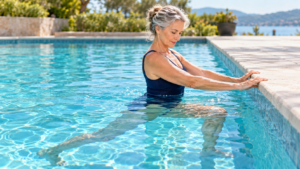
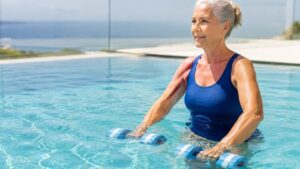
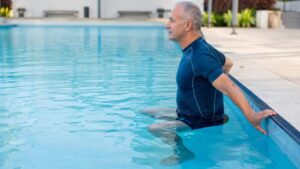
Unlike land-based exercise, water naturally supports the body while simultaneously creating resistance in every direction. This allows you to strengthen muscles, improve mobility, and build endurance without placing constant pressure on the joints.
Why Water Workouts Feel Different
One of the biggest benefits of low-impact water workouts is buoyancy.
When you move in water, your body becomes partially supported by the water itself. According to the U.S. Environmental Protection Agency, water can significantly reduce impact forces placed on the joints during exercise. This is why many people find that movements that feel uncomfortable on land suddenly become manageable in the pool.
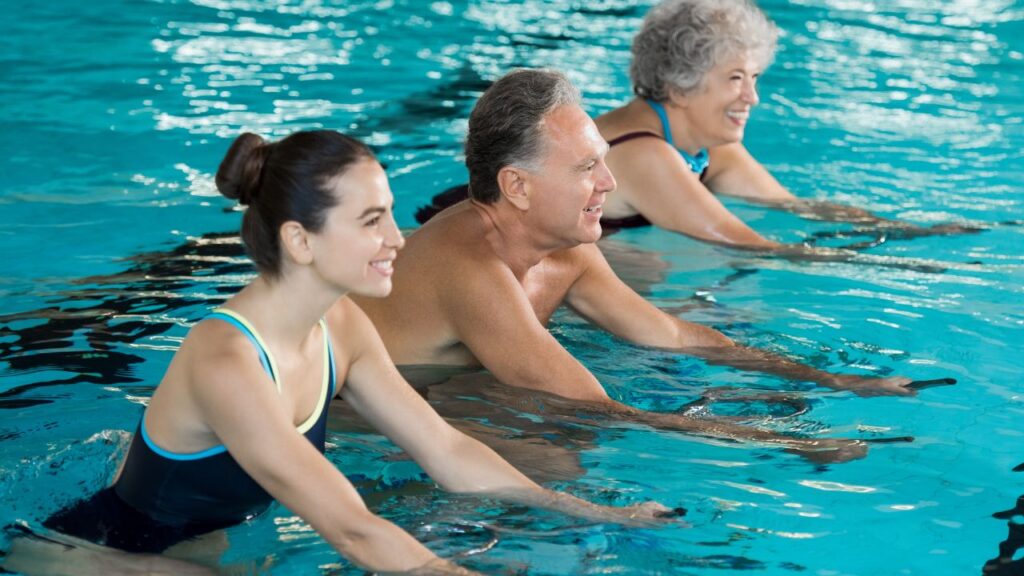
At the same time, water adds natural resistance to every movement. Even simple motions like walking, pressing, kicking, or lifting the arms become forms of resistance training. If you’re interested in learning more about the benefits of water walking, check out Benefits of Pool Walking: Why Water Walking is Great for Your Health.
This creates a combination that is difficult to replicate elsewhere:
- lower impact
- full-body resistance
- joint-friendly movement
- cardiovascular conditioning
- mobility support
For many adults, this becomes a more sustainable way to stay active long-term. If you’re interested in learning more about the physical and mental benefits swimming can provide, check out our complete guide on how swimming supports overall health and well-being.
Water Resistance Helps Build Strength
Many people assume water workouts are only for light cardio or recovery, but water resistance training can be surprisingly effective for strength development. Unlike many high-impact workouts, movement in water can help you build endurance without leaving your body feeling completely depleted afterward.
Because water provides resistance in all directions, the muscles remain engaged throughout the entire movement. Unlike traditional weightlifting where gravity mostly works in one direction, water continuously challenges stability and control. Even in the pool, hydration still plays an important role in recovery, endurance, and overall performance during aquatic exercise.
This is why aquatic fitness exercises often help improve:
- muscular endurance
- balance
- coordination
- postural strength
- core stability
- functional movement
Research published in the Journal of the International Society of Sports Nutrition also highlights how hydration, muscular fatigue, and exercise stress can impact performance and recovery during physical activity. Water-based training environments may help reduce some of the mechanical stress associated with repetitive high-impact exercise.
Low-Impact Exercise Supports Longevity
Longevity is not simply about exercising harder. It is about finding movement you can consistently sustain over time.
One of the main reasons people stop exercising is not lack of motivation — it is discomfort.
High-impact workouts can become difficult for individuals managing:
- knee discomfort
- joint stiffness
- previous injuries
- mobility limitations
- recovery fatigue
- chronic soreness
Water workouts create an alternative that allows people to continue moving while reducing unnecessary stress on the body.
This is one reason aquatic movement is often used by:
- active older adults
- athletes during recovery
- individuals returning to exercise
- people seeking joint-friendly workouts
- swimmers cross-training for strength and mobility
The goal is not simply avoiding impact. The goal is preserving movement quality for years to come.
Swimming and Water Fitness Work Together
Swimming is already known as one of the best full-body exercises available. But combining swimming with aquatic strength and mobility work creates an even more complete movement approach.
Swimming improves:
- endurance
- breathing control
- coordination
- cardiovascular health
Water workouts and aquatic fitness add:
- resistance training
- mobility support
- joint-friendly strengthening
- stability work
- controlled movement patterns
Together, they create a well-rounded approach to movement in water.
This is part of why aquatic training is evolving beyond traditional “water aerobics.” Modern water workouts now include:
- resistance-based movement
- mobility training
- aquatic HIIT
- recovery sessions
- swim conditioning
- functional movement exercises
The pool is no longer just for cardio. It has become a space for sustainable strength and longevity training. For an even deeper benefit, check out How Aquatic Exercises Boost Blood Circulation Naturally.
And if you’re interested in a higher-intensity approach, pool-based HIIT workouts or the right kind of Aqua Aerobic exercises can challenge both strength and cardiovascular endurance while still remaining gentler on the joints than many traditional land workouts.
Related Reading
Water Workouts Can Help Reduce Joint Stress
According to research referenced throughout aquatic exercise literature, water-based movement can reduce mechanical loading on the joints while still allowing meaningful muscular engagement. This is one reason many people report feeling more comfortable exercising in water compared to land-based environments.
Water also helps support controlled movement patterns that may feel difficult during traditional workouts involving:
- jumping
- repetitive impact
- hard surfaces
- rapid directional changes
This makes pool workouts especially appealing for individuals trying to stay active while taking care of their knees, hips, back, or overall joint health.
Movement in Water Is More Than Exercise
For many people, water workouts become more than fitness.
They become:
- a way to move consistently
- a way to rebuild confidence
- a way to stay active without fear of pain
- a way to reconnect with movement
That matters.
Because the best exercise program is not the hardest one. It is the one your body allows you to continue doing long-term.
Final Thoughts
Water workouts support strength and longevity by combining resistance, mobility, cardiovascular movement, and joint-friendly exercise into one environment.
Whether through swimming, aquatic fitness, pool resistance training, or simple movement in water, the pool offers a sustainable approach to staying active without constantly battling impact and soreness.
As more people begin prioritizing mobility, healthy aging, recovery, and long-term movement quality, low-impact water workouts are becoming one of the most effective ways to support the body for years to come.
Reference Links
U.S. Environmental Protection Agency (EPA)
EPA Healthy Swimming Information
Journal of the International Society of Sports Nutrition
Journal of the International Society of Sports Nutrition Study
Journal of Physiology
Sports Dietitians Australia
National Institutes of Health (NIH)
Share:
More Posts
Start Training in the Water
Free Resources
Improve your swimming, build strength, or move with less impact using the water as your training space.
Choose a free resource below to get started.
Recommended Equipment
These wellness-focused aquatic tools help support recovery, mobility, balance, and overall comfort while creating a more sustainable movement experience in and around the water.
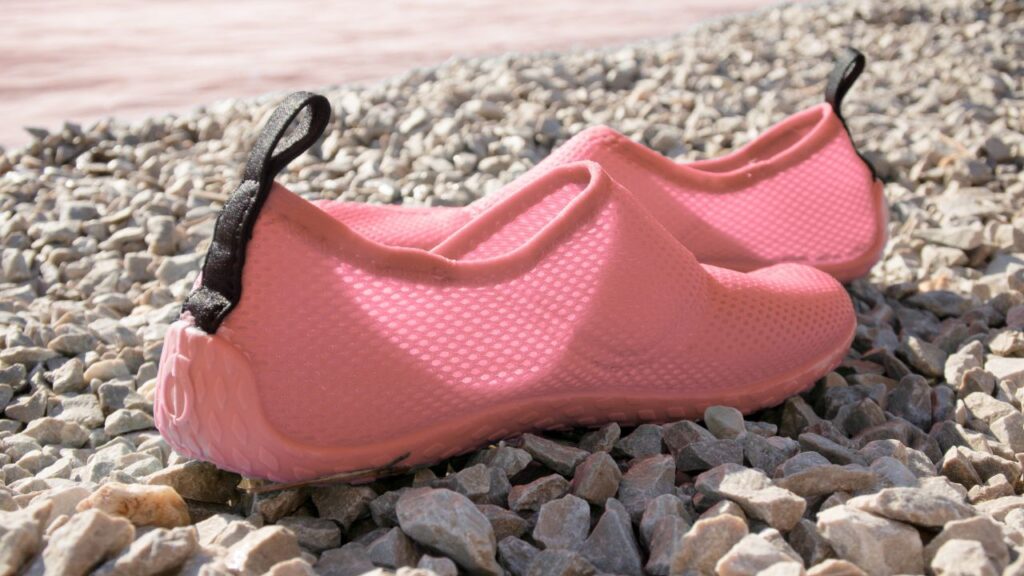
Water Shoes
Provides grip, stability, and foot protection for pool walking, aquatic recovery sessions, and low-impact water exercise routines.
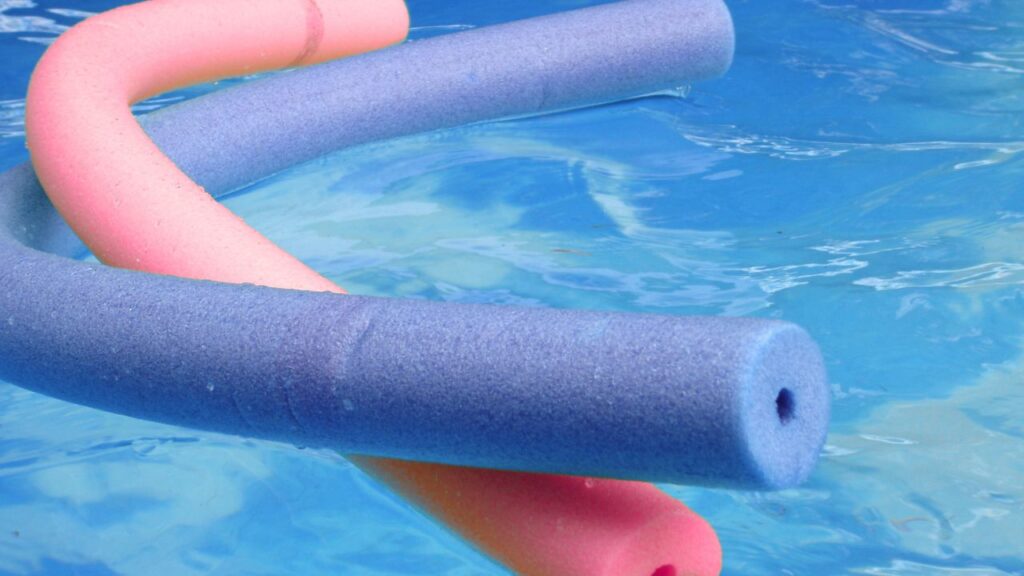
Pool Noodle / Flotation Aid
Offers flotation support for balance, gentle movement, stretching, and relaxation during aquatic wellness and recovery exercises.
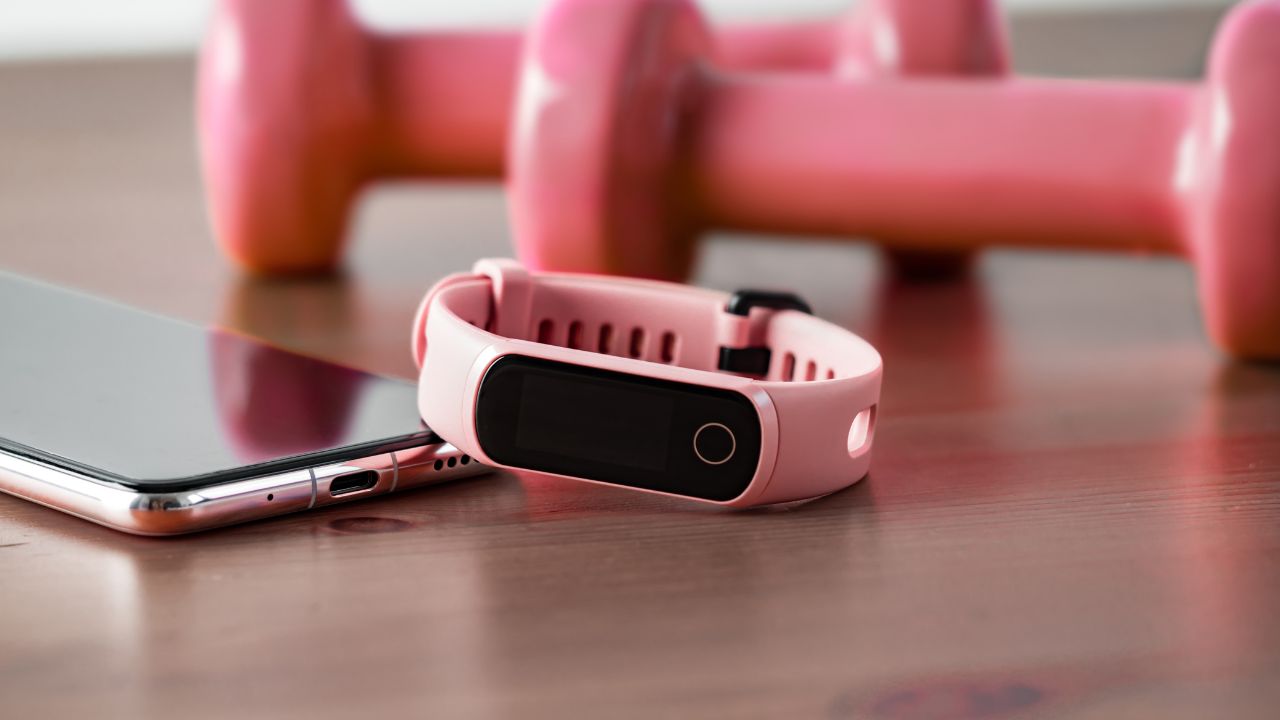
Waterproof Fitness Tracker
Tracks movement, activity, heart rate, and consistency during swimming, pool walking, and aquatic wellness routines.

Aqua Fitness Swim Bar with Padded Grip
Supports aquatic therapy, recovery sessions, and low-impact water exercise by improving grip comfort, stability, and controlled movement in the water.
Disclosure: Links above are affiliate links, meaning Legendary Swimmers may earn a small commission at no additional cost to you.
Choose How You Prefer to Train in Water
Whether you are here to improve your swimming, build strength, or move with less impact, Legendary Swimmers gives you simple ways to use the water as your training space.
Start with one of our free resources below and choose the path that fits how you want to move in the water.