

Stronger in the Water. Stronger in Life.
Why Does Swimming Make You Hungry? Post-Swim Hunger Explained

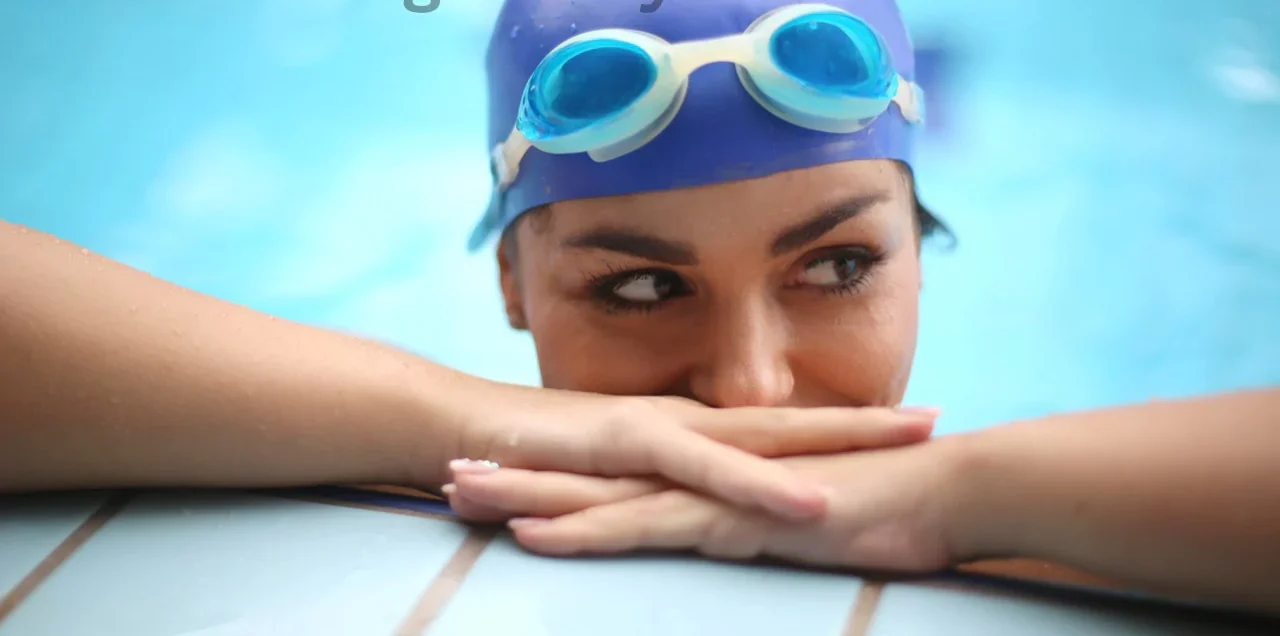
Many people notice something surprising after spending time in the pool: they feel extremely hungry after swimming. Whether you finish a lap session, aqua aerobics class, or aquatic fitness workout, the urge to eat afterward can sometimes feel stronger than after a traditional gym workout.
So, why does swimming make you hungry?
The answer involves a combination of calorie expenditure, body temperature regulation, muscle recovery, and energy demands placed on the body during aquatic exercise. Even though swimming often feels refreshing and low-impact, it still requires significant physical effort that can increase appetite after exercise.
Understanding why post-swim hunger happens can help swimmers and aquatic fitness participants better support recovery, maintain energy levels, and make healthier nutrition choices.
Why Does Swimming Make You Hungry?
Swimming engages multiple muscle groups at the same time while also forcing the body to work against water resistance. This increases energy expenditure and can lead to greater calorie burn during workouts.
Unlike some forms of exercise, swimming also exposes the body to cooler water temperatures. According to research published by the National Institutes of Health (NIH), exercising in cooler environments may influence appetite and energy balance after physical activity.
During swimming, the body works to:
- Maintain body temperature
- Power muscle movement
- Support breathing patterns
- Maintain cardiovascular performance
All of this requires energy, which can increase feelings of hunger afterward.
Many swimmers underestimate how physically demanding aquatic exercise can be simply because the water reduces impact on the joints and keeps the body cool during movement.
Swimming Can Burn More Calories Than People Realize
One reason why swimming makes you hungry is because swimming can burn a substantial number of calories depending on intensity, duration, and swimming style.
Higher-intensity swimming workouts and aquatic fitness sessions may increase calorie expenditure even further because water provides continuous resistance during movement.
Swimming workouts may also involve:
- Core engagement
- Upper-body resistance
- Leg endurance
- Cardiovascular conditioning
If your goal is fat loss or calorie burn, you may also enjoy our guide on swimming for weight loss and how aquatic exercise can support long-term fitness goals.
Cold Water and Appetite After Swimming
Another factor that may contribute to post-swim hunger is water temperature.
When the body spends time in cooler water, it must work harder to maintain its internal temperature. This additional energy demand may contribute to increased hunger after swimming.
Some studies suggest that cooler environments can affect appetite hormones and increase food intake after exercise compared to workouts performed on land in warmer conditions.
This is one reason many swimmers report feeling especially hungry after longer pool sessions.
Cold water exposure can affect the body in several ways beyond appetite and recovery. You can also explore our guide on the benefits of cold water swimming and how lower water temperatures may impact circulation, recovery, and overall wellness.
Muscle Recovery and Energy Needs
Swimming is a full-body workout that places continuous demands on muscles and the cardiovascular system.
After exercise, the body begins recovering by:
- Replenishing glycogen stores
- Repairing muscle tissue
- Restoring fluid balance
- Supporting recovery processes
These recovery demands can naturally increase appetite after workouts.
If you are also experiencing fatigue after pool workouts, you may want to read our article on why swimming can make you feel tired after exercise.
Does Aqua Aerobics Make You Hungry Too?
Yes. Aqua aerobics and aquatic fitness classes can also increase hunger levels after exercise.
Many aquatic fitness workouts combine:
- Resistance movements
- Cardio intervals
- Core exercises
- Full-body movement patterns
Even though water exercise feels gentler on the body, it still requires energy and muscular effort.
This is especially true during:
- Pool HIIT workouts
- Aqua jogging
- Resistance-based water exercises
- Deep-water cardio sessions
Even shorter aquatic fitness sessions can still challenge the muscles and cardiovascular system while remaining gentle on the joints. If you would like to experience a beginner-friendly water workout, you can also try our free 15-minute aqua fitness demo designed to introduce low-impact aquatic exercise.
Should You Eat After Swimming?
Yes. Eating after swimming can help support recovery and energy levels after exercise.
A balanced post-swim snack or meal may help:
- Restore energy
- Support muscle recovery
- Reduce excessive hunger later
- Improve workout recovery
Good post-swim nutrition options may include:
- Greek yogurt with fruit
- Protein smoothies
- Eggs and whole grains
- Lean protein with vegetables
- Hydrating foods like watermelon or oranges
Avoid relying only on sugary snacks or processed foods immediately after swimming, especially if your goal is long-term wellness or weight management. Proper nutrition after swimming can help support recovery, energy levels, and muscle repair. You can also explore our guide on the best foods for swimmers to support performance and recovery.
Hydration Also Matters
Sometimes thirst can also feel like hunger after swimming.
Because swimmers and aquatic fitness participants may not notice sweat loss in the water, dehydration can sometimes contribute to fatigue and increased appetite after workouts. In some cases, dehydration may also contribute to increased appetite after exercise, especially during longer pool workouts.
Proper hydration helps support:
- Recovery
- Cardiovascular performance
- Muscle function
- Energy levels
You can learn more in our guide on hydration during swimming and aqua aerobics.
Final Thoughts: Swimming Uses More Energy Than You Think
So, why does swimming make you hungry?
Swimming challenges the body in several ways at once. Water resistance, calorie expenditure, temperature regulation, and muscle recovery all contribute to increased energy demands during aquatic exercise.
Even though swimming often feels relaxing and low-impact, it is still a powerful full-body workout that can naturally increase appetite afterward.
Understanding post-swim hunger can help you make smarter choices around hydration, recovery, and nutrition so you can continue enjoying the benefits of swimming and aquatic fitness long term.
Swimming and aquatic fitness can support cardiovascular health, endurance, and overall wellness while remaining gentle on the joints.
Conclusion
Swimming and aquatic fitness may feel refreshing and low-impact, but they still place significant demands on the body. Water resistance, calorie burn, temperature regulation, and muscle recovery all work together to increase energy needs during and after exercise.
If you often feel hungry after swimming, your body is likely responding to the physical effort required during your workout. Paying attention to hydration, recovery, and balanced nutrition can help support energy levels and overall wellness while continuing to enjoy the benefits of aquatic exercise.
Whether you are swimming laps, participating in aqua aerobics, or following a pool workout routine, understanding post-swim hunger can help you make smarter recovery choices and stay consistent with your fitness goals.
FAQs
Why am I so hungry after swimming?
Swimming uses energy from multiple muscle groups while also forcing the body to regulate temperature in the water. This can increase appetite after workouts.
Does swimming burn a lot of calories?
Yes. Swimming can burn a significant number of calories depending on workout intensity, duration, and swimming style.
Can aqua aerobics increase hunger too?
Yes. Aqua aerobics and aquatic fitness workouts still require energy and muscular effort, which can increase hunger after exercise.
What should I eat after swimming?
Balanced meals with protein, healthy carbohydrates, and hydration-supporting foods are good options after swimming.
Can dehydration make you feel hungry after swimming?
Sometimes. Mild dehydration may contribute to fatigue and feelings that resemble hunger after exercise.
References
- National Institutes of Health (NIH) – Exercise and Energy Balance
- American Heart Association – Staying Hydrated During Exercise
- American Council on Exercise (ACE) – Swimming and Calorie Burn
- Harvard Health Publishing – Exercise, Appetite, and Recovery
Explore more aquatic fitness and swimming wellness articles at LegendarySwimmers.com
Share:
More Posts

Start Training in the Water
Free Resources
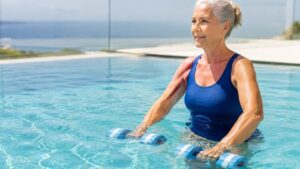
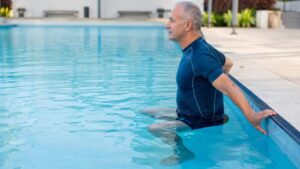
Improve your swimming, build strength, or move with less impact using the water as your training space.
Choose a free resource below to get started.
Recommended Equipment
These wellness-focused aquatic tools help support recovery, mobility, balance, and overall comfort while creating a more sustainable movement experience in and around the water.
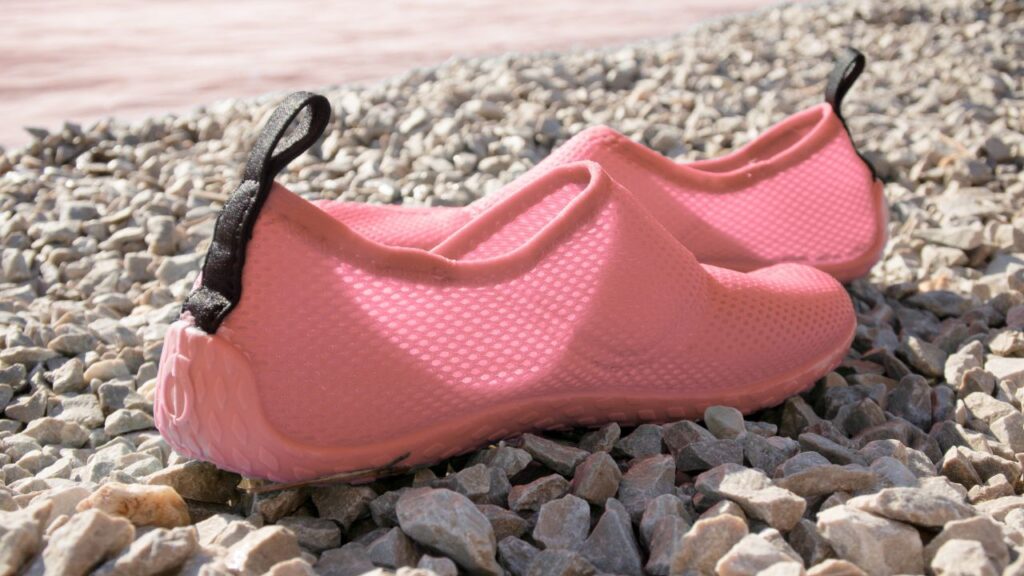
Water Shoes
Provides grip, stability, and foot protection for pool walking, aquatic recovery sessions, and low-impact water exercise routines.
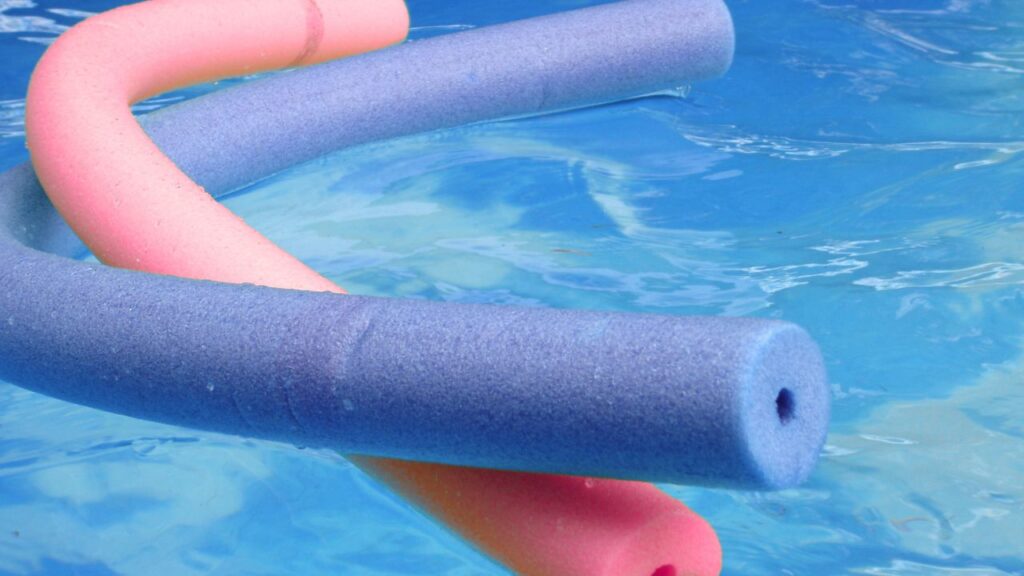
Pool Noodle / Flotation Aid
Offers flotation support for balance, gentle movement, stretching, and relaxation during aquatic wellness and recovery exercises.

Waterproof Fitness Tracker
Tracks movement, activity, heart rate, and consistency during swimming, pool walking, and aquatic wellness routines.

Aqua Fitness Swim Bar with Padded Grip
Supports aquatic therapy, recovery sessions, and low-impact water exercise by improving grip comfort, stability, and controlled movement in the water.
Disclosure: Links above are affiliate links, meaning Legendary Swimmers may earn a small commission at no additional cost to you.
Choose How You Prefer to Train in Water
Whether you are here to improve your swimming, build strength, or move with less impact, Legendary Swimmers gives you simple ways to use the water as your training space.
Start with one of our free resources below and choose the path that fits how you want to move in the water.