
Stronger in the Water. Stronger in Life.
Does Swimming Make You Tired? 7 Common Reasons

Many beginners wonder: does swimming make you tired more quickly than other forms of exercise? Many swimmers and aquatic fitness participants are surprised by how exhausting fitness in water can feel despite being considered a low-impact exercises.
So, why does swimming make you so tired?
The answer comes down to how much work the body is actually doing in the water. Swimming challenges the cardiovascular system, muscles, breathing patterns, and energy stores all at the same time. Water resistance, temperature regulation, and full-body movement can all contribute to fatigue during and after swimming.
Whether you are swimming laps, participating in aqua aerobics, or following aquatic fitness workouts, understanding why swimming feels tiring can help you improve recovery, hydration, and overall performance.
Why Swimming Uses So Much Energy
Swimming may feel smooth and refreshing, but it requires constant movement against water resistance. Unlike many land exercises, water creates resistance in nearly every direction the body moves.
This means the muscles are continuously working during:
- Pulling movements
- Kicking
- Stabilization
- Core engagement
- Breathing coordination
Because multiple systems are working together at once, swimming can demand a large amount of energy even during moderate workouts.
Many swimmers underestimate how physically demanding swimming actually is because the water reduces impact on the joints and helps keep the body cool.
1. Water Resistance Increases Muscle Demands
One major reason swimming feels tiring is because water is much denser than air.
Every movement in the pool requires the muscles to push against resistance. Even slower swimming or aquatic fitness exercises can challenge the:
- Arms
- Shoulders
- Back
- Core
- Legs
This full-body resistance can increase muscular fatigue during workouts.
Aquatic fitness workouts may feel gentler on the joints, but the body is still working continuously beneath the surface.
If you enjoy low-impact water exercise, you may also enjoy our guide on how to boost fitness with aquatic fitness.
2. Swimming Uses Multiple Muscle Groups at Once
Swimming is often considered a full-body workout because it engages multiple muscle groups simultaneously.
During swimming, the body relies on:
- Upper-body strength
- Lower-body coordination
- Core stability
- Cardiovascular endurance
Because so many muscles are active at the same time, the body uses a significant amount of energy during pool workouts.
Higher-intensity swimming sessions and aquatic fitness classes may increase fatigue even further due to continuous movement and resistance in the water.
While swimming is low-impact, it still places continuous demands on the body. This is one reason does swimming make you tired is such a common question among swimmers and aquatic fitness participants.
3. Breathing Patterns During Swimming
Breathing during swimming is very different from breathing during walking or traditional gym workouts.
Many swimmers must coordinate breathing with stroke timing, body rotation, and movement patterns. This controlled breathing style can sometimes make swimming feel more physically demanding.
For beginners especially, inefficient breathing patterns may contribute to:
- Early fatigue
- Shortness of breath
- Muscle tension
- Increased energy use
Improving breathing technique may help swimmers feel more relaxed and efficient in the water.
You can also explore our guide on breathing techniques for efficient swimming to improve comfort and endurance in the pool.
4. Cold Water and Energy Expenditure
Water temperature may also play a role in why swimming feels exhausting.
When swimming in cooler water, the body must work harder to maintain its internal temperature. This additional energy demand may contribute to fatigue after swimming sessions.
Cold water exposure may also affect:
- Circulation
- Recovery
- Energy balance
- Muscle function
You can also explore our guide on the benefits of cold water swimming and how cooler temperatures may impact overall wellness and recovery.
5. Poor Swimming Technique Can Increase Fatigue
Swimming technique plays a major role in how much energy the body uses in the water.
Beginners and less experienced swimmers often use extra movements that waste energy during swimming sessions. Poor body positioning, inefficient kicking, and excessive tension in the muscles can all make swimming feel more exhausting.
Common technique issues that may increase fatigue include:
- Holding tension in the shoulders and neck
- Kicking too aggressively
- Poor body alignment in the water
- Inefficient arm movements
- Inconsistent breathing patterns
Improving swimming efficiency may help reduce unnecessary energy expenditure and improve endurance over time.
You can also explore our guide on swimming techniques for beginner swimmers to improve comfort, energy efficiency, and overall confidence in the water.
6. Dehydration Can Increase Fatigue
Many swimmers do not realize they can still become dehydrated during swimming and aquatic exercise.
Because swimmers are surrounded by water, sweat loss is often less noticeable compared to land workouts. However, the body still loses fluids during exercise.
Even mild dehydration may contribute to:
- Fatigue
- Reduced endurance
- Muscle cramps
- Lower exercise performance
Proper hydration plays an important role in supporting energy levels and recovery after pool workouts.
You can learn more in our guide on hydration during swimming and aqua aerobics.
7. Recovery and Nutrition Matter Too
Swimming places continuous demands on the muscles and cardiovascular system. After workouts, the body begins recovering by:
- Replenishing glycogen stores
- Repairing muscle tissue
- Restoring fluid balance
- Supporting recovery processes
Without proper recovery, swimmers may continue feeling tired even after leaving the pool.
Balanced nutrition and hydration can help support:
- Energy levels
- Recovery
- Muscle repair
- Workout consistency
You can also explore our guide on the best foods for swimmers to support performance and recovery.
If you have also noticed increased hunger after swimming, you may enjoy our article on why swimming can make you feel so hungry after workouts.
Does Aqua Aerobics Make You Tired Too?
Yes. Aqua aerobics and aquatic fitness classes can also feel surprisingly tiring.
Water workouts often combine:
- Cardio intervals
- Resistance movements
- Core exercises
- Full-body coordination
Even shorter aquatic workouts can challenge the muscles and cardiovascular system while remaining gentle on the joints.
If you would like to experience a beginner-friendly water workout, you can also try our free 15-minute aqua fitness demo designed to introduce low-impact aquatic exercise.
Final Thoughts: Swimming Challenges the Entire Body
Swimming may feel refreshing and low-impact, but it still requires significant energy from the body.
Water resistance, breathing control, full-body movement, temperature regulation, and recovery demands all contribute to why swimming can feel so tiring after workouts.
Understanding these factors can help swimmers and aquatic fitness participants improve recovery habits, hydration, breathing techniques, and overall workout performance.
Whether you are swimming laps or participating in aquatic fitness classes, fatigue after swimming is often a sign that the body is working harder than many people realize.
Conclusion
Understanding why swimming feels exhausting can help answer the common question: does swimming make you tired even during shorter workouts? Swimming challenges multiple systems in the body at the same time, which is one reason it can feel so exhausting even during moderate workouts. Water resistance, breathing coordination, muscle engagement, hydration levels, and recovery demands all contribute to post-swim fatigue.
The good news is that understanding why swimming feels tiring can help you better support your body through proper hydration, recovery, nutrition, and consistent training. Over time, many swimmers and aquatic fitness participants improve endurance and feel more comfortable in the water as conditioning increases.
Whether your goal is wellness, fitness, recovery, or low-impact exercise, swimming remains one of the most effective full-body activities available.
FAQs
Why does swimming make me so tired?
Swimming uses multiple muscle groups at once while also requiring breathing coordination and movement against water resistance. This can increase fatigue during and after workouts.
Is swimming more tiring than running?
For some people, yes. Swimming combines full-body resistance, breathing control, and temperature regulation, which may make it feel more exhausting than some land exercises.
Can dehydration make swimming feel harder?
Yes. Dehydration may reduce endurance, increase fatigue, and negatively affect exercise performance during swimming and aquatic workouts.
Why do beginners get tired quickly while swimming?
Beginners often use inefficient breathing patterns and expend extra energy while learning movement coordination in the water.
Does aqua aerobics make you tired too?
Yes. Aqua aerobics and aquatic fitness workouts still challenge the cardiovascular system and muscles while remaining low-impact on the joints.
References
Share:
More Posts
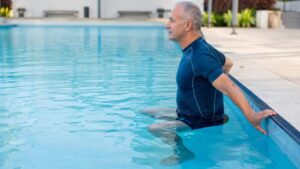
Start Training in the Water
Free Resources
Improve your swimming, build strength, or move with less impact using the water as your training space.
Choose a free resource below to get started.
Recommended Equipment
These wellness-focused aquatic tools help support recovery, mobility, balance, and overall comfort while creating a more sustainable movement experience in and around the water.
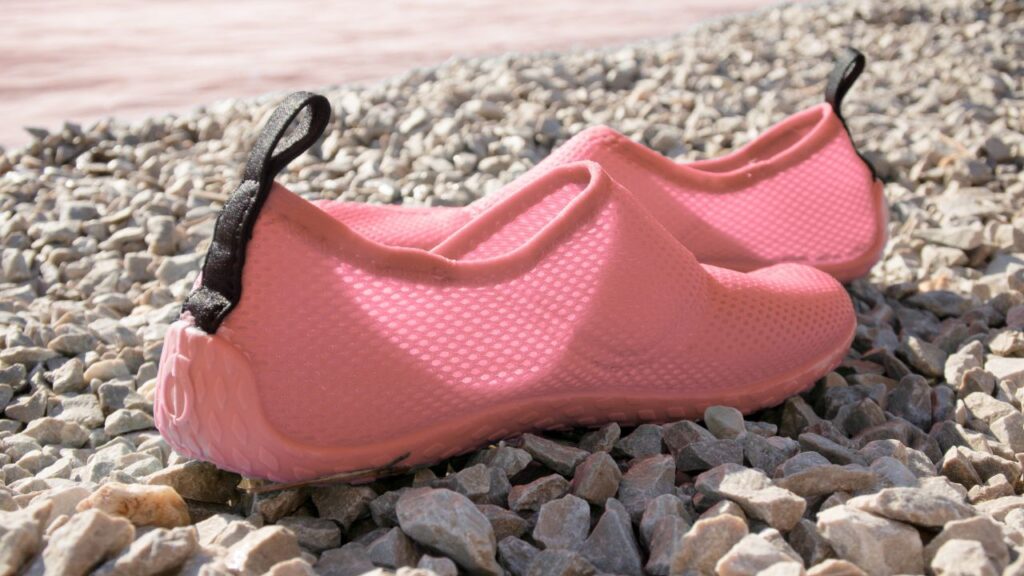
Water Shoes
Provides grip, stability, and foot protection for pool walking, aquatic recovery sessions, and low-impact water exercise routines.
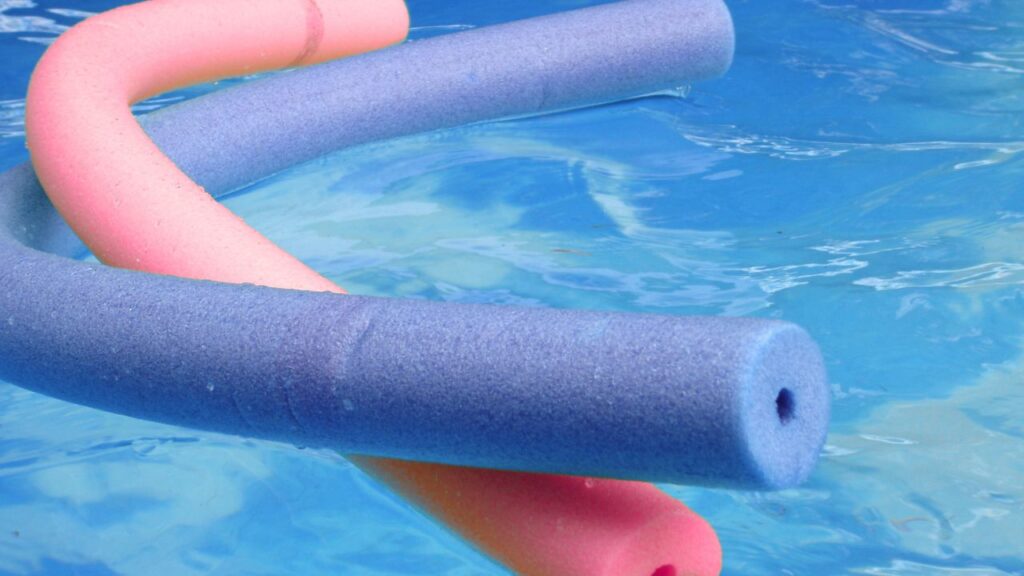
Pool Noodle / Flotation Aid
Offers flotation support for balance, gentle movement, stretching, and relaxation during aquatic wellness and recovery exercises.
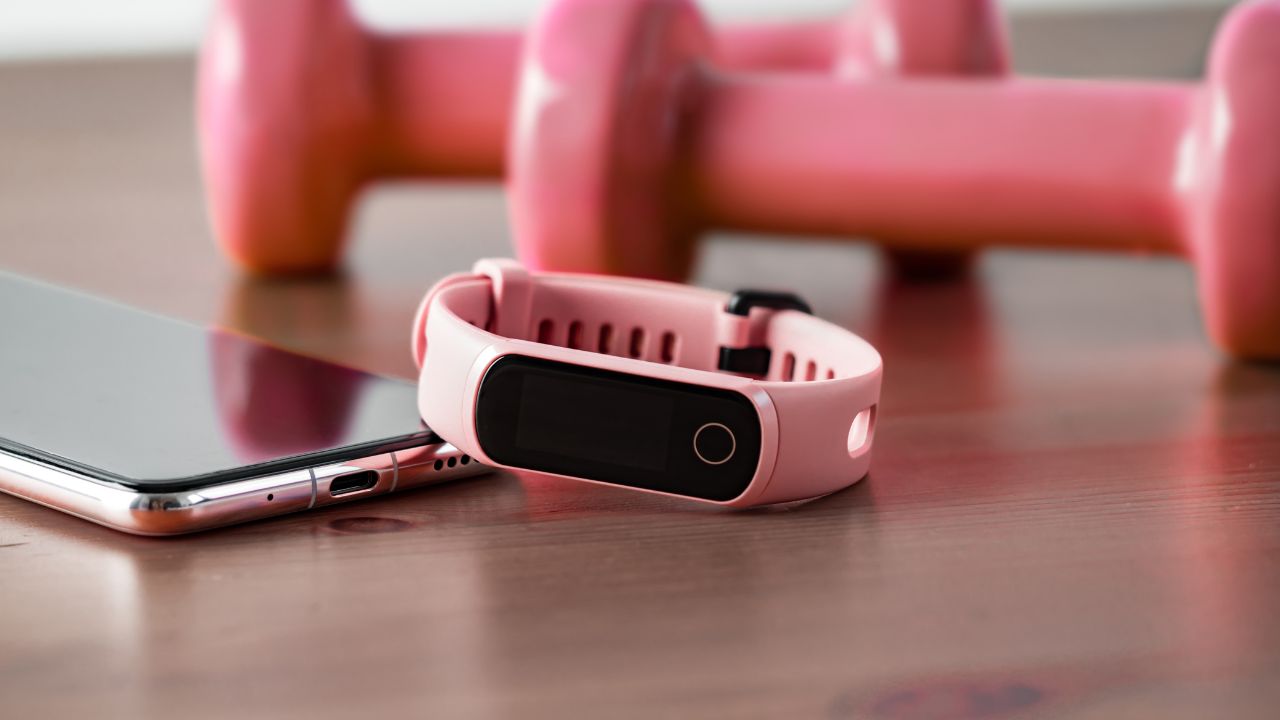
Waterproof Fitness Tracker
Tracks movement, activity, heart rate, and consistency during swimming, pool walking, and aquatic wellness routines.

Aqua Fitness Swim Bar with Padded Grip
Supports aquatic therapy, recovery sessions, and low-impact water exercise by improving grip comfort, stability, and controlled movement in the water.
Disclosure: Links above are affiliate links, meaning Legendary Swimmers may earn a small commission at no additional cost to you.
Choose How You Prefer to Train in Water
Whether you are here to improve your swimming, build strength, or move with less impact, Legendary Swimmers gives you simple ways to use the water as your training space.
Start with one of our free resources below and choose the path that fits how you want to move in the water.