
Stronger in the Water. Stronger in Life.
Swimming Kick Strength: How Your Legs and Glutes Improve Propulsion
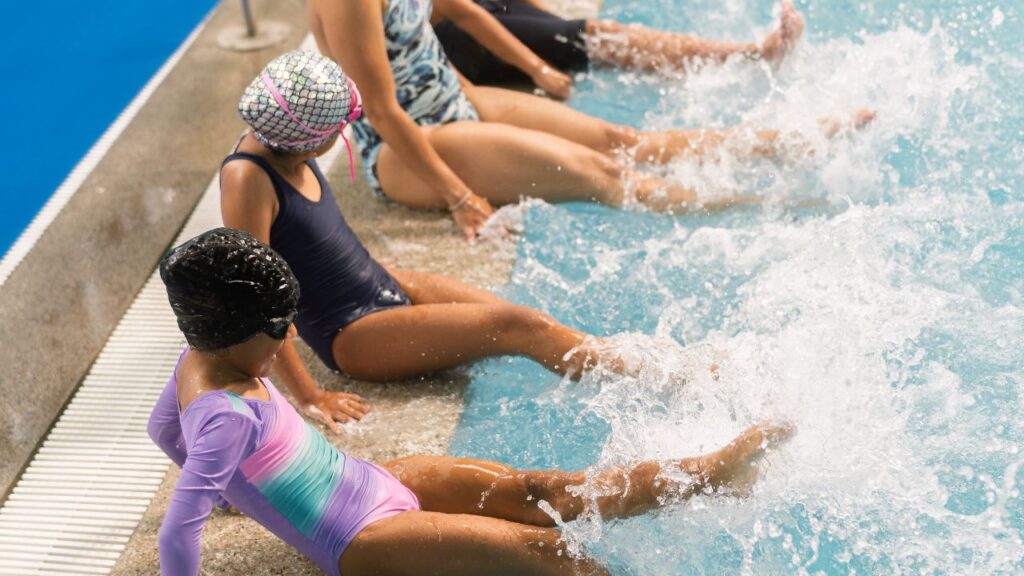
A stronger swimming kick is not only about moving your feet faster.
It begins with how well your legs, hips, glutes, and core work together to create controlled movement through the water.
Whether you are swimming freestyle, breaststroke, practicing a flutter kick, or performing vertical kicking drills, your lower body plays an important role in helping you move forward, stabilize your body, and maintain better alignment in the water.
This is why swimming kick strength is about more than speed.
It is about:
- leg strength
- glute activation
- hip control
- core stability
- body alignment
- ankle mobility
- rhythm and timing
- propulsion
When these areas work together, your kick becomes more efficient and powerful without forcing unnecessary strain.
For many swimmers and aquatic fitness participants, training the legs and glutes in the water can help improve both swim performance and low-impact strength.
For more on how water resistance training works, check out our guide on The Science Behind Water Resistance Training: Why It Works
Why Your Swimming Kick Matters
Your swimming kick helps support your body position, balance, and forward movement in the water.
A strong kick can help improve propulsion, but it also helps keep the body aligned while the upper body performs the stroke.
In freestyle, the flutter kick supports body rotation and helps maintain a streamlined position.
In breaststroke, the kick creates a powerful push through the water and requires coordination between the hips, knees, ankles, and feet.
In vertical kicking drills, the lower body works continuously to keep the body upright, balanced, and controlled.
This is why the swimming kick should not be viewed as only a leg movement.
It is a full-body coordination skill.
- The legs create movement.
- The glutes support power.
- The hips guide control.
- The core stabilizes posture.
- The feet and ankles help direct propulsion.
When one area is weak or disconnected, the kick can feel tiring, inefficient, or difficult to control. If you are a beginner swimmer and want to learn more about how to apply technique, check out our guide on Essential Swimming Techniques for Beginners: Complete Guide.
Related Reading:
- Water Resistance Training: How Pool Exercises Build Strength Without Heavy Impact
- Why Water Exercises Challenge Your Core Differently
The Role of Leg Strength in Swimming
Leg strength helps swimmers maintain rhythm, power, and control through the water.
The major lower-body muscles involved in swimming kicks include:
- quads
- hamstrings
- glutes
- hip flexors
- calves
- ankles and feet
- core stabilizers
These muscles help bend, extend, lift, press, and stabilize the legs during different types of kicks.
For example, during a flutter kick, the hips and legs work together to create small, continuous movements. The goal is not to kick wildly, but to create a steady rhythm that supports the body’s position in the water.
During breaststroke, the legs move through a wider range of motion. The hips, inner thighs, glutes, and hamstrings all help create the pressing action that pushes the body forward. If you are a swimmer looking to improve Breaststroke technique, check out our guide on Improve Breaststroke Kick Technique: Tips, Drills & Workouts.
During freestyle vertical kicking, the legs must work continuously against the resistance of the water while the core helps keep the torso upright. If you are a swimmer looking to improve Freestyle technique, check out our guide on How to Swim Freestyle Like a Pro: Techniques and Tips (2026).
This is why swimming kick strength depends on both muscular endurance and movement control.
Why Glutes Matter for Swimming Propulsion
The glutes are one of the most important muscle groups for lower-body power.
In swimming, the glutes help support hip extension, body alignment, and controlled kicking mechanics.
When the glutes are active and coordinated, they can help the body generate power more efficiently.
This matters because propulsion does not come from the feet alone.
It comes from the entire lower body working together.
Strong, active glutes can help support:
- hip stability
- leg drive
- body alignment
- kick power
- lower-body control
better movement efficiency
For many swimmers, the glutes may not automatically activate well during kicking. Instead, the movement may rely too much on the knees, lower back, or feet.
This can make the kick feel harder than it needs to be.
Water-based exercises can help because the pool gives the body resistance, feedback, and support at the same time.
When you perform controlled aquatic exercises like hydro squats, leg lifts, kicks, and squat jumps, you can begin teaching the glutes to contribute more effectively to movement. If interested in water exercises to improve swimming technique or overall health, try our free 15 minute Aquatic Fitness Workout.
How Water Resistance Helps Strengthen the Kick
Water naturally resists movement in every direction.
This makes it a powerful environment for lower-body training.
Every time you kick, lift, press, or lower the leg in the water, your muscles have to work against resistance.
The faster you move, the more resistance the water creates.
This means water exercises can be adjusted for many levels.
- A beginner may work slowly on controlled leg lifts or gentle flutter kicks.
- An intermediate participant may add longer kicking intervals or larger ranges of motion.
- An advanced participant may add vertical kicking, hydro squat jumps, or aquatic resistance equipment.
The water helps reduce heavy impact on the joints while still challenging the muscles.
This is especially helpful for people who want to improve leg strength, glute activation, and endurance without relying only on land-based workouts. For more on water resistance training, check out our guide on The Science Behind Water Resistance Training: Why It Works.
Swimming Kick Strength and Core Control
A stronger kick also depends on the core.
The core helps keep the body stable while the legs move.
Without core control, the kick can cause the body to wobble, sink, twist, or lose alignment.
This is especially noticeable during vertical kick drills.
When the body is upright in deep water, the legs must keep moving while the core stabilizes the torso. If the core relaxes too much, the body may lean, sway, or struggle to stay lifted.
This is why vertical kicking is such a valuable drill.
It challenges:
- leg endurance
- hip flexor strength
- glute control
- core stability
- posture awareness
- breath control
- balance
It teaches the body how to create movement from the lower body while maintaining control through the center.
That is exactly what swimmers need for better propulsion and body alignment. For more ways on how water challenges your core, check out our guide on Why Water Exercises Challenge Your Core Differently.
Pool Exercises That Support Stronger Swimming Kicks
Swimming drills are important, but targeted pool exercises can also help improve kick strength.
Some helpful aquatic exercises include:
- vertical kick drills
- hydro squats
- hydro squat jumps
- hydro leg raises
- forward hydro kicks
- backward hydro kicks
- flutter kick intervals
- pool walking with knee drive
- standing hip extensions
- floating kickboard drills
Each movement trains the lower body in a slightly different way.
Hydro squats help strengthen the glutes, quads, and hamstrings.
Hydro squat jumps add power and explosive control.
Hydro leg raises target the hip flexors and core stabilizers.
Backward hydro kicks can help activate the glutes and hamstrings.
Vertical kicking builds endurance, posture, and propulsion control.
Together, these exercises can help swimmers develop a stronger connection between lower-body strength and movement in the water.
Related Reading:
- How Water Exercises Improve Stability, Coordination & Everyday Movement
- How Aquatic Exercises Boost Blood Circulation Naturally
How Hydro Squat Jumps Help Build Lower-Body Power
Hydro squat jumps are a great example of how aquatic fitness can support swimming kick strength.
This movement trains the legs and glutes while keeping the body in a low-impact environment.
As you lower into the squat, the water creates resistance and slows the movement.
As you drive upward, the legs and glutes must work against the water to create lift.
As you land, the water helps reduce impact while still requiring control.
This makes hydro squat jumps helpful for training:
- glute strength
- hamstring strength
- quad strength
- hip drive
- core stabilization
- balance
- explosive control
The goal is not to jump as high as possible without control.
The goal is to move powerfully while staying aligned.
That kind of controlled power can carry over into stronger kicking, better propulsion, and more confidence in the water.
For members, the Hydro Squats exercise page inside the Legendary Swimmers Exercise Catalog includes Basic, Intermediate, and Advanced variations so you can see how the movement progresses by level.
👉 [View Hydro Squat Progressions]
Note: This exercise page is part of the Legendary Swimmers member catalog. If you are not currently a member, you may be redirected to learn more about joining.
Stronger Kicks Are Not Just About Speed
Many swimmers think a stronger kick means kicking harder or faster.
But an efficient kick is not only about intensity.
It is about control.
A strong swimming kick should feel:
- rhythmic
- controlled
- supported by the hips
- connected to the core
- efficient through the water
- coordinated with the breath and stroke
When the kick becomes too large, rushed, or tense, it can waste energy.
The goal is to create enough propulsion to support the body without creating unnecessary drag.
This is why strength and technique need to work together.
You want the legs and glutes to be strong enough to generate power, but controlled enough to move efficiently.
How Swim + Sculpt Builds Kick Strength
Swim + Sculpt combines swim drills with aquatic resistance movements.
This approach helps connect swimming technique with strength training in the water.
For example, a vertical kick drill teaches the body how to maintain posture, rhythm, and leg endurance.
Then, a hydro squat jump strengthens the glutes, hamstrings, quads, and hip flexors that support lower-body power.
Together, these movements help improve:
- propulsion
- lower-body strength
- glute activation
- leg endurance
- core stability
- body control
- water confidence
This is what makes Swim + Sculpt different from simply swimming laps or doing random pool exercises.
Each movement has a purpose.
The swim drill improves how you move through the water.
The aquatic exercise strengthens the muscles that support that movement.
Final Thoughts
A stronger swimming kick does not come from the feet alone.
It comes from the legs, glutes, hips, core, and posture working together.
When these areas are strong and coordinated, the body can create better propulsion with more control and less wasted effort.
Water is an ideal place to train this because it provides resistance, support, and feedback with every movement.
Swimming drills help improve rhythm and technique.
Aquatic exercises help strengthen the muscles behind the movement.
Together, they create a smarter way to build lower-body power in the pool.
Whether you are working on freestyle, breaststroke, vertical kicking, or aquatic fitness exercises, the goal is the same:
- Move with strength.
- Move with control.
- Move with intention.
That is how stronger swimming kicks are built.
Frequently Asked Questions
How do I make my swimming kick stronger?
You can make your swimming kick stronger by improving leg strength, glute activation, hip control, ankle mobility, and core stability. Drills like vertical kicking, flutter kick intervals, and targeted pool exercises can help build better control and endurance.
What muscles help with swimming kicks?
Swimming kicks use the glutes, quads, hamstrings, hip flexors, calves, ankles, feet, and core stabilizers. Different strokes emphasize these muscles in different ways.
Do glutes help with swimming?
Yes. The glutes help support hip extension, lower-body power, body alignment, and propulsion. Stronger glute activation can help make kicking more efficient and controlled.
Are pool exercises good for leg strength?
Yes. Pool exercises can help strengthen the legs because water creates resistance during both lifting and lowering movements. Exercises like hydro squats, leg raises, backward kicks, and hydro squat jumps can all support lower-body strength.
Is vertical kicking good for swimmers?
Yes. Vertical kicking can help improve leg endurance, core control, posture, and propulsion. It is especially useful because the body must stay upright while the legs work continuously against water resistance.
Can water workouts improve swimming propulsion?
Water workouts can support swimming propulsion by strengthening the muscles involved in kicking, improving body control, and helping swimmers move more efficiently through resistance.
Should I kick harder or more controlled?
A stronger kick does not always mean kicking harder. A more controlled kick is often more efficient because it reduces wasted energy and helps maintain better body alignment in the water.
References
Centers for Disease Control and Prevention (CDC). Swimming and Your Health.
https://www.cdc.gov/healthy-swimming/about/index.html
Centers for Disease Control and Prevention (CDC). Adult Activity: An Overview.
https://www.cdc.gov/physical-activity-basics/guidelines/adults.html
Harvard Health Publishing. Advantages of water-based exercise.
https://www.health.harvard.edu/healthbeat/advantages-of-water-based-exercise
Harvard Health Publishing. What makes water workouts so worthwhile?
https://www.health.harvard.edu/heart-health/what-makes-water-workouts-so-worthwhile
American Council on Exercise (ACE). Make a Splash with Water Fitness.
https://contentcdn.eacefitness.com/assets/education-resources/lifestyle/fitfacts/pdfs/fitfacts/itemid_2548.pdf
American Council on Exercise (ACE). Cardio Exercises for Active Agers.
https://www.acefitness.org/resources/pros/expert-articles/6553/cardio-exercises-for-active-agers/
National Institutes of Health / PubMed. Biomechanics and muscle activity during swimming.
https://pubmed.ncbi.nlm.nih.gov/32183339/
National Institutes of Health / PubMed. Lower limb muscle activity during swimming.
https://pubmed.ncbi.nlm.nih.gov/34404576/
Arthritis Foundation. Hit the Pool to Relieve Joint Pain.
https://www.arthritis.org/health-wellness/healthy-living/physical-activity/other-activities/hit-the-pool
Share:
More Posts
Start Training in the Water
Free Resources
Improve your swimming, build strength, or move with less impact using the water as your training space.
Choose a free resource below to get started.
Recommended Equipment
These are some of the swim training tools and aquatic fitness essentials commonly used to improve technique, build strength, and create a more effective experience in the water.
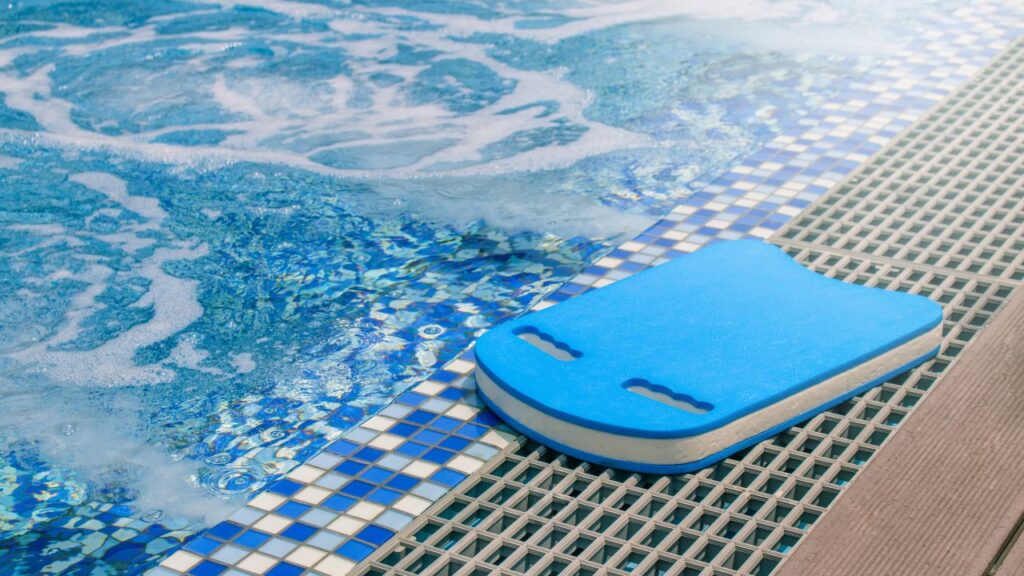
Kickboard Training
Helps improve kicking strength, body position, and lower-body endurance during swim practice.
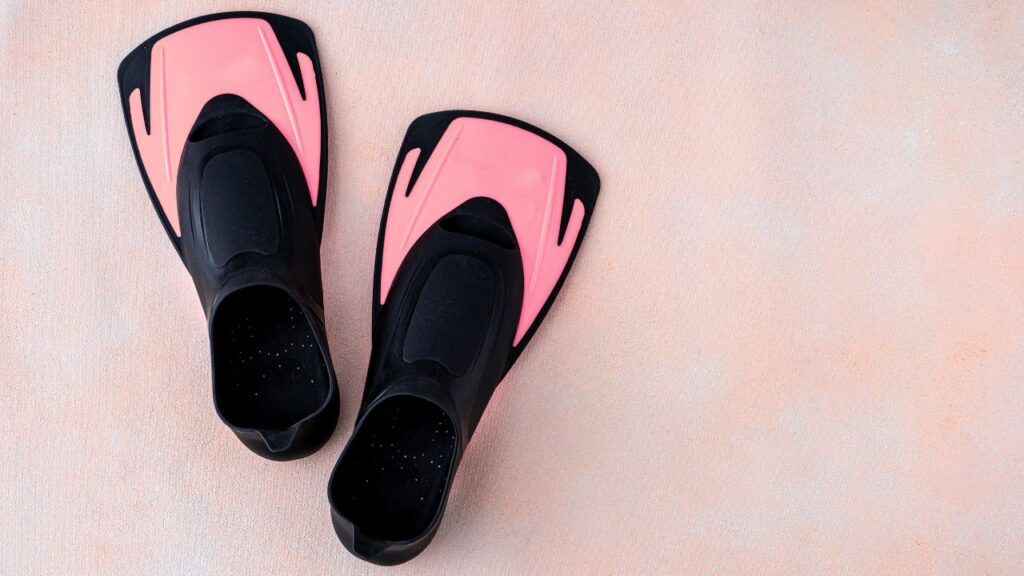
Swim Training Fins
Builds leg power, improves kick technique, and creating smoother movement through the water.
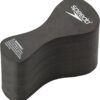
Pull Buoy Float
Supports upper-body focused swim training by helping stabilize the legs during drills and technique work.
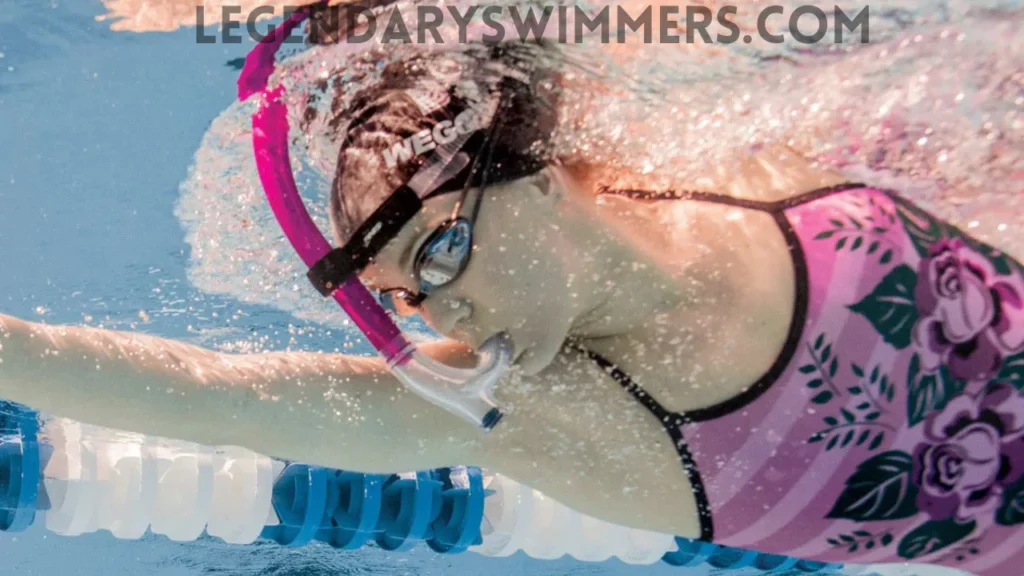
Front-Mount Swim Snorkel
Allows swimmers to focus on body position and stroke technique without turning to breathe.

Swim Goggles
Designed to improve underwater visibility and comfort during training, lap swimming, and aquatic workouts.

Swim Cap
Helps reduce drag, improve comfort, and keep hair more secure during swim training and aquatic workouts.
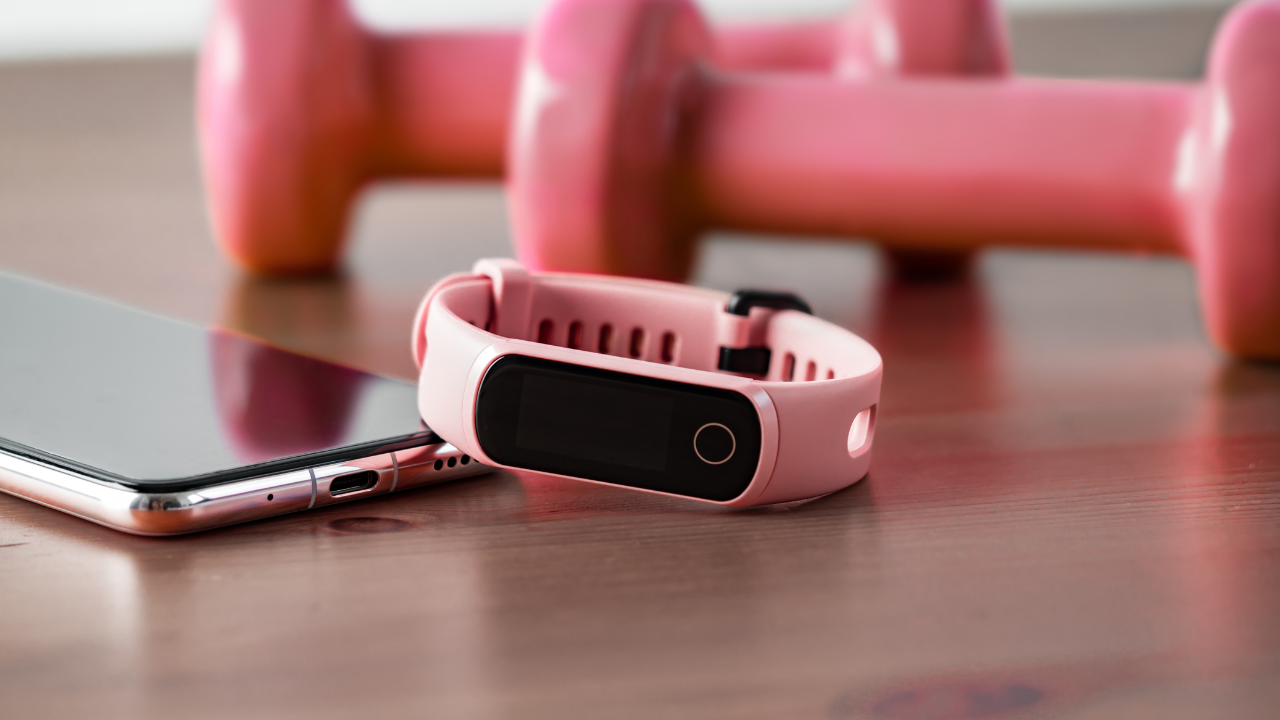
Waterproof Fitness Tracker
Tracks movement, activity, heart rate, and consistency during swimming, pool walking, and aquatic wellness routines.
Disclosure: Links above are affiliate links, meaning Legendary Swimmers may earn a small commission at no additional cost to you.
Choose How You Prefer to Train in Water
Whether you are here to improve your swimming, build strength, or move with less impact, Legendary Swimmers gives you simple ways to use the water as your training space.
Start with one of our free resources below and choose the path that fits how you want to move in the water.