legendaryswimmers_to51xo

Swimming Competitions Rules, Formats & Event Guide (2025)- legendaryswimmers

Swimming Competitions Rules, Formats & Event Guide (2025)

Swimming competitions represent some of the most-watched and widely participated in sporting events worldwide. From local club meets to the grand stage of the Olympics, these events follow specific formats, rules, and structures designed to test athletes’ abilities across various strokes, distances, and competition styles. Whether you’re an aspiring competitive swimmer, a parent of a young athlete, or simply a swimming enthusiast, understanding the format of swimming competitions provides valuable insight into this dynamic sport. This guide covers everything from basic competition structures to specific swimming event formats, timing systems, and qualification standards. Basic Structure of Swimming Competitions Swimming competitions are organized events where athletes compete in various race formats using different strokes and distances. These meets adhere to standardized rules set by international bodies—most notably World Aquatics (formerly FINA)—or by national swimming federations that follow similar guidelines. Types of Swimming Competitions Competitions can be categorized based on age, skill level, or organizational structure: Age-Group Competitions: Divided by age categories (e.g., 10 & under, 11–12, 13–14, etc.) Open Competitions: Open to swimmers of all ages. Masters Competitions: For adult swimmers, typically aged 25 and older. School/Collegiate Competitions: Organized by educational institutions. Club Competitions: Between different swimming clubs. National Championships: Represent the highest level of competition within a country. International Competitions: Include continental championships, world championships, and the Olympic Games. Competition Venues: LC and SC Formats A key distinction in swimming competitions is the pool length, which defines two primary formats: Long Course (LC): Held in 50-meter pools (“Olympic-sized”). Requires fewer turns, emphasizing endurance. Used for major international competitions, including the Olympics. Short Course (SC): Conducted in 25-meter or 25-yard pools. Involves more turns, making the wall technique crucial. Often produces faster times and is common for school, club, and seasonal competitions. Some regions, particularly in the United States, also use 25-yard pools (SCY), establishing a separate format with its own records and time standards. Competition Formats and Stages Most swimming competitions progress through a series of stages: Heats: All entered swimmers compete, typically seeded based on entry times, with the fastest usually placed in the middle lanes. Semifinals: In larger competitions (usually for events 200 meters and shorter), the fastest swimmers from the heats advance. Not every meet uses semifinals. Finals: The championship round is where medals are decided. Finals may be subdivided into A (championship), B (consolation), and sometimes C (bonus) finals, depending on the competition. Timed Finals: For some longer-distance events or relays, swimmers race only once, and final placements are determined by comparing times across heats. Swimming Event Formats Competitive swimming features a variety of events categorized by stroke, distance, and competition type. Individual Stroke Events Four official strokes are recognized, each with its own technical rules: Stroke Key Rules Common Distances Freestyle Front crawl preferred; touch the wall each lap. 50m, 100m, 200m, 400m, 800m, 1500m Backstroke Stay on back; may flip to front during turns. 50m, 100m, 200m Breaststroke Symmetrical arms/legs; touch the wall with two hands. 50m, 100m, 200m Butterfly Simultaneous arm strokes and dolphin kicks. 50m, 100m, 200m Individual Medley (IM) The IM combines all four strokes in a specific order: Butterfly, Backstroke, Breaststroke, and Freestyle. Common IM distances include 100m (short course only), 200m, and 400m. Relay Events Relay races introduce a team element, with each swimmer completing one segment of the race. Relay types include: Freestyle relays (4x50m, 4x100m, 4x200m) Medley relays (Backstroke, Breaststroke, Butterfly, Freestyle) Mixed-gender relays (Teams of two male and two female swimmers) Distance Events Long-distance swimming events test endurance and pacing: 800m freestyle (now for both men and women at the Olympics) 1500m freestyle (traditionally for men, now open to women as well) Open water events (5km, 10km, and 25km in natural settings) Official Rules and Timing Rules and Regulations Swimming events adhere to strict rules to ensure fairness: Starting Rules: Swimmers begin from blocks (except in backstroke). A false start typically leads to disqualification. Swimmers must remain motionless until the start signal. Stroke-Specific Rules:Each stroke has its own technical requirements for turns, finishes, and underwater phases (typically limited to 15 meters after the start and turns). General Rules: Swimmers must finish in the same lane they started in. Obstruction or interference with another swimmer can lead to disqualification. Equipment Regulations:Covering approved swimwear, caps, and goggles, with restrictions on taping and jewelry. Timing Systems Accurate timing is critical in swimming, where races can be decided by hundredths of a second: Automatic Timing:Uses touchpads at the finish, with backup buttons and video systems. Semi-Automatic Timing:Combines manual timing buttons with multiple timers. Manual Timing:Uses stopwatches by trained officials with averaging or median methods to determine the official time. Competition Categories Age Group and Performance Levels Competitors are often grouped by: Age Groups: Youth (e.g., 10 & under, 11–12, etc.) Senior (typically 19 and over) Masters (typically 25+ in five-year bands) Performance Level:Ranges from novice and “B” meets to elite “A” meets and invitational events with qualifying times. According to MDPT, “In youth competitions, swimmers born early in the year are overrepresented (58.65% prevalence), especially in male-dominated, strength-based events like butterfly.” Paralympic Swimming Classifications For swimmers with disabilities, classifications ensure fair competition: S1–S10: For athletes with physical impairments (higher numbers indicate less severe impairments). S11–S13: For athletes with visual impairments. S14: For athletes with intellectual impairments. Note: Deaf athletes compete in separate events (such as the Deaflympics) rather than under Paralympic classifications. Major Competitions and Their Formats Olympic Swimming Held in a 50m pool. Features a range of events with heats, semifinals (for races 200m and shorter), and finals. Nations are typically limited to two swimmers per individual event. Qualification involves achieving Olympic Qualifying Times (A cuts) and Selection Times (B cuts), along with universality places for nations without qualified swimmers. World Championships Organized by World Aquatics, featuring both long course (50m) and short course (25m) formats. Similar in structure to the Olympics, with additional events such as 50m races for all strokes. Nations may enter up to three swimmers per event if all meet the A standard. National

Swimming Competitions Rules, Formats & Event Guide (2025) Read More »
Types of Races in Competitive Swimming: Experts Guide

Types of Races in Competitive Swimming: Experts Guide

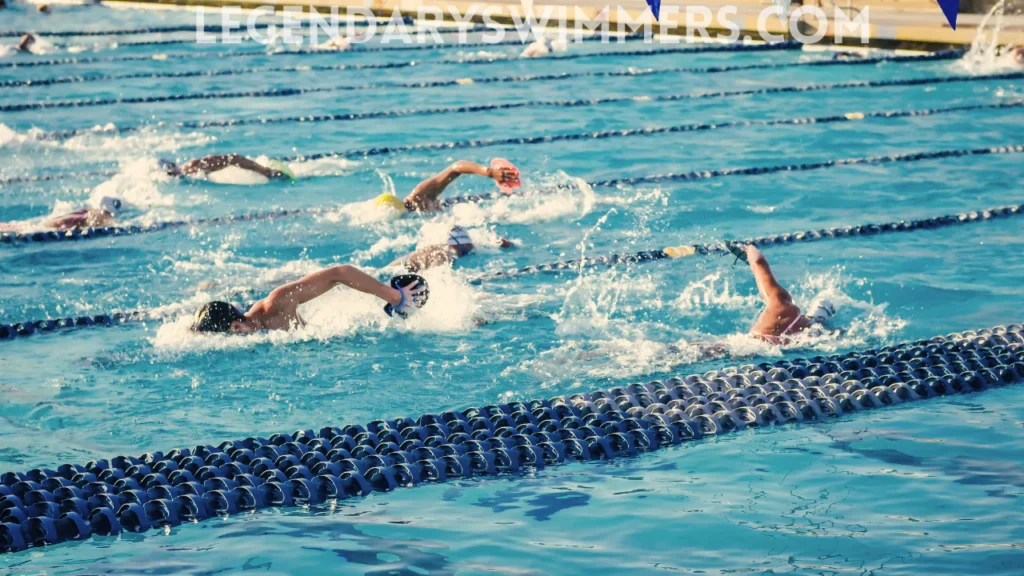
Competitive swimming is one of the most prestigious and widely followed aquatic sports globally. With races ranging from short sprints to grueling long-distance challenges, the sport demands a combination of speed, endurance, and technique. Whether you’re a beginner swimmer, a competitive athlete, or a sports enthusiast, understanding the types of races in competitive swimming can enhance your knowledge and appreciation of the sport. In this guide, we’ll break down the different swimming races, their categories, distances, and the rules governing them in major competitions like the Olympics and FINA World Championships. Types of Swimming Strokes & Styles in Competitive Races Competitive swimming events are primarily based on four strokes. Each stroke has specific rules regarding body movement, arm motion, and breathing techniques. 1. Freestyle (Front Crawl) Freestyle is the fastest and most widely used stroke in swimming competitions. It allows swimmers to use any stroke, but the front crawl is the preferred technique due to its efficiency and speed. ✔ Key Features: Swimmers alternate arm movements while performing a flutter kick. Breathing is done by turning the head sideways. Used in short-, middle-, and long-distance races. Related: How to Swim Freestyle Like a Pro: Techniques and Tips 2. Backstroke Backstroke is the only stroke swum on the back. It requires excellent coordination and body control. ✔ Key Features: Continuous arm rotation with an alternating flutter kick. The backstroke flip turn is used in competitions to ensure smooth transitions. Requires swimmers to navigate using lane markers, as they cannot see the wall directly. 3. Breaststroke Breaststroke is one of the most technically demanding strokes, requiring precise timing and synchronization. ✔ Key Features: Swimmers perform a frog-like kick and simultaneous arm movement. The slowest of the four strokes, but requires strong endurance. A two-hand touch is mandatory at the finish and during turns. 4. Butterfly Butterfly is considered the most challenging stroke due to its high energy demand. ✔ Key Features: Both arms move together in a windmill motion while the legs perform a dolphin kick. Requires significant upper-body strength and timing. Used in shorter sprint races (50m, 100m, and 200m races) due to its intensity. 5. Individual Medley (IM) IM races combine all four strokes in a specific order: butterfly, backstroke, breaststroke, and freestyle. Swimmers must master all strokes to excel in this category. Major Swimming Events & Competitions Swimming events are categorized based on distance, stroke, and team or individual participation. 1. Sprint Races (Short-Distance Events) 50m Freestyle, Backstroke, Breaststroke, Butterfly Fastest races typically last less than 30 seconds for elite swimmers. Require explosive power and perfect technique. 2. Middle-Distance Races 100m & 200m in all strokes Combination of speed and endurance. Swimmers focus on maintaining technique while managing energy levels. 3. Long-Distance Races 400m, 800m, 1500m Freestyle Tests stamina and pacing strategy. Used in major events like the Olympics and FINA World Championships. 4. Medley Races 200m & 400m Individual Medley (IM) – Swimmers race all four strokes in order. 4x100m Medley Relay – Each team member swims one stroke. 5. Relay Races 4x100m & 4x200m Freestyle Relay 4x100m Medley Relay (one swimmer per stroke) Coordination and smooth transitions between teammates are crucial. Note: The 4x100m Mixed Medley Relay (with two male and two female swimmers) was added to the Olympics in 2020 6. Open Water & Marathon Swimming 5km, 10km, and 25km races are part of World Aquatics events. Swimmers navigate through natural bodies of water (oceans, lakes, rivers). Requires endurance, strategic positioning, and drafting techniques. Race Categories & Distances in Competitive Swimming   Race Type Men’s Events Women’s Events Olympic Inclusion 50m Freestyle Yes Yes Yes 100m Freestyle Yes Yes Yes 200m Freestyle Yes Yes Yes 400m Freestyle Yes Yes Yes 800m Freestyle Yes (since 2020) Yes Yes 1500m Freestyle Yes Yes (since 2020) Yes 100m & 200m Backstroke Yes Yes Yes 100m & 200m Breaststroke Yes Yes Yes 100m & 200m Butterfly Yes Yes Yes 200m & 400m Individual Medley Yes Yes Yes 4×100m & 4×200m Freestyle Relay Yes Yes Yes 4×100m Medley Relay Yes Yes Yes 10km Open Water Yes Yes Yes ✔ Statistical Insights: The world record for the 50m freestyle is 20.91 seconds (Caeleb Dressel, USA). The longest Olympic swimming event, the 1500m freestyle, takes about 15 minutes for elite swimmers. Recommended Products  Speedo Unisex-Adult Swim Cap Silicone Elastomeric          FINIS Glide Center-Mount Snorkel                New Aqua Water Fitness Body Sculpt Ergo Dumbbells         Conclusion Competitive swimming offers a wide variety of race formats, each requiring specific skills and strategies. Whether it’s sprinting at full speed in a 50m freestyle, demonstrating versatility in an individual medley, or enduring the challenge of a 10km open water swim, every event has its unique demands. By understanding the different types of races, swimmers and enthusiasts can appreciate the sport’s complexity and develop strategies to excel. References FINA Official Rules & Regulations Olympic Swimming Events & Records “The Science of Swimming” – Ernest Maglischo  

Types of Races in Competitive Swimming: Experts Guide Read More »

Can You Get Herpes from a Pool? Facts & Safety Guide

Can You Get Herpes from a Pool? Facts & Safety Guide

Herpes is one of the most common viral infections worldwide, affecting millions of people. Despite its prevalence, misconceptions about how herpes spreads continue to cause unnecessary fear and anxiety. One common concern revolves around public spaces like swimming pools, where people worry about potential exposure to the virus. If you’ve ever wondered, “Can you get herpes from a swimming pool?” you’re not alone. This question reflects genuine health concerns that deserve clear, evidence-based answers. Understanding how herpes actually spreads can help alleviate fears while ensuring you take appropriate precautions when necessary. In this comprehensive guide, we’ll explore the relationship between herpes infections and swimming activities, address common misconceptions, and provide practical advice for swimming safely—whether you have herpes or are concerned about potential exposure. Understanding Herpes Infections Herpes simplex viruses (HSV) come in two primary types: HSV-1 (Oral Herpes): Typically causes cold sores or fever blisters around the mouth and lips. According to the World Health Organization, an estimated 3.8 billion people under age 50 have HSV-1 infection globally. HSV-2 (Genital Herpes): Usually causes genital sores or ulcers. Approximately 491 million people aged 15-49 worldwide have HSV-2 infection. (NIH) Both types can cause infections in either location through direct contact, though each tends to prefer specific body regions. How Herpes Typically Spreads Herpes viruses spread primarily through direct contact with herpes sores, saliva, or genital secretions from an infected person. The virus requires direct skin-to-skin or mucous membrane contact to transmit effectively. It’s important to note that transmission risk is highest during active outbreaks when visible sores are present, but the virus can spread even when no symptoms are visible through a process called asymptomatic shedding. Symptoms and Outbreak Characteristics Herpes infections often follow a pattern: Initial infection: May cause more severe symptoms including multiple painful sores, fever, body aches, and swollen lymph nodes. Latent period: The virus retreats to nerve cells where it remains dormant between outbreaks. Recurrences: Triggered by factors like stress, illness, sun exposure, or hormonal changes. Typically less severe than the initial outbreak. Some people experience frequent outbreaks, while others may have the virus but rarely or never develop symptoms. This variability contributes to the high rates of unknowing transmission. Can You Get Herpes from a Swimming Pool? The Scientific Evidence The short answer is that it is extremely unlikely to contract herpes from a swimming pool. Here’s why: The herpes virus doesn’t survive well in water: HSV is primarily a skin-to-skin transmission virus that needs direct contact to spread effectively. The virus is fragile outside the human body. Chlorine is effective against HSV: Swimming pools properly treated with chlorine and other disinfectants create an environment hostile to many pathogens, including herpes viruses. The CDC notes that proper pool disinfection kills most germs within seconds. Dilution factor: Even if viral particles were shed into a pool (which is unlikely from intact skin), they would be extensively diluted in the water, making the concentration too low for effective transmission. No documented cases: Medical literature, including reviews in JAMA and CDC reports, does not document cases of herpes transmission through swimming pools. If this were a significant risk, we would expect to see case reports and outbreak investigations, which don’t exist for this transmission route. According to the British Association of Dermatologists, “There is virtually no risk of contracting herpes from a swimming pool. The virus requires direct contact with infected skin or mucous membranes to spread.“ Risk Factors While swimming pool transmission is extremely unlikely, understanding the actual risk factors helps put concerns in perspective: Activities that DO present herpes transmission risk: Direct kissing or oral contact with someone who has an active cold sore Sexual contact with someone who has active genital herpes lesions Sharing towels, razors, or other personal items that have very recently been in direct contact with active herpes sores Activities that DO NOT present significant herpes transmission risk: Swimming in the same pool as someone with herpes Sitting on pool chairs or benches Using properly chlorinated hot tubs or pools Touching pool surfaces, ladders, or other equipment Can You Pass Herpes to Other People Through Water? Herpes transmission requires a specific pathway: Direct transmission: The virus must pass directly from an infected person’s skin or mucous membrane to another person’s skin or mucous membrane. This typically happens through kissing, sexual contact, or other forms of close physical contact. Indirect transmission: Theoretically possible but extremely rare and would require the virus to remain viable on an object and then come into contact with another person’s skin or mucous membrane almost immediately. The virus dies quickly outside the body. Water severely hampers both transmission pathways. The herpes virus cannot actively swim through water to find a new host, and it becomes rapidly diluted and inactivated in water environments. How Pool Chemicals Affect the Herpes Virus Swimming pool disinfectants create a hostile environment for the herpes virus: Chlorine: Standard pool chlorination (1-3 parts per million) inactivates many viruses, including enveloped viruses like herpes. Bromine: Often used in hot tubs, bromine is also effective against herpes viruses. UV systems: Many modern pools use UV disinfection systems that provide additional protection against pathogens. The CDC confirms that properly maintained pools with adequate disinfectant levels (like chlorine or bromine) and proper pH balance help protect swimmers from potential waterborne illnesses. Comparison with Other Water Environments Different water environments offer varying levels of protection: Environment Level of Protection Factors at Play Chlorinated pools High protection Chemical disinfection, filtration systems Saltwater pools High protection Salt generates chlorine, similar protection Natural bodies of water Lower protection No added disinfectants, but significant dilution Hot tubs Variable protection Higher temperatures may inactivate virus, but closer proximity to others The consensus among infectious disease experts is that water itself is not a transmission medium for herpes, regardless of the environment. What matters more is direct skin-to-skin contact, which can happen in these environments but is not facilitated by the water itself. Is It Possible to Get Herpes from a Hot Tub or Pool? Hot tubs

Can You Get Herpes from a Pool? Facts & Safety Guide Read More »

Stomach Pain After Swimming: Causes & How to Stop

Stomach Pain After Swimming: Causes & How to Stop

Swimming is one of the most enjoyable and beneficial forms of exercise, but it’s not uncommon to experience stomach discomfort afterwards. Whether you’re dealing with cramps, nausea, bloating, or other digestive issues, post-swimming stomach pain can quickly turn a refreshing dip into an uncomfortable experience. This guide explores why your stomach might hurt after swimming, how to prevent these issues, and what treatments work best for different situations. Common Causes of Stomach Pain After Swimming Stomach discomfort following a swim session can stem from various factors, ranging from the swimming environment to personal physiology. Understanding these causes is the first step toward prevention and relief. Swallowing Pool or Lake Water One of the most common culprits behind post-swimming stomach pain is inadvertently swallowing water while swimming. When swimmers swallow pool water, they’re not just ingesting water, but also a mixture of chemicals, including chlorine, which can irritate the stomach lining and lead to discomfort. According to the Experts, swimmers may ingest roughly 32ml of water per hour while swimming. Recreational Water Illnesses (RWIs) Recreational Water Illnesses are diseases caused by germs and chemicals found in water that people swim in or play in. The CDC reports that RWIs have been increasing over the past two decades. Cryptosporidium (Crypto): A parasite highly tolerant to chlorine, it causes diarrhea and stomach cramps Giardia: Another parasite that causes intestinal symptoms and can survive in properly treated water E. coli: Bacteria commonly found in lakes and oceans, causes severe stomach pain and diarrhea Norovirus: The highly contagious virus that causes inflammation of the stomach and intestines Among swimmers, 6.6% reported gastrointestinal (GI) illness compared with 5.5% of non-swimmers.(Source: NIH) Exercise-Induced Digestive Issues The physical act of swimming itself can trigger stomach discomfort, particularly for intense swimmers or those new to the activity. Blood Flow Redirection: During exercise, blood is diverted away from the digestive system to the muscles, potentially causing digestive slowdown Mechanical Jostling: The motion of swimming, especially certain strokes, can physically shake the digestive organs Abdominal Muscle Strain: Particularly common in butterfly and breaststroke, which require significant core engagement Increased Gut Permeability: Intense exercise can temporarily increase intestinal permeability, allowing toxins to enter the bloodstream Research from the International Institute of Health indicates that up to 70% of endurance athletes experience some form of gastrointestinal symptoms during or after exercise. Pre-Swim Eating Habits What and when you eat before swimming plays a crucial role in your digestive comfort afterwards. Eating Too Close to Swimming: Digestion requires energy and blood flow—both of which are diverted during exercise High-Fiber Foods: Can cause gas and bloating, which may be exacerbated by the physical pressure of swimming Fatty Foods: Slow digestion and can lead to feelings of heaviness and nausea Dairy Products: May cause issues for those with lactose sensitivity, especially when combined with exercise Sports Dietitians Australia recommends: “Aim to eat a light, carbohydrate-rich meal 2-3 hours before swimming, or a small snack 30 minutes prior if necessary. Avoid new foods before important swims or competitions.“ Cold Water Shock Swimming in cold water can trigger a range of physiological responses that affect the digestive system. Vasoconstriction: Blood vessels narrow in response to cold, affecting blood flow to digestive organs Stress Response: Cold water activates the body’s stress response, which can halt digestion Muscle Contractions: Cold can cause abdominal muscles to contract involuntarily, leading to cramps Thermal Shock: Rapid temperature change can cause digestive distress A study in the Journal of Physiology found that exposure to water colder than 15°C can provoke a cold shock response. This reaction typically involves rapid, uncontrolled breathing, a sudden surge in heart rate and blood pressure, and may trigger an involuntary gasp, all of which increase the risk of drowning. Swimmer’s Cramps Muscle cramps during or after swimming can affect the abdominal area and be mistaken for digestive issues. Dehydration: Common during swimming as people often don’t realize they’re sweating Electrolyte Imbalance: Loss of essential minerals needed for proper muscle function Fatigue: Overexertion of abdominal muscles, particularly in novice swimmers Sudden Temperature Changes: Moving between different temperature zones in water Specific Stomach Problems After Swimming Swimmer’s Diarrhea This condition, sometimes called “swimmer’s stomach,” refers to loose stools or diarrhea that occurs after swimming, particularly in natural bodies of water. Prevalence: Affects approximately 1 in 8 swimmers in natural bodies of water Onset: Typically begins 12-48 hours after exposure Duration: Usually resolves within 1-3 days without treatment Common Causes: Ingestion of bacteria, parasites, or viruses present in water Gastroenteritis from Swimming Swimming-related gastroenteritis involves inflammation of the stomach and intestines, leading to a combination of symptoms. Symptoms: Nausea, vomiting, diarrhea, stomach cramps, and sometimes fever Common Culprits: Norovirus, rotavirus, E. coli, and Salmonella Risk Factors: Swimming in contaminated water, swallowing large amounts of water, compromised immune system Recovery Time: Typically 2-7 days depending on the pathogen and individual health The Environmental Protection Agency estimates that up to 3.5 million people get sick each year from contact with recreational water contaminated with sewage. Bloating and Gas After Swimming Many swimmers report increased gas and bloating following swim sessions, often referred to as “swimmer’s bloat.” Air Swallowing: Common during breathing patterns in swimming, especially for beginners Pressure Changes: Water pressure on the abdomen can affect how gas moves through the intestines Exercise-Induced Gut Changes: Altered gut motility during exercise can lead to gas accumulation Post-Exercise Eating: Rapid consumption of food or beverages after swimming can introduce excess air Child-Specific Stomach Issues After Swimming Children are particularly prone to stomach discomfort after swimming due to several factors. Higher Likelihood of Swallowing Water: Less-developed swimming techniques Immature Digestive Systems: More sensitive to irritants and pathogens Different Eating Patterns: Often swimming shortly after eating or consuming inappropriate pre-swim foods Communication Challenges: Difficulty articulating the exact nature of their discomfort According to U.S. Environmental Protection Agency, Children swallow up to twice as much water per body weight as adults while swimming, putting them at higher risk for water-related stomach issues. Ocean and Lake Swimming Stomach Problems

Stomach Pain After Swimming: Causes & How to Stop Read More »

How to Put on a Swim Cap: Easy Guide for All Hair Types

How to Put on a Swim Cap: Easy Guide for All Hair Types

Struggling with putting on a swim cap? You’re not alone. Whether you’re a competitive swimmer or just enjoying a casual dip, mastering this skill is essential for protecting your hair and improving your swimming experience. This guide walks through simple techniques for swimmers of all ages to put on swim caps correctly—even with long, thick, or curly hair. Discover expert-approved methods that prevent hair pulling, cap slipping, and those frustrating tears that happen when the cap just won’t stay put. Types of Swim Caps You Should Know Choosing the right swim cap material makes a significant difference in your swimming experience and how easily you can put it on. Silicone Swim Caps Silicone caps have become the go-to choice for many swimmers, especially those with longer hair. Durability: Last 3x longer than latex caps according to swimming gear experts Elasticity: Stretch easily without tearing Hair Protection: Less likely to pull hair when putting on or removing Cost: Typically more expensive than latex but longer-lasting Best for: Women with medium to long hair and regular swimmers According to Experts, “Silicone caps are worth the investment for regular swimmers—they’re easier to put on independently and cause much less hair damage.” Latex Swim Caps The traditional swim cap option has been used for decades. Affordability: Usually $2-$5, making them budget-friendly Thinness: Provide less insulation but create less drag Fit: Tighter fit that can be challenging to put on Durability: Typically last 1-3 months with regular use Best for: Competitive swimmers and those with shorter hair Lycra/Fabric Swim Caps The gentlest option for casual swimmers and those with sensitive scalps. Comfort: Extremely comfortable and never pull hair Water Resistance: Minimal; these will get your hair wet Ease of Application: Easiest to put on all cap types Best for: Children, beginners, and recreational swimmers Limitations: Not suitable for competitive swimming or lap training Special Swim Caps For specific situations and needs: Dome Caps: Extra room for long or voluminous hair (20% more capacity than standard caps) Bubble Caps: Textured surface with dedicated spaces for ears Racing Caps: Ultra-smooth surface that reduces drag by up to 3% according to racing statistics Thermal Caps: Keep head warm in open water (maintain heat up to 4x better than standard silicone) Preparing Your Hair Before Putting on a Swim Cap Taking a few minutes to prepare your hair can make the process of putting on a swim cap much easier and more comfortable. Tips for Short Hair Preparation Even with short hair, preparation helps: Dampen hair slightly with clean water (prevents chlorine absorption) Apply a small amount of leave-in conditioner to protect the hair Use a wide-tooth comb to smooth hair back from the forehead Consider a thin headband at the hairline to prevent cap slippage Mid-Length Hair Preparation Techniques For shoulder-length hair: Gather hair at the nape of the neck Secure with a soft, flat hair tie if needed Apply a small amount of water to smooth the flyaways Avoid metal clips or accessories that could tear the cap Long Hair Preparation Long-haired swimmers face the biggest challenges with swim caps: Low Bun Method: Gather hair into a low bun at the nape of the neck Secure with a soft elastic (avoid metal parts) This method is preferred by 64% of Olympic swimmers with long hair Braid Technique: Create one or two flat braids Wrap around the crown of the head Works best for hair longer than 15 inches Ponytail Fold: Create a low ponytail Fold and tuck the length up inside the cap as you put it on Recommended for hair 8-15 inches long Using Leave-in Conditioner for Added Protection This extra step makes a significant difference: Apply a dime-sized amount to damp hair before swimming Focus on ends and mid-lengths rather than roots Choose swimming-specific conditioners with chlorine protection This creates a barrier that allows the cap to slide on more easily Step-by-Step Guide to Putting on a Swim Cap Correctly Method 1: The Basic Front-to-Back Technique This is the most common and straightforward method: Hold the swim cap with both hands, thumbs inside Stretch the cap open to approximately twice its resting size Bend forward slightly at the waist Position the front edge of the cap at your forehead, just above the eyebrows Pull the cap backwards over your head while keeping it stretched Work the cap backwards until it covers all your hair Adjust as needed, tucking in any stray hairs Pro tip: Positioning the cap 1 inch above the eyebrows provides optimal comfort and security. Method 2: The Inside-Out Method for Better Grip This technique is preferred by almost 72% of swim instructors for its reliability: Turn the swim cap inside out completely Place both hands inside the cap, fingers spread wide Stretch the cap open horizontally, creating a wide oval Bend forward at the waist Place the cap at the nape of your neck first Roll/pull the cap forward over your head Adjust the front edge to sit 1 inch above the eyebrows Smooth out any air bubbles or wrinkles Method 3: The Two-Handed Stretch Technique for Long Hair Specifically designed for those with long or thick hair: Prepare hair in a bun or folded ponytail Hold the cap with both hands, thumbs on the outside (opposite of Method 1) Stretch the cap vertically (from top to bottom) rather than horizontally Place the front edge on your forehead Use one hand to hold the front in place Use the other hand to stretch the back downward over your hair Work methodically from front to back, ensuring all hair is captured Give the cap a final adjustment all around the edges Special Techniques for Different Hair Types and Lengths: For Long or Thick Hair Long hair requires special consideration: Double Cap Method: Put on a fabric cap first to compress hair Apply competition cap over the top Used by 38% of professional swimmers with hair longer than 18 inches Sectioning Technique: Divide hair into two or three sections Put a cap on

How to Put on a Swim Cap: Easy Guide for All Hair Types Read More »

What to Eat Before and After Swimming: Swimming Nutrition 101

What to Eat Before and After Swimming: Swimming Nutrition 101

Swimming is an exceptional full-body workout that combines strength, endurance, and cardiovascular conditioning. Whether you’re training for a competition, swimming for fitness, or just enjoying a casual swim, the food you eat before hitting the pool can have a significant impact on your performance. But, what to eat before swimming? Proper nutrition before swimming can provide the energy needed to power through your session, prevent fatigue, and even help with faster recovery. In this comprehensive guide, we will cover everything you need to know about pre-swim nutrition, from the best foods to eat to what to avoid.  Why Nutrition Matters for Swimmers Swimming uses a wide range of muscle groups, making it both physically demanding and energy-intensive. A one-hour swim can burn between 400 to 700 calories, depending on the swimmer’s weight, stroke, and intensity level. This makes fueling your body properly essential for achieving peak performance and enhancing your stamina. Nutrition experts emphasize that what you eat before swimming is crucial. The body needs to be fueled with adequate carbohydrates, protein, and fats, but most importantly, carbohydrates serve as the primary energy source during intense exercise like swimming. Carbohydrates are the cornerstone of any pre-swim meal. Swimmers need both quick-release carbs for short-term energy and slow-digesting carbs for sustained endurance. What to Eat Before Swimming: Timing and Portion Size The timing of your meal is just as important as the food itself. Eating too close to your swim can lead to discomfort or digestive issues, while eating too far in advance may leave you feeling sluggish. Generally, it’s best to consume your pre-swim meal 1 to 2 hours before entering the water. Expert Tip: For better digestion, keep your meals light and avoid heavy, greasy foods before swimming. Larger meals can slow down digestion and lead to cramps, especially during intense swimming. 1. Carbohydrates: The Primary Source of Energy for Swimmers Carbohydrates provide the energy needed for endurance sports like swimming. These macronutrients are broken down into glucose, which fuels your muscles during exercise. Swimmers should aim to consume a mix of simple (high glycemic index, or GI) and complex carbohydrates before a swim. According to NIH, Carbohydrates provide 45–65% of energy during endurance exercise like swimming. High-GI Carbs for Quick Energy Quick-digesting carbs are ideal for giving your body an energy boost right before your swim. These include: Bananas: Packed with natural sugars like glucose and fructose, bananas provide a quick and easily digestible energy source. Bananas (medium-sized) contain ~422 mg of potassium, reducing muscle cramps during exercise. Porridge Oats: Rich in beta-glucans, oats provide both a quick energy release and sustained fuel. Sports Bars: Choose bars with low sugar but high carbohydrate content to avoid blood sugar crashes. Expert Tip: Bananas are perfect for a pre-swim snack. They deliver a natural energy boost and are rich in potassium, which helps prevent muscle cramps. Pros of High-GI Carbs Cons of High-GI Carbs Quick energy boost Can lead to sugar crashes if consumed in excess Easy to digest May not be suitable for extended swim sessions without pairing with complex carbs Convenient, portable options Rapid blood sugar spikes may increase hunger and lead to overeating 2. Complex Carbs for Sustained Energy For longer swims or more intense training sessions, it’s essential to combine high-GI carbs with complex carbs, which offer sustained energy over time. Examples of Complex Carbs: Wholemeal bread: A fibre-rich option that provides sustained energy. Sweet potatoes: They are rich in fibre, vitamins (like A and C), and minerals, offering slow-releasing energy. Wholegrain pasta: Wholegrain pasta is a complex carbohydrate that provides sustained energy, making it a good option for workouts and digestion. Pros of Complex Carbs: Long-lasting energy Good source of fibre Prevents mid-swim fatigue Cons of Complex Carbs: Requires more time for digestion, so eat 1-2 hours before swimming Consuming 1.2 g of carbs/kg body weight within 30 minutes post-swim optimizes glycogen recovery. [source: Journal of the International Society of Sports Nutrition] Light Snacks for Easy Digestion If you’re looking for a lighter snack before swimming, the key is to choose foods that are easily digestible and won’t cause bloating or discomfort in the water. Some of the best pre-swim snack options include: Fresh fruits: Apples, pears, and bananas provide natural sugars, fiber, and hydration. Yogurt with nuts: This provides a balanced mix of protein, fats, and carbs for quick energy. Wholegrain toast with honey: A light yet energizing option that won’t weigh you down. Tip: For lighter snacks, go for easy-to-digest fruits and simple carbs like honey on toast. These options will prevent bloating and give you the quick fuel needed to perform well. Pros of Light Snacks: Easy to digest Prevents bloating Quick energy boost Cons of Light Snacks: May not provide enough energy for intense or extended swim sessions What to Eat Pre-Swim in the Morning Morning swims can present a particular challenge when it comes to nutrition. If you swim early in the day, it’s essential to eat a meal that will provide both quick energy and long-lasting fuel without causing digestive discomfort.   Eating 1–2 hours before swimming improves performance and reduces gastrointestinal discomfort. [Source: International Society of Sports Nutrition (ISSN)] Morning Pre-Swim Meal Ideas: A small bowl of porridge oats: Ideal for morning energy. A banana with almond butter: A mix of natural sugar and healthy fat. Wholemeal toast with honey: Offers quick energy and fiber. Tip: Don’t skip breakfast before a morning swim. A well-balanced breakfast like oats or fruit will provide the necessary fuel to prevent fatigue and improve focus. What to Eat Before Swimming for Weight Loss If weight loss is your goal, focus on nutrient-dense foods that provide long-lasting energy without excess calories. Prioritize healthy fats, protein, and fiber-rich carbs to keep you feeling full while providing steady energy. Regular swimming can reduce body fat by 3–5% over 12 weeks when paired with proper nutrition. [Source: Journal of Exercise Rehabilitation] Examples of Weight-Loss-Friendly Pre-Swim Foods: Greek yogurt with berries: High in protein and antioxidants. Apple with almond butter: A balanced snack with fiber

What to Eat Before and After Swimming: Swimming Nutrition 101 Read More »

How to Choosing the Perfect Swim Snorkel- Experts Insight

How to Choose the Perfect Swim Snorkel- Experts Insight

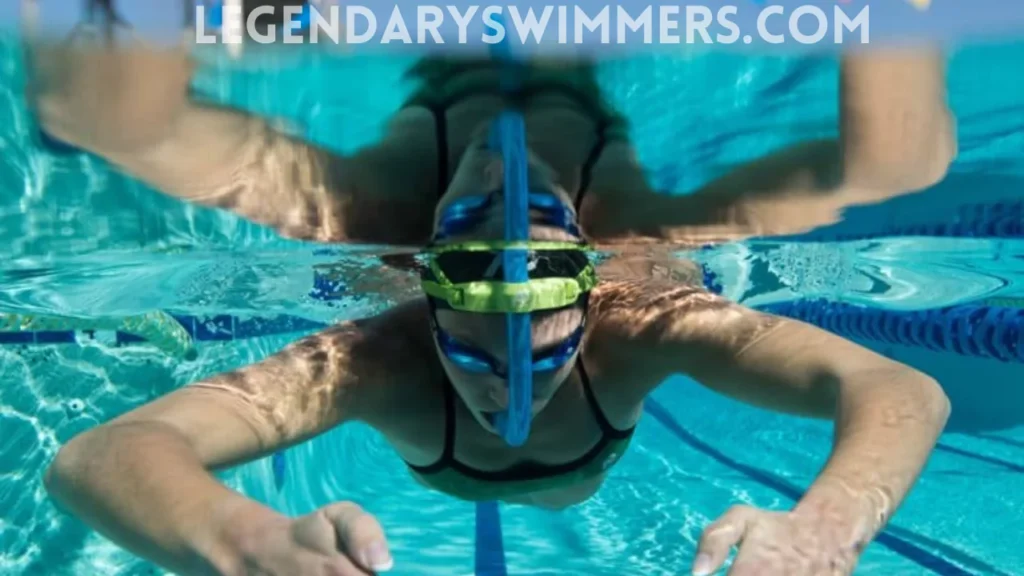
When you’re searching for the perfect swim snorkel, whether you’re an experienced swimmer or just beginning to dive into water sports, the right snorkel can make or break your training. Here at [Company Name], we understand that selecting the best swim snorkel is crucial for improving your swimming techniques, increasing breath control, and ensuring your training is as effective as possible. We’re not just here to tell you what snorkels look good on paper—we’re giving you the tools you need to make a decision that suits your specific needs. In this expert guide, we’ll walk you through the key considerations for choosing the ideal snorkeling gear, including the breathing tube, mouthpiece comfort, and adjustable straps. Whether you’re using your snorkel for training, ocean snorkelling, or water sports equipment in a pool, we’ve got you covered. Why Should You Choose the Right Swim Snorkel? The right swim snorkel isn’t just a piece of gear—it’s a game changer. When you’re training for swimming, you want a tool that allows you to focus on your technique and endurance, not on fiddling with uncomfortable equipment. A training snorkel allows you to breathe without turning your head, giving you the freedom to improve your strokes without distraction. According to centre-mounted snorkel manufacturers and many coaches, snorkels improve swimmers’ stroke efficiencies in freestyle by eliminating the need to turn the head to breathe and are used in training for this purpose. Despite the prevalence and acceptance of the snorkel in swim training, little research exists that examines if snorkels do benefit swimmers. [Source: Smith Scholarworks] Improved Breathing: Focusing on your breathing technique is crucial to becoming a better swimmer. A swim snorkel allows you to maintain a steady, rhythmic breath while keeping your head in the water. This is especially beneficial for swimmers working on their buoyancy control or swimming techniques. Efficient Stroke: By maintaining a natural breathing rhythm, swimmers can focus on refining their strokes, streamlining their body position, and optimizing every movement. Comfort and Fit: No one wants to struggle with a snorkel that doesn’t fit right. Our guide will help you understand what to look for in terms of mouthpiece comfort, adjustable straps, and material quality. Types of Swim Snorkels: Which One is Right for You? Choosing the right swim snorkel starts with understanding the different types available. Here’s a breakdown of the most common types, each with its own advantages depending on your specific needs. 1. Front-Mount Snorkels Best for: Technique-focused swimmers, training drills Key Features: Positioned in the center of your face, these snorkels offer minimal drag, making them ideal for refining stroke technique and breathing control. Ideal for: Swimmers looking for buoyancy control and those who need a snorkel to train without distractions. 2. Center-Mount Snorkels Best for: Streamlined swimming positions Key Features: These snorkels rest in the center of your face, providing a more balanced and ergonomic fit. They allow you to focus on body positioning while swimming. Ideal for: Advanced swimmers who want to perfect their alignment and body position in the water. 3. Side-Mount Snorkels Best for: Traditional swimmers, recreational snorkelers Key Features: Positioned on the side of your head, these snorkels are ideal for those new to snorkeling or swimming. They are easy to use and offer a more natural feel. Ideal for: Those who enjoy ocean snorkeling or prefer a more familiar design. Key Features to Look for in a Swim Snorkel When selecting the perfect swim snorkel, it’s crucial to consider several factors to ensure comfort and functionality. Here’s what to keep an eye on: 1. Mouthpiece Comfort A snorkel with an uncomfortable mouthpiece can quickly make your swim unbearable. Look for one that is ergonomically designed, and made from soft silicone or rubber to reduce fatigue. Tip: Consider a snorkel with an interchangeable mouthpiece if you’re prone to jaw fatigue or discomfort. 2. Adjustable Straps- Adjustable straps are essential for a secure fit. A snorkel that doesn’t sit comfortably can distract from your training. Look for straps that can easily be adjusted for your head shape, ensuring the snorkel stays in place during your swim. Tip: Make sure the straps are easy to adjust even during your swim—especially if you plan on using your snorkel for long durations. 3. Breathing Tube Design The breathing tube is the most important part of the snorkel. A high-quality tube helps prevent water from entering and allows air to flow freely. Look for features such as one-way valves, which allow you to exhale easily while preventing water from coming back in. Tip: A tube with a purge valve is helpful if you’re swimming in choppy waters or need to clear water from the snorkel quickly. 4. Hydrodynamic Design The snorkel should have a streamlined design to reduce drag. If you’re using it for swimming techniques, you don’t want a bulky or heavy snorkel slowing you down. Tip: Check the snorkel’s shape—look for smooth curves that reduce drag and allow for an efficient swim. Swim Snorkels for Different Use Cases Now, let’s dive into how to choose the right swim snorkel for specific needs: For Training: If your goal is to improve your technique, a training snorkel that allows for consistent, uninterrupted breathing is key. These snorkels help you focus on refining your strokes, positioning, and overall form in the water. According to research and swimming experts, swimmers who incorporated snorkels into their training sessions reported an improvement in breath control over several months. Pro Tip: Front-mount or centre-mount snorkels are ideal for this purpose, as they allow you to maintain proper posture and form while swimming. Best Swim Snorkel for Training  FINIS Glide Center-Mount Snorkel – Snorkeling Gear for Adults For Ocean Snorkeling: If you’re into ocean snorkelling, you’ll want a snorkel that can withstand the elements. Look for a more durable design with a reliable valve to keep water out, and an ergonomic mouthpiece for comfort during long sessions. Pro Tip: Side-mount snorkels are often more practical for recreational snorkelling, as they sit more naturally on

How to Choose the Perfect Swim Snorkel- Experts Insight Read More »

30-Min Pool HIIT Workout: Fit & Strong for Busy Women

30-Min Pool HIIT Workout: Fit & Strong for Busy Women

Time is a luxury for many women balancing work, family, and personal health. Traditional gym workouts can be time-consuming, but swimming provides a full-body workout in half the time. Interval training in the pool maximizes calorie burn, builds endurance, and tones muscles without stressing the joints. Unlike other cardio workouts, water resistance engages multiple muscle groups simultaneously, making each movement more effective. Key Benefits of 30-Minute Pool HIIT Workouts 1. Efficient Calorie Burning Swimming interval training combines aerobic and anaerobic exercises, which increase metabolic rate. Studies indicate that HIIT workouts, including pool sessions, can result in an afterburn effect, where the body continues burning calories even after the workout. A 155-pound woman can burn approximately 500–700 calories per hour with high-intensity swimming intervals, depending on effort and stroke type. In one study with sedentary young adults, five weeks of aquatic calisthenic HIIT resulted in significant improvements in cardiorespiratory fitness and a reduction in body fat percentage (on the order of 2–3% reduction), reflecting the high energy cost of the exercise. Although the study did not report a specific “calories per hour” number, these body composition changes are consistent with an effective calorie-burning stimulus in water. [Source: McDaniel et al., 2020 (NCBI PMC)] 2. Strengthens Core and Full Body Muscles Water provides 12–14% more resistance than air, engaging muscles in all directions and making movements more challenging than land-based exercises. Every kick, stroke, and movement engages the core, legs, arms, and back muscles, creating a balanced toning effect. 3. Joint-Friendly & Injury Prevention For women recovering from injuries or managing conditions like arthritis, pool workouts offer a low-impact alternative to running or weightlifting. The buoyancy of water supports body weight, reducing strain on knees and hips. According to NIH research buoyancy of water supports up to 90% of body weight, reducing joint stress by 50% compared to land-based workouts. 4. Enhances Cardiovascular Health Swimming is an excellent way to improve heart and lung function. Women also had a 36% reduced risk for a fatal heart attack, stroke, or other cardiovascular event, while men had a 14% reduced risk. According to The American Heart Association, 30 minutes of swimming a day can reduce coronary heart disease in women by 30 to 40%. That’s because swimming raises HDL levels, also known as “good” cholesterol, so for every 1% increase in HDL, the risk of dying from heart disease drops by 3.5%.  5. Boosts Mental Well-being Swimming is linked to reducing stress and improving mood by releasing endorphins. The rhythmic breathing and movements can be meditative, helping busy women clear their minds and relieve anxiety. 30-Minute Interval Training Pool Workouts Each session consists of a warm-up, main set, and cooldown. The main set is divided into short bursts of high-intensity swimming, followed by active recovery. Workout 1: Fat-Burning HIIT Swim (Best for Weight Loss)   Phase Duration Description Warm-Up 5 minutes Easy freestyle swim combined with 2–3 minutes of dynamic stretches (e.g., arm circles, leg swings). Main Set 20 minutes – 50m fast sprint (or 30 seconds of maximum effort) – 45–60 seconds of rest (tread water or hold pool edge) – 50m slow recovery swim (or 30 seconds at an easy pace) Repeat 6–8 times (adjust based on fitness level) Cooldown 5 minutes Easy backstroke and breaststroke mix with a low-intensity focus (e.g., easy backstroke emphasizing slow, controlled breathing). Workout 2: Full-Body Endurance Session (Best for Strength & Stamina)   Phase Duration Description Warm-Up 5 minutes 200m easy swim (mixed strokes) combined with 2–3 minutes of dynamic stretches (e.g., arm swings, leg kicks). Main Set 20 minutes Set 1: – 100m freestyle at a fast pace (≥80% effort) – 50m flutter kick with a kickboard (25m sprint kick followed by 25m steady pace) – 100m breaststroke at a moderate pace with focus on glide – 50m backstroke at an easy recovery pace Rest: 20–30 seconds after each set Repeat: 3–4 times (adjust based on fitness level) Cooldown 5 minutes Light sculling and stretching in the water. Workout 3: Speed & Power Focus (Best for Building Speed & Core Strength)   Phase Duration Description Warm-Up 5–7 minutes Mix strokes with a focus on loosening shoulders and hips. Main Set (Advanced Option) 20 minutes – 25m Butterfly Sprint (or 15m for shorter pools) – Rest 45–60 seconds (recover fully to maintain power) – 50m Freestyle Sprint (add hand paddles for resistance) – Rest 45–60 seconds – 25m Dolphin Kick (underwater or with a kickboard) Repeat: 4–6 times (adjust based on skill level) Main Set (Beginner Option) 20 minutes – Replace butterfly with 25m Freestyle Sprint – Use 15m Dolphin Kick (with kickboard) instead of 25m – Repeat: 3–4 sets (reduce repeats for a beginner-friendly session) – Rest 45–60 seconds between each segment Cooldown 5 minutes Slow breaststroke and floating relaxation.   How to Make the Most of Your Pool Sessions 1. Use a Variety of Strokes Freestyle is the fastest, but incorporating breaststroke, backstroke, and butterfly engages different muscle groups for a balanced workout. 2. Focus on Breathing Techniques Controlled breathing is essential for efficiency. Exhale underwater and inhale quickly during the stroke turn to avoid breaking the rhythm. 3. Add Equipment for Resistance Training Kickboard: Isolates lower body muscles Pull buoy: Focuses on upper body strength Hand paddles: Increases arm resistance 4. Stay Hydrated Many swimmers underestimate fluid loss in water. Drink at least 500ml of water before and after the session to stay hydrated. 5. Monitor Progress Track swim times, stroke counts, and endurance improvements using a waterproof fitness tracker like Garmin Swim 2 or Fitbit Versa 4. Recommended products Speedo Swim Training Kickboard Adult     CUPSHE Maternity One-Piece       FINIS Posture Trainer Head Alignment Swim Training Tool FAQs  1. Is swimming effective for weight loss? Yes, swimming burns calories efficiently. 2. How often should I do interval training in the pool? For best results, 3-4 times a week is recommended, depending on fitness goals and recovery time. 3. Can I build muscle with swimming? Yes, swimming provides resistance-based muscle

30-Min Pool HIIT Workout: Fit & Strong for Busy Women Read More »

Pre-Swim Warm-Up: Boost Performance & Prevent Injuries

Pre-Swim Warm-Up: Boost Performance & Prevent Injuries

Swimming is a full-body workout that engages multiple muscle groups, improves cardiovascular endurance, and enhances flexibility. However, diving into the water without a proper warm-up can lead to muscle strain, joint stiffness, and long-term injuries. A structured warm-up routine before swimming increases blood circulation, enhances mobility, and prepares your body for the physical demands of the sport. This guide will cover effective pre-swim warm-up exercises, expert reviews, and statistics to help swimmers reduce injury risks and improve performance. Why Is It Important to Warm-Up Before Swimming? Warming up before swimming isn’t just a routine—it’s a key factor in preventing injuries and ensuring peak performance. Jumping straight into the water with cold muscles increases the risk of strains, cramps, and inefficient strokes. A structured warm-up gradually prepares the body for the physical demands of swimming, leading to better endurance, flexibility, and efficiency. Aspetar Sports MeBizBabdicine Journal highlights that shoulder injuries account for 47% of all swimming-related injuries, making warm-up drills essential. Key Benefits of Warming Up Before Swimming Increases Blood Flow – Raising body temperature enhances circulation, delivering oxygen-rich blood to muscles. This reduces stiffness, improves reaction time, and lowers the chances of muscle cramps. Enhances Joint Mobility – Swimming involves repetitive movements that place stress on joints, particularly the shoulders and knees. A proper warm-up loosens connective tissues, reducing the risk of overuse injuries. Activates Key Muscle Groups – Engaging the core, shoulders, and legs before swimming enhances coordination, ensuring smoother strokes and more powerful propulsion. Prevents Shoulder Injuries – Shoulder impingements and rotator cuff strains are among the most common swimming injuries. Dynamic stretches and resistance band exercises help strengthen shoulder muscles, making them more resilient. Improves Breathing Efficiency – A warm-up allows swimmers to regulate their breathing patterns, reducing the likelihood of hyperventilation or early fatigue during intense workouts. According to a NIH, the positive impact of dynamic stretching on flexibility suggests potential benefits for swimmers in terms of performance and injury prevention. 10 Warm-Up Exercises Before Swimming Warming up before swimming is crucial to prevent injuries, improve flexibility, and activate the right muscle groups. A proper pre-swim routine enhances blood flow, increases range of motion, and preps the body for efficient movement in the water. Here are 10 effective warm-up exercises to get you ready for your swim session: Plank Thigh Taps – Engages the core and improves stability. Hold a plank and tap each thigh alternately. (20 taps, 10 per side). Spinal Twists – Enhances lower back flexibility. Stand upright and rotate the torso side to side. (10 reps per side). Superman Lifts – Superman Lifts are an excellent exercise to strengthen the lower back and improve posture. Begin by lying on your stomach with your arms extended straight ahead; this position ensures proper alignment and maximizes the benefits of the movement. From this starting point, simultaneously lift your arms and legs off the ground, engaging your core and back muscles. Hold the lifted position for 5 seconds before slowly lowering back down, and repeat the process for a total of 10 repetitions. For a low-impact variation—especially useful for those transitioning to aquatic exercises that involve jumping—this exercise can also be performed in water, where the buoyancy reduces stress on the joints while still providing an effective workout. Chest Angels – Opens up the chest and shoulders. Move arms in an arc motion while lying on your back. (15 reps). Cross-Body Arm Swings – Loosens shoulder muscles and enhances mobility. Swing each arm across the chest. (10 reps per arm). Split-Lunge Jumps – Builds explosive leg power for kicks. Jump into a lunge position and switch legs mid-air. (12 reps, 6 per leg). Butt Kicks – Activates hamstrings and increases circulation. Jog in place while bringing heels to glutes. (30 seconds). Banded Internal Rotation – Strengthens the rotator cuff. Use a resistance band to rotate arms inward. (15 reps per side). TWY Raises – Activates upper body muscles and corrects posture. Raise arms in T, W, and Y positions. (3 sets of 12 reps). Arm Circles – Loosens the shoulders for fluid strokes. Rotate arms forward and backwards. (10 circles each direction). Depending on your fitness level and swimming style, you may need to adjust the number of repetitions or sets. It’s also important to ensure proper form to prevent injury. While dry-land exercises are beneficial, many swimmers also incorporate a brief swim or water-specific drills (like easy laps or technique drills) to fully transition into the water. Professional Guidance: If you’re unsure about your routine, consulting with a swim coach or sports physiotherapist can help tailor a warm-up that’s most effective for your body and training goals. For more expert guidance and personalized training tips, consider visiting Legendary Swimmers. Swimming Warm-Up Sets for Beginners A structured warm-up is essential for adjusting to the water, increasing circulation, and preventing muscle strain. For beginners, starting with gradual intensity helps build endurance and prepares the body for efficient swimming. Warm up before a swim lesson reduces the risk of injuries Here’s a simple warm-up routine to follow before a swim session: Easy Freestyle (5–10 minutes) – Swim at a relaxed pace to get comfortable in the water and regulate breathing. Kick Sets (4 x 25 meters) – Use a kickboard or perform flutter kicks to activate leg muscles and improve propulsion. Pull Buoy Drills (3 x 50 meters) – Isolate arm movements by holding a pull buoy between your legs, focusing on stroke technique. Breathing Control (25 meters) – Practice bilateral breathing to build oxygen efficiency and improve breath timing. Sprint Prep (4 x 15 meters) – Short, high-intensity sprints engage fast-twitch muscle fibers, priming the body for speed and endurance. This progressive warm-up gradually activates key muscle groups while improving stroke mechanics and breath control. Starting every session with these sets will enhance swimming efficiency and reduce fatigue. Cool-Down Exercises for Swimming A proper cool-down routine helps reduce muscle tightness, lower heart rate gradually, and prevent soreness. After an intense swim session, cooling down flushes out

Pre-Swim Warm-Up: Boost Performance & Prevent Injuries Read More »

Breathing Techniques Tips for Efficient Swimming

Breathing Techniques Tips for Efficient Swimming

Swimming is a full-body workout that requires not just strength and endurance but also proper breathing control. Without the right technique, a swimmer can quickly run out of energy, lose rhythm, and struggle to maintain efficiency in the water. Mastering breathing techniques allows swimmers to swim longer distances with less effort while maintaining speed and stroke consistency. Studies show that inefficient breathing techniques can reduce a swimmer’s endurance. Olympic coaches emphasize the importance of controlled breathing, citing its role in maintaining stroke efficiency and reducing fatigue by understanding and applying correct breathing strategies, swimmers—whether competitive athletes or fitness enthusiasts—can significantly improve their performance. Key Benefits of Proper Breathing Techniques Improved Endurance: Proper oxygen exchange helps prevent early fatigue, allowing for longer swim sessions. A 2020 review in Sports Medicine highlighted that breath control can enhance stroke efficiency and aerobic capacity. Reduced Drag: Correct breathing minimizes unnecessary head movements, keeping the body streamlined.  Better Stroke Rhythm: Synchronized breathing ensures smooth, coordinated strokes. World-renowned swim coach Richard Quick stated that rhythmic breathing is the foundation of a powerful, efficient stroke. Lower Anxiety Levels: Controlled breathing keeps the heart rate steady, reducing the chances of hyperventilation. Swimmers using mindful breathing techniques report a lower stress level compared to those who do not. Enhanced Efficiency: Less energy wasted on improper breathing means more energy available for speed and technique.  Common Breathing Mistakes Swimmers Make Even experienced swimmers can fall into bad breathing habits that affect their performance. Recognizing these mistakes is the first step toward correcting them. Holding Your Breath Too Long Many swimmers mistakenly hold their breath while swimming instead of exhaling gradually underwater. This leads to CO2 buildup, causing discomfort and forcing rushed inhalations. Correction: Exhale slowly through the nose or mouth while underwater, ensuring a relaxed and controlled intake of fresh air when turning to breathe. Lifting the Head Too High Lifting the head too much while breathing increases drag and disrupts body alignment. This slows down the swimmer and wastes energy. The ideal position is to keep the head neutral, with eyes looking downward and slightly forward, aligning the head with the spine. [Source] Correction: Keep one goggle in the water while breathing to maintain a streamlined position and reduce resistance. Exhaling Too Quickly or Incompletely Some swimmers exhale forcefully all at once instead of a steady, controlled release. This disrupts breathing rhythm and reduces efficiency. Correction: Exhale continuously and evenly through the nose or mouth while swimming, ensuring a smooth breathing cycle. Breathing Every Stroke While breathing is essential, inhaling with every stroke can create an unbalanced stroke pattern and affect swimming speed. Correction: Use a bilateral breathing technique, inhaling every three strokes to maintain balance and rhythm. How Breathing Techniques Improve Performance Swimmers can benefit from proper breathing techniques in various ways: Increased Stroke Efficiency: A study by the  NLM found that the energy cost of breathing in hypoxia increases exponentially compared to normoxia, accounting for 15–30% of total maximal oxygen uptake. Implementing RMT has been found to improve ventilatory efficiency and delay the onset of fatigue during exercise in hypoxic conditions. Greater Oxygen Utilization: A study published in the International Journal of Environmental Research and Public Health examined the effects of different breathing patterns on competitive swimmers. The researchers compared regulated breathing (every two strokes) to free breathing during high-intensity swimming intervals. They found that regulated breathing led to higher respiratory muscle deoxygenation, indicating increased respiratory effort, which could impact overall performance. In contrast, free breathing allowed for better oxygenation and potentially improved endurance. Better Buoyancy Control: Swimmers who master proper breathing maintain a more stable body position, reducing unnecessary movement and improving glide efficiency. Proven Drills to Improve Breathing in Swimming Bubble Blowing Drill One of the best beginner drills, this exercise helps swimmers get comfortable with exhaling underwater. Take a deep breath before submerging. Slowly exhale through the nose and mouth, creating bubbles. Repeat to develop a natural and relaxed exhalation pattern. Bilateral Breathing Drill This drill improves balance and stroke symmetry. Swim freestyle while breathing every three strokes instead of every two. Focus on keeping movements smooth and maintaining proper head positioning. Gradually increase the number of strokes between breaths. Hypoxic Training This advanced method helps increase lung capacity and oxygen efficiency. Swim while limiting breaths (e.g., one breath every five strokes). Gradually extend intervals over time. Used by elite swimmers to enhance endurance. Recommended Products    Speedo Unisex Adult Swim Training Fins     Speedo Unisex-Adult Swim Training Pull Buoy   FAQs What is the best breathing pattern for freestyle swimming? Most experts recommend bilateral breathing—taking a breath every three strokes—to ensure balance, rhythm, and efficiency. Can holding my breath underwater improve lung capacity? No, holding your breath too long can cause CO2 buildup, making breathing harder. Instead, focus on controlled exhalation while swimming. How do professional swimmers train their breathing? Elite swimmers use hypoxic training, controlled exhalation drills, and rhythmic breathing patterns to optimize oxygen use and maintain stamina. How can I stop swallowing water while breathing? Ensure proper head positioning by keeping one goggle in the water, breathing to the side, and exhaling completely before inhaling. Final Thoughts Breathing is not just a necessity in swimming—it’s a skill that directly affects performance. Whether you’re a beginner struggling with water intake or an advanced swimmer aiming for better endurance, refining your breathing technique is essential. By correcting common mistakes, practising structured drills, and implementing expert-backed strategies, you can swim with greater efficiency, reduce fatigue, and improve your overall experience in the water. For more insights and expert advice on enhancing your swimming techniques, visit Legendary Swimmers.

Breathing Techniques Tips for Efficient Swimming Read More »

Swimming for Bone Health: Combat Osteoporosis with Water Exercise

Swimming for Bone Health: Combat Osteoporosis with Water Exercise

As we age, our bones naturally lose density, and the risk of fractures increases. Osteoporosis, a condition where bones become fragile and more likely to break, is particularly common in women—especially those who are postmenopausal. At Legendary Swimmers, we understand the challenges of managing bone health, and we recognize that maintaining a balanced, active lifestyle is key to keeping osteoporosis at bay. Swimming is a low-impact exercise that can play an essential role in strengthening muscles and bones while also minimizing the risk of joint strain. In this detailed guide, we’ll explore how swimming can benefit women with osteoporosis, which swimming strokes are most effective, and how to integrate this activity into your daily life for long-term bone health. Whether you’re new to swimming or looking to refine your technique, our expert approach will give you the tools to confidently include swimming in your osteoporosis management strategy. Why Swimming Is Ideal for Women with Osteoporosis For women with osteoporosis, protecting your bones while staying active can be a challenge. One of the critical elements of managing osteoporosis is finding the right exercise routine that reduces the risk of falls and fractures, all while stimulating bone health. Weight-bearing activities, which apply force directly to your bones, are traditionally recommended for building bone strength. However, these can often be too harsh on the joints and muscles of women suffering from osteoporosis. The Connection Between Bone Health and Swimming This is where swimming stands out as an ideal exercise. While swimming may not apply as much direct load to bones as walking or running, the resistance of the water creates an environment where your muscles must work harder to move against the buoyancy. This helps to build muscle strength, which in turn supports bone health. For women with osteoporosis, the gentle impact and resistance in water help increase muscle tone without the risk of falling, unlike other forms of high-impact exercises. Why Water Resistance Works for Bone Strength The resistance offered by water is 12 times greater than air, making swimming an incredibly efficient workout. Every stroke, and every movement in the water helps activate your muscles and joints, promoting bone mineralization indirectly. Even though swimming doesn’t directly impact bone density in the way weight-bearing activities do, it offers valuable benefits for osteoporosis prevention and management by improving flexibility, stability, and overall strength, which helps reduce the likelihood of falls. Moreover, swimming provides a full-body workout that engages your legs, arms, core, and back. As your muscles strengthen, they work synergistically to stabilize the skeletal system, effectively providing support to vulnerable bones. According to the National Institutes of Health (NIH), Swimming is a great low-impact exercise that not only strengthens muscles but also reduces joint pain. For individuals with osteoporosis, this can significantly improve their quality of life without exacerbating their condition. The Science Behind Swimming and Bone Health To understand why swimming benefits bone health, it’s important to delve into the science behind it. Osteoporosis occurs when bones lose density, resulting in weaker bones that can fracture more easily. For women, this process accelerates after menopause due to the decrease in estrogen levels, a hormone essential for bone health. Swimming, by engaging muscles through resistance training, helps stimulate bone cells to promote bone density maintenance. While weight-bearing activities such as walking, running, and lifting weights directly apply stress to bones, swimming has the benefit of combining low-impact movements with water’s resistance. Research indicates that aquatic exercises, like swimming, offer benefits like reduced pain, improved joint mobility, and increased muscle mass—all of which are essential for managing osteoporosis. Mechanisms of Strengthening Bones with Swimming The repetitive motion of swimming increases the engagement of muscles around key areas such as the hips, spine, and wrists. These are the areas most commonly affected by osteoporosis, and strong muscles can better protect the bones by acting as a stabilizing force. Balance and Stability: The water provides support for the body while simultaneously engaging muscles that contribute to balance and coordination. By enhancing balance, swimming lowers the risk of falls, which is a significant concern for individuals with osteoporosis. Circulation Improvement: Regular swimming improves cardiovascular health and circulation. Proper blood flow is essential for bone health as it helps transport nutrients necessary for the regeneration of bone cells and tissue. Supporting Research: A 2019 study published in the Journal of Osteoporosis and Bone Research concluded that aquatic exercises, including swimming, improve muscle strength and joint flexibility in individuals with osteoporosis. The research showed that those who engaged in water-based workouts experienced an increase in muscle mass and improvement in bone density over a six-month period. Which Swimming Strokes Are Most Effective for Bone Health? Each swimming stroke engages different muscle groups. For women with osteoporosis, selecting the right strokes that target muscle groups surrounding vulnerable bones is essential. Below, we highlight the best strokes for maximizing bone health benefits: Stroke Benefits Backstroke Engages back muscles, crucial for spinal stability. Strengthens muscles surrounding the spine, reducing osteoporosis-related fracture risks. Supports good posture. Breaststroke Strengthens chest, arms, and legs, supporting shoulders, spine, and hips. Gentle on the body, making it ideal for beginners. Improves flexibility and reduces injury risk. Freestyle (Front Crawl) Builds cardiovascular endurance and full-body strength. Targets arms, chest, and core muscles. A faster pace helps build muscle and joint strength. Butterfly Strengthens chest, shoulders, and arms. Suitable for advanced swimmers or those with higher fitness levels. ❗ Not recommended for beginners or those with significant osteoporosis due to its intensity. How to Design a Weekly Swimming Schedule Creating a routine that integrates swimming with other bone-strengthening activities is essential for a well-rounded osteoporosis management plan. For optimal results, aim for at least 3-4 swimming sessions per week, each lasting 30 to 45 minutes. If you’re just starting, it’s okay to begin with 20-minute sessions and gradually increase the duration as your endurance and technique improve. Effective Swimming Interval Training For more advanced swimmers, incorporating interval training can further challenge muscles, boost strength, and improve cardiovascular

Swimming for Bone Health: Combat Osteoporosis with Water Exercise Read More »

How to Improve Your Flip Turn

Flip Turn Secrets: Swim Faster in 6 Steps

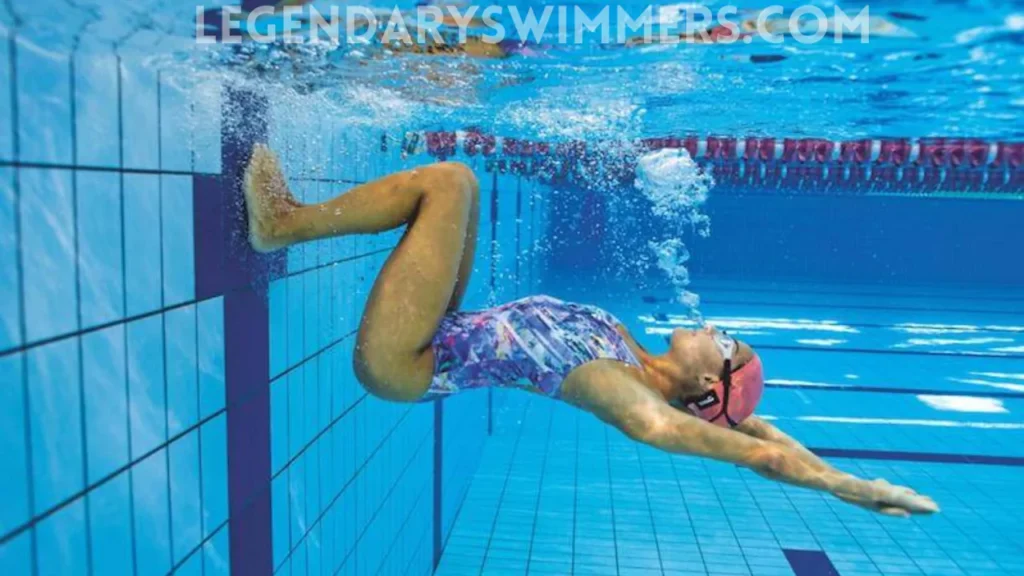
The flip turn is one of the most critical—and intimidating—skills in competitive swimming. Yet, many swimmers, especially beginners, struggle with timing, coordination, or fear of hitting the wall. A well-executed flip turn can save 0.5–1.5 seconds per lap, according to a 2022 study by the Journal of Sports Sciences. In this article,  you’ll learn how to master flip turns with drills, expert tips, and fixes for common mistakes. Whether you’re training for a triathlon or just want smoother pool sessions, this guide is tailored for female swimmers at all levels. Why Flip Turns Matter: Speed, Efficiency & Competition Edge Flip turns aren’t just for Olympians. Perfecting this technique offers three key benefits: A. Maintain Momentum Open turns (touching the wall with your hand) waste energy and decelerate your speed. B. Reduce Lap Times Elite swimmers like Katie Ledecky save 1–2 seconds per 50 meters with crisp flip turns—a game-changer in races decided by milliseconds. C. Build Endurance Efficient turns reduce fatigue, letting you swim longer without losing form. Pro Tip: Practice flip turns even during casual laps to build muscle memory. Step-by-Step Flip Turn Technique Breakdown Master the flip turn in 6 stages: Step 1: Approach the Wall Distance: Start your flip 1–1.5 meters from the wall (about 2 strokes in freestyle). Speed: Maintain a strong, steady pace. Step 2: Initiate the Flip Tuck: Pull your chin to your chest and somersault forward. Arm Position: Keep arms extended or streamline (no flailing!). Step 3: Plant Your Feet Wall Contact: Feet should hit the wall shoulder-width apart, toes pointing upward. Knee Bend: Aim for a 90-degree angle for maximum push-off power. Step 4: Push Off the Wall Direction: Push off parallel to the pool floor (not upward!). Streamline: Lock arms over your head, squeeze your ears, and engage the core. Step 5: Rotate & Resume Swimming Body Position: Rotate to your stomach during the glide. First Stroke: Start kicking before breaking the streamline. 5 Essential Flip Turn Drills for Beginners Try these drills to build confidence and precision: Drill 1: “Flippy Feet” Wall Approach Goal: Practice judging flip distance. How: Swim toward the wall, flip, and focus on planting feet accurately. Use a kickboard to measure distance. Drill 2: Somersaults in Shallow Water Goal: Overcome fear of flipping. How: Practice forward rolls in waist-deep water to build spatial awareness. Drill 3: No-Wall Flip Turns Goal: Perfect tuck mechanics. How: Flip mid-pool without pushing off. Focus on tight tucks and smooth rotations. Drill 4: One-Arm Flip Turns Goal: Improve balance. How: Swim freestyle with one arm extended during the flip to simulate race conditions. Drill 5: Underwater Streamline Kicks Goal: Maximize push-off efficiency. How: Push off the wall and glide underwater for 3–5 seconds before surfacing. Pro Tip: Record your drills with a waterproof camera (like GoPro) to analyze form. Advanced Flip Turn Tips from Pro Swimmers Learn from the best: “Snap Your Hips” – Missy Franklin The 5-time Olympic gold medalist emphasizes explosive hip rotation during the push-off for faster turns. “Breathe Late” – Katie Ledecky Delay your breath until after the first stroke post-turn to maintain streamlined speed. “Eyes on the T” – Natalie Coughlin Spot the black “T” marking at the pool’s end to gauge flip distance accurately. “Core Engagement” – Simone Manuel Tighten your abs during the flip to prevent a “banana body” (arching back). 4 Common Flip Turn Mistakes Common Flip-Turn Mistakes How to Fix Them Mistake 1: Over- or Under-Flipping Use the pool’s flags to count strokes (typically 3–5 strokes from flags to wall). Mistake 2: Wide Leg Placement Practice wall touches with a pull buoy between your thighs to enforce shoulder-width spacing. Mistake 3: Lazy Streamline Hold a kickboard overhead during push-offs to train straight arms. Mistake 4: Lifting Head Too Early Wear a swim cap with a center stripe to keep your head aligned. Gear to Enhance Your Flip Turn Practice A. Tempo Trainer Use: Set a beep rhythm for consistent stroke counts. Best For: Finis Tempo Trainer Pro ($45). B. Anti-Fog Goggles Use: Clear vision for precise wall approaches. Best For: Speedo Vanquisher 2.0 ($25). C. Swim Snorkel Use: Focus on flip mechanics without breathing interruptions. Best For: Arena Center Snorkel ($40). Proven Results:  A study found that 12 weeks of in-water training significantly improved their performance in 25 and 50-meter front crawl swimming. [Source] FAQs: Q: How do I avoid water up my nose during a flip? A: Exhale gently through your nose during the rotation. Q: Can I learn flip-turns in open water? A: No—flip turns require a wall. Focus on open-water-specific skills like sighting. Q: Why do I feel dizzy after flipping? A: You’re likely holding your breath. Exhale slowly during the flip to stabilize inner ears. Conclusion: Mastering the flip turn takes patience, but the payoff—speed, efficiency, and confidence—is worth it. Start with shallow-water drills, analyze your form, and gradually integrate turns into your routine. For more swimming guides, visit LegendarySwimmers.com. References usms.org National Strength and Conditioning Association (NSCA) ASCA

Flip Turn Secrets: Swim Faster in 6 Steps Read More »