

Why Do Elite Swimmers Have Long Torsos? Genetics, Training & Performance
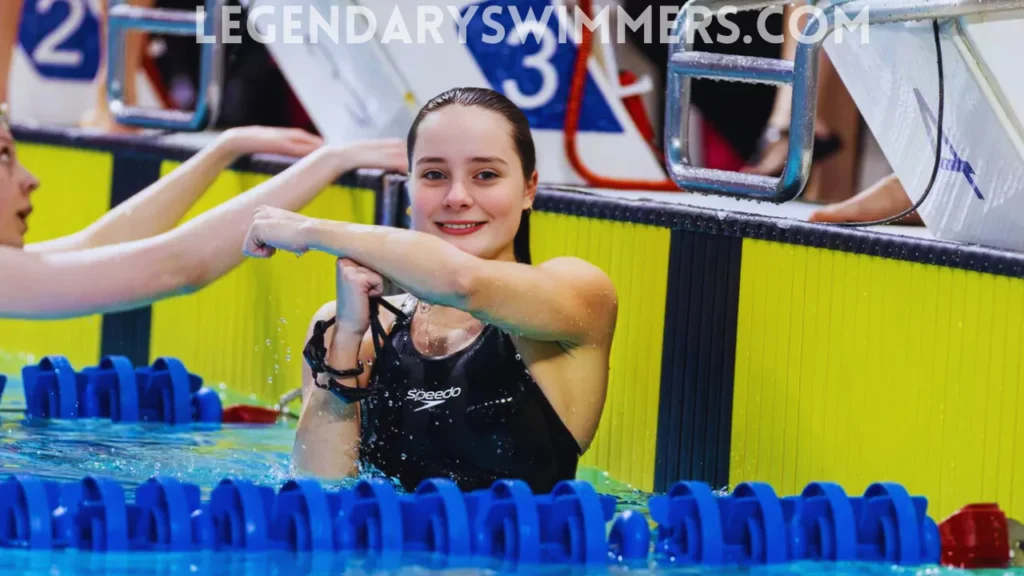
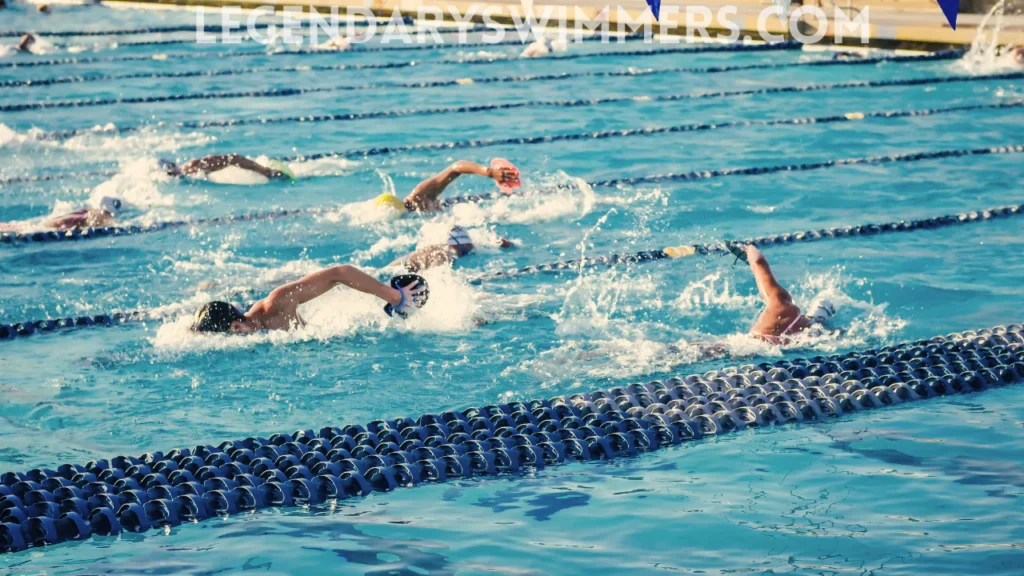
Why do swimmers have long torsos? If you’ve ever watched Olympic swimming or spent time around competitive swimmers, you’ve probably noticed that many elite swimmers seem to have longer torsos, broad shoulders, and relatively shorter legs. This isn’t just an illusion. Many successful swimmers do share body proportions that can provide advantages in the water. But does swimming actually make your torso longer, or are elite swimmers simply born with these traits? The answer is a combination of genetics, body structure, and biomechanics. In this article, we’ll explore why long torsos are common among swimmers, how body proportions affect swimming performance, and what this means for swimmers of all levels. The Biomechanics of the Swimmers Body The Long Torso Advantage: Physics in the Water The physics of swimming explains why a long torso provides a competitive edge in the water. Water creates approximately 800 times more resistance than air, making hydrodynamics a crucial factor in swimming performance. Here’s why torso length matters: Reduced Drag Profile A longer torso with proportionally shorter legs creates a more streamlined shape in the water. Dr. Stager has extensively discussed the impact of body morphology on swimming performance. For instance, in the Handbook of Sports Medicine and Science: Swimming, he explores how a swimmer’s body shape and size influence hydrodynamics and drag. Research Gate indicates that swimmers with longer torsos experience up to 5-7% less drag than those with shorter torsos of the same height, a significant advantage over race distances. Improved Buoyancy Distribution Longer torsos distribute buoyancy more effectively across the body’s length. The human torso naturally contains the lungs and a higher percentage of body fat compared to limbs, making it more buoyant than legs. A longer torso essentially provides a larger “float” in the water, helping to keep the body horizontal and reducing the energy needed to maintain proper position. For instance, in the Swimming Science Bulletin, it’s noted that a streamlined, horizontal body position minimizes form resistance and energy cost, aligning with the principles discussed in Dr. Cappaert’s research. Greater Surface Area for Propulsion The torso serves as the core connection between the upper and lower body propulsive forces. A longer torso provides: Extended reach in strokes like freestyle and backstroke Increased surface area for the underwater pull phase More effective power transfer between arm and leg movements Enhanced ability to generate undulating movements in butterfly and breaststroke Studies show that for every 1% increase in torso length relative to total height, swimmers generate approximately 0.8% more propulsive force during the pull phase of strokes. [Research Gate] Resistance training in the pool can also improve stroke power and muscular endurance. Looking to build swimming-specific strength? Explore our Swim & Sculpt training approach, which combines swim technique and water resistance exercises to improve strength, endurance, and movement efficiency in the pool. Nature vs. Nurture: Are Long Torsos Genetic or Developed? The question of whether swimmers have long torsos because they’re naturally selected for the sport or whether swimming helps develop this characteristic has fascinated sports scientists for decades. The Genetic Component Research strongly suggests that the primary factor is genetic selection—individuals with naturally longer torsos tend to excel at swimming and therefore progress to elite levels. A comprehensive study of Olympic swimmers found that: Elite swimmers typically have torso-to-leg ratios approximately 5-10% higher than the general population This characteristic is typically present before intensive training begins Similar body types often appear within swimming families, suggesting genetic inheritance The Training Effect While the primary factor appears to be genetic selection, there is evidence that early, intensive swimming training may influence body development to some degree: Swimming during developmental years may encourage somewhat greater trunk development relative to limbs The horizontal position and reduced impact of swimming allows for different growth patterns compared to weight-bearing sports Core muscle development from swimming can enhance posture, creating the appearance of a longer torso Dr. Joyner has discussed the relationship between body morphology and athletic performance. In his blog post “Size Makes a Difference: Gymnastics and Swimming,” he notes that swimmers tend to be taller, suggesting that body size and proportions can influence performance in different sports Comparative Body Types Across Swimming Strokes Interestingly, the ideal body proportions vary somewhat across different swimming disciplines: Freestyle and Backstroke Specialists These swimmers typically display the most pronounced long-torso advantage, with proportions that include: Longer arms relative to height (greater “wingspan”) Slim hips and shoulders broader than hips Torso length approximately 52-54% of total height (compared to average 48-50%) Strong body position and core control also play a major role in freestyle efficiency, regardless of natural body proportions. Many swimmers also combine swim training with water resistance exercises to improve strength, balance, and movement efficiency in the pool. Related Reads: How to Swim Freestyle Like a Pro: Techniques and Tips (2026) Swim & Sculpt Free PDF Training Guide Breaststroke Specialists Breaststroke swimmers often show slight variations from the classic “long torso” model: Still benefit from longer torsos but may have proportionally stronger legs Often have exceptional ankle flexibility (external rotation capability) Typically possess greater hip flexibility for the whip kick Related Reads: Breaststroke Speed and Efficiency Techniques for Faster Swimming Butterfly Specialists Butterfly swimmers commonly display: Long torsos with well-developed core musculature Powerful shoulders with exceptional flexibility Strong, flexible lower back to facilitate the undulating motion The relatively stronger core development in butterfly specialists sometimes creates the appearance of a slightly shorter torso, though the underlying proportional advantage remains. Related Reads: Best Swimming Stroke for Abs | Expert Tips Beyond the Torso: Other Physical Traits of Elite Swimmers While torso length is significant, several other physical characteristics commonly appear in elite swimmers: Hand and Foot Size Larger hands and feet serve as natural paddles and fins, increasing the surface area available for propulsion through water. Olympic swimmers typically have hand and foot sizes in the 75th percentile or higher for their height. Joint Flexibility Exceptional joint flexibility, particularly in the shoulders, ankles, and knees, allows swimmers to: Achieve greater
Why Do Elite Swimmers Have Long Torsos? Genetics, Training & Performance Read More »