
The Benefits of Aquatic Fitness During Menopause (2026)
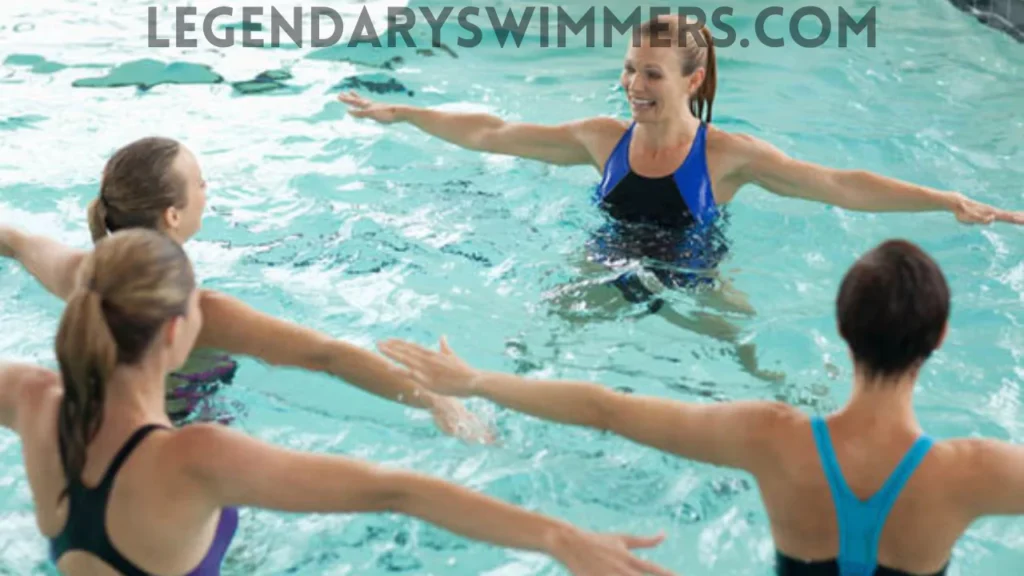
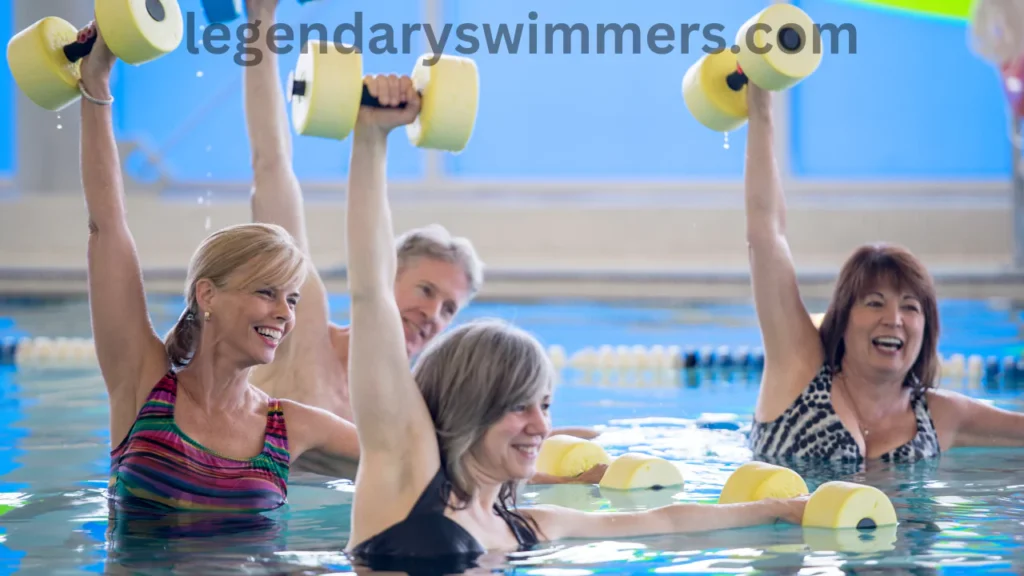
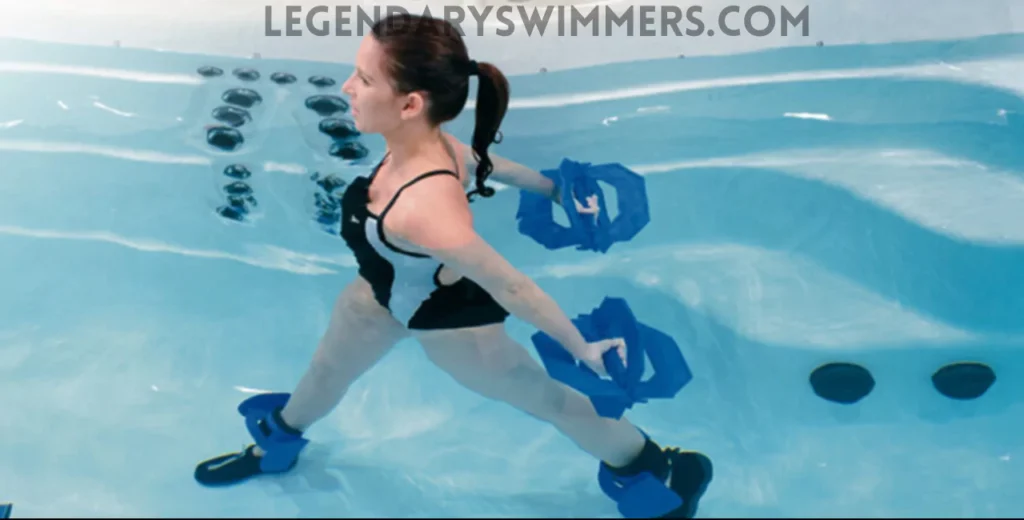
Menopause is a natural phase in a woman’s life that typically occurs in the late 40s or early 50s. It marks the end of menstrual cycles and comes with several physiological and hormonal changes. Common symptoms during menopause include hot flashes, joint pain, mood swings, and decreased bone density. These changes can impact a woman’s overall quality of life and physical well-being. Research from the University of Michigan shows that aquatic exercises can improve joint flexibility and reduce pain by up to 40% in individuals with arthritis, which is common during menopause. Why Exercise Matters During Menopause Exercise plays a significant role in alleviating many of the symptoms associated with menopause. Regular physical activity helps manage weight, improve mood, boost cardiovascular health, and reduce the risk of osteoporosis. Engaging in exercises like aquatic fitness can make a real difference in maintaining health during this transitional stage. According to Dr. Jane Morrison, Ph.D., a specialist in sports medicine and aquatic therapy. “Aquatic exercise provides an excellent cardiovascular workout while minimizing stress on the joints, making it ideal for women at all stages of life, including during menopause.” What is Aquatic Fitness? Aquatic fitness refers to a variety of exercises performed in water, not limited to swimming. It encompasses activities like aqua aerobics, aqua yoga, aqua boxing, and more. Water workouts provide resistance and support, making exercises less strenuous on the joints while being highly effective for building strength and improving cardiovascular health. Difference Between Swimming and Aquatic Fitness While swimming is a part of aquatic fitness, it is just one option among many. Aquatic fitness exercises are more diverse and can include movements replicating those performed in a gym. These activities make aquatic fitness accessible even to those who are not confident swimmers or those who prefer different types of exercises in water. According to a 2020 study, women who participate in regular aquatic exercise have a 30% lower risk of cardiovascular diseases compared to those who don’t exercise in water. [Source] Benefits of Aquatic Fitness During Menopause 1. Low-Impact Nature is Easy on Joints One of the biggest benefits of aquatic fitness is that it is low-impact, meaning it is gentle on the joints. Menopausal women often experience joint pain and stiffness, which can make traditional exercises uncomfortable or even painful. Aquatic exercises provide buoyancy that helps reduce the impact on joints, allowing for a safer workout. A great example is a woman who had knee surgery and found that water workouts were ideal for staying active without aggravating her injury. 2. Helps with Hot Flashes and Mood Regulation Hot flashes are one of the most common symptoms of menopause. The cooling effect of water helps in alleviating hot flashes during workouts. Moreover, aquatic exercises have been shown to reduce stress and anxiety while improving overall mood, making them a powerful tool for mental health during menopause. 3. Builds Muscle Mass Without Overstraining The natural resistance provided by water helps in building muscle mass without putting too much strain on the body. This is particularly important for women during menopause who may have weaker areas that could easily be overstrained by traditional gym workouts. Water resistance mimics gym exercises but in a supportive environment, providing the right level of challenge without excessive risk. 4. Boosts Cardiovascular Health Aquatic fitness is a great way to keep the heart healthy. Cardiovascular exercises in water help boost stamina, improve circulation, and maintain a healthy heart rate, which is especially crucial during menopause when the risk of cardiovascular issues tends to increase. 5. Maintaining Bone Density Resistance exercises are crucial for maintaining bone density, and aquatic fitness is no exception. While water exercises don’t have the same impact as weight-bearing exercises on land, they do provide resistance that helps stimulate bone growth and maintain density, thereby reducing the risk of osteoporosis. 6. Avoiding the Sweat Factor One of the unique benefits of aquatic fitness is that you don’t feel sweaty, even while working hard. Many women find sweating uncomfortable, and with water workouts, you stay cool while still getting a full-body workout. This comfort makes it easier to stick to a regular exercise routine. Types of Aquatic Fitness Activities 1. Aqua Yoga Aqua yoga combines traditional yoga poses with the support of water. This type of exercise is excellent for improving flexibility, balance, and relaxation. It is particularly beneficial for reducing stress and anxiety, which can be heightened during menopause. 2. Aqua Pilates Aqua Pilates focuses on core strength and stability, which can help alleviate lower back pain and improve posture. The resistance of the water makes Pilates more challenging, enhancing its benefits without putting undue stress on the body. 3. Aqua Zumba Aqua Zumba is a fun, high-energy workout that combines dance with water resistance. It’s great for cardiovascular health, muscle toning, and enhancing coordination. The social aspect of aqua Zumba can also help reduce feelings of isolation that some women experience during menopause. 4. Aqua Boxing Aqua boxing is an exciting and effective way to improve cardiovascular health, coordination, and muscle tone. By performing boxing moves in water, you get the benefits of high-intensity exercise with less stress on your joints. This type of exercise is great for releasing tension and building confidence. 5. Aqua Aerobics Aqua aerobics is one of the most popular forms of aquatic fitness. It involves rhythmic aerobic exercises performed in water, helping improve stamina, strength, and overall fitness. The buoyancy of water makes it an excellent option for full-body workouts without the high impact. Dr. Emily Clark, M.D., an endocrinologist specializing in women’s health. “Water exercises are especially beneficial for menopausal women as they help maintain muscle mass, manage weight, and reduce symptoms such as hot flashes and joint pain.” How to Get Started with Aquatic Fitness To get started with aquatic fitness, look for local classes at community centers, gyms, or swimming pools. Many facilities offer specific aquatic fitness programs designed for different age groups and fitness levels. What to Bring to an Aqua Fitness
The Benefits of Aquatic Fitness During Menopause (2026) Read More »


![How Swimming Can Relieve Chronic Pain [Expert's Insight]](https://legendaryswimmers.com/wp-content/uploads/2024/10/smart-solar-solution-sunenergy-guide-6701a3d9c642c-1024x576.webp)
![Does Swimming Actually Burn Calories? [Experts Tips]](https://legendaryswimmers.com/wp-content/uploads/2024/09/legendary-swimmers-1-66e2b271110e3-1024x576.webp)