
Stronger in the Water. Stronger in Life.
Aquatic Exercise for Osteoporosis: Bone Health & Water Fitness
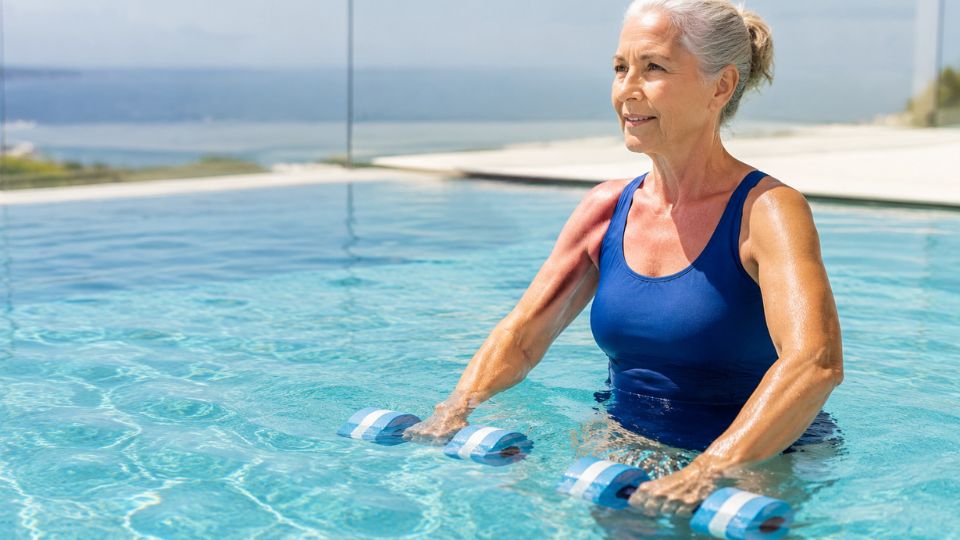
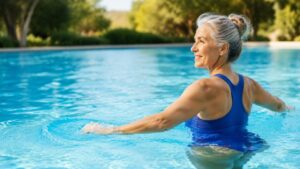
Aquatic exercise for osteoporosis can be an appealing option for people who want to stay active while looking for movement that feels lower impact and more supportive on their joints.
But bone health deserves a thoughtful conversation.
Water exercise can provide resistance, support strength and balance work, and give many people a more comfortable place to move. At the same time, water is not the same as land. Buoyancy reduces weight-bearing load, which is helpful in some ways but also means aquatic exercise should not automatically be viewed as a replacement for the weight-bearing and progressive resistance exercise a person’s healthcare team may recommend.
The strongest approach is not to think of water exercise as “all or nothing.” It can be one valuable part of a broader bone-health routine.
Why Bone Health Matters
Osteoporosis is a condition in which bones become weaker and more likely to fracture. Bone health is influenced by many factors, including age, hormonal changes, nutrition, medications, medical history, genetics, and physical activity.
For people living with osteoporosis or osteopenia, movement decisions may feel complicated. They may worry about pain, joint stress, falling, past injuries, or choosing the wrong exercise.
That is why individualized guidance matters.
A physician, physical therapist, or other qualified healthcare professional can help determine which types of movement are appropriate based on a person’s bone density, fracture history, symptoms, medications, balance, and overall health.
How Water Exercise Can Challenge the Body
Water reduces impact, but it does not remove challenge.
When you walk, push, pull, kick, sweep, or press through water, you work against resistance. That resistance can increase when you move faster with control, use a larger range of motion, add aquatic equipment, or increase the surface area moving through the water.
Many aquatic programs include a combination of:
- Water walking or marching
- Controlled leg movements
- Balance exercises
- Arm presses and pulls
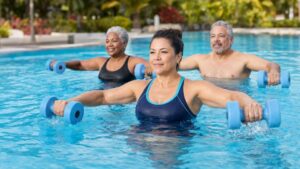
- Aquatic dumbbell exercises
- Resistance-based lower-body movements
- Cardiovascular movement
These movements can support strength, coordination, mobility, and confidence in everyday activity.
Related Reading: The Science Behind Water Resistance Training: Why It Works
What Does Research Say About Aquatic Exercise and Bone Health?
A 2023 systematic review and meta-analysis examined controlled trials of aquatic exercise lasting longer than six months in adults.
The researchers found that aquatic exercise was associated with favorable bone-mineral-density outcomes at the lumbar spine and proximal femur when compared with non-training control groups. However, the findings were not equally certain across every outcome. In particular, the femoral-neck findings showed substantial variation between studies and possible small-study or publication bias.
A separate systematic review and meta-analysis found that water-based exercise may help maintain or improve bone health compared with sedentary control groups in middle-aged and older adults. However, when water-based exercise was compared with land-based exercise, land-based exercise showed a greater effect on lumbar-spine bone mineral density.
That is an important distinction.
The research does not mean that every type of water exercise builds bone density equally. The aquatic programs studied varied substantially, and many involved resistance-style movements—not simply casual swimming.
It also does not mean that water exercise should replace an individualized osteoporosis treatment plan or other activity a clinician recommends.
Research links:
- The Effect of Aquatic Exercise on Bone Mineral Density in Older Adults: A Systematic Review and Meta-Analysis
- Effects of Water-Based Exercise on Bone Health of Middle-Aged and Older Adults: A Systematic Review and Meta-Analysis
What Water Exercise Can Offer
For some people, water may provide a more accessible place to begin building an activity routine.
Potential benefits of appropriately designed water movement may include:
- A lower-impact environment for movement
- Resistance for controlled strength work
- Opportunities to practice balance and coordination
- A way to stay active when high-impact movement does not feel appropriate
- A supportive setting for building exercise confidence
- A sustainable complement to other forms of activity
Water exercise can be especially meaningful for someone who has been avoiding movement because of fear, discomfort, joint concerns, or uncertainty about how to start.
The goal is not to promise a specific medical outcome. The goal is to help people find safe, appropriate ways to keep moving.
What Water Exercise Cannot Replace
Aquatic exercise should not replace:
- Osteoporosis medication prescribed by a healthcare professional
- Bone-density monitoring or medical follow-up
- Individualized recommendations after a fracture
- Guidance about movements that may or may not be appropriate for your spine, hips, or other areas
- Any land-based strength, balance, weight-bearing, or impact exercise your care team recommends
A complete plan for bone health may include several pieces, such as medical care, nutrition, safe strength training, balance work, and the appropriate type of weight-bearing activity.
Water exercise can complement that plan. It does not need to compete with it.
Strength and Balance Still Matter
Even when the main goal is bone health, strength and balance remain important.
Stronger muscles can support movement and stability. Balance practice can help people feel more confident while walking, stepping, turning, and moving through daily life.
In the pool, that might look like slow controlled water walking, gentle knee bends, heel raises, supported single-leg balance, or resistance movements that match a person’s current ability.
The movements do not have to be large or intense to be useful. A controlled, well-paced session may be more valuable than doing too much too soon.
Related Reading: How Water Exercises Improve Stability, Coordination & Everyday Movement
Begin With Professional Guidance
If you have osteoporosis, osteopenia, a previous fracture, severe back pain, changes in balance, or concerns about exercising safely, speak with your healthcare professional before starting or changing an exercise routine.
A physical therapist or other qualified professional can help you understand which movements, positions, depths, equipment, and exercise progressions may be appropriate for you.
The right plan is personal. It should be based on your needs—not a generic promise online.
Explore Water Movement at Your Own Pace
If you have been cleared for exercise and would like to try guided, low-impact water movement, explore our free 15-minute aqua fitness workout.
Move at a pace that feels appropriate for you. Choose a comfortable range of motion, use support when needed, and pause or modify any movement that does not feel right for your body.
Try the Free 15-Minute Aqua Fitness Workout
This article is for general educational purposes only and is not medical advice, diagnosis, or treatment. It does not replace guidance from your physician, physical therapist, or other qualified healthcare professional. Consult a healthcare professional before beginning or changing an exercise routine, especially if you have osteoporosis, osteopenia, a medical condition, an injury, or concerns about exercising safely.
References
Schinzel E, Kast S, Kohl M, et al. The Effect of Aquatic Exercise on Bone Mineral Density in Older Adults: A Systematic Review and Meta-Analysis. Frontiers in Physiology. 2023;14:1135663.
Read the full study
Simas V, et al. Effects of Water-Based Exercise on Bone Health of Middle-Aged and Older Adults: A Systematic Review and Meta-Analysis.
Read the full study
The 2023 review found favorable bone-mineral-density outcomes versus no-training controls, but results varied by bone site; another review found land-based exercise had a stronger lumbar-spine effect in direct comparisons.
Share:
More Posts
Start Training in the Water
Free Resources
Improve your swimming, build strength, or move with less impact using the water as your training space.
Choose a free resource below to get started.
Recommended Equipment
These wellness-focused aquatic tools help support recovery, mobility, balance, and overall comfort while creating a more sustainable movement experience in and around the water.
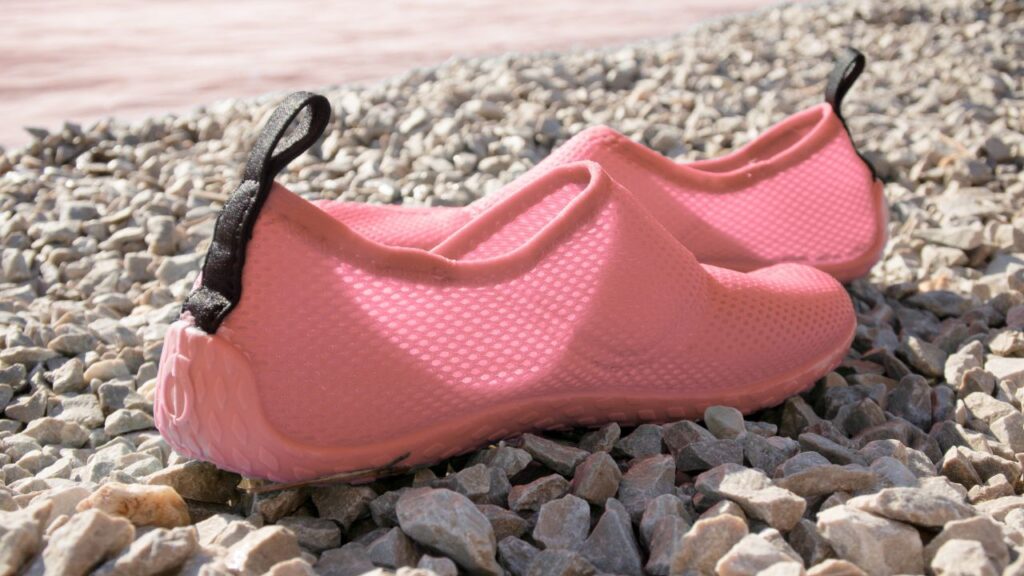
Water Shoes
Provides grip, stability, and foot protection for pool walking, aquatic recovery sessions, and low-impact water exercise routines.
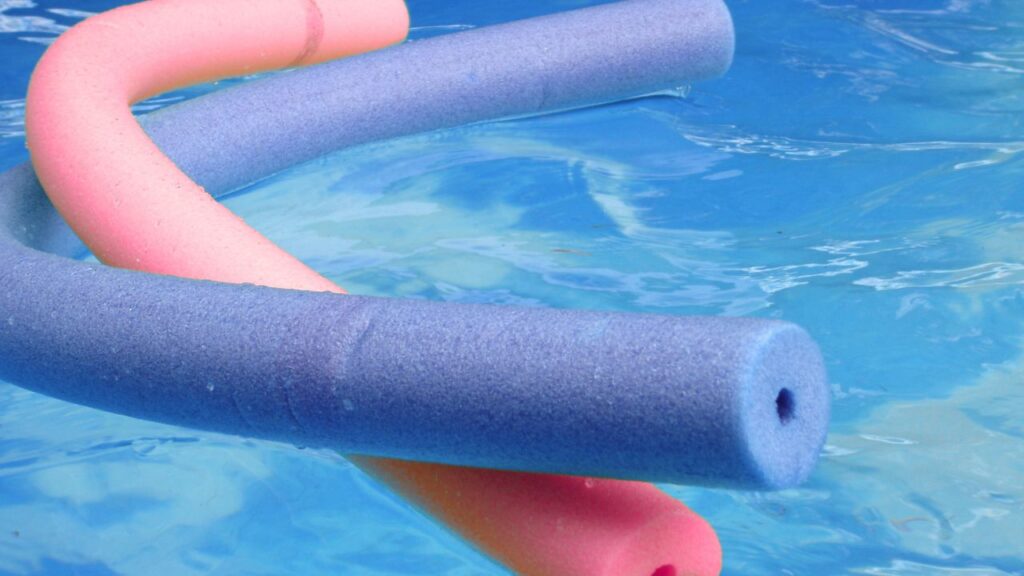
Pool Noodle / Flotation Aid
Offers flotation support for balance, gentle movement, stretching, and relaxation during aquatic wellness and recovery exercises.
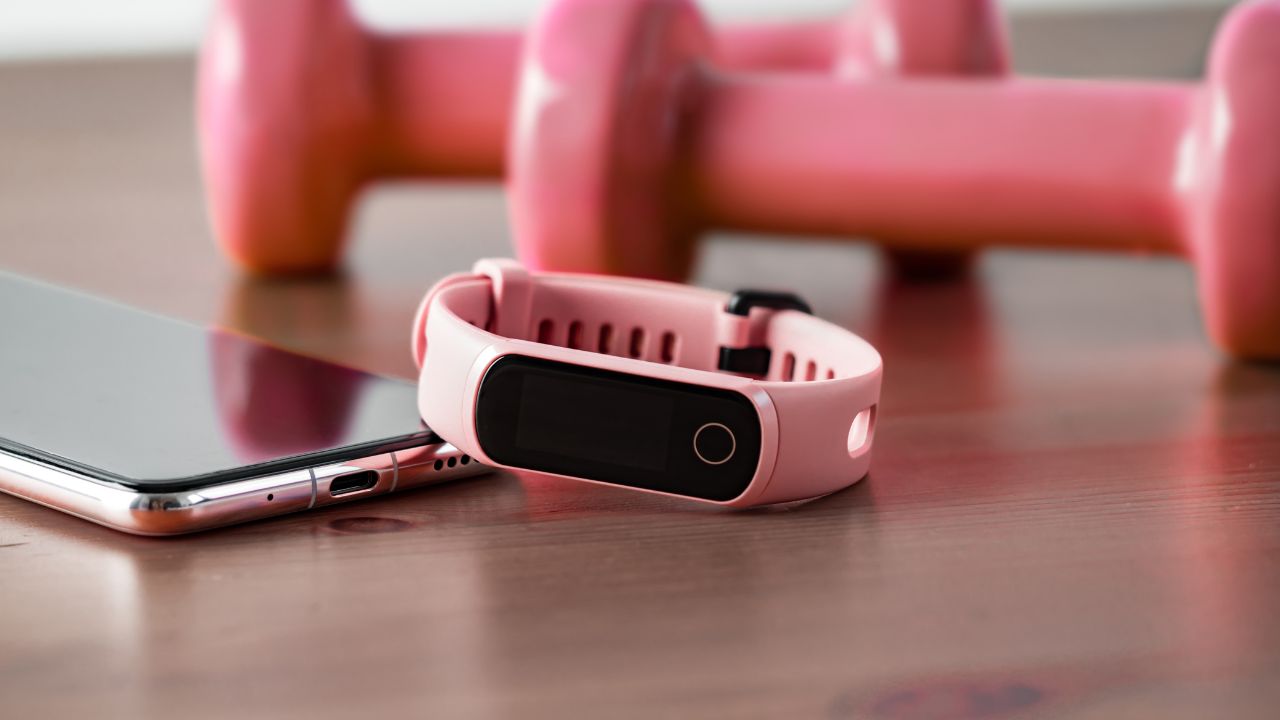
Waterproof Fitness Tracker
Tracks movement, activity, heart rate, and consistency during swimming, pool walking, and aquatic wellness routines.

Aqua Fitness Swim Bar with Padded Grip
Supports aquatic therapy, recovery sessions, and low-impact water exercise by improving grip comfort, stability, and controlled movement in the water.
Disclosure: Links above are affiliate links, meaning Legendary Swimmers may earn a small commission at no additional cost to you.
Choose How You Prefer to Train in Water
Whether you are here to improve your swimming, build strength, or move with less impact, Legendary Swimmers gives you simple ways to use the water as your training space.
Start with one of our free resources below and choose the path that fits how you want to move in the water.