
Stronger in the Water. Stronger in Life.
Swimming for Healthy Aging: How Water Movement Supports Strength, Mobility, and Endurance
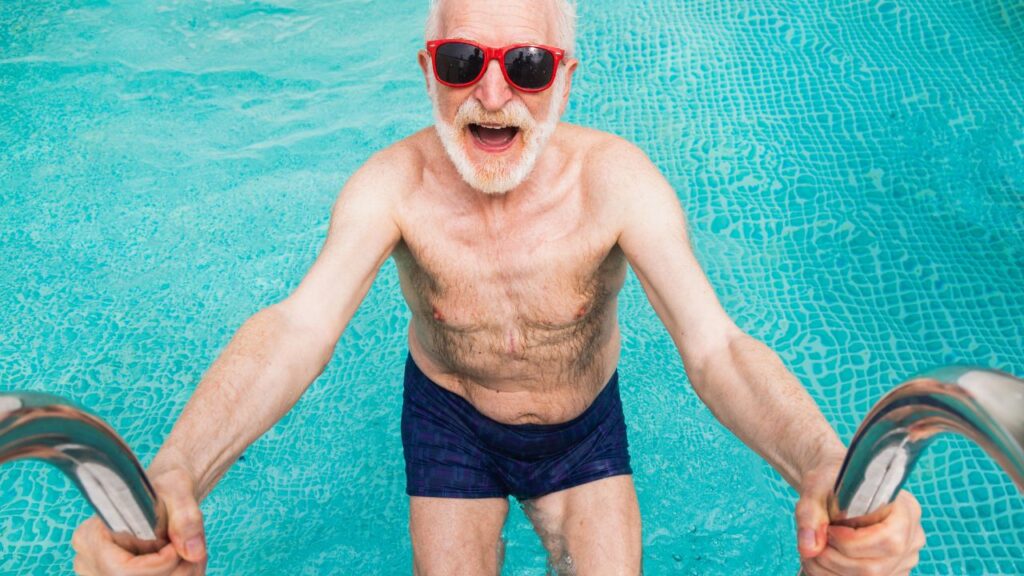
Healthy aging is not about doing the hardest workout possible.
It is about finding movement you can return to again and again.
For many people, that movement happens in the water.
Swimming is one of the most supportive ways to stay active because it allows the body to move with less pressure on the joints while still challenging the muscles, heart, lungs, and coordination. Whether you swim laps, practice gentle water movement, or combine swimming with aqua fitness exercises, the pool can become a powerful space for strength, mobility, endurance, and confidence.
Water-based exercise can be especially helpful for older adults. The CDC notes that water-based exercise can benefit older adults by helping improve quality of life and decreasing disability. It may also help improve or maintain bone health in post-menopausal women.
At Legendary Swimmers, we believe the water is not just a place to swim.
It is a place to move, strengthen, practice, recover, and feel more capable in your body.
Why Swimming Supports Healthy Aging
Swimming supports healthy aging because it combines several important elements of fitness in one environment.
It can help with:
- Strength
- Mobility
- Endurance
- Coordination
- Balance
- Breathing control
- Confidence in the water
- Low-impact movement
The water supports part of your body weight, which can make movement feel smoother and more comfortable. At the same time, water creates natural resistance, so your muscles still have to work.
That combination is what makes swimming and water exercise so valuable.
You are not just floating.
You are moving against the water, controlling your body, using your breath, and building endurance over time.
Harvard Health explains that water’s buoyancy helps take stress off the joints, which can be especially helpful for people who need a lower-impact form of movement.
Related Reads:
- Swimming for Bone Health: Combat Osteoporosis with Water Exercise
- Physical and Mental Health Benefits of Swimming – 2026
Swimming Builds Strength Without Heavy Impact
Many people think of swimming as cardio only, but swimming also uses strength.
Every pull, kick, reach, rotation, and breath requires muscle engagement.
- Your arms work as they pull through the water.
- Your legs work as they kick.
- Your core works to help stabilize the body.
- Your back, shoulders, hips, and glutes all contribute to movement and body position.
The difference is that swimming strengthens the body without the same pounding impact that can happen with many land-based workouts.
This is one of the reasons swimming can feel so supportive for people who want to stay active but need a gentler environment for their joints.
Mayo Clinic notes that aquatic exercise can help improve muscular endurance and strength, while also supporting heart health and helping older adults stay active.
This is also where aqua fitness becomes a powerful companion to swimming.
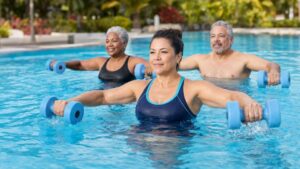
You do not always need to swim laps to build strength in the pool. Aqua fitness exercises like arm sweeps, water walking, knee lifts, leg raises, kicks, and resistance movements can help you target the muscles more directly while still using the water’s support.
Related Reads:
Swimming Supports Mobility and Range of Motion
As the body ages, mobility becomes more important.
Mobility is your ability to move with control through a comfortable range of motion. It affects how you walk, reach, bend, rotate, balance, and move through daily life.
Swimming can support mobility because the water allows the body to move in a more fluid way.
For many people, the pool creates a space where movement feels lighter, smoother, and more controlled. The water can make it easier to practice reaching, rotating, kicking, bending, and extending without the same pressure that may be felt on land.
Harvard Health notes that swimming places minimal stress on the joints and that the buoyancy of water can help people move their limbs and joints more easily through their normal range of motion.
This is one of the reasons water movement can feel so different from land exercise.
In the water, you can often explore movement with more confidence.
Related Reads:
- Can Swimming Help Improve Balance as You Age?
- Protect Your Joints While Building Strength in the Water
Swimming Helps Improve Endurance Over Time
Swimming also supports endurance.
Endurance is your ability to keep moving for longer periods of time. It can support heart health, breathing control, energy, and stamina.
The beautiful part is that you do not need to start with long swim sessions.
You can begin with short, manageable amounts of movement and build from there.
For example, a beginner-friendly swim session might include:
- A few minutes of water walking
- Gentle kicking while holding the wall
- Short swim intervals
- Rest between lengths
- Simple arm movements
- Easy stretching in the water
Over time, these short sessions can help build stamina.
Swimming also teaches rhythm. You learn how to coordinate your breath, arms, legs, and body position. This makes swimming not only a physical workout, but also a practice in control and consistency.
Harvard Health describes lap swimming as an aerobic activity that can support endurance and cardiovascular health, while also strengthening muscles and helping maintain flexibility.
Related Reads:
- Benefits of Pool Walking: Why Water Walking is Great for Your Health
- Why Swimming is ideal for Women’s Cardiovascular Health
Swimming and Aqua Fitness Work Well Together
Swimming and aqua fitness are not separate worlds.
They can work beautifully together.
Swimming builds rhythm, coordination, breath control, and endurance.
Aqua fitness adds targeted strength, balance, core work, and muscle-focused movement.
Together, they create a more complete water movement routine.
For example, you might swim a few gentle laps, then add:
- Water walking
- Arm presses
- Core twists
- Knee lifts
- Side steps
- Flutter kicks
- Leg raises
- Gentle stretching
This allows you to use the pool for more than one purpose.
You can train endurance through swimming and train strength through aqua fitness.
This is also the idea behind Swim & Sculpt. For those who enjoy swimming but want to add more strength-focused movement, Swim & Sculpt combines swim drills with aqua fitness exercises so you can train with more intention in the water.
Instead of only asking, “How far can I swim?” you begin asking:
- How can I move better?
- How can I build strength?
- How can I improve control?
- How can I use the water to support my body?
That shift is powerful.
How to Start Swimming for Healthy Aging
If you are new to swimming or returning after time away, start simple.
You do not need to swim long distances to benefit from water movement.
Start with short sessions and focus on comfort, breathing, and control.
A simple beginner-friendly routine might look like this:
- Begin with 5 minutes of water walking.
- Practice gentle arm movements in chest-deep water.
- Hold the wall and practice easy kicks.
- Swim one short distance, then rest.
- Add knee lifts or side steps between swim intervals.
- Finish with gentle stretching in the water.
The goal is not perfection.
The goal is consistency.
If swimming laps feels intimidating, you can begin with shallow-water movement first. Mayo Clinic notes that aquatic exercise can even be done by people who do not know how to swim, as long as they stay in a comfortable area of the pool.
That is an important reminder.
Water movement is not only for advanced swimmers.
It can be adapted for many levels.
Related Reads:
- Essential Swimming Techniques for Beginners: Complete Guide
- Water Resistance Training: How Pool Exercises Build Strength Without Heavy Impact
Safety Tips Before You Begin
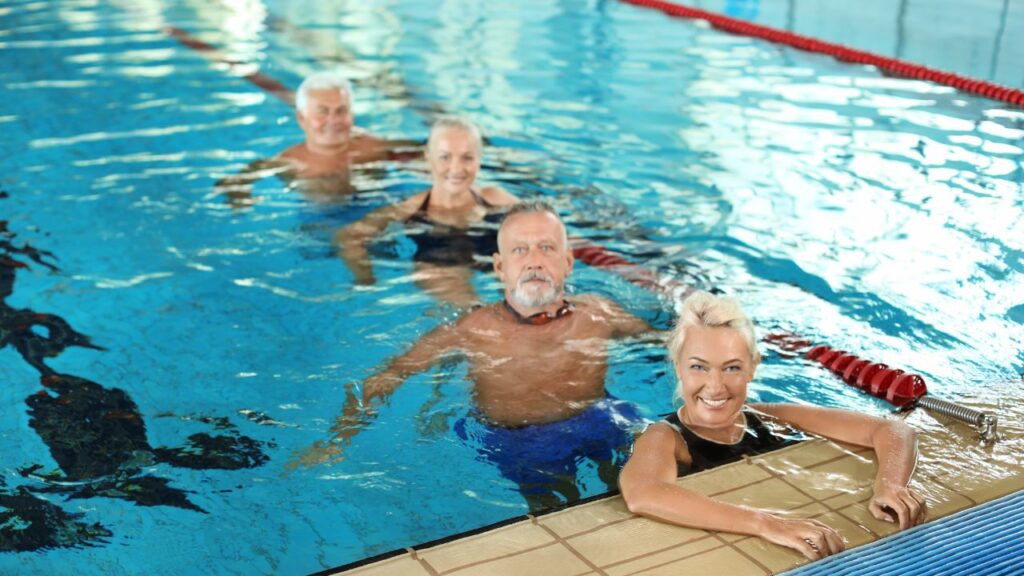
Before starting a new exercise routine, especially if you have a health condition, injury, or have been inactive for a while, it is a good idea to speak with a qualified healthcare provider.
When you are in the pool, choose a depth that feels comfortable and safe. Use the wall, steps, or pool edge for support when needed. Move slowly at first and pay attention to your breathing, posture, and energy level.
You can also make swimming and aqua fitness safer by:
- Warming up before increasing intensity
- Resting when needed
- Drinking water before and after your session
- Using supportive pool shoes if helpful
- Choosing exercises that feel controlled
- Avoiding movements that cause sharp pain
- Staying within your comfort level
Healthy aging is not about forcing your body.
It is about learning how to work with your body.
Related Reads:
Try a Beginner-Friendly Water Workout
If you want to experience how water movement can support your body beyond lap swimming, start with our free 15-minute aqua fitness workout.
It is beginner-friendly, low-impact, and designed to help you feel how the water can support strength, mobility, and confidence.
This is a great place to begin if you want to turn your pool into a simple, joint-friendly fitness space. Try the Free 15-Minute Aqua Fitness Workout
You can also explore our free Swim & Sculpt Starter Series if you want to pair swim drills with strength-focused aqua exercises.
Download the Free Swim & Sculpt Starter Series
Frequently Asked Questions
1. Is swimming good for healthy aging?
Yes, swimming can be a helpful form of movement for healthy aging because it supports strength, endurance, mobility, and cardiovascular fitness while being lower impact on the joints. Water-based exercise may also benefit older adults by supporting quality of life and helping reduce disability.
2. Does swimming help build strength?
Swimming can help build muscular endurance and strength because the body moves against the natural resistance of the water. Each pull, kick, and body movement requires muscle engagement. Mayo Clinic also notes that aquatic exercise can improve muscular endurance and strength.
3. Is swimming easier on the joints than land exercise?
Swimming is generally considered a low-impact form of exercise. The buoyancy of water helps support the body, which can reduce stress on the joints compared with many land-based workouts.
4. Do I need to swim laps to benefit from water movement?
No. Swimming laps can be beneficial, but you can also benefit from shallow-water exercise, aqua fitness movements, water walking, gentle kicking, and mobility exercises. The pool can support many forms of movement beyond traditional lap swimming.
5. Can beginners use swimming for healthy aging?
Yes. Beginners can start with short, simple water sessions. This might include water walking, holding the wall for kicks, practicing short swim intervals, or adding gentle aqua fitness exercises between rests. The key is to begin at a level that feels safe and sustainable.
6. How often should I swim or do water exercise?
This depends on your current fitness level, schedule, and health needs. Many people start with two to three short sessions per week and build gradually. The CDC recommends regular physical activity for adults because it can support sleep, mood, blood pressure, brain health, and long-term health.
7. Is aqua fitness a good addition to swimming?
Yes. Aqua fitness can complement swimming by adding more targeted strength, balance, and core work. Swimming helps with rhythm, coordination, and endurance, while aqua fitness can help you focus on specific muscle groups and movement patterns.
Conclusion
Swimming is one of the most powerful forms of movement for healthy aging because it supports the body while still challenging it.
It can help build strength, improve mobility, support endurance, and create confidence in the water.
But swimming does not have to stand alone.
When you combine swimming with aqua fitness, water walking, strength-focused pool exercises, and gentle mobility work, the pool becomes more than a place to swim.
It becomes a complete movement space.
Whether you are returning to exercise, looking for a lower-impact routine, or trying to stay active as you age, water movement can help you build a routine that feels supportive, sustainable, and strong.
Just remember to:
- Start small.
- Move with control.
- Let the water support you.
- And keep coming back.
References
CDC — Swimming and Your Health. This source explains benefits of water-based exercise, including benefits for older adults and quality of life.
https://www.cdc.gov/healthy-swimming/about/index.html
CDC — Benefits of Physical Activity. This source explains general benefits of regular physical activity, including brain health, mood, sleep, and aging support.
https://www.cdc.gov/physical-activity-basics/benefits/index.html
CDC — Health Benefits of Physical Activity for Adults. This source outlines adult physical activity benefits such as improved sleep, reduced anxiety, and blood pressure support.
https://www.cdc.gov/physical-activity-basics/health-benefits/adults.html
Mayo Clinic — Aquatic Exercise. This source explains how aquatic exercise can support heart health, strength, muscular endurance, older adults, and people who do not know how to swim.
https://www.mayoclinic.org/healthy-lifestyle/fitness/in-depth/aquatic-exercise/art-20546802
Harvard Health — Exercising in Water: Big Heart Benefits and Little Downside. This source explains how water’s buoyancy can reduce stress on the joints.
https://www.health.harvard.edu/exercise-and-fitness/exercising-in-water-big-heart-benefits-and-little-downside
Harvard Health — Dive in for Joint Health. This source explains how swimming may support joint-friendly movement and range of motion.
https://www.health.harvard.edu/healthy-aging-and-longevity/dive-in-for-joint-health
Harvard Health — Dive Into a Swimming Regimen. This source discusses lap swimming benefits for older adults, including endurance, cardiovascular health, muscle strengthening, and flexibility.
https://www.health.harvard.edu/healthy-aging-and-longevity/dive-into-a-swimming-regimen
Share:
More Posts
Start Training in the Water
Free Resources
Improve your swimming, build strength, or move with less impact using the water as your training space.
Choose a free resource below to get started.
Recommended Equipment
These are some of the swim training tools and aquatic fitness essentials commonly used to improve technique, build strength, and create a more effective experience in the water.
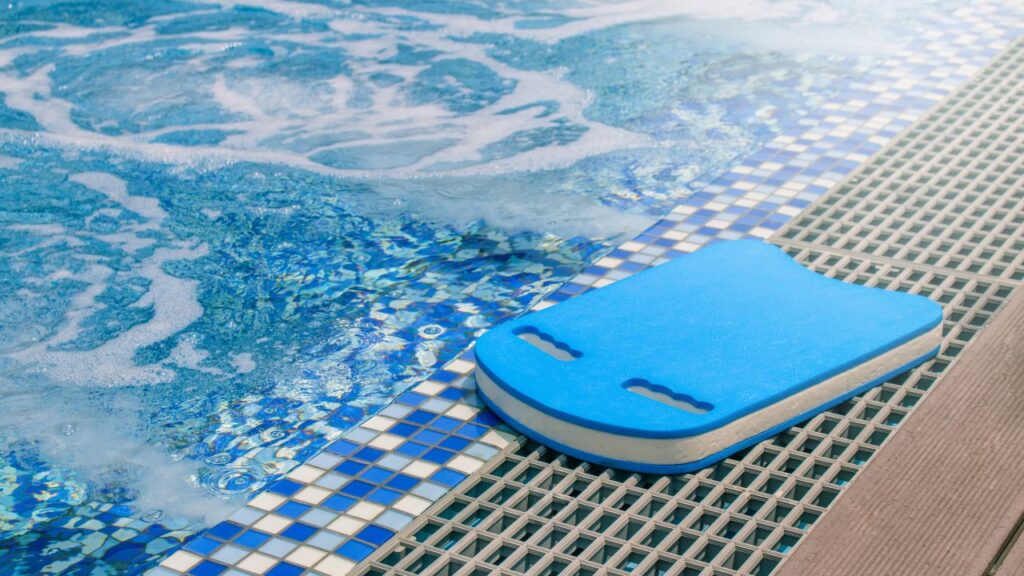
Kickboard Training
Helps improve kicking strength, body position, and lower-body endurance during swim practice.
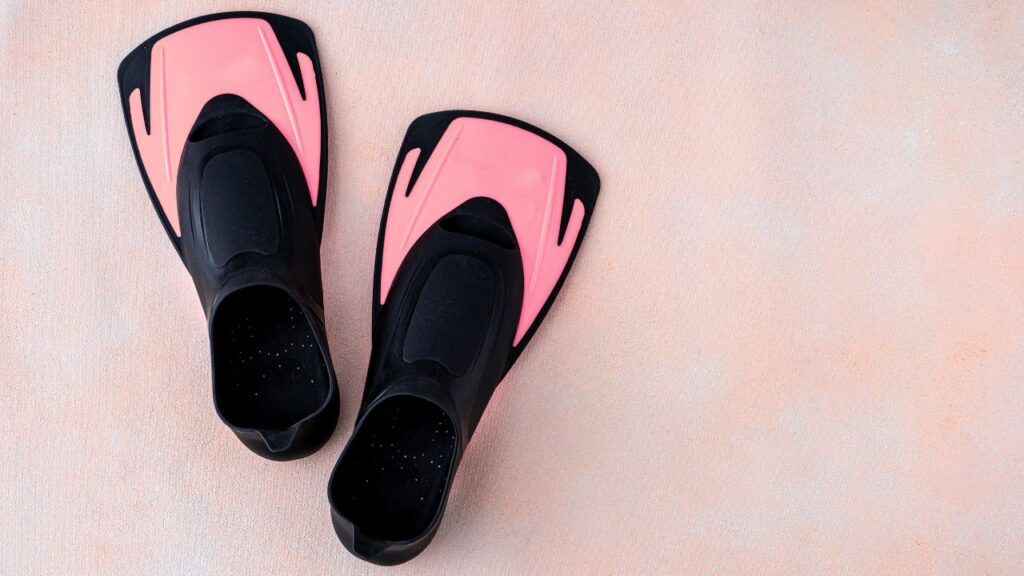
Swim Training Fins
Builds leg power, improves kick technique, and creating smoother movement through the water.
Pull Buoy Float
Supports upper-body focused swim training by helping stabilize the legs during drills and technique work.
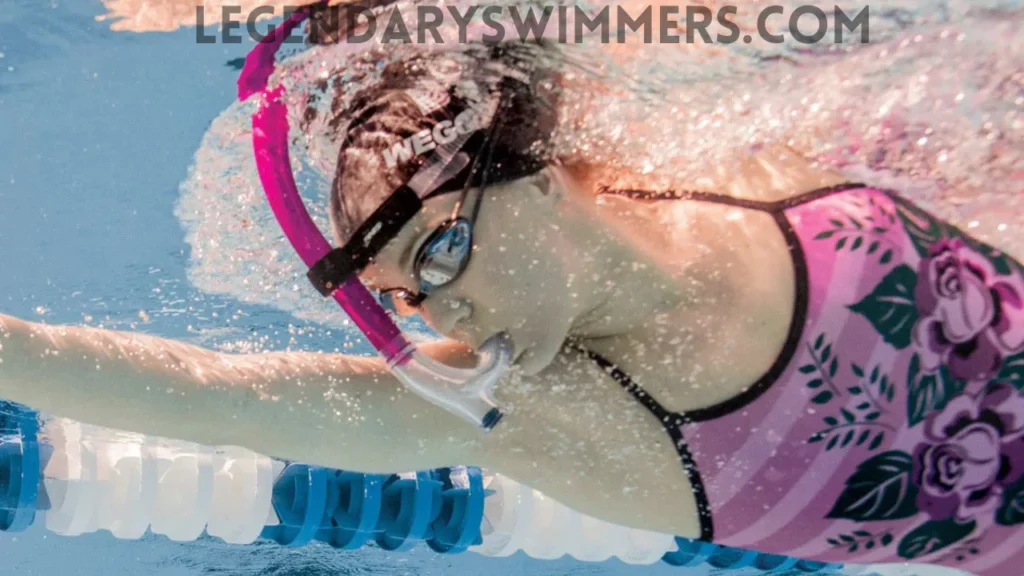
Front-Mount Swim Snorkel
Allows swimmers to focus on body position and stroke technique without turning to breathe.

Swim Goggles
Designed to improve underwater visibility and comfort during training, lap swimming, and aquatic workouts.

Swim Cap
Helps reduce drag, improve comfort, and keep hair more secure during swim training and aquatic workouts.
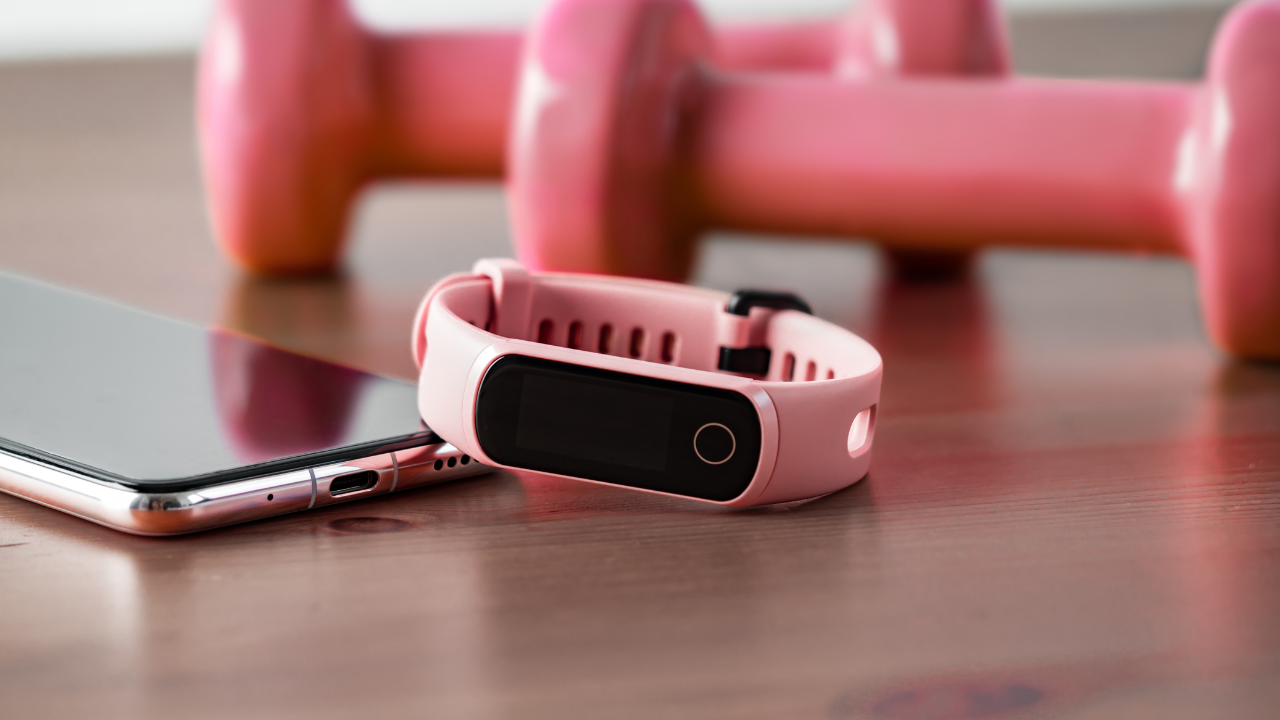
Waterproof Fitness Tracker
Tracks movement, activity, heart rate, and consistency during swimming, pool walking, and aquatic wellness routines.
Disclosure: Links above are affiliate links, meaning Legendary Swimmers may earn a small commission at no additional cost to you.
Choose How You Prefer to Train in Water
Whether you are here to improve your swimming, build strength, or move with less impact, Legendary Swimmers gives you simple ways to use the water as your training space.
Start with one of our free resources below and choose the path that fits how you want to move in the water.