
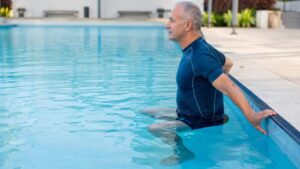
Stronger in the Water. Stronger in Life.
Pool Workout: Turn Your Pool Into a Low-Impact Fitness Space
Your pool can be more than a place to cool off.
A pool workout can be one of the most accessible ways to build strength, mobility, balance, and low-impact endurance — whether you are a beginner, swimmer, pool owner, or simply looking for a different way to train.
It can become a simple, effective, and low-impact workout space that helps you build strength, mobility, balance, core control, and endurance without needing a traditional gym setup.
For many people, getting started with exercise can feel overwhelming. Long workouts, heavy equipment, high-impact movements, and complicated routines can make fitness feel harder than it needs to be.
But water changes the experience.
In the pool, your body is supported while still being challenged. The water helps reduce pressure on the joints while creating resistance around every movement. This makes aquatic exercise a powerful option for beginners, swimmers, pool owners, older adults, and anyone looking for a gentler way to move with purpose.
You do not need to start with a full hour.
You do not need to be an expert swimmer.
You do not need a complicated routine.
Sometimes, all you need is 15 minutes in the water and a simple place to begin.
If you or anyone you know may be interested in a an exercise that takes care of your joints, try our free 15 minute aqua fit workout.
Why Your Pool Is More Than a Place to Relax
Most people think of a pool as a place for swimming, cooling off, or relaxing.
And while it can absolutely be all of those things, it can also become one of the most versatile workout spaces available.
A pool can be used for:
- strength training
- mobility work
- balance exercises
- core control
- low-impact cardio
- recovery movement
- swim-inspired conditioning
- gentle endurance training
Unlike land-based workouts, aquatic movement allows your body to move against water resistance while being supported by buoyancy.
That combination is what makes pool workouts feel different.
The water can help you move with more control, more awareness, and less pressure on the joints, while still giving your muscles work to do.
This is why aqua fitness is often used by beginners, active adults, people returning to exercise, and those looking for movement that feels supportive but still effective. For more on Aquatic Fitness, check out our guide Low-Impact Water Aerobics: Boost Fitness with Aquatic Exercises.
Why Pool Workouts Are Low Impact
One of the biggest benefits of exercising in water is that the body feels lighter.
This happens because of buoyancy.
Buoyancy helps support part of your body weight while you move. As a result, many movements that may feel uncomfortable or high-impact on land can feel more manageable in the pool.
This can be especially helpful for people who want to exercise but are concerned about:
- joint pressure
- knee discomfort
- hip stiffness
- back tension
- balance challenges
- high-impact movements
- starting again after time away from fitness
Low-impact does not mean low-value.
It simply means the body is being challenged in a way that may feel more supportive.
In the water, you can still work your muscles, elevate your heart rate, improve coordination, and build endurance. The difference is that the water helps soften the impact while still creating resistance.
That is one reason pool workouts can be such a powerful entry point for people who want to move again but do not want to feel overwhelmed.
Related Reads:
- How Aquatic Exercises Boost Blood Circulation Naturally
- Swimming for Bone Health: Combat Osteoporosis with Water Exercise
Water Creates Natural Resistance
While the water supports your body, it also makes your muscles work.
Every time you move your arms, legs, or torso through the water, your body has to push against resistance.
This resistance happens naturally.
You do not need heavy weights or machines to feel the work. The water itself becomes the training tool.
The faster you move, the more resistance you create.
That means you can adjust the intensity of a pool workout simply by changing your speed, range of motion, or level of control.
For example:
- Slow arm presses can build control and awareness.
- Faster punches can increase intensity.
- Controlled kicks can challenge the core and hips.
- Pool walking can support balance and endurance.
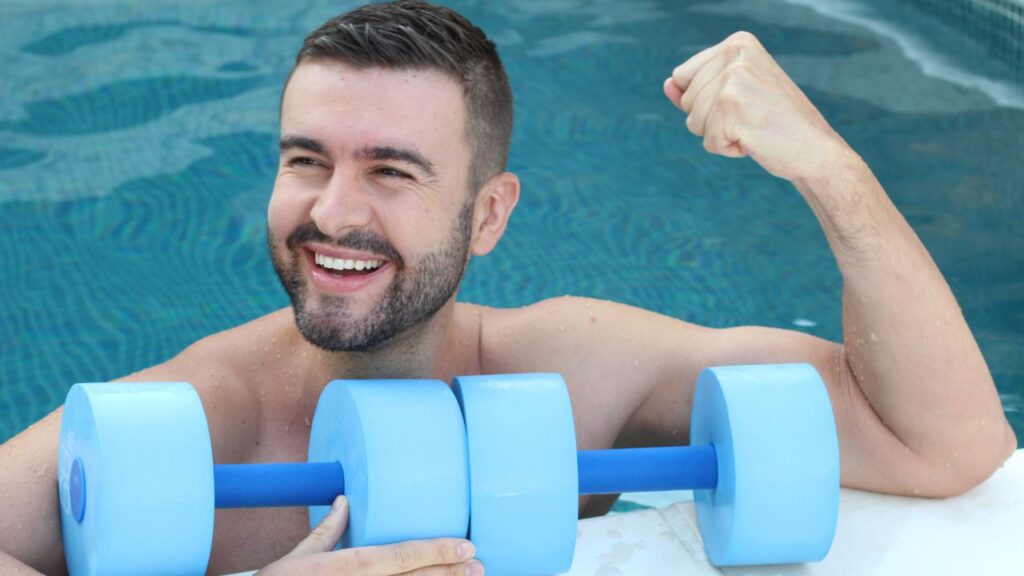
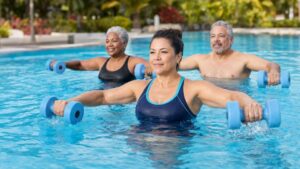
- Aqua dumbbells can increase resistance for the upper body.
This makes water workouts flexible.
You can make them gentle, moderate, or more challenging depending on your body, your goal, and your comfort level.
Related Reads:
- Benefits of Pool Walking: Why Water Walking is Great for Your Health
- Water Resistance Training: How Pool Exercises Build Strength Without Heavy Impact
Your Pool Can Help Build Strength
A common misconception is that pool workouts are only for gentle movement.
But water can be a strong training environment.
Because water creates resistance in every direction, your muscles have to work as you push, pull, press, kick, twist, and stabilize.
A pool workout can help support strength in the:
- arms
- shoulders
- chest
- back
- core
- glutes
- hips
- legs
The key is moving with intention.
Instead of rushing through exercises, aquatic fitness encourages you to control the movement and feel the resistance.
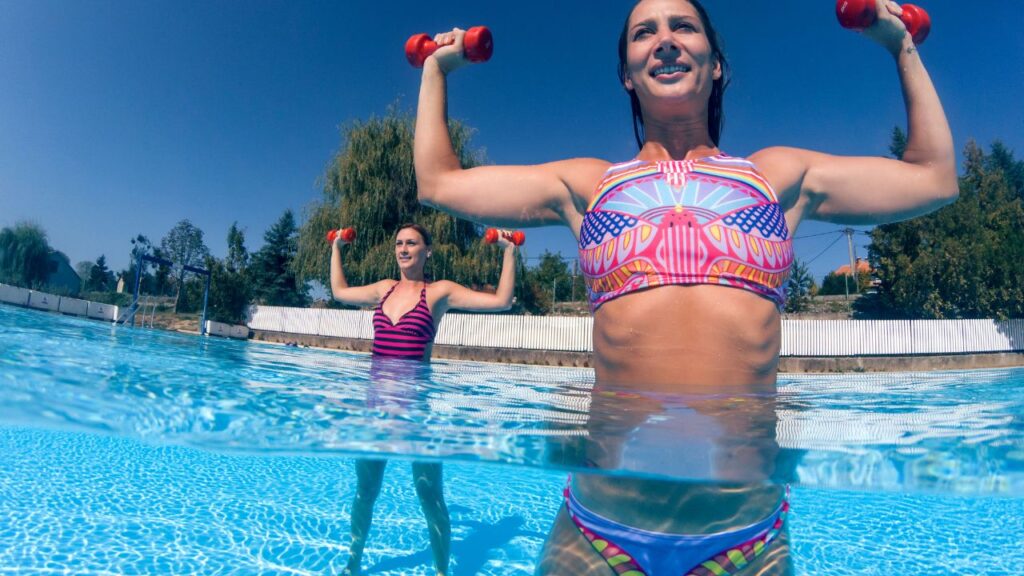
For example, a simple water press with aqua dumbbells can challenge the arms, chest, shoulders, and core when done with focus.
A controlled leg lift can target the hips and core while also requiring balance.
A pool squat or jump can train the legs while the water reduces some of the impact compared to land.
This is what makes aqua fitness so useful: the movements can be simple, but the water makes them purposeful.
Related Reads:
Your Pool Can Support Mobility and Balance
Water workouts are not only about strength.
They can also help improve how the body moves.
Because the water naturally slows movement down, you have more time to feel your body position, control your posture, and adjust your balance.
This can support:
- mobility
- coordination
- posture awareness
- balance control
- movement confidence
- joint-friendly range of motion
In the pool, even basic exercises can become balance challenges.
Walking forward, walking sideways, lifting one leg, rotating the torso, or reaching through the water all require the body to stabilize and coordinate.
The water gives feedback.
If you rush, you feel the drag.
If you lose balance, the water supports you while your body adjusts.
If you move with control, you can feel the muscles engage more clearly.
That makes the pool a valuable place to practice movement quality, not just exercise quantity.
Related Reads:
Your Core Works Constantly in the Water
Core training in the pool feels different because your body is constantly responding to the water.
Even when you are not doing a traditional “core exercise,” your torso is helping you stay balanced, aligned, and controlled.
Your core helps support:
- posture
- balance
- rotation
- kicking
- walking
- floating
- gliding
- upper-body movement
- lower-body movement
When you move through the water, your body has to stabilize against resistance, buoyancy, drag, and shifting pressure.
This means your core is often active throughout the entire workout, not only during isolated abdominal exercises.
That is one reason water workouts can be so effective for building functional strength.
Functional strength is not only about how much force you can produce. It is also about how well your body can control movement.
The pool helps train that control.
Related Reads:
You Do Not Need 60 Minutes to Start
One of the most important things to understand about beginning a pool workout routine is this:
You do not need to start with a long workout.
A simple 15-minute pool session can be enough to help you begin building consistency.
For beginners, this matters.
Starting too big can make exercise feel intimidating. Starting small makes it easier to repeat.
A short pool workout can include:
- gentle warm-up walking
- arm presses
- leg lifts
- water punches
- side steps
- controlled kicks
- core movements
- cooldown stretches
The goal is not to exhaust yourself.
The goal is to begin moving with purpose.
Over time, those short sessions can help build confidence, strength, and routine.
This is why our free 15-minute aqua fitness workout can be such a helpful starting point. It gives you structure without overwhelming you.
A Simple Beginner Pool Workout Structure
If you are new to aqua fitness, your workout does not need to be complicated.
A simple beginner-friendly structure could look like this:
1. Warm Up
Start with slow pool walking, gentle arm swings, or easy marching.
The goal is to let the body adjust to the water and prepare for movement.
2. Upper Body Movement
Use your arms to press, pull, sweep, or punch through the water.
This helps activate the shoulders, chest, back, arms, and core.
3. Lower Body Movement
Add kicks, leg lifts, side steps, or pool squats.
This helps engage the hips, glutes, legs, and stabilizing muscles.
4. Core Control
Include twisting, knee lifts, floating movements, or controlled balance work.
This helps your body practice posture and stability.
5. Cool Down
Finish with slow walking, gentle stretches, and deep breathing.
This brings the body back down while keeping the movement calm and controlled.
A pool workout can be simple and still effective when each movement is done with intention.
Visit our growing library of different water exercises you can perform organized by Category within our Exercise Catalog.
Who Can Benefit From Pool Workouts?
Pool workouts can support many types of people because the water can be adjusted to different levels.
- A beginner may use the pool to start moving again.
- A swimmer may use water resistance to improve strength and control.
- A pool owner may use their pool as a home workout space.
- An older adult may use aquatic exercise for balance, mobility, and joint-friendly movement.
- Someone recovering from a break in exercise may use the water to rebuild confidence.
- A fitness-focused person may use the pool for conditioning, endurance, and low-impact strength.
This flexibility is one of the biggest advantages of aqua fitness.
You can meet the body where it is.
You can move gently when needed.
You can increase challenge when ready.
The water gives you options.
If your preferred method of exercise is swimming, pair that up with exercises that will target your muscles for a full body sculpting experience in our Swim & Sculpt Starter Guide. Download the free Starter Series PDF.
Your Pool Can Become a Fitness Routine
The biggest shift is not only seeing the pool as a place to swim.
It is seeing the pool as a place to train.
Your pool can become part of your weekly movement routine.
For example:
- 15 minutes before dinner
- 20 minutes in the morning
- 30 minutes on the weekend
- a short recovery session after walking
- a gentle strength routine between gym days
- a low-impact cardio option during hot weather
The best routine is the one you can repeat.
If the pool is already available to you, it can become one of the easiest places to begin.
You do not need to drive somewhere.
You do not need to wait for equipment.
You do not need a complicated setup.
You just need a plan.
Try a Free 15-Minute Aqua Fitness Workout
If you are not sure where to start, begin with something simple.
Our free 15-minute aqua fitness workout was created to help you experience how water can support strength, mobility, balance, and low-impact movement.
It is designed to be:
- beginner-friendly
- pool-based
- low-impact
- easy to follow
- simple to start
You can use it as your first step into aqua fitness or as a quick movement session when you want something short and supportive.
Try the free 15-minute aqua fitness workout and start using your pool as a workout space.
Final Thoughts
Your pool can be more than a place to relax.
It can become a low-impact workout space that helps you build strength, mobility, balance, core control, and endurance in a way that feels supportive and purposeful.
Water gives your body a unique training environment.
It supports your joints through buoyancy while challenging your muscles through resistance. It slows movement down while helping you develop better control. It allows beginners, swimmers, pool owners, and active adults to move with more confidence.
You do not need to start with 60 minutes.
You do not need to know every exercise.
You do not need to be perfect.
You simply need a place to begin.
And sometimes, 15 minutes in the water is the perfect first step.
Frequently Asked Questions
1. Can a pool workout really build strength?
Yes. Pool workouts can help build strength because water creates resistance around the body. Every time you push, pull, press, kick, or move through the water, your muscles have to work against that resistance.
2. Are pool workouts good for beginners?
Yes. Pool workouts can be a great option for beginners because the water supports the body while still providing resistance. This makes it easier to start with simple, low-impact movements.
3. Do I need to know how to swim to do aqua fitness?
Not always. Many aqua fitness exercises are performed standing in shallow water. However, you should always stay in a depth where you feel safe and in control.
4. How long should a beginner pool workout be?
A beginner can start with 10 to 15 minutes. The goal is to build consistency and confidence before increasing time or intensity.
5. Are water workouts good for joints?
Water workouts are often considered joint-friendly because buoyancy helps reduce pressure on the body while still allowing movement and resistance.
6. What equipment do I need for a beginner pool workout?
You can start with no equipment. Over time, aqua dumbbells, noodles, kickboards, or resistance tools can add variety and challenge.
7. Can I do a pool workout at home?
Yes. If you have access to a safe pool space, you can do many aqua fitness exercises at home. A structured routine can help you know what to do once you get in the water.
References
Centers for Disease Control and Prevention. Physical Activity and Health Benefits.
https://www.cdc.gov/physical-activity-basics/benefits/index.html
Centers for Disease Control and Prevention. Health Benefits for Adults.
https://www.cdc.gov/physical-activity-basics/health-benefits/adults.html
Harvard Health Publishing. Advantages of Water-Based Exercise.
https://www.health.harvard.edu/healthbeat/advantages-of-water-based-exercise
Harvard Health Publishing. What Makes Water Workouts So Worthwhile?
https://www.health.harvard.edu/heart-health/what-makes-water-workouts-so-worthwhile
National Institutes of Health / PubMed. Aquatic Exercise and Functional Capacity Research.
https://pubmed.ncbi.nlm.nih.gov/33141078/
National Institutes of Health / PMC. Aqua Aerobic Therapy Exercise for Older Adults.
https://pmc.ncbi.nlm.nih.gov/articles/PMC3820233/
Arthritis Foundation. In the Swim: Aquatic Exercise for Arthritis.
https://www.arthritis.org/health-wellness/healthy-living/physical-activity/other-activities/water-exercise-benefits-for-arthritis
American Council on Exercise. Make a Splash with Water Fitness.
https://contentcdn.eacefitness.com/assets/education-resources/lifestyle/fitfacts/pdfs/fitfacts/itemid_2548.pdf
Share:
More Posts
Start Training in the Water
Free Resources
Improve your swimming, build strength, or move with less impact using the water as your training space.
Choose a free resource below to get started.
Recommended Equipment
These aquatic fitness tools help increase water resistance, improve stability, and create a more effective low-impact workout experience in the pool.
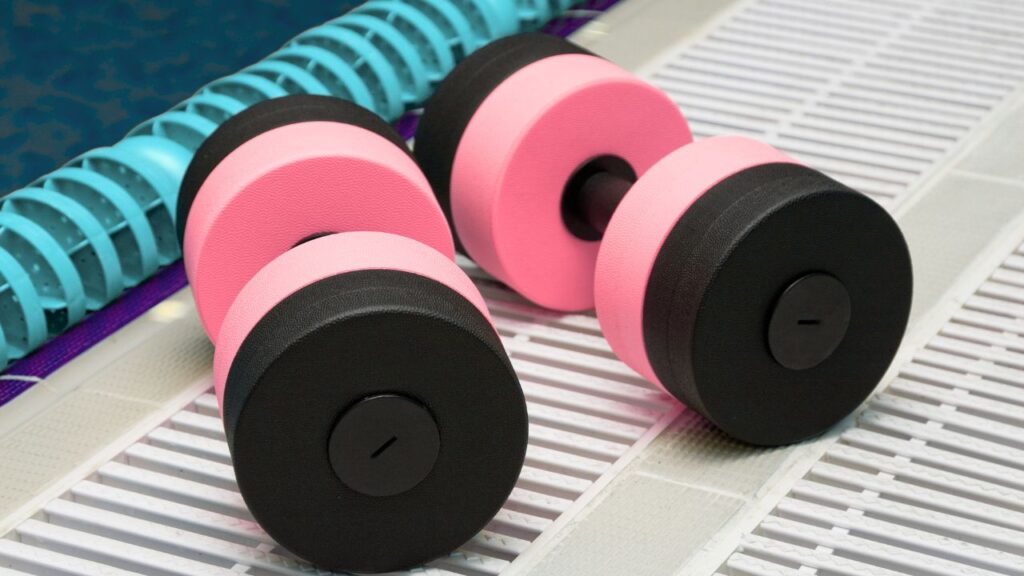
Aqua Dumbbells
Adds upper-body resistance to help improve strength, endurance, and overall workout intensity during aquatic fitness sessions.

Resistance Gloves
Creates additional water resistance for the arms and shoulders while helping improve movement control and muscle engagement.
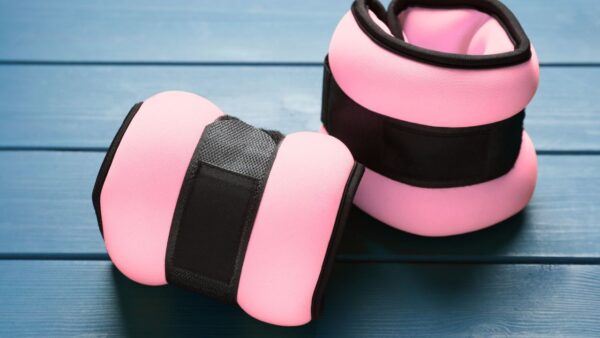
Aquatic Cuffs
Designed to increase resistance on both the arms and legs, helping create more advanced aquatic strength and conditioning workouts.

Flotation Belt
Supports deep-water exercises and helps maintain balance during suspended aquatic workouts without placing stress on the joints.
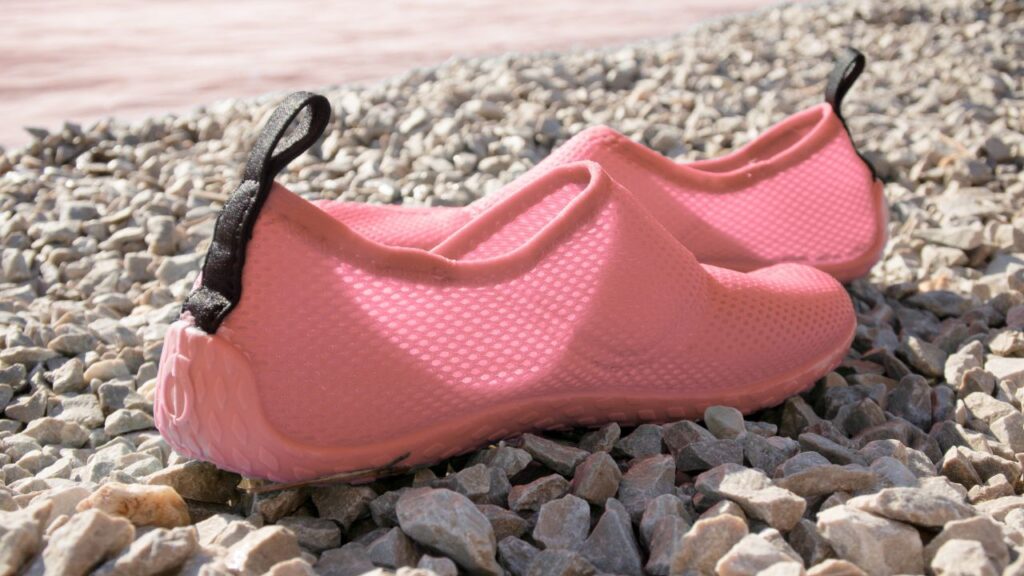
Water Shoes
Provides grip, stability, and foot protection for aquatic fitness classes, pool walking, and water-based exercise routines.
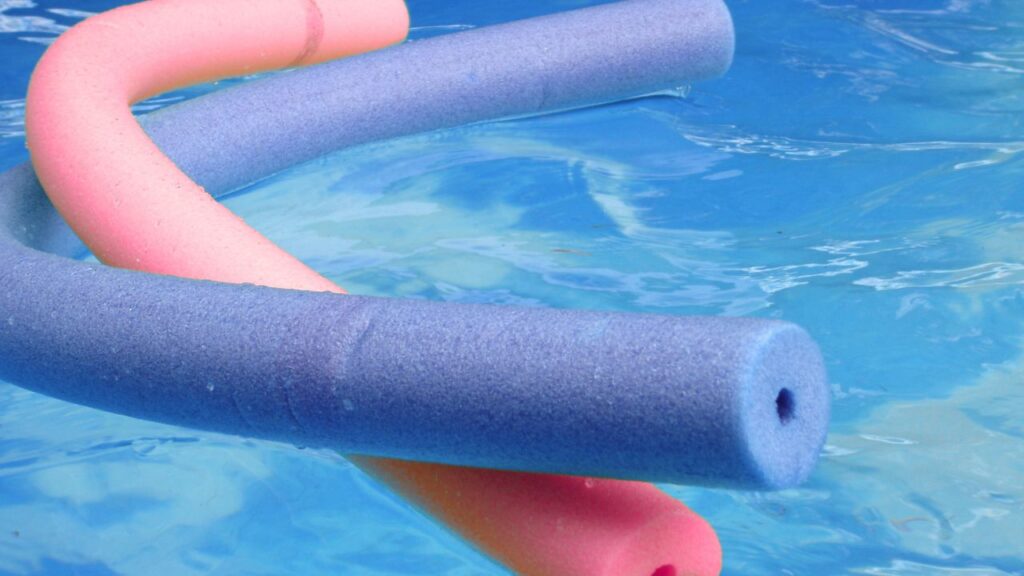
Pool Noodle
Provides flotation support for balance, core training, and low-impact aquatic exercises while helping improve comfort and stability in the water.
Disclosure: Links above are affiliate links, meaning Legendary Swimmers may earn a small commission at no additional cost to you.
Choose How You Prefer to Train in Water
Whether you are here to improve your swimming, build strength, or move with less impact, Legendary Swimmers gives you simple ways to use the water as your training space.
Start with one of our free resources below and choose the path that fits how you want to move in the water.