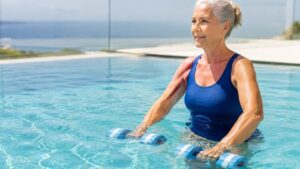
Can you sweat while swimming? Many people assume they do not need to worry about hydration while swimming or doing aqua aerobics because they are already surrounded by water and may not feel like they sweat as much. However, swimming and aquatic exercise can still lead to dehydration, especially during longer or high-intensity workouts.
Unlike land workouts where sweat is obvious, water can hide fluid loss. This often causes swimmers and aqua fitness participants to underestimate how much hydration their body actually needs. Whether you are training laps, participating in water aerobics, or following an aquatic fitness routine, proper hydration plays an important role in energy, endurance, recovery, and overall performance. For those looking to combine hydration awareness with structured pool training, explore our 30-Minute Pool HIIT Workout guide for interval-based aquatic fitness routines designed to improve endurance, strength, and cardiovascular health.
Why Hydration Matters During Swimming and Aqua Aerobics
Hydration helps regulate body temperature, lubricate joints, support muscle function, and transport nutrients throughout the body. During swimming and aqua aerobics, your body still sweats and loses fluids even though you may not notice it in the pool.
According to the American Heart Association, dehydration can affect physical performance, increase fatigue, and place additional stress on the cardiovascular system. Even mild dehydration may reduce endurance and coordination during exercise, especially during longer pool workouts or aquatic fitness sessions.
Water workouts can sometimes feel less exhausting because the water keeps the body cool, but the body is still working hard beneath the surface. For those new to aquatic exercise, exploring the physical and mental benefits of fitness in water can help build a better understanding of how water workouts support endurance, joint-friendly movement, and full-body conditioning.
Can You Get Dehydrated While Swimming?
Yes, dehydration during swimming is more common than many people realize.
Research published by the National Institutes of Health explains that swimmers can experience significant fluid loss through sweat and respiration, especially during moderate or high-intensity training sessions. Indoor pools may also contribute to dehydration due to warm environments and humidity.
Some swimmers avoid drinking water because they simply do not feel thirsty in the pool. Unfortunately, thirst is not always an early warning sign. By the time thirst appears, dehydration may have already started affecting the body.
Signs You May Need More Water During a Pool Workout
Some common signs of dehydration during swimming or aqua aerobics include:
- Fatigue or unusual tiredness
- Muscle cramps
- Dizziness or headaches
- Dry mouth
- Difficulty concentrating
- Reduced endurance
- Increased heart rate
- Dark yellow urine after exercise
If these symptoms appear regularly during pool workouts, hydration habits may need improvement.
How Much Water Should You Drink Before Swimming or Aqua Aerobics?
The exact amount varies depending on workout intensity, temperature, and body size, but many experts recommend drinking water both before and after exercise.
The American Council on Exercise suggests:
- Drinking water several hours before exercise
- Consuming additional fluids about 20–30 minutes before activity
- Rehydrating again after the workout
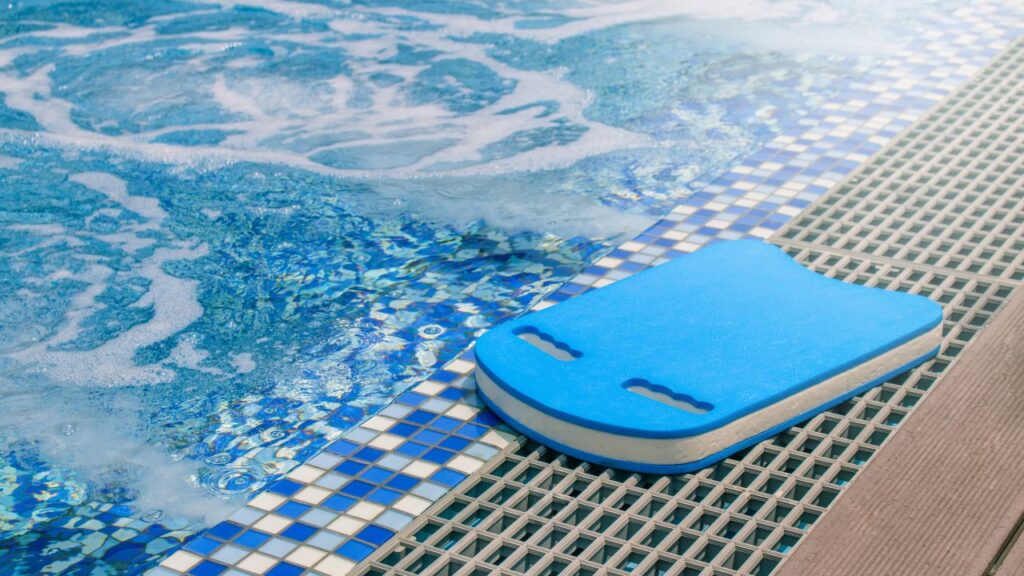
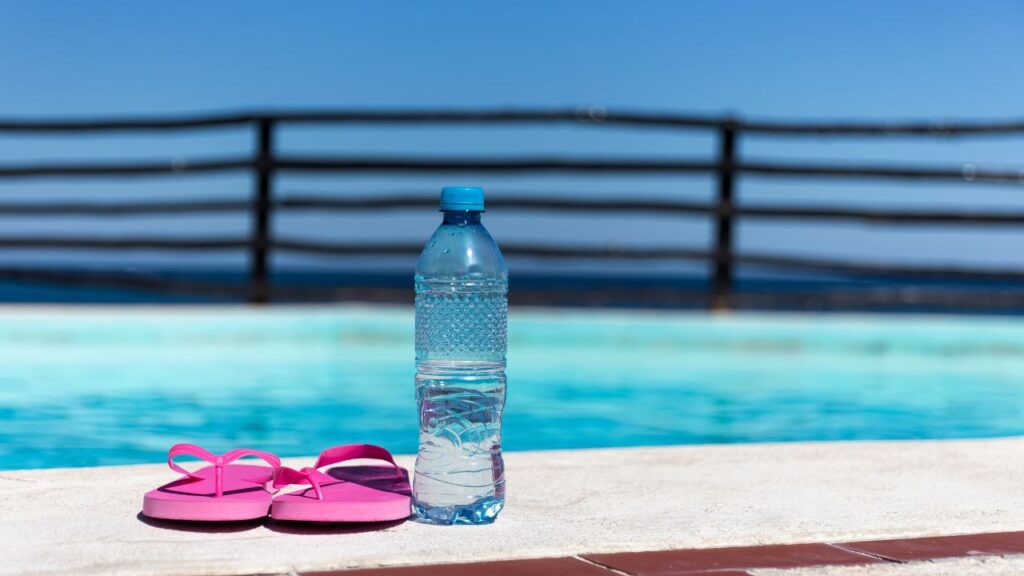
For longer swimming sessions or intense aqua fitness workouts, bringing a water bottle poolside is highly recommended.
Hydration Tips During Water Workouts
1. Bring Water to the Pool Deck
Even during swimming sessions, keep water nearby. Taking short hydration breaks between intervals or aqua aerobics circuits can help maintain performance and energy levels.
2. Drink Before You Feel Thirsty
Many swimmers do not recognize dehydration early because the cooling effect of water masks sweat loss. Small, consistent sips are often more effective than waiting until the workout is over.
3. Consider Electrolytes for Longer Sessions
For workouts lasting longer than 60 minutes or sessions performed in hot outdoor environments, electrolyte drinks may help replace sodium and minerals lost through sweat.
4. Monitor Workout Intensity
High-intensity interval swimming, aquatic fitness circuits, and resistance-based water exercises increase fluid loss more rapidly than light recreational swimming.
5. Pay Attention After the Workout
Recovery hydration matters just as much as hydration during exercise. Replacing fluids after swimming helps support muscle recovery and energy restoration.
Why Aqua Aerobics Participants Should Pay Attention to Hydration
Many people participating in aqua aerobics are focused on low-impact fitness, joint-friendly exercise, and long-term wellness. Proper hydration supports all of these goals.
Hydration may help:
- Support joint function
- Reduce fatigue during workouts
- Improve circulation
- Assist muscle recovery
- Support cardiovascular performance
For adults participating in aquatic fitness several times per week, hydration becomes an important part of maintaining consistency and feeling strong during workouts. For those exploring low-impact pool exercise, learning more about the benefits of aqua fitness can also help build a sustainable and joint-friendly long-term wellness routine.
Best Drinks After Swimming or Water Exercise
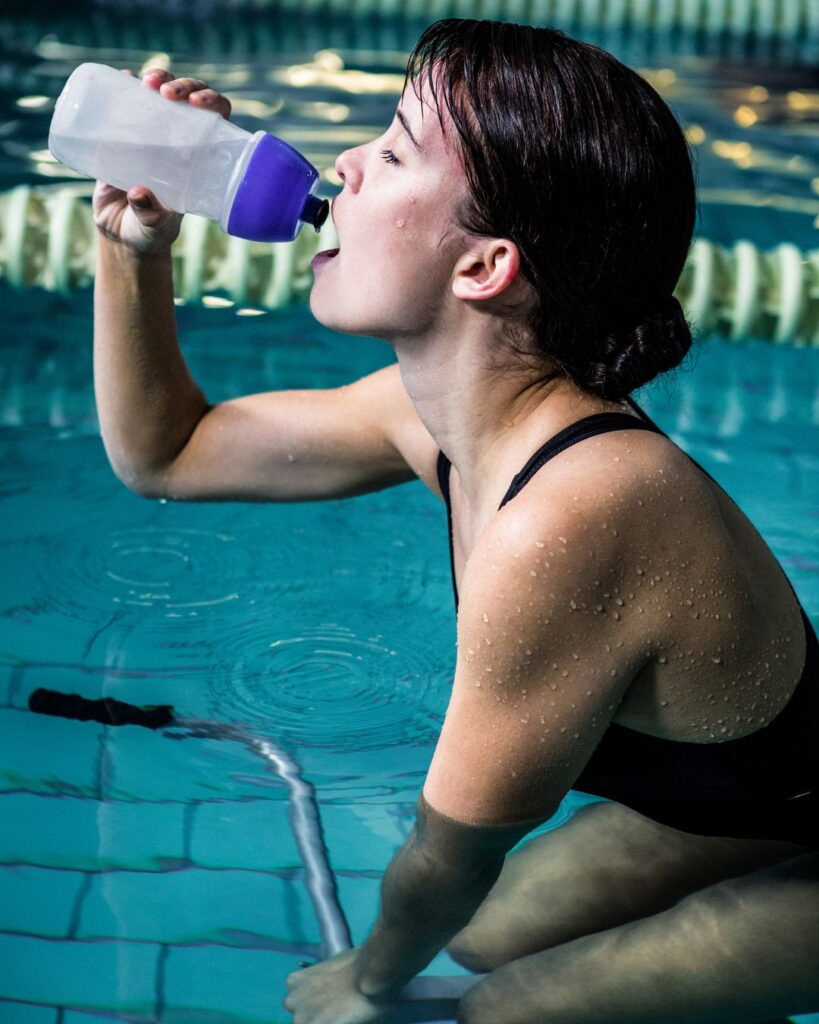
For most workouts, water is the best option. However, after intense swimming sessions or long aqua aerobics classes, some people may benefit from drinks containing electrolytes.
Good post-workout hydration options include:
- Water
- Electrolyte beverages
- Coconut water
- Fruit smoothies with water-rich fruits
- Foods with high water content such as watermelon or oranges
Sugary beverages should generally be limited, especially for routine fitness sessions.
Final Thoughts: Keep Water Nearby, Even in the Water
Swimming and aqua aerobics are excellent ways to improve cardiovascular health, endurance, mobility, and strength while reducing impact on the joints. However, being in the water does not eliminate the body’s need for hydration.
Whether you are swimming laps, participating in aquatic fitness classes, or doing interval-based pool workouts, drinking enough water before, during, and after exercise can help improve performance, recovery, and overall well-being.
The next time you head to the pool, remember: water around you does not replace the water your body still needs inside you.
FAQs
1. Can You Sweat While Swimming?
Yes. Even though the water keeps your body cool, swimmers still sweat during exercise. The surrounding water simply makes it harder to notice fluid loss compared to land workouts.
2. Can You Sweat While Swimming During Aqua Aerobics?
Yes, you can sweat while swimming or participating in aqua aerobics even if the surrounding water makes it difficult to notice. During higher-intensity pool workouts, the body still loses fluids through sweat and breathing, which is why hydration remains important.
3. Does Swimming Dehydrate You?
Yes, swimming can contribute to dehydration, especially during long or high-intensity workouts. Swimmers lose fluids through sweat and breathing, even when exercising in the water.
4. Should I drink water during aqua aerobics?
Absolutely. Drinking water during aqua aerobics helps maintain energy, endurance, and overall workout performance. Keeping a water bottle poolside is highly recommended, especially during longer or higher-intensity sessions.
5. How much water should I drink before swimming?
A good general recommendation is to drink water throughout the day and hydrate before entering the pool. Many fitness organizations recommend drinking water several hours before exercise and again shortly before the workout begins.
6. What are signs of dehydration during swimming?
Common signs include fatigue, dizziness, muscle cramps, headaches, dry mouth, and reduced endurance. Dark urine after exercise may also indicate dehydration.
7. Are electrolyte drinks necessary for swimming workouts?
For shorter or moderate pool workouts, water is usually enough. However, for longer sessions, high-intensity interval training, or outdoor workouts in hot weather, electrolyte drinks may help replace minerals lost through sweat.
8. Why don’t swimmers feel thirsty as often?
The cooling effect of water can mask sweat loss and reduce the feeling of thirst. This is one reason many swimmers unintentionally under-hydrate during workouts.
9. Is hydration important for low-impact water workouts too?
Yes. Even low-impact aquatic exercise still increases heart rate and body temperature. Proper hydration supports circulation, muscle recovery, and overall performance regardless of workout intensity.
10. What is the best drink after swimming or aqua aerobics?
Water is usually the best choice after most pool workouts. After longer or more intense sessions, electrolyte beverages or water-rich foods may also help support recovery.
11. Why Don’t Swimmers Feel as Sweaty?
Water continuously cools the skin and washes away sweat, making fluid loss much less noticeable than during land-based exercise.
Conclusion:
So, can you sweat while swimming? Absolutely. Even though water keeps the body cool, swimmers and aqua aerobics participants can still lose fluids during training sessions, making hydration an important part of aquatic fitness performance and recovery.
References
- American Heart Association. “American Heart Association Recommendations for Physical Activity in Adults.” Available at: American Heart Association Official Website
- National Institutes of Health. Research and publications related to exercise hydration and swimming performance. Available at: NIH Official Website
- American Council on Exercise. Hydration guidelines for exercise and physical activity. Available at: American Council on Exercise Official Website
- Centers for Disease Control and Prevention. “Water and Healthier Drinks.” Available at: CDC Official Website
- Mayo Clinic. “Water: How Much Should You Drink Every Day?” Available at: Mayo Clinic Official Website
- Harvard T.H. Chan School of Public Health. “The Importance of Hydration.” Available at: Harvard Nutrition Source