
legendaryswimmers_to51xo

Eczema and Swimming: Top Tips for Clear Skin

Eczema and Swimming: Top Tips for Clear Skin

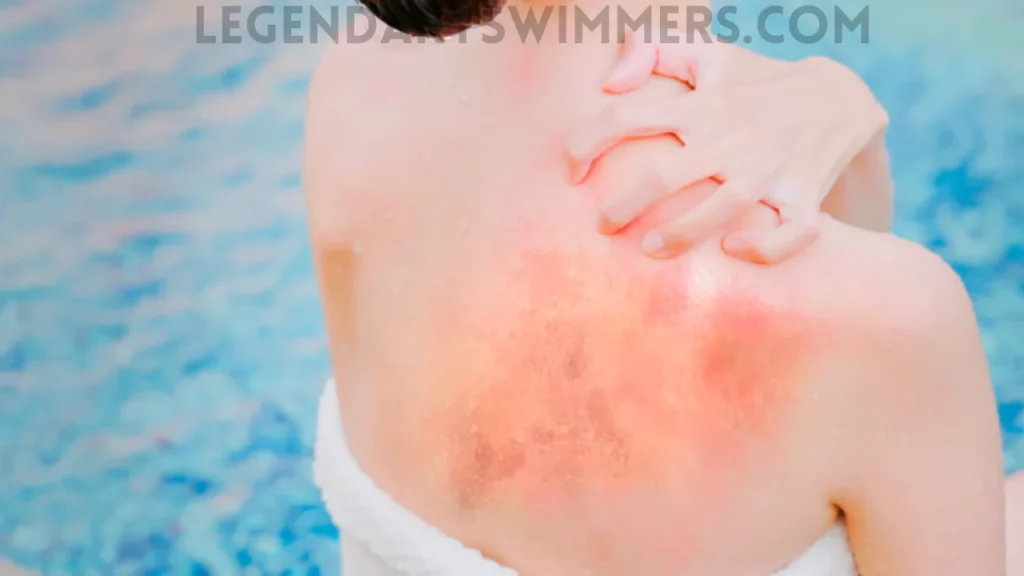
Swimming is a refreshing activity that promotes physical health and mental well-being. However, for individuals with eczema, a chronic skin condition characterized by dryness, irritation, and inflammation, swimming can present unique challenges. Balancing the benefits of swimming with the potential for eczema flare-ups requires careful planning and informed decisions. This article explores in-depth strategies to enjoy swimming while maintaining clear, healthy skin. Understanding Eczema and Its Triggers Eczema, also known as atopic dermatitis, affects millions worldwide. It manifests as red, itchy, and inflamed skin and can range from mild to severe. Understanding the triggers of eczema is key to preventing flare-ups, especially in environments like swimming pools. Common Eczema Triggers Dry Skin: Lack of moisture in the skin. Irritants: Harsh chemicals like chlorine and soaps. Allergens: Dust mites, pet dander, and pollen. Stress and Emotional Factors: Increased stress levels. Environmental Conditions: Changes in temperature and humidity. Chemical Sensitivities: Reactions to combined chlorine and other pool chemicals. Statistics highlight the prevalence of eczema. According to the National Eczema Association, approximately 10% of the U.S. population suffers from eczema. Studies indicate that frequent swimmers and lifeguards have a higher risk of skin barrier disruption, which can aggravate eczema symptoms. The Benefits of Swimming for people with Eczema While chlorine and other pool chemicals can be irritants, swimming offers benefits for those with eczema when managed appropriately. A 2021 study revealed that swimming for two hours increased transepidermal water loss, indicating the importance of post-swim moisturization. Hydration: Water immersion can temporarily hydrate dry, itchy skin. Exercise: Swimming is a low-impact activity that promotes cardiovascular health without overheating the body, which can trigger eczema. Stress Relief: The calming nature of water helps reduce stress, a common trigger for eczema flare-ups. How Does Swimming Affect Eczema? Swimming pools are typically sanitized with chlorine or saltwater systems, both of which can impact sensitive skin: Chlorine: Essential for disinfection but can strip the skin of natural oils, causing dryness and irritation. Saltwater Pools: Use electrolysis to produce chlorine but at lower concentrations, reducing irritation for some individuals. Combined Chlorine (Chloramines): Formed when chlorine reacts with organic matter, such as sweat or lotions. This is a primary irritant for people with eczema. Find out more about the reaction to the skin in this related post, “Why Female Swimmers Get Chlorine Rash: Treatment, and Prevention“ Expert Tips to Prevent Eczema Flare-Ups While Swimming 1. Pre-Swim Preparation Proper preparation before entering the pool can significantly reduce the risk of flare-ups. Moisturize: Apply an emollient cream or ointment, such as petroleum jelly, 30 minutes before swimming. This creates a protective barrier against irritants. Barrier Creams: Use eczema-friendly barrier creams to shield the skin from chlorine and other chemicals. Shower First: Wet your skin before entering the pool to minimize chlorine absorption. Choose the Right Swimwear: Opt for UV-protective clothing like rash guards, swim shirts, or leggings to reduce skin exposure. 2. In the Pool While swimming, adopt practices to keep your skin protected: Hydration: Drink water to prevent dehydration, which can exacerbate eczema symptoms. Limit Exposure: Limit your time in chlorinated pools to reduce irritation. Saltwater Pools: If possible, choose saltwater pools or pools with advanced oxidation process (AOP) systems like Clear Comfort for a gentler swimming experience. 3. Post-Swim Care Effective post-swim care helps restore the skin barrier and prevents flare-ups: Rinse Immediately: Take a lukewarm shower to wash off chlorine and other chemicals. Avoid hot water, which can dry the skin further. Use Gentle Cleansers: Choose fragrance-free and hypoallergenic cleansers. Moisturize Within 3 Minutes: Apply a thick layer of moisturizer or emollient cream to lock in hydration. Wash Swimwear: Rinse your bathing suit after each use to remove chlorine residues. Advanced Pool Solutions for Eczema Modern pool sanitation systems provide alternatives to traditional chlorine treatments: 1. Clear Comfort AOP Systems Clear Comfort’s Hydroxyl-Based Advanced Oxidation Process (AOP) minimizes the need for chlorine, reducing skin irritation. By using hydroxyl radicals to purify water, these systems offer a safer and healthier swimming environment for individuals with eczema. 2. UV-C Pool Systems UV-C pool systems use ultraviolet light to kill bacteria and pathogens, reducing the reliance on chlorine. This makes them an eczema-friendly option for pool owners. 3. Ozone Pool Systems Ozone pool systems use ozone gas to disinfect water, offering another alternative that minimizes chlorine exposure. Research also suggests that properly balanced chlorine levels can reduce bacteria on the skin, potentially preventing infection. [Source: CDC ] FAQs 1. Is Saltwater or Chlorinated Water Better for Eczema? Saltwater pools often use lower levels of chlorine, making them less irritating for some individuals. However, they may still cause dryness. Testing both options can help determine the best fit for your skin. 2. Can Swimming in the Ocean Help? Ocean water’s natural salt content can soothe eczema for some individuals, but it may irritate others. Applying a barrier cream before entering the ocean can help mitigate irritation. 3. How Do I Know If a Pool Is Safe? Check the pool’s pH level, which should be between 7.2 and 7.4. Lower chlorine pools or those with AOP systems are ideal for sensitive skin. Final Tips for Eczema-Friendly Swimming Patch Test Products: Test any new creams or moisturizers on a small area of skin before use. Consult Your Dermatologist: Work with a healthcare professional to tailor swimming strategies to your needs. Monitor Your Skin: Keep track of flare-ups to identify triggers and effective remedies. Conclusion Swimming with eczema doesn’t have to be a daunting experience. By understanding your triggers, adopting protective measures, and exploring advanced pool technologies, you can enjoy swimming while maintaining clear and healthy skin. For more expert tips and swimming resources, sign up for our newsletter at Legendary Swimmers.com  

Eczema and Swimming: Top Tips for Clear Skin Read More »

Hair & Skin Care Tips Every Swimmer Should Know- 2025

Hair & Skin Care Tips Every Swimmer Should Know- 2025

Swimming is one of the best full-body workouts and a refreshing recreational activity. However, the chlorine in pools and the salt in oceans can wreak havoc on your hair and skin if not properly cared for. Whether you’re a competitive swimmer, a casual pool enthusiast, or someone who loves beach days, it’s essential to adopt a proactive approach to hair and skin maintenance. In this comprehensive guide, we’ll explore how swimming affects your hair and skin, share expert-backed tips, and provide a detailed maintenance routine to keep you looking and feeling your best. Understanding the Impact of Swimming on Hair and Skin Before diving into the maintenance strategies, it’s crucial to understand how swimming impacts your hair and skin. This knowledge will help you combat potential issues more effectively. 1. Effects of Chlorine on Hair and Skin Chlorine, a disinfectant commonly used in pools, strips your hair and skin of their natural oils. Here’s what can happen: Hair: Chlorine makes hair dry, brittle, and prone to split ends. Over time, it can even change your hair’s color, especially for light-haired swimmers, who might notice a greenish tint due to chemical reactions with copper. Skin: Prolonged exposure to chlorinated water can lead to dryness, irritation, and itchiness. For individuals with sensitive skin or conditions like eczema, chlorine can exacerbate symptoms. 2. Effects of Saltwater on Hair and Skin While ocean water is natural, its high salt content can be dehydrating. Hair: Saltwater removes moisture from your hair, leaving it frizzy and prone to breakage. Skin: The salt in seawater can dry out your skin, causing it to feel tight and flaky. Hair and Skin Maintenance Tips for Swimmers Pre-Swim Care 1. Shower Before You Swim Rinsing your hair and skin with clean water before entering the pool or ocean minimizes the amount of chlorine or saltwater absorbed. Wet hair is less likely to soak up harmful chemicals. 2. Apply a Protective Layer Use a leave-in conditioner or natural oils like coconut or argan oil to create a barrier against chlorine and salt. This layer locks in moisture and prevents drying. For your skin, apply a water-resistant sunscreen with broad-spectrum protection. Choose one with SPF 30 or higher. 3. Wear Protective Gear Use a swim cap to shield your hair from direct exposure to chlorinated or saltwater. Silicone caps are especially effective. Opt for UV-protective swimwear and hats when swimming outdoors to shield your skin from harmful rays. During Your Swim 1. Keep Hydrated Swimming dehydrates your body, which can affect your hair and skin. Drink water before, during, and after your swim to stay hydrated. 2. Avoid Touching Your Face Minimize the transfer of pool chemicals to sensitive facial skin by refraining from touching your face. Post-Swim Care 1. Rinse Immediately After exiting the water, rinse your hair and body thoroughly with fresh water to remove chlorine or salt. This step reduces the risk of chemical residue causing damage. 2. Use the Right Products Shampoo: Opt for a swimmer’s shampoo specifically designed to remove chlorine, salt, and impurities. Look for sulfate-free formulas enriched with natural oils or aloe vera. Conditioner: Follow up with a deep-conditioning treatment to restore moisture and repair any damage. Body Wash: Use a gentle, hydrating body wash to cleanse and soothe your skin. 3. Moisturize Apply a rich, fragrance-free moisturizer to your skin to lock in hydration. For your face, consider using a soothing serum with hyaluronic acid. 4. Detangle Gently Use a wide-tooth comb to detangle wet hair, starting from the tips and working your way up. Avoid harsh brushing, as wet hair is more prone to breakage. 5. Treat Your Hair Weekly Incorporate a weekly hair mask or oil treatment to replenish nutrients and strengthen your locks. Coconut oil, castor oil, or avocado-based masks work wonders. Statistics Studies show that regular swimmers have a higher chance of experiencing hair dryness due to chlorine exposure compared to non-swimmers. [Source: Cleveland Clinic] According to the Skin Cancer Foundation, UV rays reflected off water can increase sun damage risk by up to 25%. Research indicates that using a protective barrier like a leave-in conditioner reduces chlorine absorption by 30%. [Source: aquasana] Natural Remedies for Swimmers Aloe Vera: Apply fresh aloe vera gel to your skin post-swim to soothe irritation and lock in moisture. Honey and Yogurt Mask: Combine equal parts honey and yogurt and apply to your hair for 20 minutes. Rinse thoroughly for deep hydration. Creating a Year-Round Hair and Skin Care Routine Consistency is key to maintaining healthy hair and skin throughout the year. Here’s a simple routine: Daily: Rinse after swimming, moisturize, and hydrate. Weekly: Use a clarifying shampoo and deep conditioner. Monthly: Treat your hair with a professional salon treatment and exfoliate your skin to remove dead cells. FAQs  Q: How often should swimmers wash their hair? A: Wash your hair 2-3 times a week with swimmer-friendly shampoo. Overwashing can strip natural oils. Q: Can swimming cause acne? A: Chlorine and sweat can clog pores. Rinse your skin thoroughly post-swim and use a gentle cleanser. Q: Is it okay to skip conditioning after swimming? A: Conditioning is essential to replenish lost moisture and prevent dryness. Conclusion Swimming is an incredible activity, but it’s essential to care for your hair and skin to prevent damage from chlorine, salt, and sun. By following these expert-backed tips and incorporating swimmer-friendly products into your routine, you can enjoy the water while keeping your hair silky and your skin healthy. Dive in confidently and let your beauty shine in and out of the water. For more swimmer-friendly tips, exclusive product recommendations, and exciting new projects, sign up for our newsletter at Legendary Swimmers. Stay ahead of the curve and never miss an update! References Cleveland Clinic Skin Cancer Foundation aquasana Related: Does Chlorine Kill Lice? What Every Swimmer Should Know

Hair & Skin Care Tips Every Swimmer Should Know- 2025 Read More »

How to Get Water Out of Your Ears Quickly: Expert Tips

How to Get Water Out of Your Ears Quickly: Expert Tips

Water trapped in your ears can be frustrating and even uncomfortable. Whether it’s after swimming, showering, or taking a bath, this issue can happen to anyone. Beyond the annoyance, leaving water in your ears increases the risk of infections, such as swimmer’s ear, which can lead to more severe complications if untreated. In this guide, we’ll explore effective, safe, and expert-backed methods to remove water from your ears quickly. Let’s dive in! Why Water Gets Trapped in Your Ears Your ear is made up of three parts: the outer ear, middle ear, and inner ear. Water usually gets trapped in the outer ear canal, where it’s difficult to remove because of the ear’s natural curvature. Some people with narrow or unusually shaped ear canals may find this issue happens more frequently. Research shows that water trapped in the outer ear typically clears on its own within 24-48 hours but can lead to complications if it persists beyond this time. The CDC reports that swimmer’s ear results in approximately $500 million in healthcare costs each year in the United States. Common Causes Swimming or Showering: Submersion in water makes it easy for water to enter the ear canal. Earwax Blockages: Excess earwax can trap water, preventing it from draining out naturally. Using Earbuds or Cotton Swabs: These can push water deeper into the canal, exacerbating the problem. Potential Risks If not removed, water in the ears can lead to: Swimmer’s Ear (Otitis Externa): A painful infection caused by bacteria or fungi thriving in a moist environment. Temporary Hearing Loss: Water may block sound transmission. Discomfort or Itching: Persistent water can irritate the ear canal. How to Get Water Out of Your Ears: Expert-Backed Techniques 1. Gravity and Tilting One of the simplest methods involves using gravity to your advantage: Tilt your head toward the affected ear and gently tug your earlobe to straighten the ear canal. Shake your head side to side while keeping your ear facing downward. Lie on your side for a few minutes, placing a towel beneath your ear to catch any drainage. 2. Create a Vacuum Creating a natural suction can help pull water out: Tilt your head sideways and place your cupped palm over the affected ear, creating a seal. Push and release your palm gently to create a vacuum effect. Tilt your head down and let the water drain out. Pro Insight: This method is safe for all ages and doesn’t require any special tools, making it ideal for swimmers. 3. Use Heat with a Hairdryer Warm air helps evaporate trapped water: Set your hairdryer to its lowest setting. Hold it at least 12 inches from your ear and move it back and forth. Gently pull your earlobe to allow warm air to enter the canal. Safety Note: Avoid using high heat as it may damage your skin or eardrum. 4. The Tissue Absorption Method This straightforward technique involves using facial tissue: Roll a piece of tissue into a pointed shape. Gently place it near (but not inside) the ear canal. Tilt your head to let the tissue absorb the water. Home Remedies for Stubborn Water 5. Rubbing Alcohol and Vinegar Drops This mixture helps by drying the water and breaking down earwax: Mix equal parts rubbing alcohol and white vinegar. Use a dropper to apply 3-4 drops into the affected ear. Wait 30 seconds before tilting your head to let the solution drain out. Scientific Backing: A single Study by UIHC shows that this mixture effectively prevents infections and clears blockages. 6. Hydrogen Peroxide Drops Hydrogen peroxide helps break down debris and wax: Mix hydrogen peroxide with equal parts water. Use a sterile dropper to apply 3-4 drops. Wait for the bubbling to subside before tilting your head to drain the solution. Important: Avoid this method if you have a perforated eardrum or recent ear surgery. 7. Warm Olive Oil This age-old remedy soothes the ear canal while helping water escape: Warm olive oil to a comfortable temperature (test it on your wrist). Place 3-4 drops into your ear with a sterile dropper. Lie on your side for 5-10 minutes before draining the oil and water. What to Avoid 1. Inserting Objects into the Ear Never use cotton swabs, bobby pins, or fingers to remove water. These can: Push water deeper. Damage the ear canal or eardrum. Introduce bacteria. 2. Ignoring Persistent Symptoms If symptoms persist for more than 48 hours or worsen, consult a healthcare professional. Ignoring signs like ear pain, discharge, or redness may lead to complications. Preventing Water from Getting Trapped 1. Use Earplugs Waterproof earplugs, such as silicone or custom-fit options, are highly effective. These earplugs create a seal that prevents water from entering the ear canal while swimming or bathing. Custom-fit earplugs, often available through audiologists, offer the best fit and comfort for frequent swimmers. Look for reusable and hypoallergenic options to ensure safety and durability. 2. Wear a Swimming Cap A snug swimming cap can keep water out while you swim, especially if paired with earplugs. Choose caps made from high-quality silicone for a watertight fit. Ensure the cap covers your ears completely to maximize protection. Caps designed for competitive swimmers often offer better coverage and resistance against water seepage. Children aged 7-14 years old are the most commonly affected by swimmer’s ear due to frequent swimming and narrow ear canals. [Source: AMA] 3. Post-Swim Routine Adopting a post-swim routine can significantly reduce the risk of water getting trapped: Tilt Your Head: After swimming, tilt your head to each side and shake gently to encourage water to drain. Use a Towel: Dry your outer ears thoroughly with a soft towel, paying special attention to the area around the ear canal. Air Drying: Allow your ears to air dry for a few minutes before using any devices like earphones. Apply Ear Drops: Preventive ear drops, available over the counter, can help evaporate residual moisture. When to Seek Medical Attention If the water doesn’t drain within two days or

How to Get Water Out of Your Ears Quickly: Expert Tips Read More »

Can You Swim After a Hysterectomy? Here's What to Know

Can You Swim After a Hysterectomy? Here’s What to Know

A hysterectomy, the surgical removal of the uterus, is a significant procedure requiring careful post-surgery planning. Swimming, a popular low-impact exercise, offers numerous benefits for physical recovery and mental well-being. However, resuming swimming too early after a hysterectomy can compromise your healing process. This guide provides detailed insights and guidelines to help you safely transition back into swimming after your surgery. Understanding Hysterectomy and Its Types A hysterectomy involves removing the uterus to address various medical issues, including fibroids, endometriosis, or cancer. This procedure impacts the reproductive system and may also involve the removal of other tissues, such as the cervix or ovaries. The recovery process varies depending on the extent of the surgery. Approximately 600,000 hysterectomies are performed annually in the U.S., making it one of the most common surgeries for women. (Source: CDC, Centers for Disease Control and Prevention) Types of Hysterectomy Abdominal Hysterectomy: Performed through an incision in the abdomen, this method typically involves a longer recovery due to external and internal healing. Vaginal Hysterectomy: Performed through the vaginal canal, this method often results in quicker external recovery, though internal healing remains similar to other types. The type of hysterectomy you undergo significantly influences your recovery timeline and readiness to resume activities like swimming. Why Recovery After a Hysterectomy Is Crucial Healing after a hysterectomy is both an internal and external process. Tissues, incisions, and sutures need sufficient time to repair. Studies indicate that 80% of post-hysterectomy patients can return to light activities, like swimming, within 4–6 weeks with proper guidance. (Source: National Institutes of Health) The body undergoes: Initial Healing (1–2 weeks): Involves clot formation and inflammation. Proliferative Phase (2–6 weeks): Tissue regeneration occurs, but the area remains fragile. Remodeling Phase (6 weeks–6 months): Full strength and functionality are gradually restored. Risks of Premature Swimming Swimming before proper healing can expose you to risks, such as: Infections: Pools and open water contain bacteria that may enter unhealed incisions. Wound Complications: Submerging unhealed areas can delay healing or cause reopening. When Can You Swim After a Hysterectomy? Returning to swimming after a hysterectomy requires careful consideration of your recovery progress. Post-surgical guidelines help ensure you avoid complications like infections or delayed healing. General Timeline for Swimming Chlorinated Pools: Swimming in chlorinated pools is typically deemed safe after 4 to 6 weeks. Chlorine acts as a disinfectant, reducing bacterial contamination. However, this timeline may vary based on the type of hysterectomy performed and the surgeon’s advice. Open Water: Open water environments, such as lakes or oceans, pose a higher risk due to potential bacterial contamination. Waiting at least 8 weeks or longer is advisable to reduce the risk of infection. Healing must be complete, especially for internal tissues, before submerging in natural water bodies. Consulting Your Surgeon Every person’s recovery timeline is unique. It’s crucial to seek clearance from your surgeon before returning to swimming. Your readiness will depend on factors such as: Absence of Discharge or Infection: Ensure that there is no longer any wound discharge or signs of infection, as these could worsen when exposed to water. Minimal Swelling or Discomfort: The surgical area should no longer feel swollen or tender. Persistent pain could indicate incomplete healing. Clearance from Follow-Up Examinations: Regular follow-ups with your surgeon are essential to confirm that both external and internal tissues have sufficiently healed. Your surgeon may also advise against swimming for a longer period if complications such as excessive scarring, delayed healing, or underlying health issues arise. Preparing to Swim Post-Hysterectomy Swimming requires strong core and pelvic floor muscles, which may weaken after surgery. A rehabilitation plan is vital for rebuilding these muscles. Begin with low-impact exercises that strengthen your core, legs, and pelvic floor: Bird-Dog Exercise: Get on your hands and knees, extending one arm and the opposite leg simultaneously. This improves core stability and balance. Flutter Kicks: Lie on your back and perform small, controlled kicks with your legs. This movement strengthens leg muscles while gently engaging your core Pelvic Tilts: Lie on your back with your knees bent and gently tilt Pool vs. Open Water Swimming After Surgery When deciding where to swim post-hysterectomy, it’s important to weigh the risks and benefits of each environment. Chlorinated Pools Chlorinated pools provide a controlled environment that minimizes bacterial contamination, making them a safer option for post-surgical recovery. Consider the following precautions: Cleanliness: Ensure the pool is well-maintained, with proper chlorine levels and regular sanitation checks to prevent infections. Monitoring: Avoid swimming if the pool water looks cloudy or if you’re unsure of its maintenance history. Temperature: Opt for pools with moderate water temperatures to avoid unnecessary stress on healing tissues. Related: Why Female Swimmers Get Chlorine Rash: Treatment, and Prevention Open Water Natural water bodies, such as lakes, rivers, and oceans, present unique challenges and risks: Higher Contamination Risks: Open water often contains untreated contaminants, including bacteria, algae, and debris, which could lead to infections or irritations in healing areas. Protective Measures: If swimming in open water is unavoidable, take precautions: Wear protective swimwear to minimize exposure to contaminants. Avoid swimming in murky or stagnant areas where bacteria and parasites are more likely to thrive. Choose spots with clean, flowing water, such as well-monitored beaches or freshwater streams. Timing: Wait longer before swimming in open water compared to pools, as natural environments are less predictable and carry higher risks. According to reports, Open water swimming carries an 8% higher risk of bacterial infections compared to swimming in properly maintained pools. Benefits of Swimming After Recovery Once fully healed, swimming offers numerous health benefits, including: Low-Impact Exercise: Ideal for joint and muscle recovery without strain. According to the American Journal of Sports Medicine, Low-impact exercises like swimming can improve recovery times by 20–30% when paired with pelvic floor rehabilitation. Cardiovascular Health: Improves heart function and overall endurance. Flexibility and Strength: Engages major muscle groups, enhancing flexibility and core strength. Therapeutic Effect: Provides mental relaxation and stress relief. FAQs Q: Can You Swim in a Pool After a Hysterectomy? A:

Can You Swim After a Hysterectomy? Here’s What to Know Read More »

The Ultimate Guide to Fixing Leaky Swim Goggles

The Ultimate Guide to Fixing Leaky Swim Goggles

Leaky swim goggles can turn a great swimming session into a frustrating experience. Whether you’re a professional swimmer, a triathlete, or just enjoying a casual swim, having clear, leak-free goggles is essential for comfort, focus, and performance. In this ultimate guide, we’ll dive deep into everything you need to know about fixing leaky swim goggles, why they leak, and how to prevent it from happening again. The global swim goggles market is projected to grow to $1.4 billion by 2028, driven largely by demand for high-performance and custom-fit options (Source: Market Research Future). Why Do Swim Goggles Leak? Understanding why your goggles leak is the first step to fixing the problem. Here are the most common reasons: 1. Poor Fit The most common cause of leaking swim goggles is an improper fit. If the gaskets (the part that seals the goggles to your face) aren’t aligned properly, water can seep in. This often happens when the goggles aren’t designed for your facial structure. 2. Loose Straps Straps that are too loose can cause the goggles to shift, breaking the watertight seal. On the flip side, overly tight straps may cause discomfort without fully solving the problem. 3. Worn-Out Gaskets The gaskets around the lenses are made of rubber or silicone and can degrade over time. Cracks or stiffness in these gaskets make it difficult to create a watertight seal. 4. Incorrect Nosepiece Adjustment An ill-fitting nosepiece can leave gaps between the goggles and your face. This is particularly common for swimmers with narrow or wide-set eyes. 5. Hair Interference Strands of hair caught between the gaskets and your skin can break the seal, allowing water to enter. How to Fix Leaky Swim Goggles: Simple Solutions If your swim goggles are leaking, these tried-and-tested methods can help you resolve the issue quickly. 1. Adjust the Straps for a Snug Fit Loosen or tighten the straps until the goggles sit firmly on your face. Position the straps slightly above the curve of your head for better stability. Avoid overtightening as it can cause discomfort without ensuring a better seal. 2. Customize the Nosepiece Many swim goggles come with adjustable nose bridges. Test the included options to find the perfect fit for your face. For fixed-nosepiece goggles, consider switching to a model that offers customization. 3. Create a Suction Seal Press the goggles gently into your face to create a vacuum-like seal. Test the seal by lightly pressing on the lenses; if the goggles stick to your face for a few seconds without straps, the seal is strong. 4. Keep Hair Out of the Way Ensure no hair is caught under the gaskets. Wear a swim cap to keep your hair neatly tucked away and to prevent interference. 5. Replace Worn-Out Parts Inspect the gaskets for cracks or stiffness. Replace them if they’re damaged. Consider replacing the entire pair of goggles if repairs aren’t possible. Advanced Tips for Persistent Leaks If simple adjustments don’t solve the problem, try these advanced solutions. 1. Invest in Custom-Fit Goggles Custom swim goggles, like those from TheMagic5, use facial scanning technology to create a perfect fit. While these may be more expensive, they’re worth it if you consistently struggle with leaks. According to a 2023 survey conducted by SwimOutlet, 75% of swimmers report goggle leaks as their top frustration during swim sessions, with 68% attributing it to improper fit. 2. Use a Swim Cap Over Goggles Wearing a swim cap over your goggles helps keep the straps in place, reducing movement that might break the seal. This is particularly useful for competitive swimmers or those diving into the pool. 3. Upgrade to Higher-Quality Goggles Premium goggles often have better materials and designs that ensure a watertight seal. Look for goggles with soft silicone gaskets, anti-fog coatings, and UV protection. 4. Protect the Anti-Fog Coating Anti-fog coatings are essential for clear vision but can degrade with improper handling. Avoid wiping the inside of your lenses with your fingers. Do this Instead: Store goggles in a protective case to prevent scratches. Use anti-fog sprays or wipes to maintain the coating. Preventing Leaky Swim Goggles: Proactive Care Taking good care of your swim goggles can prevent leaks and extend their lifespan. Here’s how: 1. Rinse After Each Use Rinse your goggles with fresh water after every swim to remove chlorine, salt, and debris. This prevents buildup that can affect the seal and clarity. 2. Store Properly Always store your goggles in a case to protect them from damage. Avoid leaving them in hot or humid environments, which can weaken the gaskets. 3. Avoid Overstretching Straps Frequent adjustments can wear out the straps. Replace straps when they lose elasticity to maintain a secure fit. 4. Use Anti-Fog Products Apply an anti-fog spray before each swim to keep the lenses clear. If you don’t have spray, a quick saliva application can also work in a pinch. Expert Insights on Fixing Leaky Goggles Professional swimmers and triathletes swear by these additional tips: Katie Ledecky, Olympic gold medalist, advises: “A properly adjusted nosepiece and snug straps make all the difference. Always test your goggles for suction before diving in.” “Always have a backup pair,” recommends triathlete Kyle Axman. Swapping to a fresh pair during long sessions can save time and frustration. FAQs Q: Why do my goggles leak even when they’re tight? A: Tight goggles can still leak if the gaskets don’t align properly with your facial contours. Adjust the nosepiece or try a different model for a better fit. Q: Can old goggles be fixed? A: Yes, but only to a certain extent. Replacing gaskets or straps can help, but if the lenses or frame are warped, it’s time for a new pair. Q: How do I stop goggles from fogging up and leaking? A: Prevent fogging with anti-fog sprays or saliva, and ensure a watertight seal by adjusting straps and gaskets. Recommended Products for Leak-Free Swimming Speedo Women’s Swim Goggles Mirrored Vanquisher 2.0 Perfect for swimmers seeking a tailored fit. These

The Ultimate Guide to Fixing Leaky Swim Goggles Read More »

Swim Diapers 101: Everything Parents Need to Know

Swim Diapers 101: Everything Parents Need to Know

If you’re a parent planning to take your little one to the pool, beach, or lake, one of the essential items you’ll need is a swim diaper. But what exactly are swim diapers, how do they work, and why are they so important? In this comprehensive guide, we’ll walk you through everything you need to know about swim diapers. Whether you’re preparing for a fun beach day or your baby’s first swim lesson, you’ll find all the answers you need right here. What Are Swim Diapers? Swim diapers are special diapers designed for babies and toddlers who aren’t yet potty trained. Unlike regular diapers, swim diapers do not absorb liquid. Instead, their primary function is to contain solid waste (like poop) while allowing urine to pass through. This is critical for maintaining hygiene in public pools, lakes, and other bodies of water. The most important thing to understand is that swim diapers do not hold urine. They’re designed to contain only solids, which helps prevent accidents in the water from becoming a health risk for others. These diapers come in two main types: disposable and reusable. Each type has its own benefits, and the right choice for your child will depend on your needs, lifestyle, and environmental considerations. How Do Swim Diapers Work? Understanding how swim diapers work is essential for parents who want to ensure their child is comfortable and safe in the water. Swim diapers are specifically designed to prevent fecal matter from leaking into the water, which can cause contamination and spread harmful bacteria. Key Features of Swim Diapers: Non-Absorbent Material: Unlike regular diapers that soak up liquid, swim diapers are made from materials that allow urine to pass through while keeping solids contained. Leak Guards: Swim diapers are equipped with leak guards that form a secure barrier around the legs and waist, preventing any mess from escaping. Comfort: Since swim diapers do not absorb water, they won’t get heavy or sag in the water, which allows your baby to move freely and comfortably. This makes them ideal for swimming lessons, pool parties, or just playing in the water. By using swim diapers, you’re not only keeping your baby comfortable but also helping to maintain a clean and safe environment for all swimmers. Swim diapers are a crucial element of pool hygiene, as they help to prevent the spread of germs like E. coli and other bacteria that can be present in feces. Types of Swim Diapers: Disposable vs. Reusable Swim diapers come in two main types: disposable and reusable. Let’s break down each one so you can make an informed choice about what works best for you and your baby. 1. Disposable Swim Diapers Disposable swim diapers are similar to regular disposable diapers but are designed for use in water. They are convenient and affordable but are a one-time-use product. Advantages of Disposable Swim Diapers Disadvantages of Disposable Swim Diapers Convenience: Disposable swim diapers are easy to use, especially when traveling or when you don’t have access to laundry facilities. Environmental Impact: Since they are single-use, disposable diapers contribute to landfill waste, making them less eco-friendly. Hygiene: They’re a great option for parents who want to dispose of the diaper immediately after use, ensuring cleanliness and convenience. Cost Over Time: While disposable swim diapers are cheaper upfront, they can add up in cost over time, especially if you use them frequently. – – 2. Reusable Swim Diapers Reusable swim diapers are made from fabric materials and are designed to be washed and reused multiple times. They are a more eco-friendly option and can be cost-effective in the long run. Advantages of Reusable Swim Diapers Disadvantages of Reusable Swim Diapers Eco-Friendly: Reusable swim diapers can be washed and reused, reducing waste and helping the environment. Maintenance: Reusable swim diapers require regular washing and care, which can be inconvenient if you’re travelling or on-the-go. Comfort: These diapers are often softer and more comfortable than disposables, and many come in fun, colourful patterns. Upfront Cost: They typically cost more initially compared to disposables, which might be a deterrent for some families. Cost Savings: Although they may be more expensive upfront, reusable swim diapers can save you money in the long term since they’re designed to last for several uses. –   Choosing the Best Swim Diaper for Your Baby When selecting a swim diaper, there are several factors you should consider to ensure you pick the best one for your child. These factors include size, fit, absorbency (or lack of), comfort, and style. Let’s take a closer look at what to consider: 1. Size and Fit The right size is critical for a swim diaper to function properly. A poorly fitting diaper may result in leaks, while one that’s too tight can cause discomfort or even chafing. Fit Tips: Swim diapers should be snug but not too tight. They should stay in place around the waist and legs without leaving red marks. Most brands offer swim diapers in sizes based on your baby’s weight or age range, so check the packaging for sizing recommendations. 2. Material Swim diapers are usually made from materials like nylon, polyester, or a blend of both. These materials are lightweight and quick-drying, making them ideal for water use. Reusable diapers tend to be made from soft, breathable fabrics, which makes them comfortable for your baby to wear all day. Disposable diapers are typically made from more synthetic materials, and designed for a single-use purpose. 3. Leak-Proof Design The most important feature of a swim diaper is its ability to contain solids while allowing urine to flow freely. Look for swim diapers with elasticized leg cuffs, waistbands, and leak guards to help prevent accidents from spilling into the water. Swim Diapers and Pool Safety: Why They Matter Using swim diapers is not just about comfort or convenience – it’s also about safety. Public pools and beaches have strict hygiene standards, and many require babies and toddlers to wear swim diapers before entering the water.

Swim Diapers 101: Everything Parents Need to Know Read More »

Stay Fit This Christmas: How Swimming Keeps You Active

Stay Fit This Christmas: How Swimming Keeps You Active

Christmas is often a time of celebration, family gatherings, and indulging in delicious food. However, the holiday season can also disrupt regular fitness routines, and many people find themselves struggling to stay active. Fortunately, swimming offers a fantastic way to maintain physical activity throughout this time of year. Whether you’re trying to burn off those extra Christmas calories or simply want to stay fit during the cold winter months, swimming can help. In this article, we’ll explore how swimming can help you stay active during Christmas. Why Swimming Is the Perfect Holiday Workout The Christmas season can throw a wrench into your fitness routine, with busy schedules, cold weather, and festive treats. However, swimming is an excellent way to stay active without worrying about the elements. Let’s take a look at why swimming is the perfect workout for the holiday season. a) Full-Body Workout Swimming is an excellent full-body workout, engaging nearly every muscle group from your legs to your core and arms. Unlike other exercises that focus on specific muscles, swimming provides a comprehensive workout, helping you stay fit and active with minimal time investment—perfect for the busy holiday season. Whether you’re swimming casually or doing an intense session, you’ll activate multiple muscle groups, making it an efficient way to stay in shape. According to the research, swimming provides cardiovascular benefits while strengthening muscles throughout the body, making it an excellent choice for overall fitness. Studies show that a 30-minute moderate swim can burn between 300 to 500 calories depending on the intensity. b) Low-impact exercise During Christmas, it’s easy to become sedentary after indulging in holiday meals or sitting for long periods during family gatherings. Swimming is a low-impact activity, meaning it’s gentle on your joints and muscles, making it ideal for anyone, regardless of age or fitness level. The buoyancy of the water supports your body, reducing the strain on your joints, which is especially helpful if you have any existing aches or pains. A study published by the National Institutes of Health (NIH) highlights swimming’s ability to improve joint function and alleviate pain in individuals with conditions like arthritis. c) Burn Off Holiday Calories Christmas meals are often full of delicious treats, but they can also lead to extra calories that are difficult to burn off. Fortunately, swimming is an efficient way to burn those calories. In fact, a 30-minute swim can burn anywhere from 300 to 500 calories, depending on the intensity and swimming style. This means you can enjoy your holiday meals without feeling guilty, knowing that swimming will help keep you on track with your fitness goals. d) Stress Relief and Mental Wellness Christmas can be stressful. From shopping for gifts to planning family events, the holiday season often comes with its own set of challenges. Fortunately, swimming can help reduce stress and improve your mental well-being. Swimming releases endorphins, the body’s natural “feel-good” hormones, which can help alleviate anxiety and improve your mood. A study in the Journal of Sports Science & Medicine found that swimming significantly reduced stress hormones and elevated mood-enhancing endorphins in participants. The meditative nature of swimming, combined with the rhythmic motions, also helps to clear the mind. Moreover, the rhythmic nature of swimming can have a meditative effect, allowing you to clear your mind and focus solely on the water. This can be incredibly calming during the busy holiday season. e) Indoor Swimming for Cold Winter Days The cold weather can make it difficult to exercise outdoors during the winter. Cold weather conditions can make the water colder or thunderstorms can prevent swimming altogether. 5 Ways to Stay Active with Swimming This Christmas If you’re looking for some creative ways to stay active with swimming during the holiday season, here are five ideas to keep you moving: a) Join a Holiday Swimming Challenge Make swimming part of your holiday traditions by participating in a Christmas-themed swimming challenge. You could take part in a “12 Days of Swimming” challenge, where you swim a little each day leading up to Christmas. Gradually increase the distance or time spent swimming to make it more challenging as the days go by. At Legendary Swimmers Academy, we offer personalized swim programs that can help you stay on track throughout the season. Our professional trainers can guide you through each session, ensuring that you’re getting the most out of your workouts. b) Attend a Christmas-themed swim Class Why not make your swim sessions festive and fun? Many swimming academies, including Legendary Swimmers Academy, offer themed swim classes during the holidays. These sessions are designed to keep the workout lighthearted and enjoyable while helping you stay fit. You can join in on games, swim with family and friends, or even swim to holiday tunes! c) Plan a Family Pool Day The holidays are the perfect time to spend quality time with family, and a family pool day is a great way to stay active together. Whether it’s swimming laps, playing pool games, or even holding a family swim competition, everyone can have fun while staying active. d) Swim Before or After Your Holiday Meals With all the feasts and snacks, the holiday season can sometimes lead to overeating. Swimming before or after meals can help you digest better and maintain your fitness. Swimming before a holiday meal can increase your metabolism, while a post-meal swim can help prevent sluggishness and promote better digestion. e) Try Christmas-Themed Swimming Workouts Get creative with your swimming workouts by incorporating holiday-themed activities. For example, you could create a “Santa Sprint Set” where you swim a fast-paced sprint followed by a slow recovery lap, or a “Reindeer Relay Race” for a fun and competitive swim with friends or family. Swimming can be both effective and fun with a little holiday spirit! 3. Tips to Stay Motivated to Swim During the Holiday Season Staying motivated to swim during the busy holiday season can be challenging, but with the right strategies, you can maintain consistency. Here are some helpful tips:

Stay Fit This Christmas: How Swimming Keeps You Active Read More »

4 Reasons Why You Get a Stuffy Nose After Swimming

4 Reasons Why You Get a Stuffy Nose After Swimming

Swimming is one of the best forms of exercise, but for many, it can come with an unwelcome side effect: a stuffy nose. If you’ve ever wondered why your nose gets congested after swimming, you’re not alone! In this article, we’ll dive into the top reasons for post-swim nasal congestion, how you can prevent it, and what to do when symptoms strike. Water Enters Your Nasal Passages One of the most common reasons for a stuffy nose after swimming is simple: water enters your nasal passages. This can happen to anyone, regardless of swimming experience, but it’s particularly common during activities like backstroke or diving. Water entering your nose can irritate the sensitive lining, leading to inflammation and congestion. Why Does This Happen? Anatomy of the Nose:  The nasal passages are lined with mucous membranes that react to irritants, including water. When water enters, the membranes swell to protect your body. According to a study published in Otolaryngology Research and Reviews, over 65% of swimmers report mild to severe nasal irritation after extended pool sessions due to water exposure. [Source] Swimming Techniques Improper breathing techniques can make it more likely for water to get in. Dr. Thomas K. Burns, a sports medicine specialist, suggests that “exhaling through your nose while underwater is key to preventing water from entering the nasal cavity. This creates a protective airflow barrier.” Pro Advice: According to the U.S. Masters Swimming organization, exhaling through your nose while underwater can significantly reduce the chances of water entering your nasal passages. A steady exhalation creates a barrier that keeps water out. A study conducted by the University of Maryland found that swimmers who consistently practiced nasal exhalation experienced 45% fewer instances of nasal irritation compared to those who did not. Allergies to Pool Chemicals or Natural Elements Allergies are another major cause of post-swim nasal congestion. Whether you’re swimming in a chlorinated pool or a natural body of water, allergens can irritate your sinuses. Chlorine Sensitivity Chlorine, used to keep pools clean, can irritate sensitive nasal tissues. While not everyone is allergic to chlorine, those with pre-existing respiratory conditions may experience congestion, sneezing, and even watery eyes after swimming. The American College of Allergy, Asthma & Immunology (ACAAI) notes that chlorinated water can strip the nasal lining of its protective mucus, leaving it more susceptible to irritation and swelling. Outdoor Allergies If you’re swimming outdoors, seasonal allergens like pollen and grass may be to blame. These particles can settle on the water’s surface, entering your nose while you swim. How to Identify Allergies Symptoms include sneezing, itchy nose, or red eyes. Chlorine-related issues are more likely if symptoms occur only after pool swims, not ocean swims. Sinus Irritation or Infection (Sinusitis) Swimming can sometimes lead to sinusitis, an inflammation of the sinuses caused by water entering the nasal cavity and becoming trapped. The pressure changes associated with diving or swimming underwater can exacerbate this condition. What Is Sinusitis? Sinusitis is an infection or inflammation of the sinuses, often caused by bacteria, viruses, or fungi. It’s more likely to occur if you already have a cold or allergies. Symptoms of Sinusitis After Swimming Stuffy nose Headaches Facial pain Post-nasal drip Prevention Tips Use a nasal spray before and after swimming to flush out irritants. Avoid swimming when you have a cold or pre-existing nasal congestion. Swimming Technique and Environmental Factors Your swimming technique and the environment where you swim can also contribute to nasal congestion. For instance: Improper Breathing Techniques Failing to exhale properly while swimming can allow water to enter the nose, leading to irritation and inflammation. Temperature and Humidity Swimming in cold or highly humid environments can cause the nasal membranes to swell, leading to congestion. Tips to Improve Your Technique Practice consistent exhalation through your nose. Use a nose plug to prevent water from entering. How to Prevent and Treat a Stuffy Nose After Swimming Here are some effective strategies to prevent and treat nasal congestion: Prevention Tip Description Exhale Through Your Nose Keep a steady stream of air flowing from your nose while underwater. Use Nasal Sprays Saline sprays can flush out irritants before and after swimming. Wear a Nose Plug It is a simple and effective tool to block water from entering your nose. Check Pollen Counts Avoid high-pollen days when swimming outdoors to reduce allergy risks. Treatment Tip Description Blow Your Nose Clear out any trapped water after swimming. Steam Inhalation Inhaling steam can soothe irritated nasal passages and reduce swelling. Stay Hydrated Drinking water helps thin mucus, making it easier to drain. Consult a Doctor Persistent congestion may require professional treatment, especially for sinusitis. Looking to Improve Your Swimming Skills? Swimming is a joyful and healthy activity, and you shouldn’t let a stuffy nose hold you back! Looking for the perfect Christmas gift? Give the gift of confidence and health with swimming lessons at Legendary Swimmers Academy, where you can access professional swimming lessons, and advanced training programs. Whether you’re a beginner looking to refine your strokes or an experienced swimmer aiming to compete professionally, our expert coaches are here to guide you every step of the way. We understand the challenges swimmers face, from technique to overcoming physical discomforts like nasal congestion. Our customized programs are designed to help you swim with confidence and efficiency, ensuring you enjoy every session without any barriers about how we can help you elevate your swimming experience to the next level. Frequently Asked Questions Q: Why does my nose get stuffy after swimming in a pool? A: Chlorine or other pool chemicals can irritate your nasal passages, leading to congestion. Additionally, water entering your nose can also cause irritation. Q: Can allergies cause a stuffy nose after swimming? A: Yes, outdoor allergens like pollen and grass can cause congestion, especially if you’re swimming in a natural body of water. Q: How can I prevent water from entering my nose while swimming? A: Exhale through your nose while underwater, and consider using a nose plug for

4 Reasons Why You Get a Stuffy Nose After Swimming Read More »

How to avoid Swimming Related Headaches- Before or After

How to avoid Swimming Related Headaches- Before or After

Have you ever felt a pasting headache during or after swimming? That irritating pain can collapse what should be an enjoyable, refreshing experience. Some swimmers are responsible for close-fitting swim caps or goggles. Others point to dehydration or over-application.  No matter the reason, headaches after swimming are disappointing; fortunately, they’re frequently unnecessary and treatable. How about we plunge into the most widely recognized swimming-related headaches, their causes, and down-to-earth alleviation techniques? External Compression Headache(ECH) One of the most well-known migraines among swimmers is external Pressure Compression pain. It’s brought about by the tension of tight goggles or swim covers on your scalp and temple.  External Compression Headache (ECH) One of the most widely recognized headaches among swimmers is  External Compression Headache. It’s brought about by the strain of tight goggles or swim covers on your scalp and brow. The pain from ECH usually fades within an hour after removing the source of pressure. However, wearing tight gear for too long can worsen the headache, sometimes even triggering a migraine. Statistics: A 2017 study by the American Headache Society found that about 20% of swimmers report experiencing pressure headaches from swim gear, with an increase in discomfort among competitive swimmers who wear tight goggles. How to Avoid ECH 1. Invest in Comfortable Goggles: Look for goggles that balance comfort and functionality. Options like Zoggs Predator Goggles or Speedo Futura BioFUSE Goggles have soft rubber seals that reduce pressure around the eyes and forehead. If racing goggles are a must for you, try loosening the straps or limiting how long you wear them. 2. Choose the Right Swim Cap: A swim cap that’s too tight can be a major culprit. If your cap feels restrictive, consider switching to one made from softer, more flexible materials. Taking off your swim cap periodically can also help relieve the pressure. Migraine  Swimming can initiate migraines for some people. Contrasting ECH, migraines are more penetrating and come with symptoms like nausea, sensitivity to light, and extended excruciating pain. This can make it challenging to continue swimming—or even functioning for the rest of the day. Statistics: According to research, around 38% of people with chronic migraines report experiencing migraines triggered by physical activity, meaning exercise can act as a trigger for a significant portion of migraine sufferers. How to Treat a Migraine Rest in a Dark, Quiet Space: Migraines thrive on triggers like light and noise. Find a calm environment to rest until the pain subsides. Consult a Doctor for Severe Cases: If migraines are frequent or unbearable, speak with a healthcare professional. They may prescribe medication or offer other solutions. Sinus Headaches Have you ever had a headache after swimming in a chlorinated pool? A sinus headache happens when microorganisms or aggravations like chlorine arouse the nasal cavity. Plunging profoundly can likewise build your gamble because of tension changes underwater. The studies provide evidence that chlorinated water might lead to nasal dysfunction in competitive swimmers, particularly by affecting mucociliary transport and olfactory sensitivity. [Source: PMID: 22888487 DOI: 10.4193/Rhino11.024] How to Treat Sinus Headaches: Use Saline Nasal Spray: A saline spray flushes out irritants, helping to reduce inflammation in your sinuses. Wear a Nose Clip: Nose clips prevent water from entering your nasal passages, reducing the chances of irritation. Avoid Deep Diving: Pressure changes from deep diving can worsen sinus headaches. If diving is your passion, limit the number of dives and carry over-the-counter remedies for relief. If your sinus headaches are severe or persistent, consult a doctor. They can rule out infections and recommend treatments tailored to your needs. Swimmer’s Ear Swimmer’s Ear isn’t just about ear pain— it can likewise prompt headaches. This condition happens when water gets caught in your ear canal, establishing a climate for microbes to develop. Side effects incorporate tingling, redness, enlarging, and a sensation of fluid in the ear. How to Treat Swimmer’s Ear: Use Antibiotic Ear Drops: For infections, a doctor may prescribe antibiotic drops to clear up the issue. Consult Your Doctor: Avoid DIY remedies without professional advice. Your doctor can confirm the diagnosis and recommend the best treatment. How to Prevent Swimmer’s Ear: Wear Specialized Earplugs: Products like Speedo Biofuse Aquatic Earplugs create a barrier that keeps water out of your ears. Apply Water-Resistant Coatings: Consider using Earol Swim Oil or similar products to protect your ear canal while swimming. Other Causes of Swimming-Related Headaches Sometimes, the culprit isn’t your gear or the water—it’s how you swim. Dehydration, improper breathing, and over-exertion are all potential triggers. Dehydration Swimming won’t make you sweat like running, yet you’re losing water. Drying out can prompt pulsating headaches that continue long after your swim. Solution Drink plenty of water before, during, and after your swim. Keep a water bottle poolside and sip regularly. Improper Breathing Holding your breath too long or breathing incorrectly can limit oxygen flow to your brain, leading to headaches. Solution Work on your breathing technique with the help of a coach or experienced swimmer. Proper technique can prevent headaches and improve your swimming efficiency. Over-Exertion Pushing your body too hard in the water can strain your muscles and cause headaches. Solution Listen to your body. Take breaks when you feel fatigued and avoid swimming in extreme heat or high altitudes, which can exacerbate over-exertion headaches. When to Seek Professional Help While most swimming-related migraines are innocuous and impermanent, diligent or extreme agony should not be overlooked. If your headache disrupts your day-to-day existence, counsel a medical services supplier. They can rule out underlying conditions and guide you on effective treatments. Whether you’re interested in learning about the history of swimming, finding training tips, or simply appreciating the greatness of iconic swimmers, Legendary Swimmers is your ultimate resource. FAQs What is External Compression Headache (ECH) and how can I avoid it? External Compression Headache (ECH) occurs when tight goggles or swim caps create pressure on your scalp and forehead. To avoid ECH, invest in comfortable, well-fitting goggles and swim caps made of softer materials. Loosen straps and avoid wearing tight gear

How to avoid Swimming Related Headaches- Before or After Read More »

Can You Swim After Getting a Tattoo? Experts Advice

Can You Swim After Getting a Tattoo? Experts Advice

Just got inked and itching to jump into the water? Whether it’s the pool, a lake, or the ocean, knowing when it’s safe to swim after getting a tattoo is crucial for the health of your skin and the quality of your new artwork. This comprehensive guide offers expert insights into the risks and recommendations for swimming post-tattoo. Understanding Your New Tattoo A new tattoo is more than just a beautiful piece of art; it’s an open wound. Like any cut or scrape, it requires proper care and time to heal. Submerging your new tattoo too soon in water can expose it to contaminants that could lead to infection and potentially damage the appearance of your tattoo. Statistics: A 2020 report by the American Tattoo Association found that 25% of new tattoo recipients experience some form of complication when not following proper aftercare guidelines Why Should You Wait Before Swimming? The Risk of Infection Swimming with a new tattoo requires careful consideration to prevent complications. A fresh tattoo is essentially an open wound, making it susceptible to infections if exposed to aquatic environments like pools, lakes, or oceans.  The Mayo Clinic advises against swimming during the healing process to avoid skin infections. “A fresh tattoo submerged in water is prone to bacteria like Pseudomonas aeruginosa, which thrives even in chlorinated pools and can cause nasty infections,” says Dr. Sarah Miller, a dermatologist specializing in skin art. Impact on Tattoo Quality Chlorine can bleach and disrupt the ink, while salt water can dehydrate the skin and leech ink, leading to faded colours and blurred lines. Additionally, both environments can overly dry the skin, causing excessive itching and flaking, which might remove ink prematurely during the healing process. How Long Should You Wait? The consensus among tattoo experts is a waiting period of at least 2-4 weeks before taking a swim. This allows the outer layers of skin to heal. However, deeper skin layers may still be vulnerable. “Although the surface seems healed, the deeper layers of a tattoo might still be recuperating. A safe rule is to wait until there’s no sensitivity and the tattoo has settled,” advises tattoo artist James Carter. Signs That Your Tattoo Has Healed It can be difficult to tell when a tattoo is fully healed because healing times vary based on the tattoo’s size, location, and skin type. Here’s how you can be sure: No Redness or Swelling: The tattooed area should look normal in colour, without any redness or swelling. Smooth Texture: The area should feel smooth to the touch without any bumps or raised areas. Lack of Scabs and Flakes: Fully healed tattoos will not have any scabs or flaky skin. Expert Tips on Swimming with a New Tattoo If swimming is unavoidable, such as for athletes in training or physical therapy, there are steps you can take to protect your new ink: Use a Waterproof Bandage A waterproof dressing like Saniderm can help shield your tattoo temporarily. Ensure it completely covers the tattoo and is sealed around the edges. Apply it just before entering the water and remove it immediately after you get out. If You’ve Already Gone Swimming with a New Tattoo Sometimes, despite best intentions, you might find yourself having taken a swim before your tattoo has had enough time to heal. If this happens, here’s what you should do: Immediate Aftercare Clean the Tattoo: As soon as you get out of the water, gently wash the tattooed area with lukewarm water and a mild, fragrance-free soap. This helps to remove any harmful bacteria and chemicals that might have come into contact with your open wound. Dry and Assess: Pat the area dry with a clean, soft towel. Avoid rubbing the tattoo, as this can irritate the skin further. Examine the tattoo for any signs of irritation, excessive redness, or disruption to the ink. Apply Recommended Moisturizer: Use the aftercare product recommended by your tattoo artist to keep the area hydrated. This can help mitigate any drying effects the water may have had. Monitor for Infection In the days following your swim, keep a close eye on your tattoo for signs of infection, which include: Increased redness or warmth around the tattoo Swelling that doesn’t subside Pus or unusual discharge Foul odour from the tattooed area Fever or chills Consult a Professional If you notice any of the above symptoms or if the tattoo seems unusually painful, it’s important to see a healthcare professional or return to your tattoo artist for advice. They can assess whether any specific treatment is necessary to prevent further complications. FAQs Q: Can I just put a waterproof bandage on my tattoo and go swimming? A: While waterproof bandages can offer temporary protection, they are not foolproof. Water can seep in, and prolonged use can affect the tattoo’s healing. Q: Why is it bad to swim with a new tattoo? A: Swimming with a new tattoo increases the risk of bacterial infections and chemical irritations, potentially damaging the tattoo and affecting its healing process. Q: How can I tell if my tattoo is fully healed? A: Your tattoo is likely healed if it shows no sensitivity, its appearance is consistent, and there are no signs of scabbing or flaking. Q: What should I do if my new tattoo starts peeling? A: Peeling is a normal part of the healing process. You should not pick or scratch at the peeling skin. Continue applying the recommended aftercare moisturizer to keep the area hydrated. Q: What are the signs of a tattoo infection from swimming? A: Signs include excessive redness, swelling, a sensation of heat, pus or unusual discharge, foul odour, and in some cases, fever or chills. If you notice any of these symptoms, seek medical attention immediately. Recommended Products    Recovery Aftercare Derm Shield Tattoo Aftercare Bandage Roll       Hion Tattoo Aftercare Waterproof Bandage Transparent  Tattoo Cover-Up Tape         Nexcare Max Hold Waterproof Flexible Bandages for Fingers, Knees and Heels   

Can You Swim After Getting a Tattoo? Experts Advice Read More »

Latex vs Silicone Swim Caps: Which is Best for Your Swim?

Latex vs Silicone Swim Caps: Which One Keeps Your Hair Tangle-Free

When deciding between latex and silicone swim caps, understanding their key differences can help you select the perfect cap for your swimming needs. Whether you’re a competitive swimmer or enjoy swimming recreationally, your choice of swim cap affects your comfort, performance, and hair care. This article dives into the advantages and drawbacks of both materials, provides expert insights, and offers practical advice for making the right choice. Understanding Latex and Silicone Swim Caps Latex swim caps are made from natural rubber, making them thin, lightweight, and flexible. They are popular among swimmers looking for a snug fit that stays put during high-speed swims. Latex caps are widely used by competitive and recreational swimmers because they are affordable and provide a secure grip. What is a Silicone Swim Cap? Silicone swim caps are thicker than latex and made from a synthetic, rubber-like material. Known for durability and comfort, silicone caps provide a smooth, seamless fit, making them a top choice for competitive swimmers. These caps are also easier to put on and less likely to snag hair, which is ideal for swimmers with longer hair or those who prioritize comfort over a tight fit. Key Differences Between Latex and Silicone Swim Caps To help you choose between latex and silicone swim caps, here are some notable differences: Feature Latex Swim Caps Silicone Swim Caps Weight Lightweight Thicker and heavier Comfort Tight fit, snug Molded for comfort Ease of Use Slightly sticky, tricky to put on Easy, no snagging Hair Snagging Can snag hair Rarely snags hair Durability Prone to tears, wears out quickly Highly durable, lasts longer Price Inexpensive More expensive Competitive Use Not ideal due to wrinkling Recommended for a streamlined profile Warm Water Swimming Works well May feel too warm Cold Water Swimming Limited protection Offers insulation for colder waters   Factors to Consider When Choosing Between Latex and Silicone Swim Caps 1. Swimming Style and Frequency Competitive Swimmers: Silicone swim caps are highly recommended for competitive swimming because of their sleek, hydrodynamic design. The smooth surface of silicone helps reduce drag, giving swimmers an edge in races. Additionally, their durability ensures they can withstand the rigors of frequent, high-intensity swimming sessions without tearing or degrading. Recreational Swimmers: If you swim occasionally or for leisure, latex swim caps can be a more practical choice. They are lightweight, affordable, and provide a snug fit for casual laps in the pool. Since wear and tear might not be as much of a concern for occasional swimmers, the shorter lifespan of latex caps is less of an issue. 2. Water Temperature Warm Water Swimming: Latex swim caps are thinner than silicone caps, which makes them more breathable and effective at allowing heat to escape. This makes them a great choice for swimming in warmer environments, such as indoor heated pools or tropical climates, where overheating might be a concern. Cold Water Swimming: If you swim in cooler environments—such as open water or outdoor pools during winter—silicone swim caps are ideal. Silicone’s thicker material provides excellent insulation, helping to retain body heat and keep your head warm. For even better protection, some swimmers layer a latex cap underneath a silicone cap for additional warmth and a secure fit. 3. Hair Type and Length Short Hair: For swimmers with short hair, both latex and silicone caps can work equally well. However, latex caps tend to provide a slightly tighter fit, which can be beneficial for ensuring the cap stays securely in place during vigorous activity. Long Hair: Swimmers with long hair may find silicone swim caps more convenient. The smooth texture of silicone makes it easier to put the cap on without snagging or pulling the hair. Silicone caps also tend to stretch more, accommodating voluminous or thick hair. Latex caps, on the other hand, can grip the hair tightly, which might feel uncomfortable or cause breakage. However, some swimmers with long hair prefer the secure hold of latex caps to keep hair firmly in place. Tip for Long Hair: If you struggle with keeping long hair tucked away, look for swim caps specifically designed for long hair, often made with extra room or added stretch to accommodate ponytails or buns. 4. Budget Affordable Choice: If cost is a significant factor, latex swim caps are a budget-friendly option. They are inexpensive and widely available, making them an excellent choice for beginners, casual swimmers, or anyone looking for a short-term solution. Long-Term Investment: Although silicone swim caps come with a higher price tag, they are often a better long-term investment. Their superior durability means they can withstand frequent use, exposure to pool chemicals, and stretching without tearing, ultimately saving you money on replacements. Additional Considerations: Allergies: If you have a latex allergy or are prone to skin sensitivities, silicone caps are a safer option. They are hypoallergenic and less likely to cause irritation. Environmental Impact: For eco-conscious swimmers, consider the environmental footprint of each material. Some brands now offer biodegradable latex caps as an alternative to traditional materials. Expert Insights and Statistics Studies show that competitive swimmers experience around a 4-7% reduction in drag by wearing swim caps, with silicone caps providing a slightly smoother surface due to their thicker material. According to the CDC, about 4.3% of people have a latex allergy, meaning silicone caps are a safer option for those sensitive to latex. Olympic swim coach Greg Troy notes that “silicone caps offer better hydrodynamics for sprinting and are a smart choice for professional swimmers.” On the other hand, swim instructor Lisa Riley suggests that “latex caps are affordable, making them ideal for high school and recreational swimmers who need a quick and snug cap for training.” Recommended Swim Gear from Legendary Swimmers If you’re looking to elevate your swim experience, explore our range of high-quality swimming products designed for comfort and performance:    Aqua Swim Bar: Ideal for strengthening core muscles and perfecting your strokes.       Shorty Wetsuit: A must-have for cold water swimming, offering insulation and mobility.  

Latex vs Silicone Swim Caps: Which One Keeps Your Hair Tangle-Free Read More »

Diarrhea Prevention in Pools: Simple Steps for a Safe Swim

Diarrhea Prevention in Pools: Simple Steps for a Safe Swim

Swimming is a fantastic way to stay active, cool off, and have fun, especially during hot summer days. However, swimming pools can sometimes become breeding grounds for germs and bacteria, which can lead to various illnesses, including watery diarrhea. By understanding how to prevent these issues, you can enjoy a safe and healthy swim. In this article, we will provide an in-depth guide for diarrhea prevention and other waterborne illnesses while swimming, along with tips on how to ensure a safe pool environment. Understanding Recreational Water Illnesses (RWIs) Recreational Water Illnesses (RWIs) are illnesses that are spread by swallowing, breathing, or coming into contact with contaminated water in swimming pools, hot tubs, water parks, and other recreational water venues. The most common cause of RWIs is the presence of harmful germs in the water, which can include bacteria, viruses, and parasites. Common Symptoms of RWIs Watery diarrhea Stomach cramps Nausea and vomiting Dehydration Skin rashes Respiratory issues One of the most prevalent waterborne illnesses is caused by the parasite Cryptosporidium (commonly referred to as “Crypto”). It can survive in chlorinated water for up to 10 days, making it particularly difficult to eliminate through regular pool disinfection. How Does Diarrhea Spread in Swimming Pools? According to the Centers for Disease Control and Prevention (CDC), people often bring millions of microbes into the water with them. The average person carries about 10 million microbes on their hair and 5 million microbes on their hands. Additionally, it only takes a tiny amount of fecal matter from someone infected with diarrhea to contaminate the entire pool. Even if you don’t see it, there’s always a risk of contamination. Did You Know? The CDC states that swallowing even a small amount of contaminated pool water—around one tablespoon—is enough to cause illness. Key Factors Leading to Water Contamination: Swimmers with diarrhea: If a person with diarrhea enters the pool, they can release bacteria or parasites into the water. Inadequate pool maintenance: Low chlorine levels can reduce the effectiveness of disinfection. Improper hygiene: Not showering before entering the pool increases the risk of contamination. How to Prevent Watery Diarrhea from Swimming Pools Staying safe in the pool is not just the responsibility of the pool staff but also every swimmer. Below are some actionable steps to prevent diarrhoea and other waterborne illnesses: 1. Shower Before Entering the Pool Showering for at least 60 seconds before swimming can remove sweat, dirt, and any germs on your skin. According to a 2019 survey, only 31% of people shower before entering a pool. This simple step helps preserve chlorine levels and keeps the water cleaner for everyone. 2. Avoid Swimming When Sick If you’ve had diarrhea in the last two weeks, avoid swimming. The CDC recommends staying out of the water until at least two weeks after symptoms stop. This is because parasites like Crypto can continue to live in your system even after symptoms have disappeared. 3. Don’t Swallow Pool Water Accidentally swallowing pool water can expose you to bacteria and parasites. Teach children to keep water out of their mouths while swimming. 4. Check Pool Chemical Levels Before entering a pool, you can use test strips to check for adequate chlorine and pH levels. The CDC recommends maintaining a chlorine level of 1-3 parts per million (ppm) and a pH of 7.2-7.8 for effective disinfection. Common Germs Found in Pools and How They Affect You Here are some of the most common germs that can be found in improperly maintained swimming pools: Germ Illness Survival Time in Chlorinated Water Cryptosporidium Watery diarrhea, stomach cramps Up to 10 days E. coli Diarrhea, abdominal pain A few hours Giardia Nausea, dehydration Several days Norovirus Vomiting, diarrhea A few days For more details, visit Swimminglevel Expert Insight: Dr. Kelly Johnson-Arbor, a medical toxicologist, highlights that even small amounts of fecal matter can contaminate pool water. “If one person with Crypto gets into a pool, it can lead to days or even weeks of exposure for other swimmers,” she says. Can Chlorine Completely Eliminate Germs? While chlorine is highly effective against many types of bacteria and viruses, it is not a foolproof solution. Some parasites, like Cryptosporidium, are resistant to chlorine. The presence of dirt, sweat, urine, and other organic matter can reduce chlorine’s effectiveness. Therefore, maintaining proper water quality is crucial. Tips for Pool Owners: Maintaining a clean and safe swimming pool requires consistent effort and the right practices. Here are some essential tips to help pool owners keep their pools free from harmful contaminants and ensure a safe swimming environment for everyone: 1. Regularly Test Chlorine Levels and pH Balance Maintaining the correct chlorine levels and pH balance is crucial for killing harmful germs and ensuring the water is safe for swimming. Pro Tip: For heavily used pools, such as those in apartment complexes or gyms, testing may need to be done more frequently to ensure the water remains safe. 2. Shock the Pool When Necessary “Shocking” a pool means adding a high dose of chlorine to eliminate any build-up of bacteria, algae, and contaminants that regular chlorination may not fully address. This process is particularly important if you suspect contamination, such as after heavy rain, intense pool use, or if someone has had an accident in the water. How Often to Shock: For residential pools, it’s recommended to shock the pool at least once a week during peak summer months or more often if it’s heavily used. Use pool shock products that are compatible with your pool type, and always follow the manufacturer’s instructions. 3. Ensure Proper Filtration Systems Are Functioning A well-maintained filtration system is the backbone of a clean pool. The pool filter helps remove debris, dirt, and microorganisms that can reduce water quality. It’s essential to check the filter system regularly to ensure it is operating efficiently. Maintenance Tips: Clean or backwash the filter at least once a week during the swimming season. Replace or clean filter cartridges as recommended by the manufacturer. Inspect the

Diarrhea Prevention in Pools: Simple Steps for a Safe Swim Read More »