legendaryswimmers_to51xo

Why Swimmers Need Waterproof Makeup (2025)

Why Swimmers Need Waterproof Makeup (2025)

For many women, swimming is more than just exercise—it’s a lifestyle. Whether you’re training laps, competing, or lounging at the beach, wanting to look polished without worrying about makeup meltdowns is natural. But chlorine, saltwater, and sweat can sabotage even the most carefully applied looks. This guide dives deep into waterproof makeup strategies tailored for swimmers, blending insights from cosmetic chemists, professional swimmers, and beauty experts. You’ll learn how to choose products that survive laps, master application hacks, and protect your skin from harsh pool chemicals—all while staying Instagram-ready. Why Waterproof Makeup Matters for Swimmers Before we dive into product picks and techniques, let’s address why regular makeup fails in water: Chlorine & Saltwater: Chlorine strips oils, causing makeup to crack, while saltwater dries out skin and fades pigments. Friction: Pool turbulence and towel-drying rub off makeup. Sweat: Even in water, sweat mixes with makeup, leading to smudging. Waterproof formulas are designed with film-forming polymers and waxes that create a “shield” against moisture. However, not all products are created equal. Let’s break down what works—and what doesn’t. Waterproof Makeup Routine for Swimmers Based on competitor analysis (like Wallien, Awaylands, and LoveToKnow) and swimmer testimonials, here’s a step-by-step routine: 1. Pre-Swim Skincare Prep Why it matters: Hydrated skin helps makeup adhere better. Chlorine dries skin, so prep is critical. Cleanse: Use a gentle, pH-balanced cleanser to remove oil. Hydrate: Apply a silicone-free moisturizer (silicones can pill under makeup). Protect: A mineral sunscreen (zinc oxide/titanium dioxide) won’t break down in water. Avoid chemical sunscreens—they degrade faster. 2. Prime for Longevity A gripping primer locks makeup in place. Pro Pick: Milk Makeup Hydro Grip Primer (water-resistant and hydrating). Budget Option: e.l.f. Power Grip Primer (durable under moisture). 3. Flawless Base: Foundation & Concealer Skip heavy formulas—they’ll clog pores and slide off. Sheer Coverage: MAC Cosmetics Face & Body Foundation (water-resistant, buildable). Full Coverage: Dermablend Leg & Body Makeup (used by Olympians for tattoo coverage). Concealer: Tarte Shape Tape Waterproof Concealer (covers dark circles without creasing). Pro Tip: Apply with a damp sponge for a skin-like finish. 4. Lock in Color: Cream Blush & Bronzer Cream formulas bond to skin better than powders. Blush: Glossier Cloud Paint (gel-cream, sweat-resistant). Bronzer: Danessa Myricks Beauty Balm Contour (doubles as eyeshadow). 5. Eye Makeup That Survives Laps Eyes are the trickiest—saltwater and chlorine cause irritation and raccoon eyes. Mascara: Too Faced Better Than Sex Waterproof (tubing formula resists flaking). Eyeliner: Kat Von D Tattoo Liner (industrial-strength staying power). Eyeshadow: Urban Decay Eyeshadow Primer Potion + cream shadows like Laura Mercier Caviar Sticks. Pro Tip: Avoid glitter—it can irritate eyes and pollute water. 6. Lips That Last Stains > traditional lipsticks. Lip Stain: Benetint by Benefit (natural flush, 12-hour wear). Lip Balm: Sun Bum SPF 30 Lip Balm (moisturizes + protects). 7. Setting Spray: The Final Seal Lock everything in with a humidity-proof spray. Pro Pick: Urban Decay All Nighter Waterproof (tested in triathlons). Budget Pick: NYX Professional Makeup Matte Finish Spray. Key Takeaways: Prioritize non-comedogenic products to avoid breakouts. Reapply sunscreen every 80 minutes, even under makeup. Avoid heavy powders—they turn cakey when wet. Post-Swim Makeup Removal & Skincare Never sleep in waterproof makeup! Harsh removers can strip skin, so: Cleanse: Use an oil-based cleanser (Clinique Take the Day Off). Soothe: Apply a calming toner with aloe or rosewater. Repair: Hydrate with a ceramide-rich moisturizer (CeraVe PM). DIY Waterproof Makeup Hacks In a pinch? Try these: Mascara Sealant: Coat lashes with a thin layer of petroleum jelly over mascara. Lip Stain: Mix beetroot juice with coconut oil for a natural tint. Eyebrow Gel: Combine aloe vera gel with eyeshadow. FAQs: “Can I wear makeup in a chlorinated pool?” Yes, but opt for non-comedogenic, waterproof formulas to avoid clogged pores. “How do I prevent mascara from smudging?” Use tubing mascaras (they form “tubes” around lashes) instead of traditional waterproof types. “Is waterproof makeup bad for skin?” Not if you remove it properly! Double cleansing is key. Top 10 Waterproof Makeup Products for Swimmers Foundation: Dermablend Leg & Body Makeup Mascara: Too Faced Better Than Sex Waterproof Lip Stain: Benetint by Benefit Setting Spray: Urban Decay All Nighter Waterproof Sunscreen: EltaMD UV Sport SPF 50 Eyeliner: Kat Von D Tattoo Liner Blush: Glossier Cloud Paint Primer: Milk Makeup Hydro Grip Concealer: Tarte Shape Tape Waterproof Cleanser: Clinique Take the Day Off Balm Conclusion With the right products and techniques, you don’t have to choose between swimming and looking fabulous. Waterproof makeup has come a long way—today’s formulas are lightweight, skin-friendly, and tough enough to survive even butterfly sprints. Remember: Prep your skin, prioritize multitasking products, and always double-cleanse post-swim. Expert Reviews and Studies Dermatologist Approval: Dr. Whitney Bowe recommends it for athletes due to its sweat- and water-resistant properties. Study: Chlorine disrupts the skin barrier, increasing dryness and sensitivity. [Source: Journal of Dermatology Study] Statistic: The waterproof cosmetics market is projected to grow at 6.2% CAGR (2023–2030) due to demand from athletes. [Source: Grand View Research Report] Research shows ceramides repair the skin barrier post-chlorine exposure. [Source: Journal of Clinical Medicine] The FDA outlines water-resistant claims (40 or 80 minutes) for sunscreens. [Source: FDA Sunscreen Guidelines]

Why Swimmers Need Waterproof Makeup (2025) Read More »
How Do You Increase Pull Strength in Swimming? Expert Tips

How Do You Increase Pull Strength in Swimming? Expert Tips

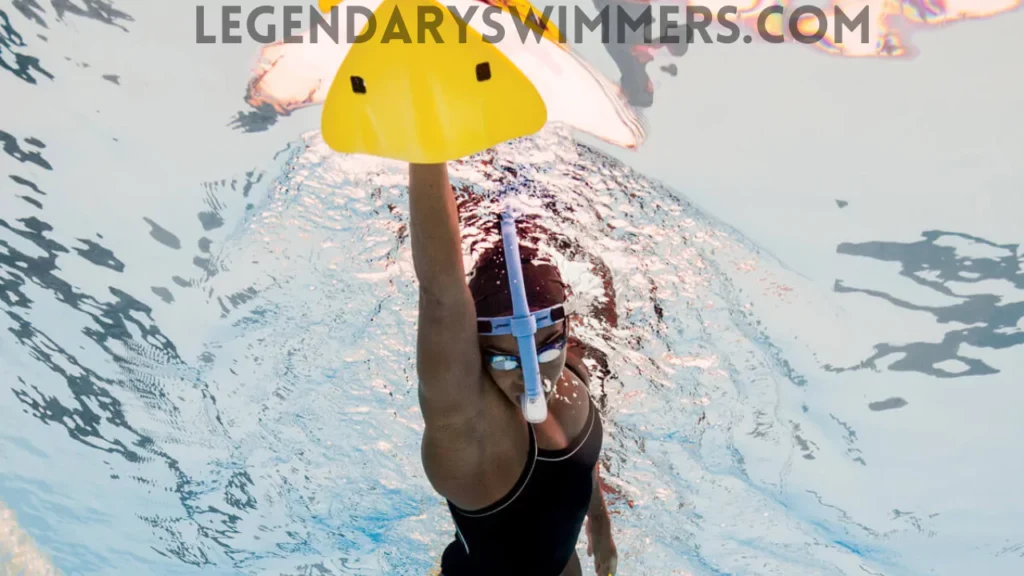
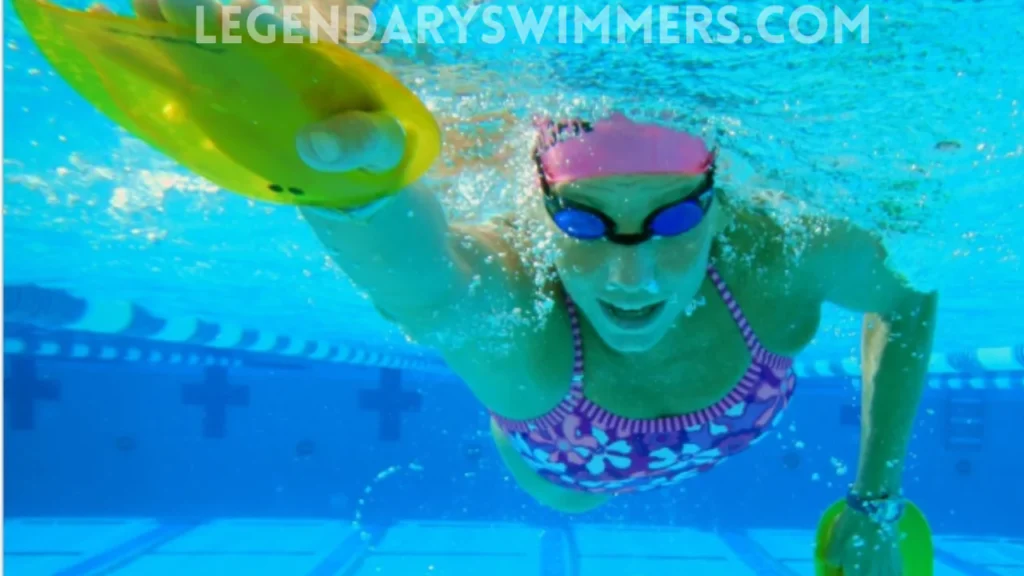
Swimming’s pull strength separates average swimmers from champions. At Legendaryswimmers, we understand that improving your pull strength isn’t just about being stronger; it’s about executing the right swimming technique and strength training. Whether you’re a competitive swimmer or improving for fitness, these tactical approaches will help you dominate the water Why Is Pull Strength Crucial in Swimming? A strong pull directly influences your speed, endurance, and efficiency. Here’s how it works: Powerful Catch: Initiating a high-elbow position increases water grip. Efficient Pull-Through: Proper pull mechanics ensure maximum propulsion. Effective Finish: Completing the stroke boosts momentum. Data shows that the pull phase generates 70% of a swimmer’s propulsion in freestyle. Strengthening this phase isn’t optional; it’s mandatory. 1. Master the Early Vertical Forearm (EVF) The Early Vertical Forearm (EVF) is a cornerstone of elite swimming. Here’s what you need to know: What Is EVF? It’s when your forearm aligns vertically during the pull, creating a larger surface area to push water backwards. How to Practice: Perform sculling drills to improve the water feel. Use a snorkel and focus on your arm position during catch drills. EVF drills are critical because research highlights that swimmers with proper EVF experience a 30% improvement in efficiency. 2. Dryland Strength Training for Pull Power Dryland exercises target the key muscles responsible for your pull strength: Pull-Ups: Develop your latissimus dorsi and improve grip strength. Dumbbell Rows: Focus on one-arm rows to replicate the swimming pull motion. Medicine Ball Slams: Build explosive power for a stronger finish. Plank Variations: Strengthen your core and improve body stability. Resistance Band Rows: Mimic the pulling motion with added resistance. According to Surge Strength’s 2022 Report, swimmers who integrate dryland training see a 25% improvement in water propulsion. 3. Key Swimming Drills to Enhance Pull Strength Targeted swimming drills build technique and strength simultaneously: Sculling Drills: Improves water feel during the pull phase. Paddle Swimming: Increases resistance for muscle engagement. Pull Buoy Sets: Isolate upper body motion and refine technique. Single-Arm Freestyle: Enhances focus on each arm’s pull strength. Pro Tip: Perform paddle swimming at 60% effort to avoid overloading your shoulders. 4. Optimize Shoulder Mobility and Core Stability Shoulder mobility and core strength are foundational for an effective pull: Dynamic Shoulder Stretches: Prevent injuries and improve range of motion. Rotator Cuff Strengthening: Use light weights or resistance bands. Core Stability Workouts: Include planks, leg raises, and rotational exercises. Statistics show that swimmers with strong cores reduce drag by 20%, improving efficiency. 5. Advanced Techniques for Competitive Swimmers For those aiming for competitive excellence, these advanced strategies can provide an edge: Underwater Video Analysis: Identify inefficiencies in your pull mechanics. Drag Reduction Workouts: Focus on streamlining body position to maximize propulsion. High-Intensity Interval Training (HIIT): Combine speed drills with pull-focused sets for endurance. Weighted Vest Training: Integrate this during dryland sessions to build explosive power. Studies indicate that swimmers who engage in high-intensity pull-focused training see a 15% increase in race performance within 8 weeks. 6. Equipment to Enhance Pull Strength Using the right tools can accelerate your progress: Swim Paddles: Add resistance to refine pull technique. Parachutes or Drag Socks: Increase water resistance during swim sets. Pull Buoy: Isolate upper body strength. Snorkels: Focus purely on arm movement without worrying about breathing mechanics. Pro Tip: Gradually increase resistance levels to avoid overtraining and shoulder strain. 7. Recovery and Injury Prevention A strong pull requires healthy shoulders and arms. Focus on: Post-Workout Stretching: Target lats, triceps, and shoulders. Foam Rolling: Release muscle tension and improve mobility. Injury Prevention Drills: Include rotator cuff stability exercises. According to NIH research, swimmers who incorporate recovery into their routine reduce their risk of shoulder injuries by 40%. 8. Common Pull Mistakes and How to Fix Them Avoid these pitfalls: Dropping Elbows: Leads to weak pulls. Solution: Practice EVF drills. Short Pull-Throughs: Reduces propulsion. Solution: Use fins during technique-focused drills. Misaligned Body: Increases drag. Solution: Incorporate core-strengthening dryland exercises. 9. Real-World Data: Performance Improvements Studies back the importance of a structured pull-strength program: Research by USA Swimming: Athletes focusing on pull strength improved their lap times by an average of 1.5 seconds per 50 meters. Surge Strength Training Program: Swimmers reported a 25% increase in upper-body endurance within 6 weeks. Biomechanics Institute Findings: Swimmers who corrected EVF mechanics saw a 20% improvement in propulsion efficiency. Training Plans Tailored for Different Levels Beginner Plan: Frequency: 2 times a week. Drills: Focus on sculling and pull-buoy sets. Dryland: Light resistance bands and core exercises. Intermediate Plan: Frequency: 3 times a week. Drills: Paddle swimming, single-arm freestyle. Dryland: Pull-ups, medicine ball slams, and moderate resistance training. Advanced Plan: Frequency: 5 times a week. Drills: High-resistance paddles, drag workouts. Dryland: Weighted vests, explosive strength training. FAQs Q1. How often should I do strength training for swimming? – Ideally, 2-3 sessions per week, focusing on swimming-specific exercises like pull-ups and rows. Q2. Can resistance bands improve swimming pull strength? – Absolutely. They replicate the pulling motion and build endurance in key muscles. Q3. How long does it take to see improvements? – With consistent practice, you can notice measurable changes in 4-6 weeks. Q4. What muscles are most important for pull strength? – The latissimus dorsi, deltoids, triceps, and core muscles are critical. Q5. Can poor shoulder flexibility limit my pull strength? – Yes. Tight shoulders reduce your range of motion, affecting technique and power. Recommended Product Speedo Unisex-Adult Swim Training Pull Buoy

How Do You Increase Pull Strength in Swimming? Expert Tips Read More »

Waterproof Earplugs for Swimming Comfort

Waterproof Earplugs for Swimming Comfort: A Complete Guide

Swimmers, divers, surfers, and anyone involved in aquatic activities know that one of the most frustrating problems they face is ear discomfort. Whether you’re training hard in the pool, snorkeling in the ocean, or just enjoying a swim, water getting stuck in your ears is more than just annoying— it can lead to painful infections.  Our guide to waterproof earplugs for swimming comfort will help you choose the best earplugs that fit your specific needs, from swim training accessories to more child-friendly options. Why Waterproof Earplugs for Swimming Are Essential for Comfort and Protection Water in the ears is a common problem, and without the right protection, it can lead to a host of issues. Many swimmers struggle with swimmer’s ear, an infection caused by trapped moisture, bacteria, and fungi. This is where comfortable earplugs come in handy. Not only do they offer a waterproof seal, but they also provide noise reduction, making your swim more enjoyable and safe. Prevent Swimmer’s Ear: By creating a barrier between your ear canal and the water, waterproof earplugs can prevent moisture from causing infection or irritation. Avoid Discomfort: Whether you’re swimming in a pool, the ocean, or taking a shower, earplugs keep your ears dry, improving comfort and allowing you to focus on your performance. Noise Reduction: For swimmers who need some quiet while in the water, earplugs can block out noise, giving you a peaceful experience. According to National Institutes of Health swimmers who regularly used earplugs reported a 25% reduction in ear infections compared to those who didn’t use ear protection. Incorporating swimming ear protection into your gear is an investment in long-term ear health and swimming comfort. Types of Waterproof Earplugs for Swimming Not all earplugs are created equal. When choosing the best waterproof earplugs for your needs, there are several options to consider based on the type of swimming or aquatic activity you engage in. 1. Silicone Earplugs Best for: Comfort, snug fit, durability Key Features: These earplugs are soft and moldable, ensuring a secure fit. Silicone earplugs are ideal for blocking water while remaining comfortable for extended periods. Ideal for: Competitive swimmers, recreational swimmers, and anyone who frequently engages in aquatic activities. 2. Custom Fit Earplugs Best for: Maximum comfort and personalization Key Features: These earplugs are molded specifically for your ear shape, providing a custom fit that ensures a leak-proof seal. Ideal for: Swimmers who are sensitive to fit or those who have had issues with standard earplugs. 3. Pre-Made Foam Earplugs Best for: Budget-conscious swimmers Key Features: Made from flexible foam, these earplugs are easy to insert and form to your ear canal, offering water resistance at a lower price point. Ideal for: Casual swimmers and those looking for a simple, cost-effective solution. 4. Child-Friendly Waterproof Earplugs Best for: Young swimmers Key Features: These earplugs are designed with smaller ear canals in mind and are made from hypoallergenic materials to prevent irritation. Ideal for: Kids and parents who want to protect young swimmers from water-related ear problems. Key Factors to Consider When Choosing Waterproof Earplugs for Swimming The right pair of swimming earplugs depends on several factors. Here’s a breakdown of what to consider: 1. Material and Comfort Silicone is often the best material for comfort and water resistance. It molds well to the shape of your ear canal, providing a comfortable fit. Foam earplugs are softer but might not provide as tight a seal. If you’re looking for long-lasting comfort during extended swim sessions, silicone earplugs may be your best option. 2. Fit and Seal To effectively block water, earplugs need to form a tight seal in your ear. Custom fit earplugs offer the most reliable seal, but for general use, silicone or foam earplugs are also effective. 3. Durability and Reusability Some earplugs are designed to be reusable, while others are disposable. Silicone earplugs tend to last longer and are easier to clean, making them an excellent investment for frequent swimmers. 4. Noise Reduction If you’re swimming in a noisy environment (e.g., a crowded pool or the surf), earplugs with better noise reduction capabilities can make a difference. Look for earplugs specifically designed to block out noise while still keeping water out. 5. Purpose of Use Swim training accessories may require different features than casual swimming earplugs. Training earplugs should prioritize comfort and an airtight seal, while earplugs for recreational swimmers may emphasize ease of use. Top Waterproof Earplugs for Swimming on the Market When it comes to choosing the best waterproof earplugs for swimming, you’ll find a wide range of options. Below are some of the most highly recommended products based on customer reviews and expert ratings: Mack’s AquaBlock Swim Earplugs Pros: Customizable fit, hypoallergenic silicone, durable, and reusable Cons: Might be difficult for beginners to insert Ideal for: Competitive swimmers and frequent swimmers looking for a high-quality option. Speedo Ergo Earplugs Pros: Ergonomically designed for comfort, easy to insert, effective water barrier Cons: Some swimmers find them less durable than silicone options Ideal for: Recreational swimmers and those seeking reliable ear protection. Hearos High Fidelity Swim Earplugs Pros: Soft foam material, excellent noise reduction, affordable Cons: Not as durable as silicone Ideal for: Casual swimmers and those looking for a simple, budget-friendly solution. How to Properly Use Waterproof Earplugs for Swimming Using waterproof earplugs correctly is essential for ensuring they perform their best. Here’s how to get the most out of your earplugs: 1. Insertion and Removal Gently insert the earplug into your ear canal without forcing it. For custom earplugs, ensure they’re properly molded to avoid discomfort. To remove, carefully pull on the earplugs using the outer part of the ear. Avoid pulling too hard, as this can damage the earplugs. 2. Cleaning and Maintenance Rinse your earplugs with fresh water after each use to prevent buildup of dirt and bacteria. Use mild soap for deeper cleaning. Let the earplugs dry thoroughly before storing them in a case to maintain their shape and durability. 3. Avoid Using Damaged Earplugs Check

Waterproof Earplugs for Swimming Comfort: A Complete Guide Read More »

Best Goggles for Open Water Swimming | Expert Guide

Best Goggles for Open Water Swimming | Expert Guide 2025

Swimming in open water can be an exhilarating experience, but the right goggles are essential for safety, comfort, and performance. Let’s dive into everything you need to know to select the perfect pair. Challenges of Open Water Swimming Unlike controlled environments like pools, open-water swimming presents unique challenges that demand specialized equipment. Here are some key factors: Visibility: Open water conditions often include murky waters or intense sunlight, making clear lenses or polarized goggles critical. Environmental Factors: Waves, currents, and floating debris necessitate goggles with a secure fit and durability. Safety: Peripheral vision is crucial for spotting buoys, other swimmers, or obstacles in the water. Weather Variability: Rapidly changing weather conditions, including glare from the sun, fog, or rain, can hinder vision. Selecting adaptable goggles ensures a safer swim. Interesting Fact: According to the World Open Water Swimming Association (WOWSA), most of open water swimmers report visibility as their top challenge. Key Features to Look for in Open Water Swimming Goggles 1. Lens Type and Tint Polarized Lenses: Reduce glare from sunlight reflecting off the water, enhancing clarity. Tinted Lenses: Amber or blue tints work well in various lighting conditions, balancing brightness and contrast. Clear Lenses: Ideal for low-light swims, such as early mornings or cloudy days. These provide maximum visibility without darkening the view. Expert Tip: Dr. Alice Kim, an ophthalmologist, advises, “Polarized lenses not only reduce glare but also protect against UV exposure, which can lead to long-term eye damage.” 2. UV Protection Extended exposure to sunlight can damage your eyes, especially during long swims. Goggles with UV-blocking capabilities are critical for maintaining ocular health. A study by the American Academy of Ophthalmology highlighted that UV-blocking lenses reduce the risk of cataracts. 3. Anti-Fog Features Look for goggles with a reliable anti-fog coating. Many premium goggles now come with pre-applied coatings. Using anti-fog sprays before each swim can extend the effectiveness of the goggles. Maintenance Tip: Avoid touching the inner surface of the lens, as this can strip the anti-fog coating. Rinse the goggles gently after every swim. 4. Fit and Comfort Silicone gaskets and adjustable straps ensure a secure fit without causing discomfort. For long-distance swims, softer gaskets help minimize pressure on the orbital bone. Test goggles by gently pressing them against your eyes without the strap. Proper suction indicates a good seal. 5. Strap Adjustability A secure, adjustable strap keeps goggles in place during intense swims. Double straps, often found in professional-grade goggles, distribute pressure evenly for a better fit. Insight: Double-strap systems are particularly helpful in turbulent open water conditions, where consistent tension is essential. 6. Durability High-quality materials, such as polycarbonate lenses and silicone seals, ensure longevity. Scratch-resistant coatings prevent lens damage, particularly in sandy or rocky environments. Personalizing Your Goggles Face Shape and Size Swimmers with smaller faces benefit from low-profile designs, which reduce drag. Those with wider or higher nose bridges should consider goggles with adjustable nose pieces. Swimming Frequency and Environment Competitive swimmers may need specialized goggles for different environments, such as tinted lenses for ocean swims and clear lenses for indoor use. Casual swimmers should prioritize versatile goggles suitable for varying conditions. Top-Rated Goggles for Open Water Swimming Magic 5 Goggles: Known for their custom fit using face-scanning technology. These are ideal for competitive swimmers looking for an unparalleled fit. Roka R1 Goggles: Feature advanced anti-fog and UV-blocking technology, suitable for long-distance ocean swims. Speedo Fastskin Hyper Elite: Trusted by professionals for its sleek design and wide field of vision. Arena Cobra Ultra Swipe: Combines anti-fog swipe technology with a durable, low-profile fit. Caring for Your Goggles Proper maintenance of your swimming goggles is essential to prolong their lifespan and maintain their performance. Here’s a detailed guide to ensure your goggles stay in top shape: 1. Rinse After Use After every swim, rinse your goggles thoroughly with fresh, cool water. This step helps to: Remove salt, chlorine, and other debris that can corrode or damage the lenses and seals over time. Prevent the build-up of minerals, particularly after ocean swims, which can leave residue on the lenses. Tip: Avoid using hot water as it can damage the anti-fog coating and weaken silicone parts. 2. Store Properly Proper storage is vital to keep your goggles in good condition. Follow these practices: Use a protective case or microfiber pouch to prevent scratches, dust, and exposure to direct sunlight. Ensure the goggles are dry before storing them to avoid mould or mildew growth. Avoid tossing them loosely into your bag where they might get crushed or damaged by other items. Tip: Some high-end goggles come with ventilated cases designed to promote airflow, reducing moisture retention. 3. Avoid Chemicals Chemicals such as sunscreen, cleaning agents, and body lotions can degrade the anti-fog coating and damage silicone components. Take precautions by: Apply sunscreen or lotions well before wearing your goggles. Wash your hands thoroughly before touching the goggles, especially the lenses. 4. Handle Lenses with Care The inner lens surface, where the anti-fog coating is applied, is particularly delicate. To preserve its effectiveness: Do not rub or touch the inner lenses, as even fingerprints can strip the coating. If cleaning is necessary, use a soft microfiber cloth or rinse with fresh water—never abrasive materials or tissues. 5. Periodic Deep Cleaning Over time, grime and oils may build up on your goggles. Perform a deep clean occasionally by: Soaking the goggles in a mild soap solution for a few minutes (use a gentle soap free from harsh chemicals). Gently scrubbing the straps and gaskets with your fingers or a soft brush. Thoroughly rinsing to remove all soap residue and leaving them to air dry. Tip: Avoid submerging goggles with electronic or detachable components in water; follow the manufacturer’s cleaning instructions for such models. 6. Check for Wear and Tear Inspect your goggles regularly for signs of damage: Look for cracks or wear in the silicone seals, which can compromise the fit and lead to leaks. Check for scratches on the lenses that may impair visibility.

Best Goggles for Open Water Swimming | Expert Guide 2025 Read More »

Replacing Gym Workouts With Kickboard Swimming: Is It Effective?

Replacing Gym Workouts With Kickboard Swimming: Is It Effective?

Swimming is widely recognized as one of the most efficient exercises for cardiovascular health, muscle toning, and endurance building. By incorporating a kickboard, swimmers can isolate the lower body, turning a traditional swim into a focused workout for the legs and core. This focused training not only improves swimming technique but also provides a full-body, low-impact workout that’s perfect for people of all fitness levels. Let’s dive into the details and explore how swimming with a kickboard measures up against traditional gym workouts. Why Kickboard Swimming is Worth Considering Swimming with a kickboard offers a variety of benefits, and it’s important to understand what makes this activity unique. A kickboard is a simple yet effective tool that isolates the lower body during swimming. Instead of using your arms, you hold onto the kickboard, focusing solely on leg movements. This technique has several advantages: Isolated Muscle Engagement: By removing arm movements, a kickboard workout targets specific muscles, including the glutes, quads, hamstrings, and calves. It’s a great way to develop lower-body strength. Cardio and Strength Combined: Swimming is an excellent cardiovascular workout, and kickboard exercises take it up a notch by combining cardio with muscle endurance training. Low-Impact Training: Unlike running or weightlifting, kickboard swimming is gentle on the joints, making it ideal for people recovering from injuries or with chronic joint pain. Reference Tactics: A study published in the Journal of Sports Medicine and Physical Fitness found that water-based exercises reduce joint strain by up to 80% compared to land-based activities. Additionally, reviews from the swimming community on SwimOutlet highlight how kickboard drills have significantly improved endurance and leg strength in both amateur and professional swimmers. How Kickboard Swimming Measures Up to Gym Workouts Let’s get into how kickboard swimming compares to traditional gym exercises. While both activities have their own set of strengths, here’s a side-by-side look at their key differences: Muscle Development: Gym workouts rely on weights and machines to build muscle bulk. Kickboard swimming, on the other hand, focuses on endurance and toning. For people trying to build significant muscle mass, the gym remains essential. Cardiovascular Fitness: Kickboard swimming is a better alternative than running for cardiovascular health, thanks to the added resistance provided by water. Calorie Burn: A 30-minute kickboard session can burn between 300-400 calories, depending on your intensity and body weight, making it comparable to a treadmill run or HIIT workout. Joint Health: Gym exercises, especially high-impact activities, can strain your joints over time. Swimming’s low-impact nature makes it a better option for long-term joint health. Benefits of Swimming With a Kickboard Builds Lower-Body Strength Kickboard swimming is a targeted workout for the lower body. By isolating the legs, it forces your muscles to work harder against the resistance of water. Over time, you’ll notice improvements in: Leg Power: Regular swimming with a kickboard builds explosive strength in your quads and calves. Endurance: Your legs will last longer during other physical activities thanks to increased stamina. Agility: Kickboard swimming improves coordination and balance, which is essential for both swimmers and non-swimmers. Improves Cardiovascular Health One of the standout benefits of swimming with a kickboard is its impact on your heart health. By continuously moving against water’s resistance, your heart works harder, improving its efficiency. Research from the American Heart Association confirms that swimming regularly can lower blood pressure by up to 9%. Enhances Swimming Technique A kick board can actually help your technique by forcing you to focus on the efficiency of your leg movements. Holding onto the board keeps your upper body stable, allowing you to fine-tune your kicks and improve your body’s alignment in the water. This is particularly useful for beginners who want to develop proper swimming habits The Limitations of Kickboard Swimming While kickboard swimming offers numerous benefits, it’s not a complete replacement for gym workouts. Here are some of its limitations: Lack of Upper-Body Engagement: Swimming with a kickboard isolates the lower body, so your arms, shoulders, and chest don’t get the workout they would in a gym session. Limited Muscle Hypertrophy: Building muscle bulk requires significant resistance, which is difficult to achieve in water without specialized equipment. Access Challenges: Not everyone has easy access to a pool, and maintaining a consistent swimming routine can be challenging without one. Skill Requirement: For beginners, swimming can be intimidating, and mastering the use of a kickboard takes time. Reference Data: A study published in Health & Fitness Weekly revealed that while swimming can burn more calories per hour than weightlifting, it falls short in stimulating muscle hypertrophy. For best results, experts recommend combining both activities (source: Health & Fitness). Combining Kickboard Swimming With Gym Training Instead of choosing between swimming and the gym, why not do both? A hybrid approach allows you to enjoy the best of both worlds: Cardio Days: Use swimming to build cardiovascular endurance and burn calories. Strength Days: Focus on upper-body strength with gym equipment. Recovery Days: Kickboard swimming is perfect for active recovery, helping you stay active without overloading your body. FAQs Q: How Many Calories Does Kickboard Swimming Burn? A: On average, kickboard swimming burns 300-400 calories in 30 minutes, depending on your intensity. This is comparable to running or cycling. Q: Can Kickboard Swimming Build Muscle? A: Kickboard swimming can help tone muscles and build endurance, but it’s not ideal for hypertrophy. For muscle growth, combine it with gym-based strength training. Q: Is Kickboard Swimming Safe for People With Injuries? A: Yes, swimming is a low-impact activity, making it safe for most people recovering from joint or muscle injuries. However, always consult with a healthcare professional before starting any new exercise routine. Q: How Often Should I Include Kickboard Swimming in My Routine? A: For noticeable improvements in strength, endurance, and technique, aim to include kickboard swimming 2-3 times per week. Q: What Is the Best Kickboard for Training? A: The TYR Kickboard is a popular choice among swimmers. It’s lightweight, durable, and designed to provide optimal buoyancy for practical training Practical Tips

Replacing Gym Workouts With Kickboard Swimming: Is It Effective? Read More »

Is Swim Snorkel Good for Beginners? Expert Insights (2025)

Is Swim Snorkel Good for Beginners? Expert Insights (2025)

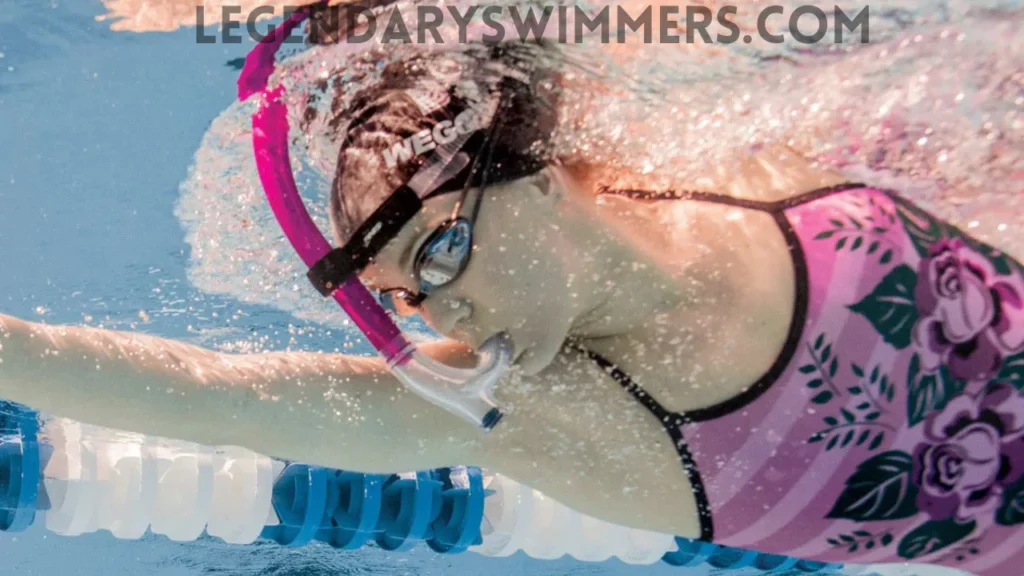
If you’re new to swimming, mastering the basics can feel like a daunting task. The constant need to synchronize your breathing with your stroke can quickly turn your practice sessions into stress-filled workouts. But there’s a solution: swim snorkels. These essential training tools are not just for professional swimmers; they are perfect for beginners too! In this expert and comprehensive guide, we will dive into how swim snorkels can revolutionize your swimming practice, making it easier and more effective. Why Should Beginners Use a Swim Snorkel? As a beginner swimmer, learning the correct swimming form is just as important as mastering breathing techniques. The swim snorkel solves one of the most common struggles faced by new swimmers: coordinating your breathing tube with your stroke. By allowing you to breathe without turning your head to the side, the snorkel for swimming lets you focus entirely on perfecting your swimming technique. You can stop worrying about awkwardly gasping for air or mistiming your breaths during each stroke. Instead, you’ll have the luxury of uninterrupted breathing through the snorkel tube, giving you more mental space to refine your movements. This simple but effective tool will help you with three fundamental aspects of swimming: form, breathing, and body position. How a Swim Snorkel Enhances Your Swimming Form For beginners, having proper swimming form is crucial. Snorkels help swimmers maintain a stable and streamlined position in the water. When you use a swim snorkel, you keep your face in the water without the need to turn your head to breathe. This helps maintain a straight line from your head to your toes, which reduces drag and makes swimming less tiring. This is particularly helpful when you’re still getting the hang of your finning technique. By focusing on your stroke mechanics without the distraction of head movements, you’ll soon notice improvements in your swimming posture. The snorkel enables you to practice the essential technique of staying flat and balanced in the water. Your muscles will begin to remember the correct position, which will make it easier to maintain good form, even when you swim without the snorkel Breathe Easier and Build Endurance One of the major benefits of using a swim snorkel is that it lets you control your breathing more effectively. Beginners often struggle with the timing of their breath, which can cause fatigue and disrupt their rhythm. A breathing tube like the swim snorkel takes that burden off your shoulders. By breathing continuously through the snorkel, you’ll be able to practice a steady breathing rhythm, which naturally builds your endurance. As your body gets used to regular oxygen intake, your overall swimming performance will improve. Plus, you won’t feel as anxious about running out of breath or struggling to maintain your swim strokes. Maintaining Proper Body Position in the Water For many beginners, staying horizontal and straight in the water can be a challenge. If your head is constantly turning to breathe, your body position may become misaligned, causing drag and making swimming more difficult. The snorkel solves this problem by allowing you to keep your head in a neutral, aligned position while swimming. This gives you a chance to focus on your core strength and develop the necessary muscle memory to keep your body in the correct position. With the added benefit of snorkel vests, your buoyancy will be better controlled, which improves your overall comfort in the water. Maintaining a streamlined body position is key to swimming efficiency, and the snorkel allows you to hone this skill before you start worrying about breathing techniques. What Are the Long-Term Benefits of Using a Swim Snorkel? When you practice with a swim snorkel, you’re not just improving in the short term — you’re setting yourself up for long-term success in the pool. Here’s how it helps: Immediate Benefits: When you first start, you’ll feel more confident in the water because breathing becomes automatic. You no longer need to worry about turning your head for air, which means you can focus on learning the right swimming techniques and body positioning. Progressive Benefits: As you continue practising, you’ll be able to refine your stroke and kicking technique without worrying about timing your breath. The snorkel tube lets you fine-tune the finer details of your swimming mechanics, such as arm movements and leg kicks, at your own pace. Long-Term Benefits: Eventually, the goal is to swim without the snorkel. But by this point, your muscles will have learned proper technique and breathing patterns. You’ll be able to swim confidently, knowing that you have the skills to breathe and move efficiently even without the snorkel. Key Considerations for Using a Swim Snorkel Effectively While the swim snorkel is an invaluable tool, there are some things you should be aware of to get the most out of it: Comfortable Fit: Ensure that your snorkel fits well and doesn’t cause discomfort, especially around your mouth and nose. A snorkel vest can help with buoyancy and provide additional support. Avoid Over-Reliance: While the snorkel is great for building proper technique, don’t become overly dependent on it. Make sure to practice swimming without the snorkel at intervals to ensure you can switch back to traditional breathing without difficulty. Maintenance: Regularly clean your snorkel and goggles to ensure there’s no buildup of salt or bacteria, which can affect your visibility underwater. This also ensures that your equipment is functioning optimally, without fogging up or causing discomfort during practice. FAQs Q: Is a swim snorkel only for competitive swimmers? A: No! Swim snorkels are perfect for beginners too. They help you master basic swimming skills, like body positioning and breathing, without the added challenge of coordinating your breath with your strokes. Q: How long should I practice with a swim snorkel? A: Start with short sessions of about 10-15 minutes. As you get more comfortable, you can gradually increase the time. Make sure to mix snorkel drills with traditional swimming to avoid over-reliance. Q: Can a snorkel improve my endurance? A: Yes! By

Is Swim Snorkel Good for Beginners? Expert Insights (2025) Read More »

Beach Swimming 101: How to Stay Safe in the Ocean (2025)

Beach Swimming 101: How to Stay Safe in the Ocean (2025)

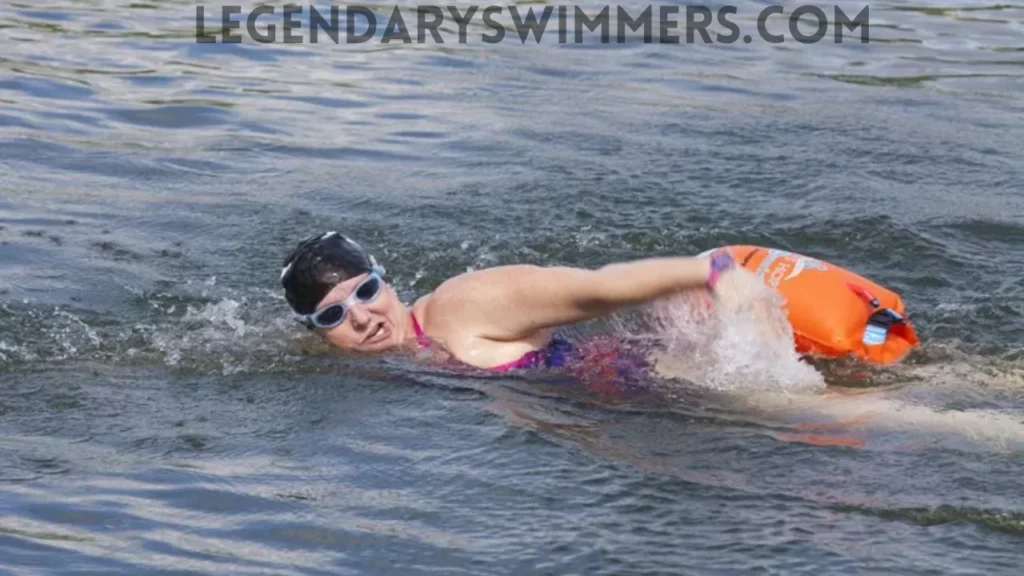
Whether you’re planning a beach vacation or just a day trip to the coast, swimming in the ocean is an exhilarating experience. The salty water, the vast horizon, and the rhythmic sound of the waves create a sense of freedom and adventure. However, ocean swimming can also pose significant risks if you’re not prepared. Unlike pool swimming, the ocean is a dynamic environment with unpredictable waves, currents, marine life, and weather conditions that can turn dangerous quickly. According to the Centers for Disease Control and Prevention (CDC), the majority of all drowning deaths in the U.S. occur in open water, including oceans, lakes, and rivers. Among adolescents aged 14–17, the highest percentage of drowning fatalities happen in the ocean. This guide is here to provide you with expert insights and practical tips to ensure you can enjoy the ocean safely, whether you’re a seasoned swimmer or a beginner. By understanding the various dangers and learning how to recognize hazards, you’ll be able to swim in the ocean with confidence and reduce your risk of accidents. Understanding the Ocean Environment 1. The Power of Waves and Currents The ocean’s currents and waves are powerful forces that can quickly take you by surprise. Whether you’re swimming for leisure or exercise, it’s important to recognize the potential dangers of the ocean’s natural elements. Waves are often what first attract people to the ocean, but they can be deceptively dangerous. Waves are created by wind, and their size and strength can vary based on several factors such as wind speed, the shape of the coastline, and the time of year. Large waves can knock you off balance, pull you under, or make it difficult to swim back to shore. Rip Currents are another significant danger in the ocean. These powerful currents flow away from the shore and can pull even the strongest swimmers out into deeper water. According to the United States Lifesaving Association (USLA), rip currents account for 80% of all rescues performed by lifeguards at surf beaches. It’s crucial to recognize these currents and know how to respond if caught in one. 2. Understanding Marine Life Risks While many people worry about shark attacks when swimming in the ocean, they are extremely rare. According to the International Shark Attack File (ISAF), there were only 33 unprovoked shark attacks worldwide in 2020. However, other marine creatures pose more immediate threats to swimmers. Jellyfish stings can cause intense pain and in some cases, can be life-threatening, particularly species like the box jellyfish. If you are stung, it’s essential to exit the water immediately and seek medical attention if necessary. Sea urchins, stingrays, and barracudas can also pose risks, so be mindful of your surroundings when swimming or wading in the ocean. 3. Weather and Environmental Factors Weather conditions at the beach can change rapidly, and not all signs of danger are obvious. Thunderstorms can bring lightning, which is a serious risk when you’re in the water. Additionally, harmful algal blooms, known as “red tides,” can release toxins into the water that may cause skin irritation or respiratory issues. Be sure to check local advisories to ensure the water is safe for swimming. Preparing for Ocean Swimming 1. Know Your Swimming Limits Before heading into the ocean, assess your swimming abilities honestly. The ocean is a much more challenging environment than a pool, and even strong swimmers can find themselves in trouble if they are not careful. If you are not confident in your swimming skills, consider taking swimming lessons or even enrolling in ocean safety courses. The American Red Cross offers a variety of resources to help swimmers prepare for open-water environments. If you’re new to ocean swimming, start in shallow water where you can easily stand and gradually work your way out as you become more comfortable. 2. Swim in Designated Areas Where you swim can make a significant difference in your safety. Look for designated swimming areas, especially those supervised by lifeguards. These areas are typically marked with buoys or flags to keep swimmers safe from dangerous currents and other hazards. If no lifeguard is present, avoid swimming at all. Always swim near the shore so you can quickly get back to land if needed. The further you swim from the shore, the more likely you are to encounter stronger currents and waves that can be difficult to navigate. 3. Use the Buddy System No matter how experienced you are as a swimmer, never swim alone. Having a buddy with you can be life-saving in the event of an emergency. If you or your companion get into trouble, you can signal for help, or your buddy can assist you. 4. Learn to Recognize and Escape Rip Currents Rip currents are one of the biggest threats to beach swimmers. These fast-moving channels of water pull swimmers away from the shore, and it can be hard to swim against them. Here’s how to spot and handle rip currents: Signs of a Rip Current: Look for areas where the waves are not breaking, foam on the water, or seaweed being pulled away from the shore. Escape Strategy: If caught in a rip current, do not waste energy trying to swim directly back to shore. Instead, swim parallel to the shore to escape the narrow current. Once you are out of the rip, swim at an angle back to the beach. Beach Safety Tips to Keep in Mind 1. Pay Attention to Beach Flags and Signs Beaches often display warning flags that indicate current conditions. These flags serve as visual cues to help swimmers stay safe: Double Red Flag: Water is closed to the public, and swimming is prohibited. Red Flag: High hazard due to strong waves or currents. Yellow Flag: Moderate hazard; exercise caution. Green Flag: Low hazard; safe swimming conditions. Purple Flag: Presence of dangerous marine life like jellyfish or stingrays. Always read the posted signs and follow the lifeguards’ instructions. They are trained to identify hazards and help ensure your safety. 2.

Beach Swimming 101: How to Stay Safe in the Ocean (2025) Read More »

Wildfire Effects on Water Quality and Swimming Pools- Cleaning Tips

Wildfire Effects on Water Quality and Swimming Pools- Cleaning Tips

Wildfires have devastating effects not only on the landscapes and communities they directly impact but also on the environment surrounding them. While the destructive power of wildfires is often measured in terms of lives lost and homes destroyed, an equally concerning consequence is their impact on water quality—especially for swimming pools. If you live in areas prone to wildfires, such as California, parts of the Pacific Northwest, or the Southwestern United States, understanding the way these fires affect the water in your pool and how to address contamination is crucial. This article explores the effects of wildfires on swimming pool water quality, the science behind the pollutants introduced into pools, and practical solutions to mitigate the damage. We will delve into the types of contaminants wildfires introduce into water, how they affect pool chemistry, and expert-recommended strategies for pool owners to manage the aftermath of a wildfire. How Wildfires Impact Swimming Pools Wildfires, even those that are miles away, can have severe consequences for the water quality in swimming pools. The primary pollutants that enter pools during a wildfire include soot, ash, and other debris, but the contamination doesn’t stop there. Compounds like carbon, nitrogen, and phosphates—often associated with wildfire smoke and ash—pose significant challenges for pool owners and operators. These contaminants can alter the chemical balance of the pool and affect both the safety and aesthetics of the water. Key Pollutants: Carbon Compounds: When organic materials burn in a wildfire, they release carbon into the atmosphere in various forms, including carbon dioxide and carbon monoxide. These carbon compounds can enter the pool through smoke and ash, raising chlorine demand and requiring extensive treatment. Nitrogen Compounds: Nitrogen, often present in the form of nitrates and nitrites, is a byproduct of combustion. These compounds can cause an increase in algae growth and disrupt the nitrogen cycle in pools. Phosphates: Wildfire smoke and ash carry significant levels of phosphates, which are notorious for encouraging algae growth in pools. Phosphates can also make it more difficult for chlorine to sanitize the pool effectively. The severity of the contamination can vary greatly depending on the proximity to the fire, prevailing winds, and weather patterns. For example, if you can smell smoke or notice hazy air, there’s a good chance your pool has been affected. Ash, Soot, and Char: Understanding the Differences While “ash” and “soot” are often used interchangeably when discussing wildfire byproducts, they are chemically distinct materials. Understanding their differences is crucial for effectively managing the cleanup process in your swimming pool. Soot: This fine, carbonaceous material forms during incomplete combustion. It is primarily made up of carbon and can settle in pools, raising chlorine demand and causing filtration issues. Char: These are the larger, irregular fragments of burned material. Char is mostly composed of carbon but remains in a more solid form compared to soot. Ash: Ash is the decarbonized residue left after the combustion of organic materials. It is composed mainly of inorganic compounds, including mineral salts, carbonates, and oxides. The fine dust that settles into your pool is typically a mix of soot and ash, which complicates the task of maintaining water chemistry. Not only do these contaminants affect chlorine efficiency, but they can also disrupt the pH balance of your pool, making the water more alkaline. Airborne Ash and Smoke: How Far Do They Travel? One of the most concerning aspects of wildfires is the long-range travel of smoke and ash. These particles can travel hundreds or even thousands of miles from the source of the fire. For example, smoke from wildfires in Canada has been known to affect air quality across large parts of the United States. As the ash and smoke travel, they settle into water sources—including swimming pools—along the way. Pools in regions affected by wildfire smoke may experience chemical imbalances due to airborne pollutants. This includes increased nitrogen, phosphate, and carbon levels, which make it more difficult for pool owners to maintain clean and clear water. The farther a pool is from the fire, the less severe the impact, but it’s still essential to be aware of potential contamination even if you’re not in the immediate vicinity of the fire. The Cleanup Process: Removing Ash and Debris from Pools After a wildfire, pools may accumulate significant debris such as ash, char, and other particles. This debris needs to be removed promptly to prevent further contamination and to maintain the efficiency of the pool’s filtration system. Steps for Cleaning Wildfire Debris from Pools: Physical Removal: Ash and debris must be removed manually, as relying on a pool’s filtration system alone will not be sufficient. Use a mesh net with a finer micron rating to capture the small particles. This may require a specialized net, as typical pool nets are designed to capture larger debris. Vacuuming and Filtration: After physically removing debris, vacuum the pool and ensure that the filtration system is working efficiently. This will help clear out any remaining particles in the water. Cleaning the Deck: The pool deck may also collect ash and soot, so cleaning it with a garden hose can prevent additional contaminants from entering the water when the wind picks up. The Role of Fire Retardants in Pool Contamination In areas where firefighting efforts are intensive, fire retardants may be used to help control the blaze. These retardants often contain high levels of ammonium phosphate and other fertilizers. While they are effective at combating fires, these chemicals can also find their way into pools, especially if they are located near areas where firefighting aircraft are deployed. Fire retardants contain phosphates, which, as mentioned earlier, are harmful to pool water. If you notice a significant increase in algae growth or cloudiness in your pool after a wildfire, it could be due to these chemicals. In such cases, draining and refilling the pool may be the most effective way to address the issue. Proactive Pool Chemistry Against Wildfire Contamination It is essential for pool owners to be proactive in maintaining pool water

Wildfire Effects on Water Quality and Swimming Pools- Cleaning Tips Read More »

water safety for children

Water Safety for Children: Expert Insights & Crucial Tactics

Water is a source of fun, relaxation, and exercise, but it also poses significant risks, especially to young children. Each year, thousands of families face the heartbreak of drowning incidents, many of which are preventable. This comprehensive delves into effective strategies for enhancing water safety for children, backed by expert insights and the latest statistics. Understanding the Risks Drowning is the leading cause of accidental death among children ages 1–4, surpassing even traffic accidents. It is a silent disaster that can occur in mere seconds—often without any splashing or screaming to signal distress. The Centers for Disease Control and Prevention (CDC) reports that most drownings among young children happen in home swimming pools. This stark reality underscores the need for vigilance anytime water is nearby, whether it’s a pool, bathtub, or natural body of water. Effective Prevention Strategies 1. Supervised Swimming Constant supervision is the cornerstone of drowning prevention. Designate an attentive adult to keep eyes on children at all times when they are near water. This means no multitasking—no phones, no social media, no books. A focused supervisor can make the difference between a close call and a call to emergency services. 2. Swimming Lessons Swimming skills are essential for safety. The American Academy of Pediatrics recommends swimming lessons for all children starting from the age of one. Lessons significantly reduce the risk of drowning by equipping children with the necessary skills to survive in water. Local swim classes are available through organizations like the Legendary Swimmers Academy, and USA Swimming. 3. Proper Fencing Around Pools According to the American Red Cross, a four-sided fence that isolates the pool from the house and play areas can reduce a child’s risk of drowning by over 50%. These fences should be four feet high with self-closing, self-latching gates. Pool owners should also remove any toys or objects that could attract a child to the pool area when they are not in use. 4. Life Jackets and Safety Gear When it comes to natural water settings such as lakes or rivers, life jackets are a must, regardless of a child’s swimming proficiency. Ensure that the life jackets are U.S. Coast Guard-approved. Floatation devices and toys are not substitutes for a life jacket and should never be relied upon to keep a child safe. 5. CPR Training Knowing CPR can save lives. The time it takes for paramedics to arrive can be critical, so having someone on hand who can perform CPR might be the difference between life and death. Organizations like the American Red Cross and the American Heart Association offer both in-person and online CPR training courses. 6. Awareness of Natural Water Hazards Natural bodies of water come with their own sets of hazards, including unpredictable currents, underwater obstacles, and variable weather conditions. Always use the buddy system, and make sure children swim only in designated areas with lifeguards present. 7. Alcohol and Water Don’t Mix Avoid alcohol consumption during water activities. Alcohol impairs judgment, coordination, and swimming ability, and its effects are magnified by sun exposure and heat. 8. Medication and Medical Conditions Some medications and medical conditions can significantly increase drowning risks. For individuals who are susceptible, such as those with seizure disorders or cardiac conditions, extra precautions should be taken, including one-on-one supervision. 9. Avoid Dangerous Water Practices Discourage dangerous behaviors such as hyperventilating before swimming or extensive breath-holding. These practices can lead to shallow water blackouts, causing even experienced swimmers to drown silently. Conclusion Water safety requires diligence, education, and proactive measures. By understanding the risks and implementing effective strategies, parents and caregivers can significantly reduce the likelihood of drowning incidents. Let’s ensure that water play remains fun and safe for all children by embracing these expert-recommended practices. FAQs 1. Why is drowning such a big concern for children? Drowning is the leading cause of accidental death among children ages 1–4, even more than traffic accidents. It often happens silently in a matter of seconds, without any obvious signs of distress, which makes it especially dangerous. 2. What is the best way to prevent drowning? Constant supervision is crucial. Designate a focused adult to watch children near water at all times. Avoid distractions like phones or books, and ensure the supervisor is always within arm’s reach of the child when in or near water. 3. When should children start swimming lessons? The American Academy of Pediatrics recommends swimming lessons for all children starting at the age of 1. Swimming lessons can significantly reduce the risk of drowning by helping children acquire the skills needed to survive in water. 4. What type of pool fencing is most effective? A four-sided fence that separates the pool from the house and other play areas is highly effective. The fence should be at least four feet high and have self-closing, self-latching gates. This can reduce a child’s risk of drowning by over 50%. 5. Do children need to wear life jackets when swimming in natural bodies of water? Yes, children should always wear U.S. Coast Guard-approved life jackets when swimming in lakes, rivers, or other natural bodies of water. Floatation devices and toys are not safe substitutes for life jackets. 6. What should I do if I witness a drowning incident? Knowing CPR is crucial in this situation. If you’re trained, begin CPR immediately while someone calls emergency services. Time is critical, and your actions could save a life before paramedics arrive. 7. How can I protect my child from water hazards in natural bodies of water? Be aware of the natural water hazards such as unpredictable currents and underwater obstacles. Always swim in designated areas with lifeguards, and use the buddy system. It’s safer when children are accompanied by an adult or another child. 8. Is it safe to drink alcohol around water? No, alcohol and water activities should never mix. Alcohol impairs judgment, coordination, and swimming ability. Its effects are exacerbated by sun exposure and heat, making it even more dangerous. 9. Are there specific medical conditions that increase

Water Safety for Children: Expert Insights & Crucial Tactics Read More »

Can You Swim with Psoriasis? Experts Tips - 2025

Can You Swim with Psoriasis? Experts Tips – 2025

Swimming is a beloved activity that offers numerous health benefits, from improving cardiovascular health to reducing stress. However, for the millions of individuals living with psoriasis, a chronic autoimmune skin condition characterized by red, scaly patches, the thought of swimming can evoke concern. Psoriasis symptoms can vary significantly from person to person, affecting both physical comfort and emotional well-being. This comprehensive guide seeks to clear the waters on whether those with psoriasis can enjoy swimming, backed by expert insights and tips for managing the condition while swimming. Understanding Psoriasis and Swimming Psoriasis affects the life cycle of skin cells, causing them to build up rapidly on the surface of the skin and form thick, silvery scales and itchy, dry patches that can be painful. The condition is persistent and varies in intensity over time. When it comes to swimming—a popular form of exercise and relaxation—the interaction between psoriatic skin and the aquatic environment raises several questions. Notably, can the buoyant and soothing nature of water offer benefits to those with psoriasis? The Effects of Chlorine on Psoriasis Chlorine is a common chemical used to keep pools safe and clean but can be a double-edged sword for those with sensitive skin conditions like psoriasis. Chlorine has antiseptic properties that can help prevent infection—a plus for psoriatic skin that can crack and bleed. However, it can also dry out the skin and strip away natural oils, leading to increased dryness, itching, and potential flare-ups of psoriasis patches. To counteract these effects, experts recommend applying a thick layer of moisturizer before swimming to create a barrier between the skin and chlorinated water, and showering with fresh water immediately after swimming to rinse off any residual chlorine. Reapplying moisturizer post-swim can help keep skin hydrated. The Benefits of Swimming for Psoriasis Swimming is not just feasible for individuals with psoriasis; it can be beneficial. The water’s buoyancy reduces stress on joints and muscles, providing a low-impact form of exercise that can be particularly advantageous for those who may also suffer from psoriatic arthritis. Furthermore, the National Psoriasis Foundation suggests that controlled sun exposure—often a natural part of outdoor swimming—can help reduce psoriasis flare-ups through the production of Vitamin D, which helps regulate the immune system and skin cell growth. 5 Expert Tips for Swimming with Psoriasis To maximize the benefits of swimming while minimizing discomfort, here are five expert-recommended strategies: Pre-Swim Skin Protection: Moisturize thoroughly to protect the skin from chlorine. Opt for a heavy, ointment-based moisturizer that can provide a protective layer. Protective Clothing: Wearing water-resistant clothing like rash guards or special swim caps can help cover and protect sensitive areas. Choosing the Right Pool: Saltwater pools can be a gentler alternative to traditional chlorinated pools, as saltwater is less harsh on the skin and can mimic the benefits of natural mineral baths. Post-Swim Care: Immediately rinse off in a shower to remove chlorine and apply a fresh layer of moisturizer to soothe and protect the skin. Monitor Your Skin’s Response: Keep track of how your skin reacts to swimming and adjust frequency and duration accordingly. Saltwater vs. Chlorinated Pools While both saltwater and chlorinated pools pose potential benefits and challenges for swimmers with psoriasis, saltwater is often considered more beneficial for those with skin conditions. Saltwater naturally helps with skin hydration and can reduce inflammation, thanks to its mineral content. Conversely, chlorinated water can be more drying and potentially irritating, making saltwater environments—a natural choice for therapeutic swimming. According to Dermalare, ocean water therapy promotes healing and improves overall skin health by providing essential minerals that aid in cell regeneration and inflammation reduction. FAQs Q: Can you swim in a pool with psoriasis? A: Yes, with proper precautions such as using barrier moisturizers and choosing pools with gentler water treatment systems. Q: Does swimming make psoriasis worse? A: Not necessarily. While chlorine can dry out the skin, taking protective measures can allow individuals with psoriasis to enjoy the benefits of swimming. Q: Is chlorine bad for psoriasis? A: It can be if precautions are not taken. Chlorine can dry out and irritate psoriatic skin, so it’s crucial to protect the skin and rinse off chlorine promptly after swimming. Conclusion: Swimming can indeed be a delightful and health-promoting activity for those with psoriasis, providing both physical and mental benefits. With careful management and adherence to expert-recommended tips, individuals with psoriasis can safely include swimming in their routines. By understanding the interaction between psoriasis and the swimming environment and implementing effective skin care strategies, those affected by this condition can embrace the joys and therapeutic benefits of swimming. We invite you to share your experiences with psoriasis and swimming. If you have tips or stories to share, or if you have questions about managing psoriasis while swimming, please reach out to Legendaryswimmers.com. Together, we can build a supportive community that navigates the challenges of psoriasis with confidence and health.

Can You Swim with Psoriasis? Experts Tips – 2025 Read More »

Can You Swim with Shingles? Risks, Safety & Expert Tips

Can You Swim with Shingles? Risks, Safety & Expert Tips

Swimming is a refreshing activity many enjoy, but if you’re dealing with shingles, you might wonder whether it’s safe to take a dip. This article explores whether you can swim with shingles, the risks involved, and expert advice on managing the condition to protect yourself and others. What Is Shingles? Shingles, medically known as herpes zoster, is a viral infection caused by the reactivation of the varicella-zoster virus (VZV). This is the same virus responsible for chickenpox. Once you recover from chickenpox, the virus remains dormant in your nervous system and can reactivate later in life as shingles. Who Is at Risk? People over 50 years old. Individuals with weakened immune systems (due to conditions like cancer, HIV, or medications such as steroids). Those experiencing high levels of stress. Anyone who has had chickenpox before. Symptoms of Shingles Painful rash, often on one side of the body. Fluid-filled blisters that eventually scab over. Fever, headache, and fatigue in some cases. Shingles isn’t directly contagious, but the fluid from its blisters can spread the virus to those who’ve never had chickenpox or received the vaccine. Can You Swim with Shingles? The short answer is no. Swimming with shingles, especially in public pools or natural water bodies, poses risks to both yourself and others. Why Should You Avoid Swimming? Risk of Transmission The varicella-zoster virus can spread through direct contact with the fluid from shingles blisters. Swimming in communal areas increases the likelihood of others coming into contact with the virus. Skin Irritation Chlorinated water or salt water can irritate the open blisters, worsening your symptoms and delaying healing. Contamination While chlorine kills bacteria, it doesn’t eliminate viruses like VZV. This means the virus can potentially linger in pool water, putting others at risk. When Is It Safe to Swim Again? Experts recommend waiting until all your blisters have dried out and scabbed over. This usually takes 7–10 days from the onset of symptoms. Even then, ensure you: Cover all affected areas. Avoid sharing towels or personal items. Keep distance from vulnerable populations (e.g., pregnant women, newborns, and immunocompromised individuals). According to U.S. Masters Swimming, Swimmers should avoid the pool during the blister phase of shingles. Once blisters have dried, returning to swimming is generally safe. Does Chlorine Kill the Shingles Virus? A common misconception is that chlorine can kill the virus causing shingles. However, while chlorine is effective against bacteria, it has limited efficacy against viruses like VZV. This is why swimming in chlorinated pools isn’t a safe option during an active shingles outbreak. Managing Shingles: Rest or Stay Active? If your symptoms allow, light activity is fine, but you must avoid public places where others could be exposed to the virus. Focus on: Covering your rash with breathable clothing. Staying hydrated and maintaining good nutrition. Using antiviral medications prescribed by your doctor to speed up recovery. Treatment and Relief for Shingles Although there’s no cure for shingles, several remedies can help ease discomfort and promote healing: Healing Baths: Soak in lukewarm water with oatmeal or cornstarch to reduce itchiness and irritation. Soothing Lotions: Apply calamine lotion or capsaicin-based creams to relieve pain and itching. Pain Management: Over-the-counter pain relievers like ibuprofen can help reduce inflammation and discomfort. Antiviral Medications: Consult your doctor for antiviral drugs like acyclovir, which can shorten the duration of the outbreak. How to Prevent Shingles Vaccination The best way to prevent shingles is by getting vaccinated. The CDC recommends the shingles vaccine for adults over 50, which significantly reduces the risk of developing shingles and its associated complications. Lifestyle Tips Manage stress levels through meditation or exercise. Eat a balanced diet to support immune health. Avoid direct contact with individuals who haven’t had chickenpox or the vaccine during an active outbreak. Swimming Products to Support Your Return Once you’ve fully recovered, getting back into the pool safely is essential. Equip yourself with high-quality swimming gear to enhance your experience:  Speedo Unisex-Adult Swim Cap Silicone Elastomeric    New Aqua Water Fitness Body Sculpt Dumbbells    Speedo Women’s Swimsuit One Piece Prolt   FAQs 1. Can you go swimming if you have shingles? No, swimming is not recommended if you have shingles, especially in public pools, as the fluid from blisters can spread the varicella-zoster virus to others. 2. Are shingles contagious in swimming pools? Shingles itself is not contagious, but the fluid from its blisters can spread the virus to those who haven’t had chickenpox or the chickenpox vaccine. 3. When can you start swimming after shingles? You can return to swimming once all shingles blisters have completely dried and scabbed over, typically after 7–10 days. 4. Does chlorine in pools kill the shingles virus? No, chlorine effectively kills bacteria but does not kill viruses like the varicella-zoster virus that causes shingles. 5. Can I swim in the ocean or a lake with shingles? It’s best to avoid swimming in natural water bodies with shingles. Open blisters can irritate your skin and pose a risk to others who may come into contact with the virus. 6. What precautions should I take after returning to swimming post-shingles? Ensure all blisters have dried, avoid sharing towels, and keep distance from vulnerable groups, such as pregnant women and immunocompromised individuals. 7. Can shingles worsen by swimming? Yes, exposure to chlorinated or salty water can irritate open blisters, delay healing, and increase discomfort. 8. How long does it take for shingles blisters to heal? Shingles blisters usually dry out and scab over within 7–10 days, but complete healing may take up to 4 weeks. 9. Can I exercise in water with shingles? Avoid water-based activities during an active shingles outbreak to prevent irritation and the risk of spreading the virus. 10. How can I speed up shingles recovery? Use antiviral medications, soothing lotions, healing baths, and maintain good hygiene. Always consult your doctor for the best treatment plan. Conclusion Swimming is a great way to stay active, but if you have shingles, it’s best to prioritize your health and the

Can You Swim with Shingles? Risks, Safety & Expert Tips Read More »

Swimmer's Shoulder: Symptoms, Stretches, and Treatment (2025)

Swimmer’s Shoulder: Symptoms, Stretches, and Treatment (2025)

Swimmer’s shoulder is a common condition that affects athletes who spend significant time in the water. It’s caused by repetitive use of the shoulder joint, leading to irritation, pain, and sometimes long-term injury. This article provides an in-depth exploration of swimmer’s shoulder, including symptoms, treatment options, preventive measures, and expert insights to help swimmers maintain optimal health. What Is Swimmer’s Shoulder? Swimmer’s shoulder, also known as shoulder impingement, is a condition characterized by inflammation or irritation of the tendons and muscles surrounding the shoulder joint. This condition often results from the repetitive overhead motions involved in swimming. Over time, the joint’s surrounding tissues may rub against one another, leading to pain and reduced functionality. A study noted a high prevalence of shoulder pain in competitive swimmers, with the condition affecting up to 91% of participants in certain surveys, emphasizing the substantial impact of the repetitive motions of swimming on shoulder health (American Journal of Sports Science and Medicine)​ Key contributors to swimmer’s shoulder include: Poor technique: Incorrect form during strokes increases strain on the shoulder. Overtraining: Excessive swimming without adequate rest can cause overuse injuries. Fatigue: Tired muscles may fail to stabilize the shoulder properly. Previous injuries: A history of shoulder injuries increases susceptibility. Use of large paddles: These increase resistance and strain on the shoulder. Symptoms of Swimmer’s Shoulder Identifying the symptoms early can prevent more severe complications. Common symptoms include: Pain: Radiating pain along the back or front of the shoulder. Discomfort that worsens with repetitive overhead movements. Reduced Range of Motion: Difficulty moving the shoulder compared to the other side. Stiffness or tightness in the shoulder joint. Weakness: Decreased strength in the affected shoulder. Challenges performing simple tasks like lifting objects. Inflammation: Swelling and tenderness around the shoulder. Underlying Causes Tendonitis: Inflammation of the tendons, especially the biceps and supraspinatus. Muscle Imbalance: Overdeveloped internal rotators and underused external rotators. Posture Issues: Poor posture can exacerbate shoulder strain. Neuromuscular Control Deficits: Improper coordination between muscles and nerves. Diagnosis of Swimmer’s Shoulder A proper diagnosis requires a combination of: Physical Examination: Checking for tenderness, swelling, and range of motion. Imaging Tests: X-rays or MRIs to assess tissue damage. Movement Analysis: Observing swimming technique to identify biomechanical issues. Why an Accurate Diagnosis Matters Without a proper diagnosis, treatment efforts may target the symptoms rather than the root cause, potentially leading to prolonged discomfort or recurring injuries. By combining physical exams, imaging tests, and movement analysis, healthcare professionals can create a customized treatment plan tailored to your specific needs. Expert-Recommended Treatments for Swimmer’s Shoulder 1. Immediate Relief Ice Therapy: Apply ice to the shoulder for 15-20 minutes post-training to reduce inflammation. Rest: Limit or stop swimming temporarily to allow healing. Anti-Inflammatory Medication: Non-steroidal anti-inflammatory drugs (NSAIDs) can help alleviate pain and swelling. 2. Rehabilitation Exercises Rehabilitation focuses on restoring strength, stability, and flexibility: Use resistance bands to strengthen the rotator cuff. Improve shoulder blade alignment and control. Stretch the pectoral and posterior shoulder muscles to alleviate stiffness. 3. Physical Therapy Physical therapy plays a critical role in the recovery and prevention of swimmer’s shoulder. A skilled physical therapist will design a personalized treatment plan targeting your specific needs and the underlying causes of your discomfort. Here are the primary components of physical therapy for swimmer’s shoulder: Manual Therapy Soft Tissue Mobilization: The therapist may use hands-on techniques like massage or myofascial release to reduce muscle tension and improve blood flow to the injured area. Joint Mobilization: Gentle movements to enhance the flexibility and mobility of the shoulder joint, ensuring smooth and pain-free motion. Trigger Point Therapy: Identifying and releasing trigger points (knots in the muscles) that may be contributing to pain or restricted movement. Neuromuscular Re-Education Movement Coordination Training: This involves retraining your muscles to work in harmony, reducing strain on the rotator cuff and surrounding structures. Proprioception Exercises: Activities that improve your body’s ability to sense its position in space, which is crucial for maintaining proper shoulder mechanics during swimming. Strengthening Programs: Gradual progression exercises targeting the scapular stabilizers, external rotators, and core to enhance overall stability. Postural Correction Ergonomic Adjustments: Correcting rounded shoulders or forward head posture often seen in swimmers to relieve undue stress on the shoulder joint. Stretching Tight Muscles: Focused stretches for the pectorals, thoracic spine, and posterior shoulder muscles to promote proper alignment. Stabilization Drills: Exercises like wall slides or scapular retractions to improve the positioning and function of the shoulder blade, which plays a vital role in shoulder stability. Functional Training Stroke Simulation: Mimicking swimming movements during therapy to identify and correct biomechanical flaws without the resistance of water. Dryland Exercises: Incorporating resistance bands or light weights to simulate swimming motions while maintaining control and reducing injury risk. Core Stability Training: Strengthening the core to ensure that the shoulder movements are supported by a stable base, which is essential for efficient swimming technique. Custom Rehabilitation Plans A physical therapist may also use specialized tools and techniques, such as kinesiology taping to support the shoulder or aquatic therapy sessions to transition from rehabilitation to active swimming. By combining these approaches, physical therapy not only facilitates recovery but also equips swimmers with the tools to prevent future injuries, allowing them to return to the water stronger and more resilient. Stretches for Swimmer’s Shoulder Incorporating regular stretching into your routine can prevent and alleviate swimmer’s shoulder. Below are three effective stretches: 1. Shoulder External Rotator Stretch How to Perform: Stand next to a doorway. With your elbow bent at 90 degrees, rotate your body forward to feel a stretch in the front shoulder. Benefits: Improves flexibility in the external rotators. 2. Pectoral Stretch (Stop Sign Pose) How to Perform: Sit with your legs extended and feet together. Press your elbows onto your thighs, gently pushing downward. Benefits: Loosens tight chest muscles. 3. Thoracic Spine Mobility Stretch How to Perform: Lie on your back with a wedge under your upper back. Relax over the wedge with arms crossed or behind your head. Benefits: Enhances upper back mobility,

Swimmer’s Shoulder: Symptoms, Stretches, and Treatment (2025) Read More »