legendaryswimmers_to51xo

Backstroke Swimming Tips: Improve Form and Speed

Backstroke Swimming Tips: Improve Form and Speed

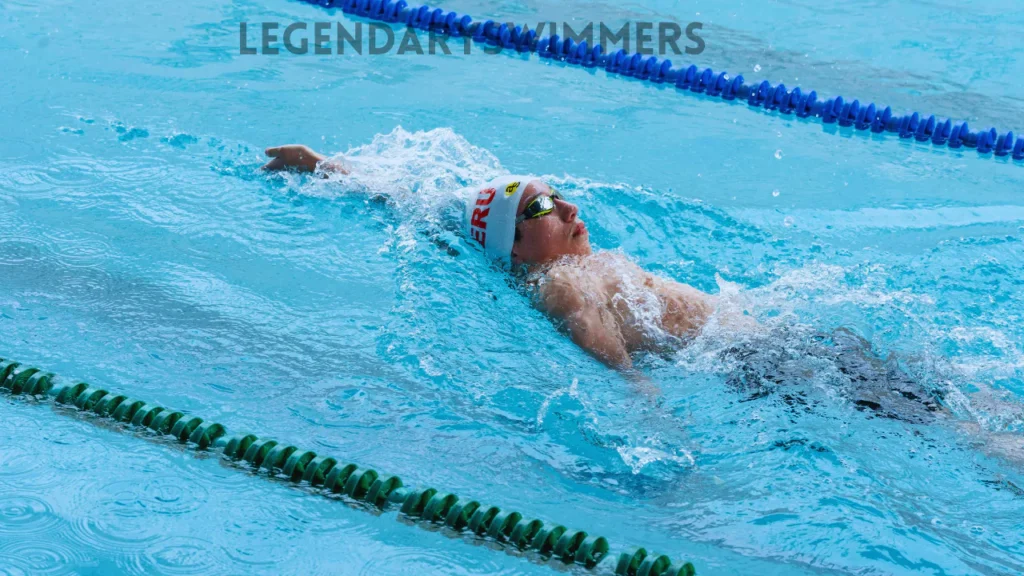
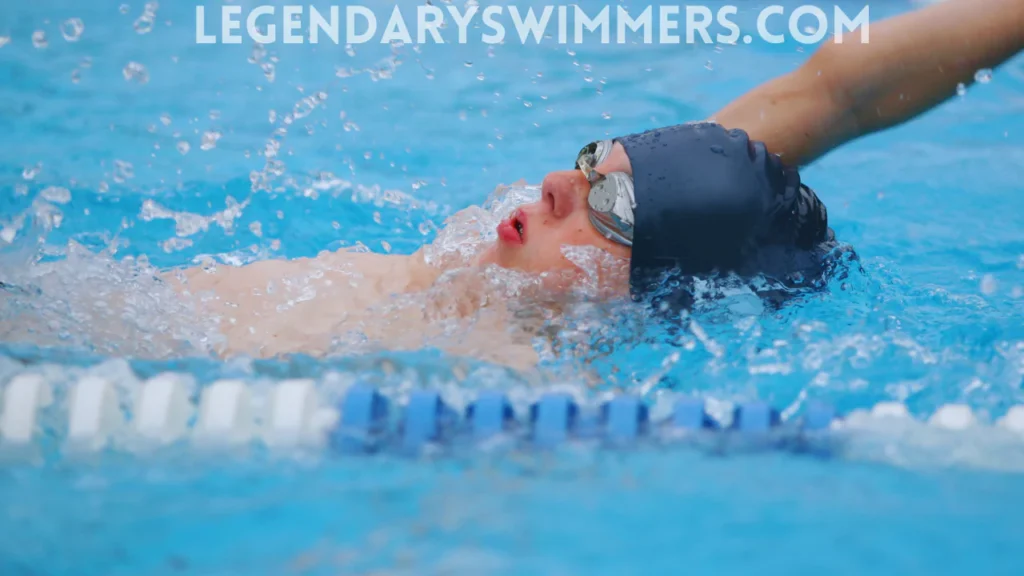
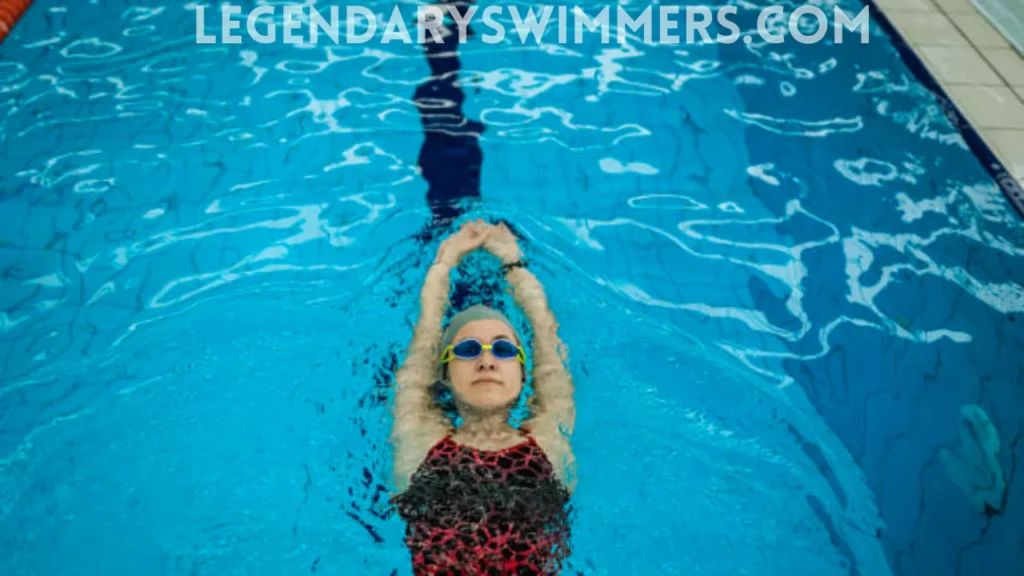
Backstroke swimming demands precision, balance, and rhythm. This guide simplifies body position, arm movement, kicking, and breathing. Swimmers at any level can improve their backstroke. They can try drills like the cup challenge or learn advanced flip-turn techniques. These methods help improve efficiency and build confidence. Backstroke swimming is a graceful stroke. However, it comes with technical challenges. Mastering this stroke boosts your confidence in the water. It also improves your swimming performance. Whether you’re a beginner, intermediate, or advanced swimmer, refining your backstroke is key. It helps you swim with greater efficiency, speed, and smoothness. Understanding Backstroke Fundamentals To master backstroke swimming, it’s crucial to get the basics right. Great backstroke starts with a good body position, strong arm movements, and a steady flutter kick. Here’s how to get started: Importance of Body Position Your body position is the backbone of your backstroke technique. To maximize efficiency: Keep a flat, horizontal posture on the water’s floor. Your frame should flow under or underneath the water level. Interact your center muscle tissues to hold your frame streamlined. A strong core not only improves posture but also prevents unnecessary movements that slow you down. Avoid sinking hips or legs, as this increases drag. Practice floating drills to achieve an aligned position. According to a study, a streamlined body position with a 10–15° head tilt reduces drag by 15%, enhancing forward propulsion in backstroke.  Streamlining Your Motion A streamlined motion reduces drag and conserves energy. Keep your head nonetheless and slightly tilted back, making sure your face stays above the water’s floor. Your body rotation should be smooth, with your shoulders and hips working together to propel you forward. This rotation permits extra powerful strokes and reduces stress in your palms. Key Drills for Beginners To master the backstroke, practice is key. Drills help build your basic skills. Body Balance Drill To improve your body position, try this drill: Float on your back with your arms relaxed at your sides. Engage your core muscles to stay balanced while keeping your hips high. Focus on maintaining a straight line from your head to your toes. Perform this for 25 yards, alternating with full strokes to incorporate your balance into your regular swimming. Cup Challenge Drill for Head Position This playful drill requires a plastic cup (or any small, lightweight object). Place the plastic cup on your forehead. Swim backstroke while trying not to knock the cup over. This helps you focus on keeping your head steady and aligned. The result? A fixed head position contributes to smoother motion and better speed. Improving Arm Action An efficient arm movement is a core aspect of the backstroke. It not only propels you forward but also maintains your rhythm and balance.   Common Mistakes: Avoiding the Straight Arm One of the most frequent technique errors is swimming with straight arms, which increases drag. Instead: Focus on a slight bend in the elbow during the pull phase to increase efficiency. Finish the stroke near your hips before starting the recovery. Mastering the Half Keyhole Drill This drill helps to refine arm mechanics: Perform a shortened stroke, where your hand traces a “keyhole” shape underwater. Awareness of pushing water toward your feet to maximize propulsion. This drill emphasizes a powerful pull to enhance your arm recovery and overall speed. Perfecting Kicking Techniques Your kick plays a significant role in keeping your body aligned and propelling you forward in the backstroke. Here’s how to improve it: Basics of Backstroke Kicking The flutter kick is essential for steady motion. Preserve your legs instantly but comfortably, generating movement from your hips instead of from your knees. Make quick, small kicks that create splashes. Make sure your feet remain pointed, as flexed feet can disrupt your momentum. Olympic backstroke champion Kaylee McKeown uses a 6-beat flutter kick and a precise flip-turn technique, contributing to her world-record 200m backstroke time of 2:03.14 (2023 World Championships) Exercises to Strengthen Kick Efficiency Using tools like drag socks can help build core strength for a more decisive, more effective kick. Try incorporating vertical kicking exercises in deep water to target hip flexors and thighs. Breathing Techniques for Backstroke A strong respiratory system is key for endurance in backstroke swimming. Maintaining a rhythm Stay consistent by developing a steady breathing pattern. Since your face is above water, you can inhale and exhale at regular intervals. Avoid erratic breaths, as they can disrupt your stroke rhythm and body balance. Drills to Improve Breathing Control To refine your breathing technique: Practice taking deep, controlled breaths between strokes. Time your breathing with your body’s natural rotation. This helps you stay calm and improves your endurance during longer swims. Advanced Tips for Skilled Swimmers If you’re looking to take your backstroke to the next level, these tips will improve your speed and transitions. Enhancing Turning Technique Master your backstroke flip turn. Count strokes as you approach the lane ropes to estimate when to execute the turn. Use a smooth dolphin kick off the wall to regain momentum. Perfecting this transition can shave off valuable seconds in competitive races. Improving Transition Speed Focus on your stroke rate during transitions. Shorten the glide phase between strokes as you approach a change, maintaining momentum throughout. Common Challenges and Solutions Every swimmer faces hurdles when learning or improving their backstroke. Here are practical solutions to common issues: Overcoming Chin Tuck Issues Many swimmers instinctively tuck their chin, causing an uneven body position. Keep your neck relaxed, and visualize your chin in line with your chest while looking at the ceiling. Addressing Balance Difficulties Struggling with balance? Revisit the floating drills mentioned above. Engaging your core and practicing steady kicks will help stabilize your posture. Build Confidence in Your Backstroke Technique Backstroke swimming is as much about confidence as it is about technique. Focus on basic mechanics, improve your arm and leg movements, and practice useful drills. You’ll notice significant gains in your speed, efficiency, and comfort in the water. The next time you’re in the pool, try incorporating these backstroke swimming tips into your training. Swimming

Backstroke Swimming Tips: Improve Form and Speed Read More »

Backstroke Start Techniques: Improve Race Performance

Backstroke Start Techniques: Improve Race Performance

Mastering the backstroke start can significantly improve your race performance from the very first move. It’s all about hitting key points: wall position, explosive push-offs, smooth entries, and easy transitions. This guide will walk you through every phase, offering swimming drills, safety tips, and advice to avoid common mistakes. Whether you’re aiming for better speed, power, or control, refining your backstroke start is the first step to dominating your race. Overview of the Backstroke Start Technique The backstroke start begins with the swimmer gripping the starting block or wall while facing away from the pool. Not at all like traditional forward dealing with a start, competitors perform it from a position within the water. To master this technique, focus on your wall position. Launch with a pop, then transition with grace into the backstroke. Every part of your start is essential. It allows you to enhance your pace, momentum, and efficiency. Positioning on the Wall Positioning yourself on point on the wall is critical for a strong and effective backstroke to begin. Importance of Proper Foot Placement Roll your toes shoulder-width apart, along with your feet gripping the threshold of the wall or starting block. To build propulsion, angle your legs mildly to create a solid base that allows for a powerful push. Don’t let your feet get too low on the wall. This can lessen your launching power. Also, avoid placing them too high, as this may limit your body positioning. Gripping the wall firmly Your hands should grip the starting block with a firm grip while your arms remain extended. This grip acts as your anchor, allowing you to leverage the most incredible power during the explosive start. Avoid a loose grip, as it can compromise your momentum and stability as you start the motion. Achieving Balance with a Slight Lean Back Maintain a balanced posture with a slight lean back, keeping your core engaged and strong. This head role sets an appropriate attitude for launching backward. It helps you stay in control of your movements. Preparing for the Largest Power A powerful backstroke start sets the tone for your race from the first move. Here’s how to prepare in a way that achieves good results. Curling Your Knees Draw your knees toward your chest while maintaining a compact position. This curling motion tightens your quadriceps. It also boosts the energy needed for a strong push-off. Lowering Your Hips Lowering your hips below the waterline will help generate an efficient starting position. A lower hip placement stores potential energy, allowing you to convert it into kinetic energy during push-off. Head Position: Slight Tilt Back Your head position is crucial to ensure a streamlined entry. Tilt your head back at a slight angle to maintain alignment with your spine, which helps you achieve a streamlined position as you leave the wall. Executing an Explosive Push-Off The push-off phase is where all your preparation comes together. It’s the key transition from the start to your swim, and nailing it can set the tone for your entire race. Generating power with leg propulsion. Push off the starting block with the most significant force, using your leg muscles to drive energy through the platform. Engage your quads and calves to push off with power. This momentum helps you enter the water faster. Position your feet on the block, ensuring your toes align to maximize power transfer. Coordinating Arm Motion for Balance Release your grip on the wall and sweep your palms right into a streamlined function over your head. The motion should be smooth and intentional to keep your body balanced as you launch. Proper arm coordination not only stabilizes you but also reduces drag. Keep your hands close together, with fingers pointed forward, to improve aerodynamics. Achieving a streamlined entry A clean, streamlined entry into the water is crucial for a strong backstroke start. Tuck your chin, align your head with your body, and extend your legs straight as you enter the water at an angle that minimizes drag. The entry should be splash-free to reduce resistance and maintain momentum. Visualize slicing into the water like an arrow, aiming for a smooth glide that will set up your underwater phase effectively. Drills to Improve Backstroke Starts Drills are key to refining your backstroke start by improving power, positioning, and entry angle. Regular practice can help swimmers develop a stronger, more efficient start that sets the tone for the race. According to a April 2011 study published in The Journal of Strength and Conditioning Research 25(4):950-5, An optimal backstroke start entry angle of 30–45 degrees reduces drag by up to 20% compared to steeper or flatter entries, allowing swimmers to maintain 10–15% more momentum into their first strokes. Explosive Push-Off Drill This drill focuses on building energy in the course of the rush-off. Start in your position and practice explosive push-offs from the wall, driving through your legs with the most significant force. Keep your body tight and streamlined as you push off, and repeat several times. Over time, this will strengthen your legs, increase propulsion, and boost your confidence in achieving a strong start. Elite swimmer Caeleb Dressel uses a 6-beat flutter kick during his backstroke transitions, maintaining a consistent rhythm that boosts speed by 10%, according to a 2024 FINA analysis Backstroke Start Drill with a Pool Noodle This drill improves entry technique and streamlines position. Place a pool noodle across the water as a visual and physical cue. Practice your backstroke starts, aiming for a clean entry and maintaining a streamlined position as you pass under the noodle. Focus on your entry angle, body alignment, and minimizing splash. This drill helps perfect your entry and ensures a smooth transition into your stroke. Transition Techniques into Backstroke Strokes Smooth transitions in your backstroke are key. They help you keep momentum, speed, and a fluid glide through the water. A strong transition sets the tone for your stroke, so focus on technique from the start. Olympic gold medalist Ryan Murphy emphasizes a compact knee curl and a 40-degree entry angle for his backstroke starts, which has contributed to his world-record-setting 100m backstroke time of 51.85 seconds (2016

Backstroke Start Techniques: Improve Race Performance Read More »

Backstroke Training Program – Improve Backstroke Performance

Backstroke Training Program – Improve Your Backstroke Performance

To perform at your best when swimming, you must learn the backstroke. This manual includes the basics, advanced techniques, training drills, and mistake correction. It aims to help swimmers of any skill level improve their backstroke technique. Do you swim to compete or for fun? Enhance your backstroke performance and speed with these beneficial tips. Understanding Backstroke Fundamentals The backstroke is unique. It’s the best backstroke used in aggressive swimming. Maintaining appropriate body alignment, rhythm, and coordination is crucial to its effectiveness. Master the backstroke with this all-in-one guide, covering fundamentals, drills, technique fixes, speed training, and breathing. Whether you’re a beginner or a competitor, use tailored workouts, elite tips, and pacing strategies to swim smarter, faster, and with better endurance. Key Principles of Backstroke Technique Body Alignment: To reduce water resistance, maintain a horizontal and streamlined posture. Maintain a neutral head position. Lift your gaze. Check your body’s symmetry. Head Position: You can save energy by keeping your head in a steady position and avoiding needless movement. By serving as a “rudder,” your head keeps your entire body balanced. dawaArm Movement: The backstroke requires continuous arm motion. During the arm recovery phase, your arm should move above the water in a relaxed way with a high elbow. Then, in the underwater pull phase, you generate power and propulsion. Body Rotation: Small, controlled rotations of your core help improve arm strokes and cut down drag. Engage your core muscles during the rotation to avoid over-reliance on your arms. Essential Backstroke Drills Drills are critical for honing specific aspects of your backstroke technique. Single-Arm Variations Focus on one arm at a time to refine your arm movement. This helps achieve accurate strokes. It also improves the connection between body rotation and arm recovery. Drill Tip: Keep your non-working arm at your side. This focuses on your active arm and boosts your pulling strength. Double-Arm Variations Practice moving your arms all at once. This helps improve your stroke technique and arm coordination. Also, focus on strong kicks to keep your momentum going. Drill Tip: Add a pull buoy to stabilize your lower body as you refine arm mechanics. Kick Refinement Techniques Enhancing your dolphin kick and flutter kick ensures propulsion from your decreased body. Vertical kicking, for example, helps build endurance and strengthens your legs. Tip: Use a swim parachute or light resistance gear. This helps you swim with the most significant effort during kick sets. Correcting Common Backstroke Mistakes Identifying and addressing flaws is essential for consistent progress. Identifying Common Flaws Dropping your hips too low. Inefficient arm recovery with broad strokes. Over-rotating your body disrupts balance. Stroke Modification Techniques Pull in your tummy. Keep your head and hips in line to maintain your streamlined position. Video analysis can help identify flaws in stroke count, arm recovery, or rotation. Building Backstroke Endurance and Speed To improve as a swimmer, you need to customize your training. Include exercises that boost both endurance and speed. Beginner Backstroke Workouts 4 x 25 meters, focusing on streamlined drills with rest between laps. Incorporate vertical kicking to strengthen your lower body. Intermediate Endurance Programs 6 x 50 meters using a controlled stroke count and breathing pattern. Add a kick set part for leg stamina. Advanced Speed Enhancement Sessions Race-pace workouts include the largest effort sprints and timed laps to build speed. Focus on maintaining split times during longer races for consistent performance. Insights from top swimmers Champion swimmers’ hints and techniques to enhance your backstroke. Their advice will be of use to swimmers of all levels, helping them fine-tune their skills. Training Tips from Lenny Krayzelburg Olympic medalist Lenny Krayzelburg emphasizes heavy body roll as a key technique. He insists on keeping an even tempo. These elements improve stroke technique. This results in smoother motion, less drag, and greater efficiency. His educational videos raise awareness about the healing power of underwater environments. Swimmers use a staccato kick for better propulsion. He highlights how strong core muscles help support the body and create power. Backstroke Tips from Pros Athletes like Katie Ledecky and Matt Grevers need skill, endurance, and speed to excel in their sports. Grevers kicks hard and maintains arm stability. Ledecky modifies her approach to be as powerful as possible. Ledecky stresses the value of goal-setting and mental preparation. She maintains her motivation and focus by using visualization and well-defined goals. Take a cue from these champions to improve your backstroke. You can build a strong foundation for success in the water by doing this. Timing and Pacing Strategies Your timing and pace can make or break your race performance. You can maintain consistency and finish strong by controlling your speed and energy. The Role of Swimming Flags You can time your strokes and get ready for turns with the help of swimming flags. It helps you save time and prevent errors. This position facilitates alignment and flips. You can improve your accuracy and efficiency by practicing with the flags. It enables you to save time and avoid mistakes. Improving Time Management in Races One helpful tool for managing time in races is a pace clock. It replicates race conditions when used in training. This helps reach target split times, maintain a steady pace, and know when to push harder. When under pressure, this technique enables you to make better use of your time. It enhances your performance as well. Breathing Techniques for Optimal Performance Backstroke swimming allows for easy breathing. But a better technique can improve your efficiency and performance. Precise breathing helps build endurance and maintain a smooth, rhythmic stroke. Effective Breathing Patterns Inhale in rhythm with your arm recovery. It’ll also come out faster, and you’ll be able to pull with less effort than if you thrash about and chase your feet. Try not to overexert, as this will only create tension and disrupt your flow. Instead, focus on coordinating even, controlled breaths with your movements. Tips for Better Breath Control Engage your core muscles when exhaling to stabilize your body

Backstroke Training Program – Improve Your Backstroke Performance Read More »

Backstroke Swimming Drills: Training Exercises for Backstroke Swimmers

Backstroke Swimming Drills: Training Exercises for Backstroke Swimmers

Are you looking to improve your backstroke technique? Backstroke drills can boost your performance. This tip applies if you’re a swimmer, a coach, or working on your skills. This blog will help you improve your backstroke. Discover drills and exercises to enhance your stroke technique and develop your strength. Together, these tips will make your backstroke faster, more efficient, and effortless. Understanding the Basics of Backstroke Before honing your backstroke prowess, you have to master the principles. Backstroke Technique The key to an effective backstroke lies in proper stroke technique. Hold your body flat on the water’s surface to live stream-lined. Your arm movement should be smooth. One arm recovers above water even as the other pulls underwater. Keep your head in a gentle position. Look up at the ceiling with a relaxed face. This helps to align your body and avoid neck strain. For both beginners and seasoned swimmers, attention to body rotation is crucial. Rotating your torso with each stroke helps reduce drag and increase efficiency. Optimal Breathing Techniques A herbal respiration pattern is as important as critical in backstroke. Unlike other strokes, your face remains above water, making breathing easier. Enhance your efficiency by timing your inhales and exhales to match your strokes. Common Mistakes Beginners Make Improper Body Positioning: Floating too low in the water increases drag. Aim for a higher, streamlined position. Incorrect Arm Recovery: Avoid sweeping too wide or too close. Maintain a rhythmic arm recovery for optimal propulsion. Use backstroke flags to check your distance from the wall. This enables you to transition into turns with grace. Building Endurance and Speed Unlock your potential by training harder and smarter. Studies have shown that 12-week SAQ training led to significant improvements in backstroke speed, stroke rate, and coordination compared to standard swimming practice. Endurance-Focused Drills Long Streamline & Flutter Kick Sets: Push off the wall in a long streamline. Then, practice a steady flutter kick to build leg stamina. IM Order Practice: Use backstroke in your IM events. It adds variety and builds endurance. Increasing Stroke Rate Perform stroke count drills to focus on increasing efficiency while maintaining proper form. Evenly reduce the number of strokes consistent with the lap to end up more streamlined. Interval Training for Speed Integrate a structured main set into your practice: Swim 10 x 50 yards backstroke with a 30-second rest between sets. Alternate between smooth strides and a maximum-speed sprint to simulate race conditions. Enhancing Stroke Efficiency Minor changes can lead to enormous upgrades in swimming performance and overall universal performance. You should adjust your strokes to enhance your performance. To swim at your best, focus on perfecting each phase of your stroke. Start by improving your pull. Using a high elbow catch during the pull phase ensures you maximize propulsion through the water. This technique enables you to engage larger muscle groups, such as your lats and shoulders, resulting in more power with less effort. Practicing this regularly will help you swim faster while conserving energy during long sets or races. Using Backstroke Flags for Navigation Backstroke flags aren’t just for decoration—they’re an essential tool for navigation. Use the flags to avoid collisions and time your turns accurately during practice and races. By counting your strokes from the flags to the wall, you can ensure a perfectly timed turn every time. Building this habit boosts your confidence and precision in races. It helps you stay on track and keep your speed when it counts. Analyzing Personal Times Against Records Tracking your progress is key to staying motivated and improving over time. Keep a record of your total yards or meters during each training session, noting your times for specific sets or distances. Then, compare these times against your personal goals, team averages, or competitive benchmarks. Spot where you’re doing well and where you can improve. This helps you set realistic goals and celebrate your progress. This habit not only keeps you motivated but also helps you stay focused on reaching your full potential. Core Strengthening Workouts Core strength affects your stability in the water. Try exercises like: Glute bridges improve hip alignment and activation. Engage in Russian twists to enhance your rotational range of motion. Hollow holds to maintain a streamlined position mid-swim. Lower Body Conditioning Exercises Leg power matters! Incorporate: Dryland flutter kick exercises mimic the propulsion needed in the water. Box jumps focus on explosive movements to build stamina and strength. Upper Body Conditioning Exercises Strong shoulders and arms ensure optimal strokes. Dryland upper body exercises, such as pull-ups and shoulder presses, target key muscle groups. They help with arm recovery and propulsion. Weighted vs. Non-Weighted Exercises Mix weight training with bodyweight exercises. This helps to build functional strength and prevents overdevelopment. Importance of Body Positioning and Strength To master the backstroke, you need more than practice. You must also understand body alignment and build physical strength. The way your body moves through the water impacts your speed, control, and energy use. By focusing on proper positioning and muscular balance, you can unlock smoother and more efficient strokes. Body Alignment Tips Keeping your lower back close to the water’s surface is essential for reducing resistance. When your hips and legs drop, drag will increase, slowing you down. A high body position helps you stay streamlined and glide faster with less effort. Core engagement is as vital as other factors in maintaining alignment. Activating your core muscles helps you maintain better posture and body control. It also helps stabilize your midsection, preventing unnecessary movement and maintaining stroke efficiency. Routines for Stability and Strength Adding stability exercises to your routine can lead to significant improvements in your control in the water. One great drill is the dead bug exercise with resistance bands. It boosts your coordination and strengthens your core. This improves stability and mimics the control wished for during the backstroke. These exercises activate smaller stabilizer muscles that swimmers often overlook. Including them in your training boosts good body mechanics. This also leads to smoother

Backstroke Swimming Drills: Training Exercises for Backstroke Swimmers Read More »

 Backstroke Technique – Improve Your Backstroke Form Easily

 Backstroke Technique – Improve Your Backstroke Form Easily

The backstroke is a smooth and strong swimming style. This uses good technique, efficient muscle usage, and body awareness. Backstroke is an excellent way to enhance your swimming technique and achieve faster times. The following article serves as a backstroke primer to help you get started. It focuses on the position of your body and breathing patterns, along with tips and drills to improve your efficiency. To master the backstroke, you need to improve your body position, arm movement, flutter kick, and breathing rhythm. In this guide, you will learn key fundamentals and practical drills to boost speed, efficiency, and endurance. Understanding Basic Backstroke Elements Backstroke swimming relies on the seamless functionality of efficiency, balance, and coordination at its core. The backstroke technique involves four key components: body position, arms, kick, and breath. According to a 2024 study analyzing men’s 100 m races at the 2019 European Short-Course Swimming Championships, key performance indicators (KPIs) like swift turning and consistent free swimming speed are critical for backstroke success, with negligible performance biases (0% bias, limits of agreement -2.3% to +2.3%). Maintaining a streamlined body position For reduced drag and optimal efficiency, a streamlined position on the bike is crucial. Keep your head neutral. Look straight up at the ceiling or sky, depending on whether you’re indoors or outdoors. This allows you to align your body in a direct line from head to toe. Engage your core muscles to keep your hips at the water level, ensuring your lower body doesn’t sink. Pro Tip: Avoid tucking your chin or creating an excessive arch in your back. Both mistakes can disrupt your body alignment and slow you down. Importance of a Relaxed Flutter Kick You need to maintain the flutter kick within the backstroke relaxed and steady. It provides propulsion without wasting energy. Keep your legs straight but flexible, with a slight bend in your knees for whip-like movements. A proper flutter kick starts from the hips, not the knees. Elite backstroke swimmers typically use a six-beat kick per arm cycle, as noted in a 2021 guide, which stabilizes the body and enhances propulsion Common Mistake: Too Big of a Kick — Many swimmers will make the mistake of adding a huge, dramatic kick to the back end of the frontstroke. Instead, the most effective kicks are those that occur beneath the waterline with small, subtle movements. Mastering Arm Movement in Backstroke It is important to note that propulsion in the backstroke originates from the arms first. All strokes have a pull under the water and a recovery above water. Refining all of these aspects can significantly improve your speed and productivity. Techniques for Effective Arm Rotation Rotating your arms with ease and without pause is vital. Begin by placing your pinky finger first into the water. This entry reduces water resistance while setting you up for a powerful pull. The underwater stroke should follow an S-shaped path, pulling water toward your thighs. During arm recovery (the time your arm travels back above the water), ensure a straight, relaxed motion. Proper Hand Entry and Exit Points Nailing the correct hand entry point is essential. Your hand should enter the water roughly shoulder-width apart from your body. Keep away from entering too extensively or crossing your midline. It is equally important that your hand exits the water near your hip, with your palm facing upward. A 2023 study on backstroke start biomechanics notes that precise hand entry enhances start performance, critical given that sprint races can be decided by margins as small as 0.01 seconds. Drill to Try: Perform the “spin drill” for quicker arm recovery without compromising technique. Enhancing Body Rotation for Balance An essential factor for effective swimming in the backstroke is hip rotation. By rotating from the hips, you generate more power and improve arm positioning in the strokes. Body rotation is crucial, as it helps you avoid appearing rigid in form, which can lead to shoulder fatigue or impingement. Drill: Backstroke rotation A great drill for learning how to rotate your body correctly is to exaggerate your shoulder-to-hip rotation for every stroke. As you swim slowly from side to side, feeling the rolling motion of the water, roll to one side as your arm enters the water. Optimizing Leg Movements Your legs play a vital position in propelling you through the backstroke. Building strength and refining your kick are essential for improving speed and endurance. Increasing Kick Strength Add kicking drills to your practice. Use swim fins to add resistance, which helps develop stronger leg muscles over time. Use flutter kicks, and dolphin kicks together for faster underwater pushes after backstroke turns. Coordinating Natural Breathing Techniques Choppy inhaling and exhaling can interrupt your rhythm. The backstroke allows for easy breathing since your face is above the water’s surface, but timing your breaths is still essential. A 2021 guide recommends coordinating breaths with arm strokes to maintain rhythm. Timing, Breathing with Arm Movements Coordinate your breathing pattern with your arm strokes for consistency. Take steady breaths during your recovery phase, and avoid holding your breath for too long. According to MDPI, elite backstrokers maintain steady breathing to support endurance across 50, 100, and 200-meter events. Utilizing Drills to Improve Backstroke Adding centered drills for your practice can accelerate your progress. Drill: Cup Drill for Hand Position Hold a small cup filled with a bit of water in your hands during arm recovery. The goal is to keep the cup steady without spilling, ensuring a smooth and efficient recovery stroke. Drill: One-Arm Stroke for Precision Keep the other arm by your side while you execute the backstroke with just one arm. It establishes delicacy, allowing you to concentrate on the aquatic pull movement. Boosting Speed and Efficiency After learning the fundamentals, you should concentrate on perfecting your speed and effectiveness in the water. Maintaining a Consistent Stroke Rate To have energy and sustain instigation over extended distances, keep the number of strokes constant. Use a sandglass or a precious visual aid, like backstroke flags, to determine your stroke rate. Pay attention to the little things! In addition to lowering drag, mastering your hand entry will align your stroke for stronger underwater pulls. The Role of Backstroke Flags Backstroke flags serve as an essential visual cue for swimmers to time their turns with accuracy. Practice counting strokes from the backstroke flags to the wall so you never miscalculate during flip turns. Practicing with Interval Training for Improvement: Interval training sessions help build endurance

 Backstroke Technique – Improve Your Backstroke Form Easily Read More »

Burn Calories Swimming in 30 Minutes: Top Fitness Tips

Burn Calories Swimming in 30 Minutes: Top Fitness Tips

Did you know that swimming for 30 minutes can burn a significant number of calories, around 250 for an average session? Swimming activates nearly all major muscle groups and offers a refreshing way to stay fit, especially in warmer weather. It’s also an effective full-body workout. It combines cardio fitness, strength training, and calorie burn. Swimming laps or practicing strokes can burn calories with great efficiency. Knowing the factors that affect calorie burn helps you improve your swim workouts. This post explores the benefits, factors, and strategies for calorie expenditure in swimming. Finally, find ways to enhance your swim training for better fitness results. Benefits of Swimming for Calorie Burn Swimming isn’t just a summer activity—it’s an effective, low-impact full-body workout. It helps burn calories and boosts fitness. Full-Body Engagement: Swimming works almost all muscle groups, like your arms, shoulders, core, and legs. It’s a great full-body exercise. Low-Impact Exercise: The buoyant nature of water reduces pressure on your joints and muscles, making movement gentler and more comfortable. It’s perfect for anyone recovering from injuries or seeking low-impact workouts. Cardiovascular Workout: Swimming increases your heart rate and improves lung function. It improves cardiovascular health while burning calories. Consistent Calorie Burn: When you tread water or swim laps, the resistance of the water causes a continuous calorie burn. Factors Affecting Calorie Burn in Swimming Many variables play a role when it comes to calorie burn during swimming. Understanding these factors permits you to tailor your exercise for the quality consequences. Body Weight Your body weight plays a major role in determining how many calories you burn while swimming. A heavier person usually burns more calories than a lighter one. This is because their body needs more energy to float and move in the water. Harvard Medical School estimates a 155-pound person burns about 216 calories in a 30-minute swim. In contrast, a 185-pound person can burn around 252 calories. Swimming Conditions Water temperature: Swimming in cooler water may require greater energy as your body works to maintain its core temperature. Water Resistance: When water is deeper or rougher, it adds resistance. This makes your muscles work harder and helps burn more calories. Stroke Type Different swimming strokes vary in their calorie expenditure. The intensity and efficiency of each swimming stroke can significantly influence calorie burn. Calorie Burn by Swimming Stroke (30 Minutes) Swimming Stroke Calories Burned (Approx.) Freestyle 300 calories Breaststroke 200 calories Backstroke 250-300 calories Butterfly 400+ calories Freestyle One of the quickest and best strokes for burning energy is the freestyle. Its continuous arm and leg movements can burn around 300 calories in 30 minutes for a 155-pound swimmer. Breaststroke Breaststroke is a bit slower, but it’s great for burning calories. It’s also perfect for beginners. Swimming breaststroke for 30 minutes can burn approximately 200 calories. Backstroke The backstroke provides a great balance between calorie burn and relaxation, engaging your core and back muscles. Anticipate to burn between 250 and three hundred calories in half an hour. Butterfly Butterfly is the most demanding stroke, and also the one that burns the most calories. Intense and energy-demanding, it can burn over 400 calories in a 30-minute session for a 155-pound swimmer. Utilizing the MET Formula for Calorie Estimation The MET (Metabolic Equivalent of Task) formula estimates how many calories you burn during various activities. A MET score indicates how much energy an activity requires compared to resting. How to Use MET for Swimming Here’s how to estimate calorie burn for swimming using the MET formula: Find the MET value for your swimming stroke. For instance, freestyle swimming at a moderate pace is usually rated at 6 METs. Calculate the calories burned using this formula: Calories Burned = MET × Body Weight (kg) × Time (hours) Example: Body weight = 70 kg MET = 6 (Moderate Freestyle Swimming) Time = 0.5 hours (30 minutes) Calories Burned = 6 × 70 × 0.5 = 210 calories Enhancing Calorie Burn Through Technique Interval Training in Swimming HIIT, or high-intensity interval training, alternates fast and slower swimming laps or treading water. It endures calorie burns because the metabolic process rates increase and supports cardiovascular fitness. Importance of Stroke Variation Switching between swimming strokes in a workout helps you use different muscle groups. This prevents fatigue and burns more calories. Comparing Swimming to Other Exercises Swimming vs. Running It can also be kinder on the joints, as swimming is a low-impact workout that works the whole body. Also, running uses fewer muscle groups than swimming because of the nature of the sport. Swimming vs. Cycling Both swimming and cycling help in improving heart wellbeing. Yet, swimming has an edge. Thanks to the water resistance, this creates muscle groups even stronger than bicycle ones. Benefits of Swimming Beyond Calorie Burn Cardiovascular Health Swimming often boosts heart health. It helps reduce the risk of heart disease and other cardiovascular problems. Muscle Strength Pushing and pulling against water resistance builds your muscles. This improves your body shape. Joint and Muscle Stress Reduction The buoyancy of water reduces pressure on your joints, making swimming a perfect rehabilitation workout. Tools for Tracking Swimming Success Calorie Calculators Apps like the Calorie Burn Rate Calculator and the Physical Activity Calorie Counter can help estimate calorie expenditure during swim workouts. Fitness Trackers Wearables like Fitbit or Garmin feature swim-tracking modes to measure laps, calories burned, and heart rate. Ready to Make a Splash in Your Fitness Journey? Swimming offers a unique mix of benefits. It provides easy access to calories while being low-impact. The gentle, rhythmic movements boost cardiovascular fitness too. But mix it up, sprinkle in some intervals, and log your training. That is how you will get more profit out of it, and global chances for swimming will become a great weapon for weight loss. FAQs How many calories can you burn swimming for 30 minutes? Swimming for 30 minutes can burn between 200 and 400+ calories, depending on weight, stroke, and intensity. Heavier swimmers generally burn more calories, with strokes like butterfly burning the most. What swimming stroke burns the most calories? The butterfly stroke burns the most calories in a 30-minute session, with an estimated 400 calories burned for a

Burn Calories Swimming in 30 Minutes: Top Fitness Tips Read More »

Breaststroke vs Butterfly: Which Swim Stroke is Best Workout

Breaststroke vs Butterfly: Which Swim Stroke is Best Workout

Breaststroke and butterfly are two of the most technical swimming strokes, each with unique challenges and benefits. Whether you’re a beginner choosing a stroke to master or a seasoned swimmer looking to diversify your skills, understanding the differences between breaststroke and butterfly can guide your training. This article compares their swimming techniques, muscle engagement, energy demands, and training approaches. Overview of Breaststroke and Butterfly Both breaststroke and butterfly are competitive swimming strokes governed by strict rules. They differ significantly in technique, physical demands, and application, making them distinct in training and competition. Breaststroke: Known as the “frog style” stroke, breaststroke features a simultaneous arm pull and leg kick, with a gliding phase that emphasizes efficiency. It’s often taught to beginners due to its rhythmic nature and is popular in recreational swimming. “Breaststroke is generally considered the slowest of the four competitive strokes. Elite breaststrokers can swim approximately 1.70 meters per second (~5.6 feet per second)” . Butterfly: A dynamic, undulating stroke, the butterfly stroke requires synchronized arm pulls and a dolphin-like kick. It’s considered the most strenuous stroke, demanding strength, coordination, and timing. Technique Breakdown: Breaststroke vs Butterfly Breaststroke Technique Breaststroke relies on a cyclical pattern of pull, kick, and glide: Arm Pull: Arms move symmetrically in a circular motion, pulling water backward and recovering forward in streamline. Kick: The “frog kick” involves bending knees, drawing heels to hips, turning feet out, and pushing backward. The kick generates 70–80% of propulsion. Timing: Arms pull while legs recover, and legs kick while arms extend into streamline, minimizing drag. Body Position: Maintain a horizontal line, with a slight head lift for breathing during the pull phase. Key Focus: Smooth, rhythmic movements with a strong frog kick to reduce drag and maximize glide efficiency. Butterfly Technique Butterfly demands precise coordination: Arm Pull: Both arms pull simultaneously in a keyhole shape, driving water backward, followed by an over-water recovery. Kick: The dolphin kick involves two leg kicks per arm cycle—one during the pull and one during recovery—using an undulating hip motion. Timing: Arms and legs move in sync, with the body undulating like a wave. Breathing occurs during the arm recovery phase. Body Position: A continuous wave-like motion from head to toes, requiring core strength and flexibility. Key Focus: Powerful, synchronized movements with a fluid dolphin kick to maintain momentum. Muscles Used: Breaststroke vs Butterfly Both strokes engage the full body but target different muscle groups, impacting training needs. Muscle Group Breaststroke Butterfly Legs Quadriceps, glutes, hamstrings, adductors, and tibialis anterior power the frog kick. Glutes, hamstrings, and quadriceps fuel the dolphin kick, with less emphasis on adductors. Upper Body Pectorals, deltoids, and lats drive the arm pull. Pectorals, deltoids, lats, and triceps power the forceful arm pull. Core Stabilizes body position during the glide. Abs and lower back drive the undulating motion; a strong core is critical. Unique Aspect Heavy reliance on the adductors and tibialis anterior, which may cause fatigue quickly in beginners. Intense core and shoulder engagement due to the stroke’s dynamic nature. Dryland Tip: For breaststroke, try adductor squeezes and glute kickbacks with resistance bands from LegendarySwimmers.com. For butterfly, focus on plank variations and lat pull-downs to build core and upper body strength. Energy Demands and Difficulty Breaststroke: Energy: Less demanding than a butterfly due to the glide phase, which allows brief recovery. Ideal for longer distances or recreational swimming. Difficulty: Easier to learn for beginners, as the rhythmic pull-kick-glide cycle is intuitive. However, mastering the frog kick and timing takes practice to avoid issues like “breaststroker’s knee.” Best For: Swimmers seeking a low-impact, endurance-focused stroke. Butterfly: Energy: Often called the most strenuous kick in swimming, butterfly burns more calories (up to 800–1000 per hour) due to its continuous motion and lack of glide, per Healthline. Difficulty: Requires advanced coordination, strength, and flexibility, making it challenging for beginners. The dolphin kick and undulation demand precise timing. Best For: Swimmers aiming for power, speed, and a high-intensity workout. Common Mistakes to Avoid Breaststroke Mistakes Wide Knees: Spread knees beyond shoulder-width, increasing drag. Hinge at the knees and keep feet wider than knees, as advised by USMS. Rushing the Kick: Kicking before feet are turned out reduces propulsion. Illegal Kicks: Dolphin or scissor kicks are disqualified in competition, per the 2021 USMS Rule Book. Butterfly Mistakes Asymmetrical Kicks: Uneven dolphin kicks disrupt rhythm. Ensure both legs move together. Over-Bending Knees: Excessive knee bend in the dolphin kick creates drag. Focus on hip-driven undulation. Poor Breathing Timing: Breathing too late in the arm cycle breaks momentum. Lift your head during arm recovery. Drills to Improve Breaststroke and Butterfly Breaststroke Drills Wall Kicks: Purpose: Teach proper knee hinging. How: Face the pool wall, press body against it, and perform frog kicks, drawing heels to hips. Minimize hip movement. Reps: 2 sets of 10 kicks. Equipment: Optional kickboard from Legendary Swimmers. Streamline Kick on Front: Purpose: Enhance kick efficiency in streamlining. How: Push off in a streamline, kick just below the surface, lifting your head to breathe. Reps: 4 x 50m, 45 seconds rest. Equipment: Snorkel for focusing on kicking. Butterfly Drills Single-Arm Butterfly: Purpose: Improve arm-kick coordination. How: Swim butterfly using one arm, keeping the other in streamline. Alternate arms every 25m. Reps: 4 x 50m, 1 minute rest. Equipment: Optional swim fins Dolphin Kick on Back: Purpose: Strengthen dolphin kick mechanics. How: Push off on back, perform dolphin kicks with arms in a streamline. Focus on hip-driven motion. Reps: 4 x 25m, 40 seconds rest. Equipment: Snorkel for easier breathing. Which Stroke Is Right for You? Choose Breaststroke If: Choose Butterfly If: Skill Level You’re a beginner or prefer a low-impact, endurance-focused stroke. You’re an advanced swimmer seeking a high-intensity, power-driven workout. Workout Style You want a rhythmic, less intense workout suitable for longer distances. You want to build core and upper body strength. Technique Preference You enjoy mastering the technical frog kick. You’re training for competition and can handle the stroke’s demands. FAQs Q: Which stroke is harder to learn? A:

Breaststroke vs Butterfly: Which Swim Stroke is Best Workout Read More »

Improve Breaststroke Kick Technique: Tips, Drills & Workouts

Improve Breaststroke Kick Technique: Tips, Drills & Workouts

The breaststroke kick, often called the “frog kick,” is the powerhouse behind one of swimming’s most technical strokes, generating 70–80% of your propulsion, as noted by experts. A stronger kick leads to a more powerful, efficient, and seamless breaststroke technique. Whether you’re a beginner learning the ropes or an advanced swimmer aiming to refine your technique, this guide offers actionable tips, drills, and a sample workout to perfect your breaststroke kick. Why the Breaststroke Kick Matters The breaststroke kick is unique among swimming strokes due to its outward and backward motion, relying heavily on the insides and bottoms of your feet for propulsion. According to USMS, it’s the most critical component for speed in breaststroke, unlike freestyle or butterfly, where arm pull plays a larger role. A well-executed kick minimizes drag, maximizes force, and enhances stroke timing, making it essential for efficiency and speed. Benefits of a Strong Breaststroke Kick: Increased Propulsion: Drives you forward with minimal energy waste. Improved Timing: Synchronizes with arm pull for smooth, rhythmic swimming. Muscle Engagement: Targets quadriceps, glutes, hamstrings, adductors, and tibialis anterior for a full lower-body workout. Injury Prevention: Proper technique reduces strain on knees and hips, addressing concerns like “breaststroker’s knee.” Ready to boost your breaststroke? Let’s break down the technique, common mistakes, and drills to elevate your kick. Breaststroke Kick Technique: Step-by-Step Breakdown Think of it as four key phases: Up, Out, Around, and Together. Here’s how to execute each step for maximum efficiency. Up (Recovery Phase): Start in a streamlined position with legs extended and toes pointed. Bend your knees, drawing your heels toward your hips using your hamstrings. Keep heels close to the outside of your hips, not the centerline of your butt, to avoid wide knees. Tip: Hinge at the knees, not the hips, to minimize drag, as emphasized by USMS. Out (Setup Phase): Turn your toes outward, positioning the insides and bottoms of your feet to face backward. Your feet should be wider than your knees, roughly shoulder-width apart. Keep knees stable to avoid excessive outward movement, which increases drag. Tip: Be patient here—rushing this phase reduces the surface area for propulsion. Around (Propulsion Phase): Push your feet backward in a circular motion, using the insides of your feet and shins to press against the water. Engage your quadriceps and glutes to drive the kick, maintaining a direct backward force rather than a wide, arcing motion. Tip: Focus on kicking straight back, not around, for maximum speed, as noted in USMS. Together (Finish Phase): Snap your legs together, pointing your toes to return to a streamlined position. Aim to have your feet touch or nearly touch, squeezing every bit of propulsion out of the kick. Tip: A tight streamline at the end reduces drag and sets you up for the next stroke cycle. Key Principle: Balance aggressive recovery with patient setup. Move your heels quickly to your hips, but take time to turn your feet out before kicking. Muscles Used in the Breaststroke Kick Knowing which muscles are used allows you to focus your strength training more efficiently. The breaststroke kick engages: Quadriceps: Extend legs during the backward push. Glutes: Power the kick’s propulsion phase. Hamstrings: Recover heels to hips. Adductors: Squeeze legs together at the kick’s finish. Tibialis Anterior: Turn feet outward, a muscle prone to fatigue in beginners. Dryland Tip: Incorporate exercises like glute kickbacks, adductor squeezes, and tibialis anterior raises (e.g., toe taps) to strengthen these muscles. Use resistance bands for targeted workouts. Common Breaststroke Kick Mistakes to Avoid Mistakes in your kick can slow you down or even lead to disqualification, as per the 2021 USMS Rule Book. A significant number of studies and surveys indicate that around 70% of swimmers experience knee pain, often related to the repetitive strain and specific movements involved in the breaststroke kick. Here are pitfalls to watch for: Wide Knees: Allowing knees to spread beyond shoulder-width increases drag. Keep them stable and hinge at the knees. Rushing the Setup: Kicking before your feet are fully turned out reduces propulsion. Be patient during the “Out” phase. Kicking Around, Not Back: A circular, “around” motion wastes energy. Focus on a direct backward push. Dolphin or Scissor Kicks: These are illegal in breaststroke and disrupt timing. Ensure both legs move symmetrically. Poor Timing: Kicking while arms pull creates resistance. Time your kick to start as arms extend forward, as advised by Swim England. 5 Drills to Perfect Your Breaststroke Kick These drills isolate the kick to improve technique and power. Wall Kicks: Purpose: Teach knee hinging and minimize hip movement. How: Face the pool wall, press your body against it, and perform breaststroke kicks, drawing heels to the outside of your hips. Minimize hip movement. Reps: 2 sets of 10 kicks. Equipment: None, or use a kickboard from Legendary Swimmers for support. Heel Tag on Back: Purpose: Improve flexibility and heel recovery. How: Lie on your back, hands near your hips. Kick and try to tap your heels to your hands. Keep knees shoulder-width apart. Reps: 4 x 25m, 30 seconds rest. Equipment: Optional snorkel for easier breathing. Streamline Kick on Front: Purpose: Enhance, streamline, and kick efficiency. How: Push off in a streamline, perform breaststroke kicks just below the surface. Lift head to breathe without pulling your arms. Reps: 4 x 50m, 45 seconds rest. Equipment: Use a snorkel from Legendary Swimmers to focus on kicking. Pull Buoy Kicking: Purpose: Correct wide knees. How: Place a pull buoy high between thighs and kick. Focus on hinging at the knees and keeping feet wider than knees. Reps: 2 x 50m, 1 minute rest. Equipment: Pull buoy from Legendary Swimmers. Snorkel Thumb Lock Kicking: Purpose: Improve body position and kick mechanics. How: With a snorkel, extend arms and lock thumbs in front. Kick, focusing on a horizontal body line and proper foot turnout. Reps: 4 x 25m, 40 seconds rest. Equipment: Snorkel and swim fins from Legendary Swimmers for added resistance. Sample Breaststroke Kick Workout (30–40 Minutes) This workout, inspired by MySwimPro,

Improve Breaststroke Kick Technique: Tips, Drills & Workouts Read More »

How to Improve Swimming Endurance: Top Tips & Workouts

How to Improve Swimming Endurance: Top Tips & Workouts

Swimming is one of the best full-body workouts, offering cardiovascular benefits, muscle strengthening, and low-impact exercise suitable for all fitness levels. For those looking to swim longer, faster, and with greater ease, building endurance is key. Whether you’re a beginner dipping your toes into lap swimming or an experienced swimmer aiming to enhance stamina, this guide will provide you with actionable strategies to improve your swimming endurance. Drawing from expert insights and proven techniques, we’ll explore training methods, nutrition tips, and recovery strategies to help you swim stronger for longer. What Is Swimming Endurance? Swimming endurance refers to your ability to sustain prolonged swimming sessions without fatigue. It’s a combination of cardiovascular fitness, muscular endurance, and efficient swimming technique. According to the Cleveland Clinic, cardiovascular endurance allows your heart and lungs to supply oxygen to muscles during extended activity, while muscular endurance ensures your muscles can perform repetitive movements, like strokes, over time. Improving swimming endurance involves training your body to use oxygen more efficiently, delaying the onset of fatigue, and refining your technique to reduce energy waste. Why Improve Swimming Endurance? Building endurance in swimming offers numerous benefits: Enhanced Cardiovascular Health: Swimming strengthens the heart and lungs, improving overall fitness. Increased Stamina: Swim longer distances without feeling winded. Better Performance: Improved endurance translates to faster times and stronger finishes in races or workouts. Joint-Friendly Exercise: As a low-impact activity, swimming is ideal for those with joint issues, as noted by users in testimonials on Legendary Swimmers. Mental Resilience: Endurance training builds mental toughness, helping you push through challenging workouts. Whether you’re training for an Ironman, aiming to complete a triathlon, or simply want to enjoy longer pool sessions, improving endurance is a game-changer. How to Improve Swimming Endurance: 7 Proven Strategies Here are seven evidence-based strategies to boost your swimming endurance. 1. Master Your Swimming Technique Efficient technique is the foundation of endurance. Poor form increases drag and energy expenditure, leading to faster fatigue. Focus on these key areas: Body Position: Maintain a streamlined position with your head in line with your spine. A high body position reduces water resistance. Stroke Mechanics: Practice smooth, controlled strokes. For freestyle, ensure a high elbow catch and a relaxed recovery phase. Breathing: Bilateral breathing (alternating sides) improves oxygen intake and balances your stroke. Aim to exhale fully underwater to avoid breath-holding. Kick Efficiency: Use a steady, flutter kick to propel yourself without overexerting your legs. Pro Tip: Use tools like a kickboard or pool buoy from Legendary Swimmers to isolate leg or arm movements and refine your technique. 2. Incorporate Interval Training Interval training is a cornerstone of endurance building. You improve aerobic capacity by alternating high-intensity efforts with rest periods and teach your body to recover quickly. Sample Interval Workout (30 minutes): Warm-Up: 200m easy swim, 100m kick with a kickboard. Main Set: 8 x 50m freestyle at 80% effort, with 30 seconds rest between each. Cool-Down: 100m easy backstroke. Progression: Gradually increase the number of intervals or reduce rest time as your endurance improves. Competitor Swim suggests starting with shorter intervals (e.g., 50m) and progressing to 100m or 200m sets. 3. Build Aerobic Base with Long, Steady Swims Long, steady swims at a moderate pace build your aerobic base, allowing you to sustain effort over time. SwimGym recommends dedicating one or two sessions per week to distance swims. Sample Distance Workout: Swim 800m–1200m at a conversational pace (you should be able to talk without gasping). Focus on maintaining consistent stroke tempo and breathing rhythm. Use a pool buoy to focus on upper body endurance or swim fins to enhance leg strength, as recommended by Legendary Swimmers. Tip: Track your progress with a workout plan from Legendary Swimmers to log distances and monitor improvements. 4. Strengthen Upper Body and Core Swimming endurance relies heavily on upper body and core strength. According to USMS, exercises targeting these areas enhance stroke power and reduce fatigue. In-Pool Exercises: Use swim paddles to increase resistance and build arm strength. Perform sculling drills to improve water feel and shoulder endurance. Dryland Exercises: Push-Ups: 3 sets of 15 to strengthen chest and shoulders. Plank Holds: 3 x 30 seconds to build core stability. Resistance Band Pulls: Mimic the pulling motion of freestyle to enhance shoulder strength. Product Recommendation: Incorporate aqua dumbbells or fitness gloves from Legendary Swimmers for added resistance in water workouts. 5. Prioritize Recovery and Rest Recovery is critical for endurance gains. Overtraining can lead to burnout or injury. Incorporate these recovery strategies: Rest Days: Schedule at least one or two rest days per week to allow muscles to repair. Active Recovery: Perform light swims or water-based stretching to promote blood flow without strain. Sleep: Aim for 7–9 hours of quality sleep to support muscle recovery and energy levels. Tip: Use a pool noodle for gentle, low-impact stretching exercises in the pool, as suggested by Legendary Swimmers. 6. Optimize Nutrition and Hydration Proper nutrition fuels endurance. Healthline emphasizes the importance of a balanced diet for sustained energy. Pre-Swim: Eat a carb-rich snack (e.g., banana or oatmeal) 1–2 hours before swimming to provide energy. Post-Swim: Consume a mix of protein and carbs (e.g., Greek yogurt with fruit) within 30 minutes to aid muscle recovery. Hydration: Drink water before, during, and after workouts. Log your water intake using the free workout plan from Legendary Swimmers. Interesting Fact: Swimmers can burn up to 500–700 calories per hour during moderate-intensity swimming, making nutrition critical for sustained performance. 7. Track Progress and Set Goals Setting specific, measurable goals keeps you motivated. Goal-Setting Tips: Start with a baseline: Swim for 20–30 minutes and note how far you go. Set incremental goals: Increase your weekly swim distance by 10–15% or add one extra interval set. Use tools like the free workout plan from Legendary Swimmers to record progress and stay organized. Sample Weekly Swimming Plan for Endurance Here’s a beginner-friendly, 3-day-per-week plan: Day 1: Technique and Intervals (30–40 minutes) Warm-Up: 200m easy freestyle, 100m kick with a kickboard. Drills: 4 x

How to Improve Swimming Endurance: Top Tips & Workouts Read More »

How to Swim with Fins: Experts Guide for Swimmers

How to Swim with Fins: Experts Guide for Swimmers

Swimming with fins is like adding a turbo boost to your time in the water. Whether you’re a beginner looking to build confidence or a seasoned swimmer aiming to enhance speed and technique, fins can transform your aquatic experience. At Legendary Swimmers, we’re passionate about helping you glide through the water with ease and efficiency. In this guide, we’ll explore everything you need to know about swimming with fins, from choosing the right pair to mastering techniques that elevate your performance. Let’s dive in! Why Swim with Fins? Fins aren’t just a fun accessory—they’re a powerful training tool. They amplify your kick, increase propulsion, and engage your leg muscles in ways that swimming without them simply can’t. For new swimmers, fins provide extra support, making it easier to focus on stroke mechanics without worrying about staying afloat. For competitive athletes, they’re a secret weapon for building strength, speed, and endurance. Fins also help improve body position. By adding lift to your legs, they encourage a streamlined posture, reducing drag and helping you glide more efficiently. Plus, they’re fantastic for targeting specific muscle groups like your quads, hamstrings, and glutes, giving you a full-body workout. Whether you’re training for a triathlon or just enjoying a leisurely swim, fins can make every lap more effective and enjoyable. Choosing the Right Fins for You Not all fins are created equal, and picking the right pair is crucial for maximizing their benefits. The first thing to consider is your swimming goals. Are you focusing on technique, speed, or strength? Different fins cater to different needs, so let’s break it down. Short Fins: The Sweet Spot for Most Swimmers Short fins, often 6-12 inches long, are ideal for beginners and those working on technique. Their compact size mimics a natural kick while providing just enough propulsion to keep you moving smoothly. They’re also great for breaststroke, allowing the whip-like motion needed for an effective kick. The beauty of short fins lies in their versatility. They work well for all four competitive strokes and don’t dramatically alter your natural kicking pattern. This means the muscle memory and technique you develop with short fins translates more directly to swimming without fins. Long Fins: When More Isn’t Always Better Long fins, often used in snorkeling and diving, might seem appealing because they provide more propulsion. However, they can actually slow down your kick rate and create an unrealistic feel that doesn’t translate well to regular swimming. The exaggerated slow, powerful kicks required by long fins can interfere with developing proper racing technique. That said, long fins do have their place in specific training scenarios, particularly for building raw power in your kick or when working on underwater dolphin kick endurance. Specialty Fins: MonoFins and Positive Drive Options MonoFins, which bind both feet together like a mermaid tail, are excellent for developing dolphin kick technique and core strength. While they’re not essential for most swimmers, they can be fun to use and highly effective for butterfly swimmers looking to improve their underwater phase. Positive drive fins feature a unique design that channels water differently, making them particularly effective for breaststroke training. The special fin shape helps reinforce proper breaststroke kick mechanics. Getting Started: Tips for New Swimmers If you’re new to swimming with fins, the sensation can feel a bit like driving a sports car for the first time—thrilling but slightly unfamiliar. Start by practicing in a shallow pool where you can stand if needed. Slip on your fins and get a feel for how they move through the water. You’ll notice they amplify every kick, so focus on keeping your movements smooth and controlled. One common mistake is over-kicking. Fins are so effective that small, deliberate kicks are often enough to propel you forward. Keep your knees slightly bent and kick from your hips, not your knees, to avoid strain and maximize efficiency. For beginners, fins can also help with flotation, keeping your legs higher in the water and reducing the effort needed to stay balanced. Try simple drills to build confidence. Push off the wall and glide with your fins, focusing on body alignment. Or, practice kicking on your side with one arm extended, using the fins to maintain momentum. These exercises help you adapt to the added power while refining your technique. Techniques to Swim Faster with Fins Once you’re comfortable, it’s time to unlock the speed potential of your fins. Fins are a game-changer for freestyle, backstroke, and butterfly, enhancing your kick’s power and rhythm. To swim faster, focus on maintaining a consistent kick tempo. Short fins are great for keeping your cadence high, while long fins add more thrust per kick, which is ideal for sprint sets. In freestyle, aim for a six-beat kick—three kicks per arm stroke—to stay synchronized. Fins make this easier by reducing the effort needed to keep your legs moving. For backstroke, focus on an upward kick motion, letting the fins catch the water and drive you forward. Butterfly swimmers can use fins to exaggerate the dolphin kick, building core strength and perfecting the wave-like motion. Drills are your best friend here. Try vertical kicking, where you tread water in the deep end with your fins, keeping your body upright. This builds leg endurance and strengthens your kick. Another great exercise is swimming with a kickboard, isolating your legs and letting the fins do the work. These drills not only boost speed but also improve your overall swimming efficiency. Using Fins to Improve Breaststroke Breaststroke deserves special attention because its unique kick requires a specific approach. Short, flexible fins are best for this stroke, as they allow for the outward sweep and inward snap of a proper breaststroke kick. Fins help exaggerate the motion, making it easier to feel the water and refine your technique. To improve your breaststroke with fins, focus on timing. The kick should follow the arm pull, with a brief glide to maximize distance per stroke. Fins add propulsion, but they can also highlight flaws

How to Swim with Fins: Experts Guide for Swimmers Read More »

Top Breaststroke Dryland Workouts to Boost Speed and Power

Top Breaststroke Dryland Workouts to Boost Speed and Power

Breaststroke is one of the most technically demanding swimming strokes, requiring a unique combination of explosive power, precise timing, and exceptional flexibility. While in-water training is critical for mastering technique, dryland workouts are equally essential for building the strength, endurance, and mobility needed to excel. Why Dryland Workouts Are Essential for Breaststroke Swimmers Breaststroke engages a wide range of muscle groups, including the glutes, hamstrings, quadriceps, hip flexors, chest, lats, traps, and core. Unlike other strokes, it demands a powerful whip kick and a forceful arm pull, both of which rely on explosive strength and precise coordination. Dryland training enhances breaststroke performance by: Building Explosive Power: Strengthens muscles for a more forceful kick and pull, improving propulsion. Enhancing Flexibility: Increases range of motion for a streamlined whip kick and efficient recovery. Preventing Injuries: Corrects muscle imbalances and reduces strain on joints, such as the knees and hips. Boosting Endurance: Develops stamina for sustained performance during long races or training sessions. Improving Body Position: Strengthens the core for better alignment and reduced drag in the water. By incorporating a structured dryland workout plan, swimmers can target these critical areas, avoid common injuries like breaststroker’s knee or groin pulls, and achieve faster times. This guide provides a detailed, science-backed routine that’s accessible for beginners yet scalable for advanced athletes, ensuring measurable progress. The Science Behind Breaststroke and Dryland Training Breaststroke is a cyclical stroke that alternates between a propulsive phase (kick and pull) and a glide phase. The kick, which generates up to 60% of propulsion, relies heavily on the glutes, hamstrings, and quadriceps, while the arm pull engages the chest, lats, and traps. According to research from the Journal of Sports Sciences, dryland strength training can improve swim performance by up to 7% by increasing muscle power and reducing fatigue. Dryland workouts also address the unique biomechanical demands of breaststroke. For example, the stroke’s undulating motion requires a strong core to maintain a streamlined position, while the repetitive leg movements necessitate robust stabilizing muscles to prevent overuse injuries. By targeting these areas, swimmers can optimize their performance and longevity in the sport. Warm-Up: Setting the Stage for Success A thorough warm-up is crucial to prepare the body for intense dryland training, activate key muscle groups, and reduce injury risk. Spend 10-12 minutes on dynamic movements that mimic breaststroke mechanics and increase blood flow. Here’s a detailed warm-up routine: Side Sumo Walks: 2 sets of 12 steps per side. Place a resistance band above the knees, take a wide stance, and step laterally to activate glutes and hip flexors. Dynamic Hamstring Swings: 2 sets of 12 swings per leg. Hold onto a stable surface, swing one leg forward and backward, keeping it straight to loosen hamstrings. Arm Circles with Resistance: Do 2 sets of 15 forward and 15 backward arm circles while holding light dumbbells (2–5 lbs) to activate the shoulders and simulate the arm movement used in swimming. Torso Twists with Medicine Ball: Perform 2 sets of 20 torso twists while holding a 5-lb medicine ball. Rotate side to side, focusing on engaging your core muscles throughout the movement. High-Knee Skips: 2 sets of 30 seconds. Skip in place, driving knees toward the chest to activate quads and hip flexors. Pro Tip: Perform warm-ups on a cushioned surface like a yoga mat to minimize joint stress. Always consult a healthcare professional or certified coach before starting a new exercise program, especially if you have pre-existing injuries or conditions. Comprehensive Dryland Workout Routine for Breaststroke This workout plan is designed to be performed 3-4 times per week, with at least one rest day between sessions to allow for recovery. It targets the primary muscle groups used in breaststroke—glutes, hamstrings, quadriceps, chest, lats, traps, and core—while incorporating variations for beginners, intermediates, and advanced swimmers. Each exercise includes clear instructions, progression options, and rest intervals, ensuring scalability and safety. 1. Jump Squats (Glutes, Quadriceps, Hamstrings) Why: Jump squats mimic the explosive leg drive of the breaststroke kick, building power for starts, turns, and propulsion. They strengthen the glutes and quads, which are critical for the whip kick’s force. How to Perform: Stand with feet shoulder-width apart, toes slightly turned out. Lower into a squat, keeping knees behind toes and chest upright. Explode upward into a jump, reaching full hip extension. Land softly, absorbing impact with bent knees. Beginner: 3 sets of 10 bodyweight squats (no jump), focusing on form. Intermediate: 3 sets of 12 jump squats, emphasizing height. Advanced: 3 sets of 15 jump squats, holding a 10-lb dumbbell in each hand or wearing a 15-lb weight vest. Rest: 90 seconds between sets. Safety Note: Avoid locking your knees on landing to reduce joint stress. 2. Wide-Grip Pull-Ups (Lats, Traps, Chest) Why: Pull-ups strengthen the lats and chest, enhancing the arm pull phase of breaststroke for a stronger, more efficient stroke. How to Perform: Hang from a pull-up bar with hands wider than shoulder-width. Engage your core, pull your chest toward the bar, and keep elbows flared. Lower slowly to the starting position, maintaining control. Beginner: 3 sets of 6-8 assisted pull-ups using a resistance band or pull-up machine. Intermediate: 3 sets of 8-10 bodyweight pull-ups, focusing on smooth motion. Advanced: 3 sets of 10-12 pull-ups with a 10-lb weight vest or holding a dumbbell between feet. Rest: 2 minutes between sets. Safety Note: Use a spotter or sturdy equipment to prevent falls. 3. Plank with Hip Rotation (Core, Hips) Why: This exercise builds core stability and hip mobility, improving body position and reducing drag during the glide phase. How to Perform: Start in a forearm plank, keeping your spine straight and core engaged. Rotate hips to one side, nearly touching the ground, then return to center. Alternate sides for each rep, keeping shoulders stable. Beginner: 3 sets of 30 seconds, 10 rotations per side. Intermediate: 3 sets of 45 seconds, 15 rotations per side. Advanced: 3 sets of 60 seconds, 20 rotations per side, holding a 5-lb medicine ball. Rest: 60 seconds

Top Breaststroke Dryland Workouts to Boost Speed and Power Read More »

Essential Swim Gear for Beginners: Everything You Need to Know

Essential Swim Gear for Beginners: Everything You Need to Know

Beginning your swimming journey is an exciting step toward better fitness, water safety, and enjoyable recreation. While swimming requires minimal equipment compared to many sports, having the right gear can significantly enhance your comfort, safety, and progress in the water. This comprehensive guide will walk you through all the essential swim gear for beginners, helping you make informed choices without unnecessary spending. Why Proper Swimming Gear Matters for Beginners Before diving into specific equipment recommendations, it’s important to understand why appropriate swim gear matters: Comfort: Proper equipment reduces distractions like leaking goggles or uncomfortable suits, allowing you to focus on technique. Confidence: The right gear helps you feel more secure in the water, especially if you’re still building water confidence. Performance: Even as a beginner, appropriate equipment enables better body position and movement. Safety: Certain items enhance visibility and provide support during the learning process. Must-Have Swimming Gear for Beginners Swimwear Your swimsuit choice significantly impacts your swimming experience and should prioritize function over fashion for training purposes. The global swimming gear market is valued at $12.17 billion in 2024, projected to reach $21.38 billion by 2034. Regular swimming has been shown to improve mood, reduce anxiety, and enhance cognitive function by stimulating neurogenesis and increasing serotonin levels. [Source: World Economic Forum] For Women: One-piece athletic suits: Look for suits made with chlorine-resistant fabrics like polyester blends (typically labeled as “training” or “endurance” suits). Features to seek: Wider straps for shoulder comfort, modest cut for active movement, and secure fit that won’t shift during swimming. Recommended styles: Racerback or thick-strapped designs provide better support for active swimming. Expert tip: “Size down slightly from your regular clothing size for a snug, supportive fit that won’t create drag in the water,” advises former Olympic swimmer and coach Rebecca Johnson. For Men: Swim briefs (often called “jammers”): These knee-length, compression-style suits reduce drag and stay in place during active swimming. Swim trunks: If more coverage is preferred, choose fitted, shorter trunks specifically designed for lap swimming (not beach wear). Features to seek: Drawstring waist, chlorine-resistant fabric, and minimal pockets or mesh that could create drag. Fabric considerations: Polyester blends (80-100% polyester) offer superior chlorine resistance and shape retention compared to nylon or spandex-heavy suits. Goggles: Your Window to Underwater Clarity Proper goggles are perhaps the most transformative piece of equipment for new swimmers, allowing clear underwater vision without eye irritation. The global swimwear market was valued at $21.22 billion in 2024, projected to reach $30.59 billion by 2032 with a CAGR of 4.79%. Key considerations when selecting goggles: Fit: The most crucial factor—goggles should create a gentle suction seal without painful pressure. Lens type: Clear lenses: Ideal for indoor pools and low-light conditions Tinted lenses: Better for outdoor swimming and bright environments Mirrored lenses: Reduce glare for outdoor swimming Size: Standard goggles work for most adults, while “gasket” or “mask” style goggles provide a larger lens area and sometimes a more comfortable fit for beginners. Strap quality: Silicone straps last longer and hold better than rubber ones. Testing for fit: Before purchasing, hold the goggles gently against your eye sockets without the strap. They should create a momentary suction seal if properly sized for your face. Maintenance tip: Rinse goggles with cool water after each use and store them in a hard case to prevent scratches and extend their lifespan. Swim Caps: Protection and Performance While not strictly necessary for casual swimming, caps offer significant benefits for beginners: Hair protection: Reduces chlorine exposure and damage Hygienic benefits: Keeps hair out of the pool and out of your face Performance advantages: Reduces drag and helps maintain proper head position Types of swim caps: Silicone caps: Most popular for beginners due to durability, comfort, and ease of use. They don’t pull hair as much as latex and are more tear-resistant. Latex caps: Thinner and slightly less expensive, but less durable and potentially allergenic. Lycra/fabric caps: Most comfortable but least water-resistant; best for swimmers who prioritize comfort over performance. Proper usage: Wet your hair before applying the cap, and use a light dusting of baby powder inside a dry cap to prevent sticking. Training Aids: Tools for Technique Development Several training aids can significantly improve your learning progression: Kickboards These foam flotation devices support your upper body while you focus on developing proper kick technique. Benefits: Isolates leg movements, supports proper body position, and builds kick-specific endurance. Selection tips: Look for durable, closed-cell foam boards with comfortable hand grips or cutouts. Usage advice: Position the kickboard with arms extended but relaxed, keeping your face above water while maintaining horizontal body alignment. Pull Buoys These figure-8 shaped foam devices placed between your thighs provide lower body flotation to focus on arm technique. Benefits: Eliminates kick to isolate arm stroke mechanics, improves body position, and develops upper body strength. Selection tips: Choose appropriate size (smaller for beginners) with comfortable contours. Usage advice: Place the pull buoy at the top of your thighs and focus on proper arm technique without kicking. Swim Fins Short, flexible swim fins can be valuable training tools for beginners: Benefits: Provides propulsion assistance, improves ankle flexibility, develops leg strength, and creates better feel for the water. Selection tips: Choose short, flexible training fins (not stiff snorkeling fins) that fit snugly without causing blisters. Usage advice: Use sparingly as a learning tool rather than a permanent crutch, focusing on proper kick technique even with fins on. Accessories and Convenience Items These items aren’t strictly necessary but can enhance your swimming experience: Mesh Bag A dedicated mesh swim bag allows wet gear to drain and dry while keeping everything organized. Features to seek: Durable mesh, reinforced seams, and an external pocket for valuables or dry items. Usage benefits: Prevents mildew growth on damp gear and keeps chlorine-scented items separate from other belongings. Towel While any towel works, microfiber sport towels offer advantages for regular swimmers: Benefits: Quick-drying, compact, highly absorbent, and resistant to mildew odors. Selection tips: Look for larger sizes (at least 30″ x

Essential Swim Gear for Beginners: Everything You Need to Know Read More »