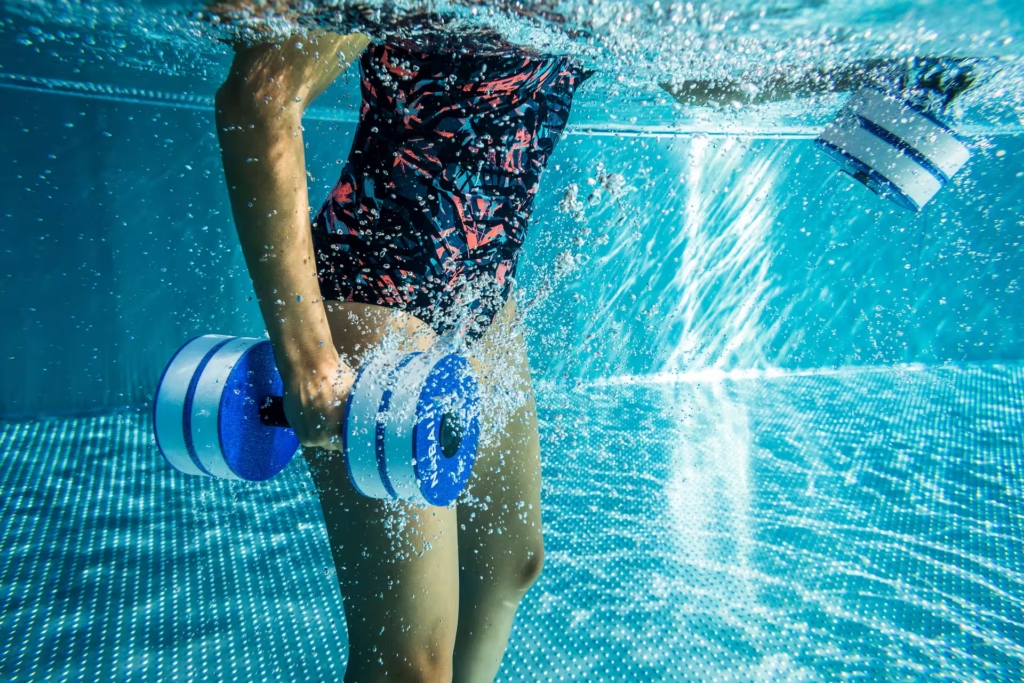
Aquatic exercises enhance blood flow and heart function through muscle activation and hydrostatic pressure without joint stress. Ideal for seniors, rehab, and low-impact fitness, they’re safe, effective, and supported by science.
Water has been a healing remedy for centuries. Modern science is now uncovering how aquatic exercises can change your circulatory system. Aquatic workouts can improve blood flow, strengthen your heart, and boost health. They are gentle and effective.
This guide looks at how water-based activities improve blood circulation. It shares the science of their benefits. It also gives practical tips for adding them to your routine. Aquatic exercises are essential for modern heart care. They help people with chronic conditions. They also help residents looking for low-impact exercises and those recovering from injuries.
Understanding Aquatic Exercises
Aquatic exercises include any activity done in water. This ranges from swimming and water walking to water aerobics classes. These exercises use water’s special qualities to provide great cardiovascular workouts. They also reduce stress on joints and muscles.
Aquatic exercise is beautiful because it’s versatile. Water offers resistance for building muscle strength. It also provides buoyancy to protect joints. This exercise is suitable for all fitness levels. The Texas Heart Institute discovered that water can quickly improve heart health, often in minutes.
Aquatic workouts differ from traditional land exercises. They engage multiple muscle groups at once. Water provides constant resistance from all directions. This full muscle activation boosts circulation in the body. Thus, a great substitute for vascular health is a water remedy.
Benefits of Aquatic Exercises for Blood Circulation
Buoyancy and Its Impact
Water’s buoyancy can reduce body weight by up to 90%. This lowers the strain on your heart and makes exercise easier. Less gravitational stress helps blood vessels relax. As a result, blood flows better through your circulatory system.
Water immersion lowers pressure on blood vessels. These improvements return blood, the process by which blood flows back to the heart. People with chronic venous insufficiency or varicose veins can use it. The decreased gravity makes blood flow from the legs to the heart easier.
Hydrostatic Pressure Benefits
Hydrostatic pressure acts like a full-body compression garment. It’s similar to compression socks but affects the whole body. This pressure is strongest at deeper points and lessens as it rises. This creates a natural pumping action that boosts circulation.
Water immersion applies external pressure that reduces swelling and boosts lymphatic drainage. This process helps remove waste from tissues. Better circulation can help stop blood clots. It also lowers the chance of deep vein thrombosis. This matters a lot for people with mobility issues or recovering from surgery.
Enhanced Cardiovascular Efficiency
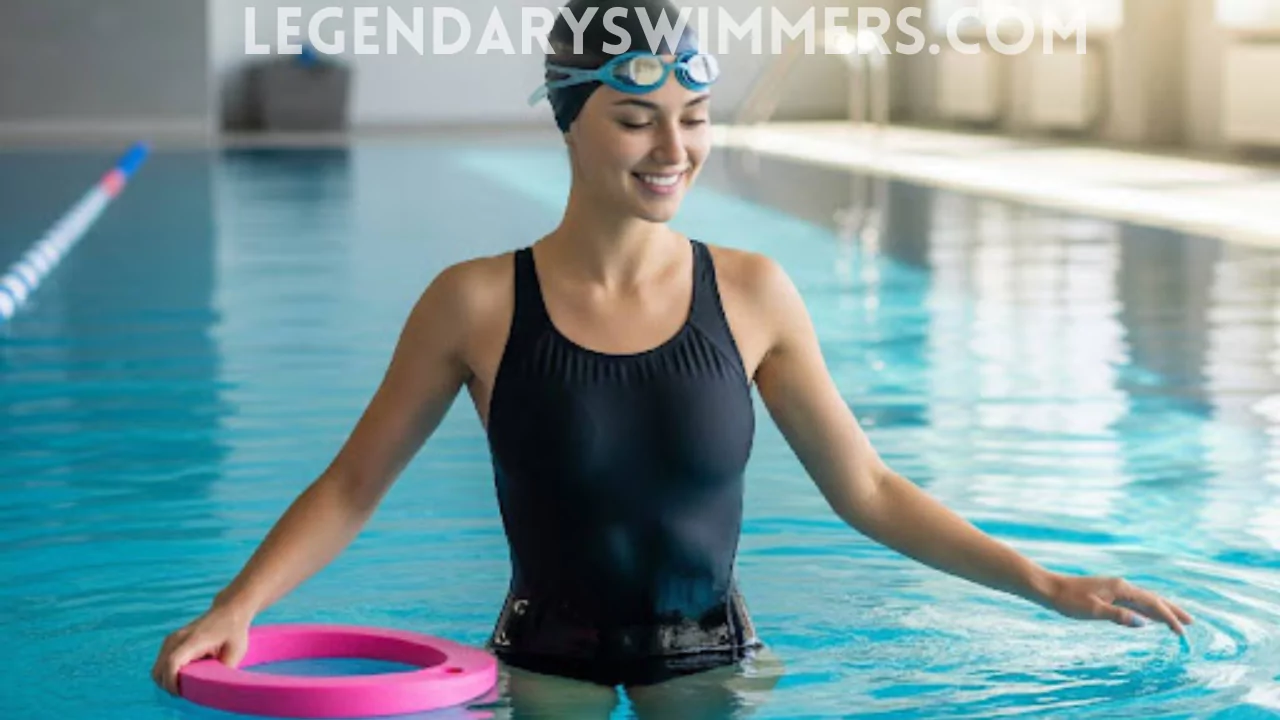
Water-based exercises increase cardiac output and stroke volume, both key to heart health. The cooling effect of water and hydrostatic strain trigger the human diving reflex. By guiding blood flow to vital organs, this reflex enhances cardiovascular attributes.
Studies show that aquatic exercises can boost ejection fraction and cardiac index. These are key indicators of heart health. Water resistance offers a great aerobic workout. It strengthens the heart muscle. Plus, the water helps regulate the heart rate better than land exercises.
Muscle Strengthening Effects
Water currents and jets in therapeutic pools create resistance. This is great for building muscle strength. Stronger leg and core muscles help push blood back to the heart. This improves overall circulation.
Water’s resistance grows as you speed up. This creates natural interval training that targets different muscles and improves cardiovascular endurance. Varying resistance helps reduce muscle fatigue, which is common in regular workouts. It also offers great benefits for circulation.
Joint Impact Reduction
Aquatic exercises are great for people with joint pain or injuries. Their low impact allows the body to deal with less stress. Less stress on joints helps people exercise longer and more often. This can improve blood flow and heart health over time.
This joint-friendly space helps older adults and those with arthritis. It lets them stay active and supports healthy blood flow. Plus, it doesn’t worsen their conditions.
Popular Aquatic Exercises
Swimming Techniques
Swimming surely is effective for every muscle in the body while also providing excellent cardiovascular conditioning. Different strokes work different muscles and keep blood flowing well in the body. Swimming’s rhythm helps control heart rate and boosts oxygen flow to tissues.
Swim lanes in pools create organized spaces for steady training. They help people boost intensity over time and keep track of their heart health. Even basic swimming movements in therapeutic swimming programs can provide significant circulatory benefits.
Water Walking
Water walking is an easy form of exercise. It needs no special skills and offers great cardiovascular benefits.
Walking in chest-deep water gives great hydrostatic pressure benefits. It also lets your arms move freely, which improves blood flow to your upper body. Moving continuously stops blood from pooling in the legs. Additionally, it enhances the muscles that facilitate blood flow back to the heart.
Water Aerobics
Water aerobics classes mix cardio and strength training. They offer a fun and social setting. These structured programs often feature aqua zumba and water gymnastics. They keep participants engaged and offer steady circulatory benefits.
The group setting encourages consistent participation, crucial for long-term cardiovascular improvements. Many programs use aquatic bikes or other gear. This adds variety and focuses on specific muscle groups. Plus, it keeps the circulation benefits of water immersion.
Water Exercises and Overall Health
Stress Reduction and Relaxation
Water naturally calms us. It helps lower stress hormones that can harm heart health. Water-based exercise helps you relax and stay active. It offers physical benefits and creates a great setting for better heart health.
Regular water exercise boosts mental health and leads to better heart function. Physical activity and stress reduction work together to boost circulatory health.
Related Reading:
The Science Behind Water Resistance Training: Why It Works
Lowering Blood Pressure
Water immersion controls hydrostatic pressure and temperature. This can lower blood pressure during and after exercise. Aquatic therapy is great for people with high blood pressure or those at risk of heart disease.
Research shows that regular water exercise can reduce systolic and diastolic blood pressure. This reduces the risk of heart disease and helps to improve coronary heart fitness.
Related Reading:
How Aquatic Exercises Boost Blood Circulation Naturally
Recovery and Rehabilitation
Aquatic environments provide ideal conditions for recovery from cardiovascular events or surgical procedures. Water’s gentle resistance supports gradual conditioning. It helps heal tissues and keeps circulation strong without overdoing it.
Water physical therapy and aquatic physiotherapy are popular in cardiac rehab. These programs help patients safely regain cardiovascular fitness. They also allow for monitoring heart rate and vital signs.
Related Reading:
Why Low-Impact Water Workouts Support Strength & Longevity
Accessibility and Inclusivity
Suitable for All Ages
Aquatic exercises work for all ages, from kids to seniors. The weight of water makes it easy for senior citizens to flow. It also gives younger, athletic people enough resistance to stay challenged.
Family-friendly aquatic programs promote lifelong physical activity. They also offer chances for families to improve heart health together.
Managing Chronic Conditions
Water-based exercises help people with chronic circulation issues. This includes those with peripheral artery disease, heart failure, or Raynaud’s disease. A controlled environment makes exercise safe. This helps manage symptoms and boost overall vascular health.
Submersion therapy helps manage circulatory diseases. It offers gentle pressure that supports blood flow. This method doesn’t add stress to weak cardiovascular systems.
Related Reading:
How Swimming Can Relieve Chronic Pain [Expert’s Insight]
Why Swimming is ideal for Women’s Cardiovascular Health
Post-Injury Rehabilitation
Water’s supportive nature makes it great for rehab after injury or surgery. Patients can start moving and doing circulation-boosting activities sooner in recovery. This can help prevent problems like blood clots and muscle atrophy.
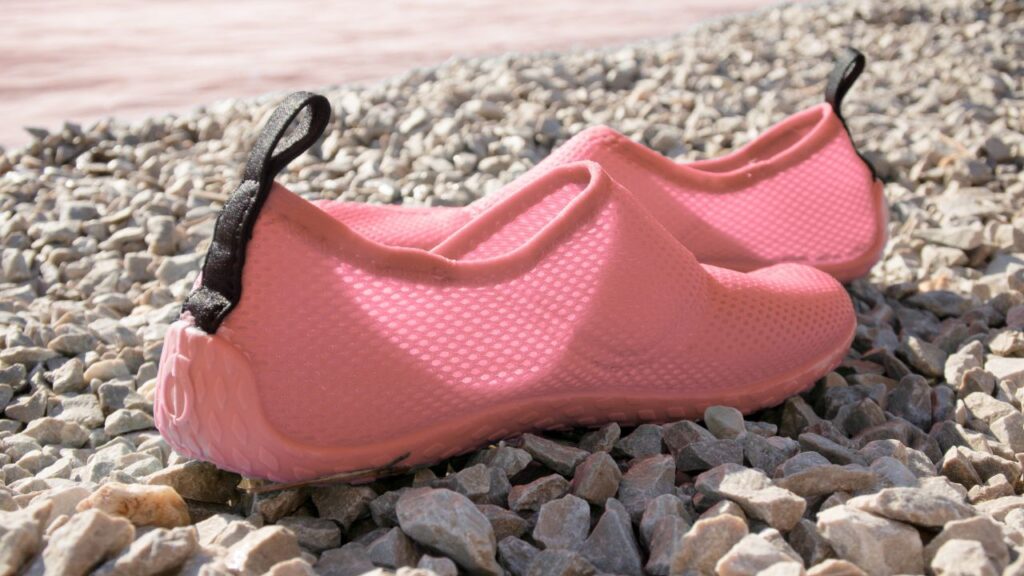
Water shoes and flotation devices help people with mobility challenges join aquatic rehab safely.
Getting Started with Aquatic Exercises
Choosing the Right Activities
Begin with simple activities like water walking or gentle swimming movements. As your heart fitness gets better, you can try tougher activities. Consider structured water aerobics or interval training programs.
When picking aquatic activities, consider your fitness level, health issues, and preferences. Private swimming lessons can provide personalized instruction for those new to water-based exercise.
Try our Free 15 minute Aquatic Fitness Session
Essential Equipment and Safety Tips
Many aquatic exercises need little equipment. Water shoes, flotation devices, and proper swimwear can boost safety and comfort. Always exercise in supervised settings. This is important if you have heart conditions or are new to aquatic workouts.
Facilities equipped with H2X Swim Spa systems offer managed settings. They have adjustable currents and temperature settings. This makes them perfect for therapeutic exercise programs.
Related Reading:
Top Water Weights for Pool & Resistance Workouts (2026)
Setting Realistic Goals
Start with short sessions of 15-20 minutes and gradually increase duration and intensity. Focus on consistency, not intensity. Regular moderate exercise gives more heart health benefits than occasional intense workouts.
Focus on tracking gains in endurance, flexibility, and overall well-being. Don’t just look at cardiovascular numbers. Many people feel more energetic and sleep better within weeks of starting regular water exercise.
Diving Into Better Health
Aquatic exercises provide great cardiovascular benefits. They are also simple to access and protect your joints. They are great for boosting blood circulation and improving health. Water’s natural properties make it a great place for safe and effective exercise. It can suit any fitness level or health condition.
Add aquatic exercises to your routine. They can help prevent heart disease, manage health issues, and keep you healthy. They can greatly benefit your circulation and overall well-being.
Ready to enjoy the benefits of swimming and improving circulation? Visit your local pool or aquatic therapy centre to check out their programs. Your cardiovascular system will thank you for making the splash into better health.
FAQ
Is hydrotherapy good for blood circulation?
Yes, hydrotherapy is excellent for improving circulation. Warm water relaxes blood vessels. Gentle pressure helps blood flow more easily through the body. Aquatic movements also stimulate muscle contractions, which further enhance blood flow.
Does water aerobics help circulation?
Absolutely. Water aerobics helps blood flow by using big muscle groups without much strain. Water resistance builds muscle and boosts blood flow. It does this without putting strain on your joints.
How often should you do water aerobics to improve circulation?
For the best circulation, experts suggest doing water aerobics 2 to 4 times a week. Consistency helps strengthen cardiovascular function and enhances oxygen delivery throughout your body.
What are the disadvantages of aqua aerobics?
Aqua aerobics is generally safe. However, it may not provide enough resistance for serious strength training. Also, warm pools can be hard to find. It’s still a top choice for circulation. This is true, especially for seniors and people with joint issues.
What is the best thing to drink for blood circulation?
Water is vital for circulation. It keeps blood hydrated and flowing well. Herbal teas, such as ginger and green tea, support vascular health. They work even better when paired with aquatic workouts.
References