
Stronger in the Water. Stronger in Life.
Low-Impact Water Aerobics: Boost Fitness with Aquatic Exercises

Searching for a mild health routine for your joints that packs a punch when it comes to consequences? Water aerobics might be the perfect solution. This aquatic exercise combines cardiovascular fitness with strength training while being low-impact. Water exercises can help anyone. They are great for recovering from injuries, managing joint pain, or staying fit.
This blog highlights the benefits of water aerobics. It includes popular moves, safety tips, and essential gear. By the end, you’ll have everything you need to get started and make a splash with your workout routine.
Benefits of Water Aerobic Exercises
Low Impact on Joints
One of the standout advantages of water aerobics is its minimal impact on joints. Water’s buoyancy eases stress on the body. This makes it great for people with arthritis or joint problems.
- Supports joint pain relief.
- Eases mobility in people with chronic conditions.
- Provides an environment for safe rehabilitation.
Enhances muscle strength and endurance.
Water resistance forces your muscles to work harder, even with easy actions. This helps target many muscle groups at the same time and boosts endurance.
- Build lean muscle.
- Improves balance and coordination.
Improves cardiovascular health.
Looking for a low-impact cardio workout? Water aerobics enhances heart rate in a safe, controlled manner. They strengthen the heart and improve circulation.
- Contributes to a lower risk of heart disease.
- Aids in maintaining a healthy cardiovascular system.
Mental Well-Being and Mood Enhancement
Research shows that exercising in water reduces stress and improves mental health. Water has a calming effect. Exercise releases endorphins, which can lift your mood and improve your well-being.
Pro Tip: Enhance the mood benefits of water aerobics. Try adding mindfulness exercises. Be aware of your breath or sense the water. This helps reduce stress and improve relaxation.
5. Social and Fun Exercise Environment
Group aquatic activities help you stay active and connect with others. These activities make workouts fun and motivating since you connect with others. Joining a class makes it easier to stick to your fitness routine. It can turn exercise into a fun habit. It’s also a great chance to make lasting connections with like-minded people.
- Pro Tip: Team up with a friend or family for aquatic activities to make it fun and stay motivated. This also helps with accountability and consistency.
Popular Water Aerobics Moves
1. Walking and Jogging in Water
These basic water-based exercises are great for building strength and improving mobility. Water walking is a great full-body workout. It’s ideal for beginners, seniors, or anyone wanting a low-impact routine. It’s an easy and effective way to stay active in a gentle, supportive environment.
- Start with shallow water.
- Increase speed over time to elevate intensity.
2. Water Jumping Jacks
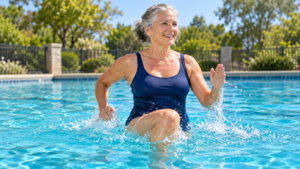
Water-based jumping jacks use resistance to work your muscles better. They also lower stress on your joints. They improve flexibility, endurance, and strength, making them perfect for all fitness levels.
Tip: Keep your movements controlled to maximize resistance.
3. Flutter Kicks
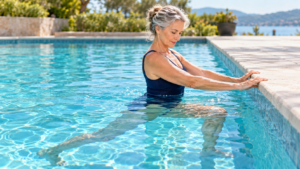
Flutter kicks are a great way to build core strength while working your lower body muscles. This exercise is perfect for improving stamina and toning your legs. Use the pool wall or a flotation device to maintain proper form and balance for added support.
Arm Exercises with Water Weights
Using water weights is a fun way to tone your arms and upper body in the water. They create resistance as you move, helping to build muscle and endurance. For variety, add resistance bands to target different muscles and increase intensity.
Using pool noodles for resistance.
Pool noodles are perfect for water resistance exercises. You can use them for leg lifts and arm stretches. Protecting the noodle makes your muscle mass work harder. It also supports you in a safe workout. Lightweight and easy to use, they’re perfect for beginners and advanced users.
Safety Tips for Water Aerobics
- Stay Hydrated: Water workouts may not feel as sweaty as land exercises, but you still lose fluids. Keep a water bottle close. Sip water often during breaks. This helps you stay energized and avoid dehydration.
- Wear Proper Footwear: Use good water shoes to protect your feet. They raise traction, prevent slips, and defend against difficult pool flooring and sharp edges. Good footwear provides support and cuts down fatigue. This makes your exercise more secure and extra comfortable.
- Check pool conditions: Look for cracks or hazards on the pool wall and floor before you start. Ensure the water temperature is comfortable—extremes can cause overheating, cramps, or discomfort. A safe pool permits you to concentrate on your workout without distractions.
Equipment for Effective Water Aerobics
- Pool Noodles: These basic tools provide significant buoyancy and resistance. Perfect for beginners and advanced workouts alike.
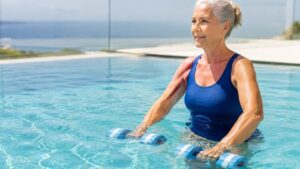
- Water Weights: Light aquatic dumbbells provide great resistance for your arms. They help build strength without placing strain on your joints.
- Kickboards: Focus on your lower body by incorporating kickboards into leg-specific exercises.
- Aqua Gloves: Aqua gloves improve water resistance. They boost upper-body movement and help refine swimming skills.
Modifications for Specific Needs
1. Exercises for Knee Pain Relief
Low-impact exercises like water walking and leg lifts help reduce knee pain. They improve muscle tissues whilst being gentle on the joints. They improve muscle tissue while being mild on the joints. Water resistance builds strength over time. Hold the pool’s edge and try knee extensions. This can help with stability and reduce discomfort.
Pro tip: Begin with 10-15 minutes of walking in waist-deep water. As your knees get more potent, increase the intensity. Add light ankle weights for extra muscle engagement.
2. Water Aerobics for Rehabilitation
Recovering from surgery or injury? Water aerobics helps rebuild strength and flexibility safely. The water’s buoyancy eases stress, making movements less complicated than on land. Flutter kicks or arm circles improve mobility without strain.
Pro tip: Use pool noodles or resistance gloves for more of a challenge as you progress. Seek advice from your physical therapist to ensure sports fit your recuperation plan.
3. Adaptations for Seniors
Water aerobics improves mobility, balance, and fitness for older adults. The water’s buoyancy eases joint stress, making it a safe, low-impact activity. Moves like water jogging or leg raises boost strength and coordination.
Pro tip: Join a senior-focused class for tailored exercises. Use water weights or flotation belts for extra support and resistance.
Getting Started with Water Aerobics
1. Choosing the Right Class or Program
Look for classes designed for your fitness level. Whether you’re a beginner or a senior, choose the one that fits you best.
2. Preparing for Your First Session
Bring the essentials:
- Flotation vest (if needed).
- Proper water shoes and comfortable swimwear.
A quick warm-up is also recommended before starting.
3. Setting Fitness Goals
Set clear and realistic goals. Focus on your goals. These could be weight loss, heart health, strength-building, or staying active. Begin small to prevent burnout or injury. Keep track of your progress to stay motivated and celebrate your achievements.
FAQs
What are the best water aerobics exercises for beginners?
Water aerobic exercises designed for beginners are great for getting started. They include:
Water walking
Arm curls with water weights.
Leg lifts with pool noodles.
Gentle flutter kicks
Is water aerobics good for weight loss?
Yes, water aerobics is effective for weight loss. A 30–60-minute session can burn between 200 and 400 calories, depending on intensity. Cardio and resistance training team up. They lower body fat, tone muscles, and boost metabolism. Plus, they’re gentle on the joints.
Can water aerobic exercises help with joint pain or arthritis?
Absolutely. Water aerobic exercises help reduce joint stress. The buoyancy of water makes movements smoother and less painful. They boost mobility, lessen stiffness, and strengthen nearby muscles. This helps people with arthritis, knee pain, or those healing from injuries.
How many calories do you burn doing water aerobics?
You can burn about 200 to 400 calories each hour with water aerobics. This varies based on your body weight, workout intensity, and how long you exercise.
What equipment do you need for water aerobic workouts?
Essential gear includes water weights, pool noodles, kickboards, aqua gloves, and water shoes. These tools enhance resistance, support balance, and improve workout efficiency. You can add optional items like flotation belts or resistance bands. Pick them based on your fitness degree and desires.
Read Also: How to do Backstroke Flip Turn: Step-by-Step Guide for Swimmers
References
Share:
More Posts
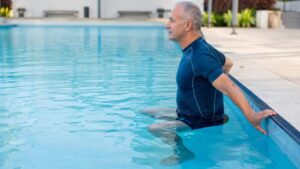
Start Training in the Water
Free Resources
Improve your swimming, build strength, or move with less impact using the water as your training space.
Choose a free resource below to get started.
Recommended Equipment
These aquatic fitness tools help increase water resistance, improve stability, and create a more effective low-impact workout experience in the pool.
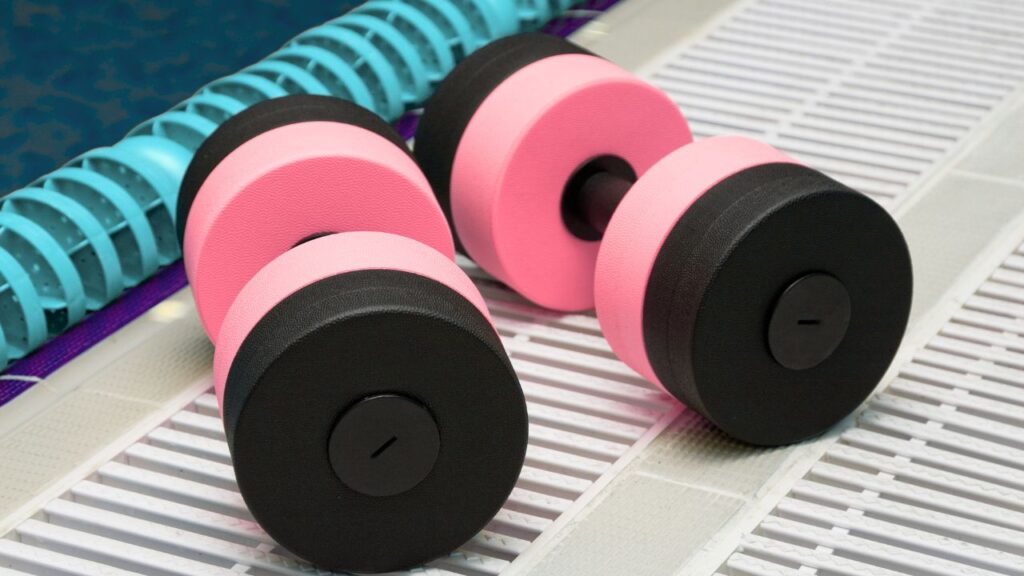
Aqua Dumbbells
Adds upper-body resistance to help improve strength, endurance, and overall workout intensity during aquatic fitness sessions.

Resistance Gloves
Creates additional water resistance for the arms and shoulders while helping improve movement control and muscle engagement.
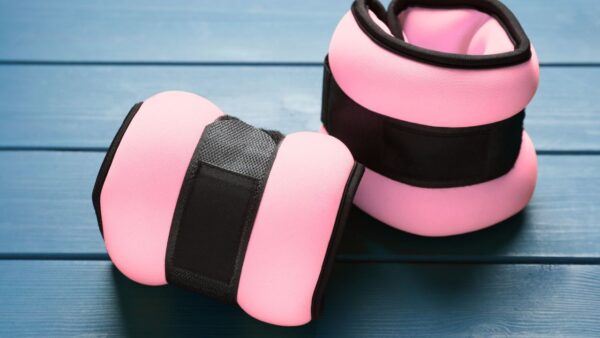
Aquatic Cuffs
Designed to increase resistance on both the arms and legs, helping create more advanced aquatic strength and conditioning workouts.

Flotation Belt
Supports deep-water exercises and helps maintain balance during suspended aquatic workouts without placing stress on the joints.
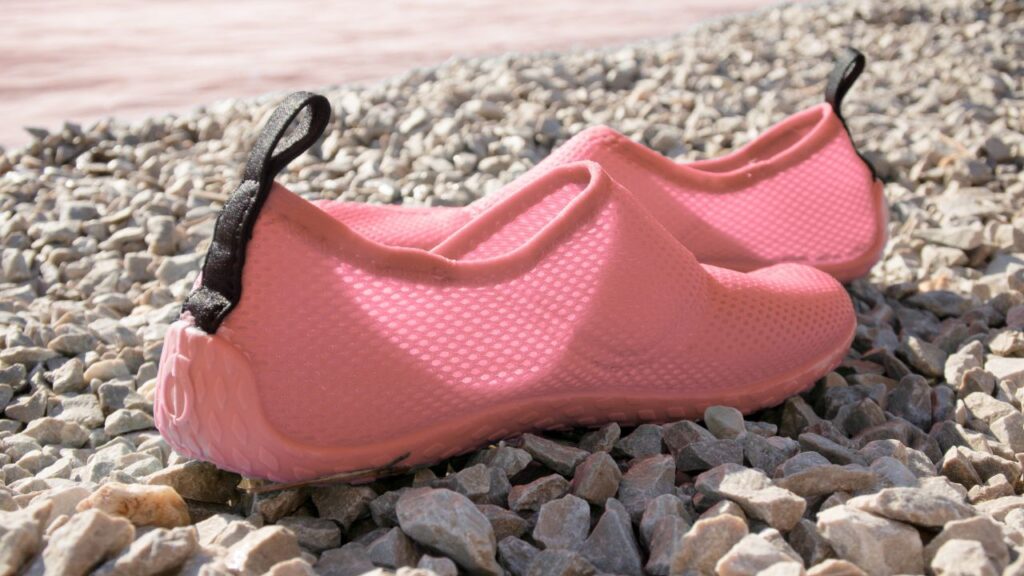
Water Shoes
Provides grip, stability, and foot protection for aquatic fitness classes, pool walking, and water-based exercise routines.
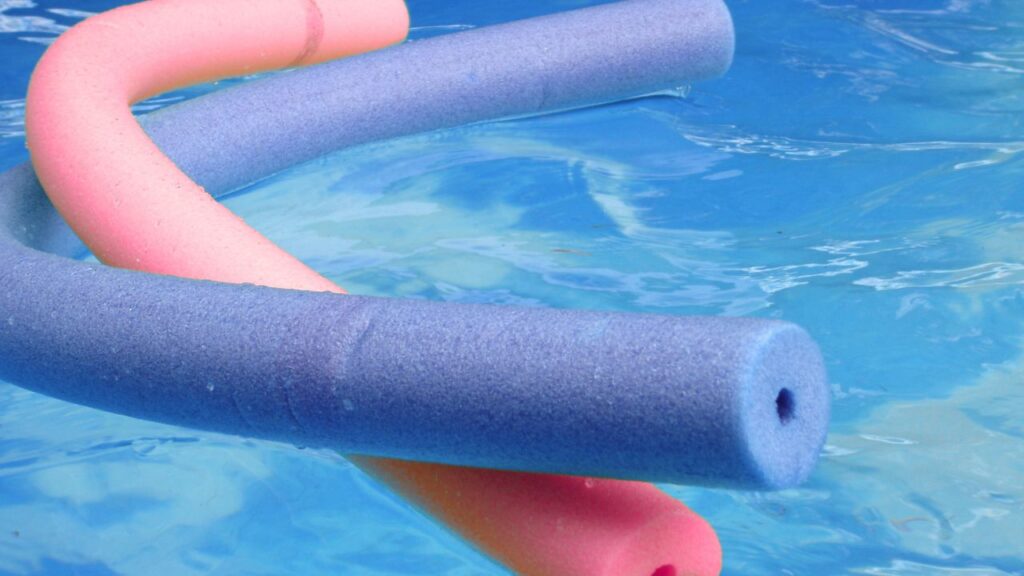
Pool Noodle
Provides flotation support for balance, core training, and low-impact aquatic exercises while helping improve comfort and stability in the water.
Disclosure: Links above are affiliate links, meaning Legendary Swimmers may earn a small commission at no additional cost to you.
Choose How You Prefer to Train in Water
Whether you are here to improve your swimming, build strength, or move with less impact, Legendary Swimmers gives you simple ways to use the water as your training space.
Start with one of our free resources below and choose the path that fits how you want to move in the water.